Category: Historical Recognition

  • UN Vote on Transatlantic Slave Trade as ‘Gravest Crime’

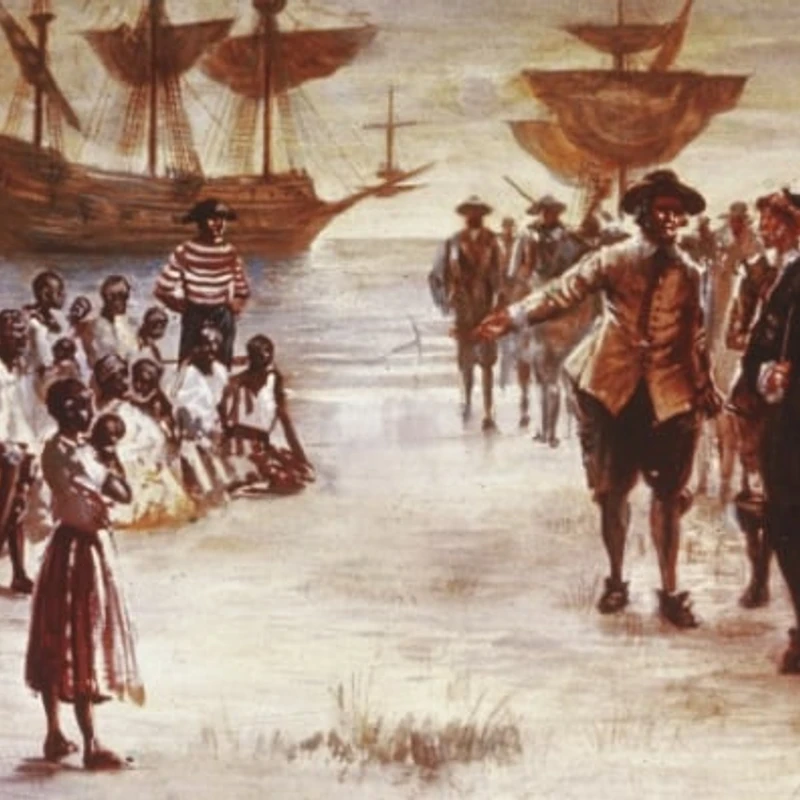
    For centuries, the brutal legacy of the transatlantic slave trade has cast a long shadow, impacting global economies and perpetuating racial disparities. Now, the world stands at a potential turning point. The U.N. General Assembly is set to vote on a resolution that could formally recognize this horrific period as “the gravest crime against humanity,” potentially opening new doors for discussions on reparations.

    A Formal Recognition of Historical Atrocity

    Proposed by Ghanaian President John Dramani Mahama, the resolution aims to provide formal international acknowledgment of the immense suffering caused by the slave trade. From the 1500s to the 1800s, millions of Africans were forcibly captured, endured the horrific Middle Passage, and were subjected to a brutal system of slavery whose profits helped build modern global industries and financial systems. This legacy continues to shape everything from Wall Street to the persistent racial wealth gap.

    Ghana’s Foreign Minister, Samuel Okudzeto Ablakwa, highlighted the ongoing impact, stating, “Many generations continue to suffer the exclusion, the racism because of the transatlantic slave trade, which has left millions separated from the continent and impoverished.” The resolution seeks to move the conversation about restitution from the sidelines into formal international policy.

    The Question of Reparations

    The push for reparations has long been a central demand for descendants of the enslaved. Studies attempting to quantify the economic impact often place the figure between $12 trillion and $14 trillion, considering the racial wealth gap and the value of unpaid labor. Media mogul Robert Johnson has suggested a starting point of $350,000 per eligible descendant, a figure echoed in research by University of Connecticut’s Thomas Craemer, who has also noted that such calculations often don’t include inflation or other compounding factors like denied land or generational discrimination.

    Proponents point to historical precedents where nations have offered reparations, such as Germany for Holocaust victims and the U.S. for Japanese internment camp survivors. If adopted, the U.N. resolution wouldn’t mandate reparations but would strongly urge member states to engage in dialogue about reparative justice. This could include formal apologies, artifact repatriation, financial compensation, and non-repetition guarantees.

    Challenges and Resistance

    Despite support from African Union, Caribbean Community nations, and Brazil, efforts like this have historically faced significant political resistance. Many countries that benefited from slave labor argue that current governments shouldn’t be financially liable for historical crimes. Notably, the European Union and the United States, major beneficiaries of the transatlantic slave economy, have indicated they do not plan to support the resolution.

    Advocates argue this resistance reflects a lack of global consensus on the scale of slavery’s modern impact and what constitutes meaningful accountability. President Mahama also connected this push to a broader global effort to downplay or erase the history of slavery and racism, citing concerns about how Black history is taught and discussed, particularly in the United States. A White House spokesperson, however, stated that former President Donald Trump had provided significant economic opportunities for Black Americans, stopping short of supporting formal apologies or restitution for slavery.

    What are your thoughts on the UN vote regarding the transatlantic slave trade? Do you believe formal recognition will advance the cause for reparations? Share your views in the comments below!
  • Black Revolutionary War Hero Honored

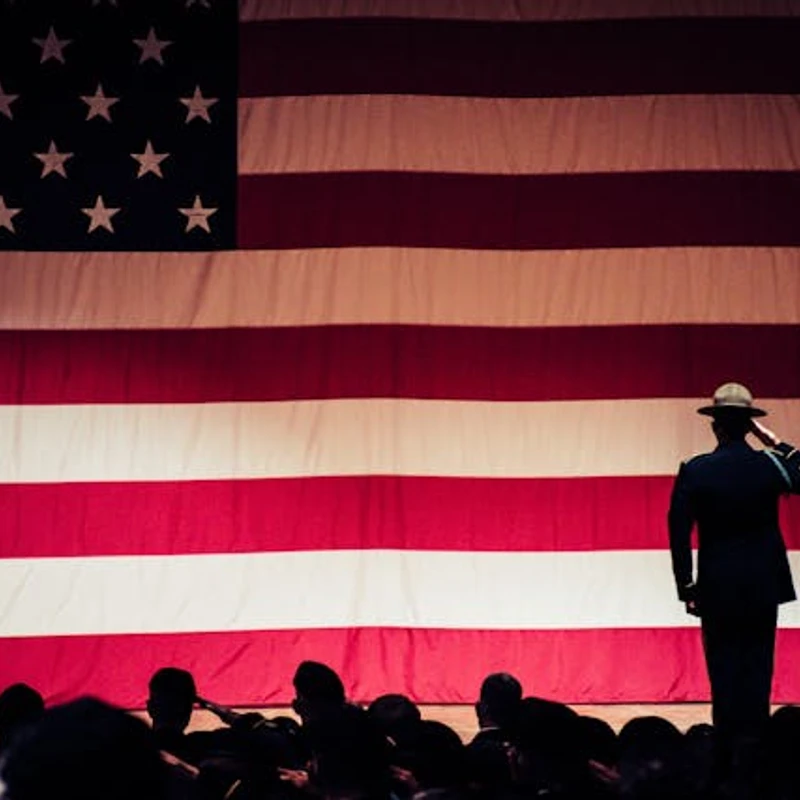
    A significant piece of American history is finally getting the recognition it deserves. Thomas Campbell, a Black hero of the Revolutionary War, has been honored with a historic plaque in West Michigan. His story, once largely unknown, highlights incredible bravery and a profound fight for freedom, both for himself and for the nation.

    From Enslavement to Patriotism

    Born into enslavement around 1760 in Culpepper County, Virginia, Thomas Campbell made a courageous choice at just a teenager. In 1776, he joined the Continental Army, seeking freedom from bondage. He served as a horse handler and eventually joined General Marquis de LaFayette’s division under George Washington’s command.

    Campbell endured the brutal winter encampment at Valley Forge in 1778 and suffered severe heatstroke during the battle at Monmouth Courthouse the following summer. Despite these hardships and his deteriorating health, which led to his discharge, his commitment to the cause of liberty never wavered.

    A Legacy Uncovered

    After his military service, Campbell lived out his final years on a farm in Kalamazoo County, Michigan, where he owned 160 acres of land. His story remained largely in the shadows until records of an approved land grant helped uncover his historic service. This discovery led to the placement of his plaque at the Gilmore Car Museum near his final resting place in Hickory Corners.

    The unveiling ceremony, held on November 8th by the Joseph B. Westnedge chapter of the Sons of the American Revolution, was a fitting tribute. Bob Craig, vice president of the Michigan Society of the Sons of the American Revolution, emphasized Campbell’s dual fight: “He fought for his freedom, but he also fought for our country’s liberty and freedom.” The ceremony included a color guard, wreath laying, and a 21-gun salute, befitting a national hero.

    Recognizing Unsung Heroes

    Campbell’s recognition follows a similar honor for another Black Revolutionary War hero, James Robinson, who received a plaque in Detroit in 2019. The ongoing efforts to uncover and celebrate these often-overlooked figures are crucial, especially as America approaches its 250th anniversary in 2026. It’s a powerful reminder that the fight for freedom and the building of this nation involved countless brave individuals from all walks of life.

    What do you think about the recognition of Thomas Campbell and other unsung heroes of the Revolutionary War? Share your thoughts on preserving these important historical stories in the comments below!

  • Emmett Till’s Resting Place Designated Historic

    A significant step has been taken to honor a pivotal figure in American history. Burr Oak Cemetery, the final resting place of Emmett Till, has been recommended for inclusion on the National Register of Historic Places. This nomination, voted on by the Illinois Historic Sites Advisory Council, would formally recognize the cemetery’s profound national importance.

    A Cemetery Born from Segregation

    Established in 1927 by leaders of the Supreme Life Insurance Company, Burr Oak Cemetery holds a unique place in history. It was founded specifically to provide dignified burial options for African Americans at a time when white-only cemeteries imposed strict restrictions. This cemetery stands as a testament to Black resilience and community building in the face of adversity.

    Historian Jean Guarino described Burr Oak as a “Black-owned and Black-managed place, built in the face of adamant white opposition.” This context highlights the cemetery’s role not just as a burial ground, but as a symbol of Black self-determination and cultural preservation.

    More Than Just Monuments: A Matter of Memory

    For Edward Boone, founder and chairperson of the nonprofit Friends of Burr Oak Cemetery, this nomination is deeply personal. He has dedicated years to preserving the cemetery’s records and maintaining its grounds. Boone emphasizes that the recognition is about more than just preserving structures; it’s about safeguarding memory.

    This isn’t just about monuments. It’s about memory — about making sure people know how deeply Black history runs through this soil. — Edward Boone

    The nomination period of significance spans from 1927 to 1975, acknowledging Burr Oak’s crucial role in Chicago’s Black community. It serves as the final resting place for thousands of veterans, educators, and entertainers whose lives and contributions are integral to the American narrative. Boone notes the presence of many graves belonging to individuals born before 1865, likely former slaves, whom they honor with African American flags on Juneteenth.

    A Victory for Preservation

    Even with potential delays due to a federal shutdown, preservationists view the nomination process itself as a significant victory. It represents a crucial acknowledgment of respect and dignity for the countless families who found a way to carve out their legacy when the world often denied them recognition.

    The designation of Burr Oak Cemetery as a National Historic Landmark is a powerful reminder of Black history’s enduring significance. What does this recognition mean to you? Share your thoughts in the comments below.