Living with a chronic condition like Sickle Cell Disease (SCD) presents unique challenges, especially when transitioning from pediatric care to navigating adult life. Rialton Reid, who has lived with SCD his entire life, shares his personal journey, highlighting the importance of open communication, community support, and self-advocacy in managing this complex genetic blood disorder.
Early Life and Open Communication
Sickle Cell Disease can affect the body in various ways, leading to complications like organ damage, muscle issues, bone deterioration, stroke risk, and blood clots. While Rialton was fortunate to avoid some of the more severe complications, he experienced significant hospitalizations at ages six, 14, and 19 due to pneumonia, the flu, and a fungal lung infection, all requiring blood transfusions. Despite these hurdles, Rialton learned early on the power of open communication about his condition.
He found comfort in sharing his diagnosis with friends, teachers, and peers, emphasizing that his condition didn’t define his capabilities. “Hey, this is what I’m going through, but I can still do everything anybody else can do,” he explained. This proactive approach helped him combat the isolation that can sometimes accompany SCD, preventing others from viewing him as overly needy or different.
Finding Community and Essential Skills
A pivotal moment in Rialton’s journey was connecting with the Sickle Cell Disease Foundation at age 12. Attending Camp Crescent Moon exposed him to a supportive community of peers who understood his experiences. Later, the teen transition program SC Crew equipped him with crucial skills for self-management as he prepared for adulthood.
- **Understanding Triggers:** Learning that stress and anxiety can precipitate a sickle cell crisis.
- **Treatment Plan Compliance:** Developing a partnership with doctors and advocating for a personalized treatment plan.
- **Managing Complications:** Gaining knowledge about specific issues like priapism, a common crisis for males with SCD.
- **Life Skills:** Acquiring essential skills such as job applications and navigating conversations about family planning.
- **Exercise and Breathing:** Practicing techniques to manage exertion and ensure proper oxygen flow.
Rialton credits SC Crew with teaching him not only how to manage his SCD but also practical life skills, emphasizing, “everything from how to manage my sickle cell, to how to fill out a job application, to how to actually make sure I’m well, medically wise.”
Navigating the Emergency Room
The emergency room can be a challenging environment for individuals with SCD due to potential biases and a lack of awareness among healthcare providers, sometimes leading to patients being mislabeled as “drug seekers.” Rialton advises preparedness when seeking ER care.
- **Come Prepared:** Keep essential medical information readily accessible, including diagnosis, medications, recent lab results, and hospitalization history.
- **Understand Triage Levels:** Know that sickle cell patients typically qualify for a Level 3 triage, but symptoms like chest pain should warrant immediate Level 5 attention.
- **Know Your Baseline:** Understand your personal hemoglobin levels to prevent unnecessary transfusions and potential iron overload. For Rialton, his baseline is between 9-10, meaning a drop to 7 or 8 might not require immediate transfusion.
He also suggests bringing distractions to help manage pain during ER visits. Rialton’s own experience highlights the importance of knowing your body and advocating for appropriate care, even when facing potential bias.
Family Support and Advice for Caregivers
Rialton deeply credits his family, particularly his mother, for fostering his independence and resilience. She played a crucial role in teaching him essential life skills, from managing medications to communicating effectively with doctors. His brothers also provide invaluable support, offering a listening ear even when they may not fully grasp the complexities of SCD.
For caregivers, Rialton emphasizes the importance of asking questions, being an advocate during crises, checking in regularly, and simply listening. He also stresses the need for collaboration between patients and healthcare providers, stating, “Doctors should be more willing to listen to the people with sickle cell disease…we should actually be working together…to come to the best plan possible.”
The Sickle Cell Disease Foundation: A Vital Resource
The Sickle Cell Disease Foundation actively combats the misconception that SCD is rare, offering critical services in California, including the SC Crew teen transition program, Warrior Circle for adult support, Camp Crescent Moon, appointment assistance, and social services like a food pantry and utility support. Their Holiday Giving Program also provides gifts and food to families in need.
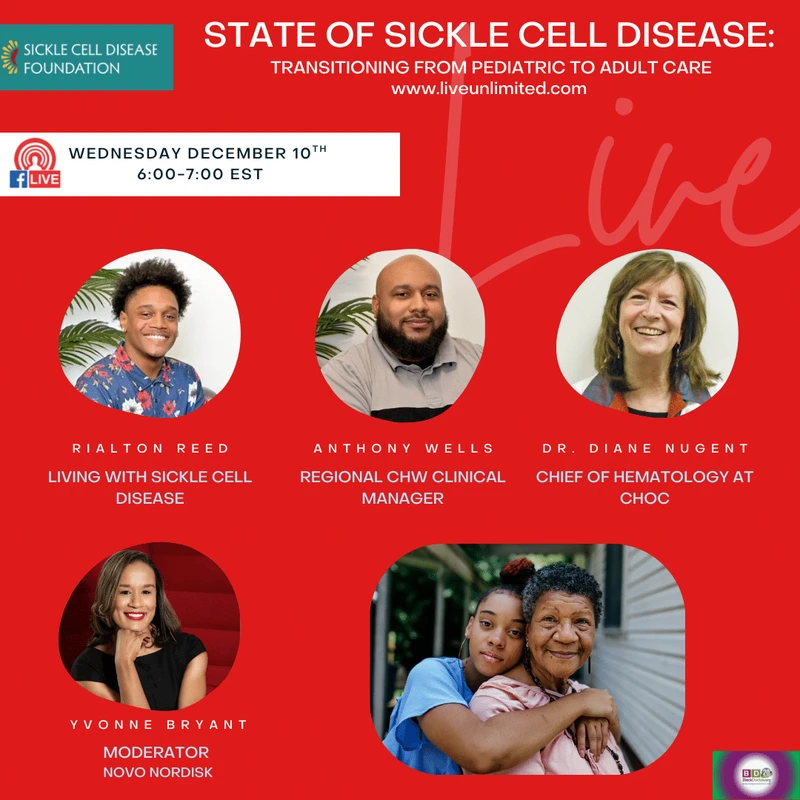
Rialton Reid’s story is a powerful testament to resilience and the importance of community. Join the “State of Sickle Cell Disease: Transition from Pediatric to Adult Care” Facebook Live event on December 10th at 6 PM EST to hear more inspiring journeys. What are your thoughts on navigating chronic illness? Share your experiences in the comments below!
Leave a Reply