Category: Health and Lifestyle

  • Navigating Life with Sickle Cell Disease: A Personal Journey

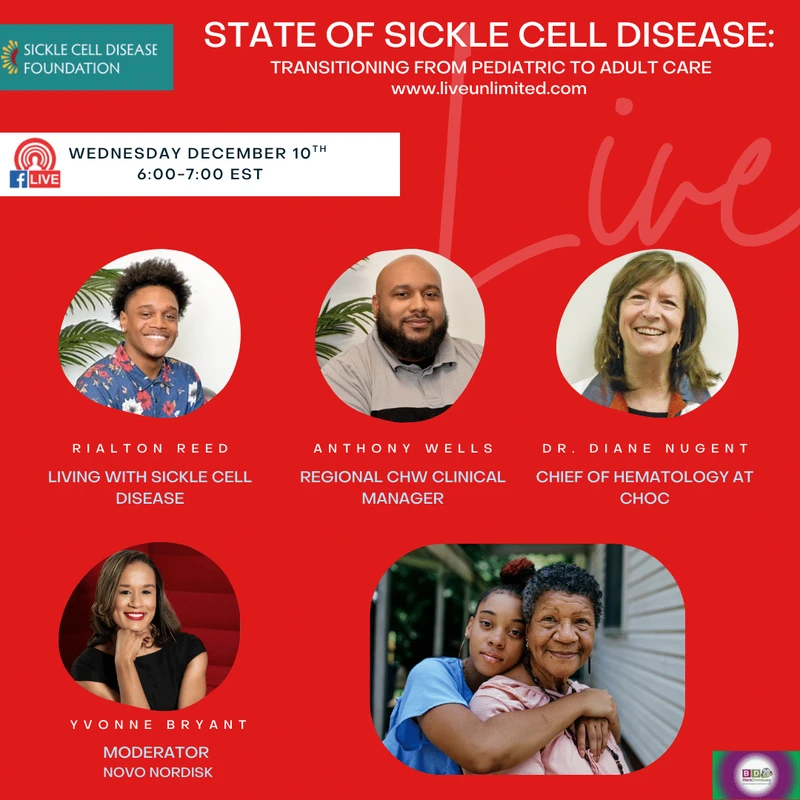
    Living with a chronic condition like Sickle Cell Disease (SCD) presents unique challenges, especially when transitioning from pediatric care to navigating adult life. Rialton Reid, who has lived with SCD his entire life, shares his personal journey, highlighting the importance of open communication, community support, and self-advocacy in managing this complex genetic blood disorder.

    Early Life and Open Communication

    Sickle Cell Disease can affect the body in various ways, leading to complications like organ damage, muscle issues, bone deterioration, stroke risk, and blood clots. While Rialton was fortunate to avoid some of the more severe complications, he experienced significant hospitalizations at ages six, 14, and 19 due to pneumonia, the flu, and a fungal lung infection, all requiring blood transfusions. Despite these hurdles, Rialton learned early on the power of open communication about his condition.

    He found comfort in sharing his diagnosis with friends, teachers, and peers, emphasizing that his condition didn’t define his capabilities. “Hey, this is what I’m going through, but I can still do everything anybody else can do,” he explained. This proactive approach helped him combat the isolation that can sometimes accompany SCD, preventing others from viewing him as overly needy or different.

    Finding Community and Essential Skills

    A pivotal moment in Rialton’s journey was connecting with the Sickle Cell Disease Foundation at age 12. Attending Camp Crescent Moon exposed him to a supportive community of peers who understood his experiences. Later, the teen transition program SC Crew equipped him with crucial skills for self-management as he prepared for adulthood.

    • **Understanding Triggers:** Learning that stress and anxiety can precipitate a sickle cell crisis.
    • **Treatment Plan Compliance:** Developing a partnership with doctors and advocating for a personalized treatment plan.
    • **Managing Complications:** Gaining knowledge about specific issues like priapism, a common crisis for males with SCD.
    • **Life Skills:** Acquiring essential skills such as job applications and navigating conversations about family planning.
    • **Exercise and Breathing:** Practicing techniques to manage exertion and ensure proper oxygen flow.

    Rialton credits SC Crew with teaching him not only how to manage his SCD but also practical life skills, emphasizing, “everything from how to manage my sickle cell, to how to fill out a job application, to how to actually make sure I’m well, medically wise.”

    Navigating the Emergency Room

    The emergency room can be a challenging environment for individuals with SCD due to potential biases and a lack of awareness among healthcare providers, sometimes leading to patients being mislabeled as “drug seekers.” Rialton advises preparedness when seeking ER care.

    1. **Come Prepared:** Keep essential medical information readily accessible, including diagnosis, medications, recent lab results, and hospitalization history.
    2. **Understand Triage Levels:** Know that sickle cell patients typically qualify for a Level 3 triage, but symptoms like chest pain should warrant immediate Level 5 attention.
    3. **Know Your Baseline:** Understand your personal hemoglobin levels to prevent unnecessary transfusions and potential iron overload. For Rialton, his baseline is between 9-10, meaning a drop to 7 or 8 might not require immediate transfusion.

    He also suggests bringing distractions to help manage pain during ER visits. Rialton’s own experience highlights the importance of knowing your body and advocating for appropriate care, even when facing potential bias.

    Family Support and Advice for Caregivers

    Rialton deeply credits his family, particularly his mother, for fostering his independence and resilience. She played a crucial role in teaching him essential life skills, from managing medications to communicating effectively with doctors. His brothers also provide invaluable support, offering a listening ear even when they may not fully grasp the complexities of SCD.

    For caregivers, Rialton emphasizes the importance of asking questions, being an advocate during crises, checking in regularly, and simply listening. He also stresses the need for collaboration between patients and healthcare providers, stating, “Doctors should be more willing to listen to the people with sickle cell disease…we should actually be working together…to come to the best plan possible.”

    The Sickle Cell Disease Foundation: A Vital Resource

    The Sickle Cell Disease Foundation actively combats the misconception that SCD is rare, offering critical services in California, including the SC Crew teen transition program, Warrior Circle for adult support, Camp Crescent Moon, appointment assistance, and social services like a food pantry and utility support. Their Holiday Giving Program also provides gifts and food to families in need.

    Rialton Reid’s story is a powerful testament to resilience and the importance of community. Join the “State of Sickle Cell Disease: Transition from Pediatric to Adult Care” Facebook Live event on December 10th at 6 PM EST to hear more inspiring journeys. What are your thoughts on navigating chronic illness? Share your experiences in the comments below!

  • Toilet Scrolling? Study Links Phone Use to Hemorrhoids

    We all know that feeling – you sit down on the toilet, grab your phone, and suddenly, minutes turn into what feels like an eternity of scrolling. But what if that seemingly harmless habit is actually putting your health at risk? A new study suggests that your bathroom scrolling sessions might be contributing to some rather uncomfortable health issues.

    The Risky Business of Toilet Scrolling

    The term ‘doomscrolling’ has become all too familiar, describing the endless consumption of negative news and content online. Now, researchers are shining a light on a specific scenario where this habit can be particularly detrimental: doing it on the toilet. A study published in the journal PLOS One on September 3rd is raising eyebrows with its findings.

    After analyzing colonoscopy results, scientists are advising us to rethink turning our bathrooms into extended phone-break zones. The study indicates that this common practice could significantly increase your risk of developing painful and itchy hemorrhoids.

    Nearly 50% Higher Risk of Hemorrhoids

    Researchers from Beth Israel Deaconess Medical Center (BIDMC) in Boston found that adults who doomscroll while on the toilet have a staggering 46% higher risk of developing hemorrhoids. What’s more, this increased risk remains even after accounting for factors like age, sex, BMI, exercise, straining, and fiber intake.

    The study involved 125 adult participants, and a significant 66% admitted to using their phones on the toilet. Those who scrolled spent considerably more time in the bathroom – 37.3% of phone users stayed for over five minutes per visit, compared to just 7.1% of non-phone users.

    Who’s Most Likely to Scroll?

    Interestingly, younger adults, particularly those in their 40s and 50s, were more likely to engage in this habit than individuals over 60. The most popular activities? Reading ‘news’ (54.3%) and browsing ‘social media’ (44.4%). By the study’s end, a concerning 43% of participants had hemorrhoids detected during their colonoscopies.

    Understanding Hemorrhoids and Toilet Posture

    So, what exactly are hemorrhoids? They’re swollen veins in or around the rectum and anus, often causing pain, itching, and bleeding. They typically develop due to straining during bowel movements and prolonged sitting on the toilet. The researchers point out that toilets, unlike chairs, offer less support for the rectum and pelvic floor, putting more pressure on rectal veins.

    While using a toilet stool to achieve a more natural squatting position might help ease straining, it doesn’t eliminate the core issue when doomscrolling is involved. The prolonged sitting time, exacerbated by phone use, remains a significant factor.

    A Common and Costly Health Issue

    Hemorrhoids are a surprisingly common gastrointestinal complaint in the United States, ranking as the third most frequent outpatient GI diagnosis. They send nearly 4 million people to clinics and emergency rooms annually, costing over $800 million in healthcare expenses each year. It’s a condition that leads more people to seek medical care than colon cancer, IBS, or inflammatory bowel disease.

    This study definitely gives us something to think about! Are you guilty of scrolling on the toilet? What are your thoughts on this new research? Let us know in the comments below!

  • Ranking Fast-Casual Lunches by Nutrition

    Navigating the world of fast-casual dining can be tricky. While these spots offer fresher, higher-quality ingredients than traditional fast food, hidden sugars, sodium, and unhealthy fats can quickly turn a seemingly healthy meal into a nutritional pitfall. We’ve analyzed popular menu items from top chains like Sweetgreen, Cava, Chipotle, and Habit Burger to rank the best and worst lunch options based on key nutritional data.

    The Healthiest Choices: Salads and Bowls Reign Supreme

    When it comes to making a healthy choice, salads and bowls from chains like Sweetgreen and Cava are your best bet. These options generally score well for lower sodium, sugar, and saturated fat content, while still packing over 20 grams of protein. Prioritizing vegetables and lean protein sources is key to a satisfying and nutritious meal.

    For instance, the Sweetgreen Kale Caesar and Cava Greek Salad stand out as particularly good choices. They offer a balanced nutritional profile that can help keep you full and energized throughout the afternoon without overloading on less healthy components.

    Watch Out for Hidden Calories and Sodium

    Chipotle’s offerings, particularly their burritos and some bowls, tend to rank higher in calories, sodium, and sugar due to ingredients like cheese, tortillas, and certain sauces. For example, the Chipotle Chicken Burrito can pack over 1200 calories and 2500 mg of sodium. Similarly, some Habit Burger options, like the Santa Barbara Cobb salad, can be high in saturated fat and calories.

    Even seemingly healthy dressings can be sugar bombs. While Sweetgreen’s Super Green Goddess salad has a good protein count, it contains a higher amount of sugar compared to other options. Always be mindful of add-ons and dressings, as they can significantly alter the nutritional value of your meal.

    Tips for Healthier Fast-Casual Dining

    • Prioritize protein and fiber: Choose meals rich in lean proteins and whole grains, fruits, and vegetables to stay full and support overall health.
    • Be mindful of sodium and sugar: Opt for lighter dressings or ask for them on the side, and limit high-sodium ingredients like processed meats and excessive cheese.
    • Customize wisely: When building your own bowl or salad, load up on vegetables and lean proteins, and be selective with calorie-dense toppings.
    • Stay hydrated: Drink water instead of sugary beverages to keep calories and sugar intake down.

    Making informed choices at fast-casual restaurants is achievable. By understanding the nutritional breakdown of popular menu items and applying smart customization strategies, you can enjoy convenient meals that align with your health goals.

    What are your go-to healthy orders at fast-casual spots? Share your tips in the comments below!