
Tag: Living With Sickle Cell Disease

  • Sickle Cell Care: Why Black Patients Need Better Treatment

    Sickle Cell Disease (SCD) is a condition that has long been misunderstood and underserved, particularly within Black communities. For too many, the journey with SCD involves navigating a healthcare system where their pain is minimized, their symptoms are dismissed, and their care is delayed or outright denied. This critical issue was a central focus at the ‘Ending the Status Quo in Sickle Cell Disease’ fireside chat, held at BlackDoctor’s 10th Annual Thought Leadership Summit.

    The discussion, featuring insights from Yvonne Bryant (Novo Nordisk), Ifeyinwa (Ify) Osunkwo (Novo Nordisk), and Shawn-Ta Brown, highlighted the progress made, the persistent challenges, and the vital role of advocacy in improving outcomes for individuals living with SCD. It’s clear that the status quo is no longer acceptable.

    Sickle Cell Disease: More Than Just Pain

    A common misconception is that SCD is solely a pain disorder. However, the reality is far more complex. A powerful reenactment depicted the harrowing experience of Kenneth, a 27-year-old facing a severe vaso-occlusive crisis (VOC). Despite describing his pain as ‘thousands of knives’ stabbing his body, Kenneth endured a lengthy wait in an emergency room, only to be met with skepticism. The physician focused on his medication dosage rather than his evident distress, illustrating the ‘drug-seeker’ stigma many SCD patients unfortunately face.

    Statistics reveal the severity of this issue: nearly half of SCD patients report that emergency providers disbelieve their symptoms, leading one in five to delay seeking care altogether to avoid further trauma. As Bryant shared, ‘The care is being delayed. The lack of understanding of what sickle cell is and that experience is really detrimental to the health of these individuals.’

    The Devastating Impact of Delayed Care

    Shawn-Ta Brown shared a deeply personal story about a close friend whose fear of medical bias ultimately cost him his life. He refused to go to the ER during a sickle cell crisis, knowing the potential for disbelief and mistreatment. This tragic outcome underscores the life-threatening consequences of inadequate understanding and care.

    Living with SCD often means enduring unpredictable crises and frequent hospitalizations, leading to significant emotional tolls. Patients grapple with the anxiety of when the next crisis will strike, disrupting their lives, causing missed school, work, and important life events. Osunkwo described the pain as ‘worse than the root canal, worse than labor, worse than a fracture,’ highlighting the intensity of ischemic pain associated with SCD.

    The ‘Cliff’ of Adult Care Transition

    A critical challenge highlighted was the ‘cliff’ patients face when transitioning from pediatric to adult healthcare systems. Osunkwo expressed shock at the significantly higher mortality rate—three times greater—within five years of young adults leaving pediatric care. The adult healthcare system, she noted, was often unprepared to manage adults living with SCD, lacking established care plans.

    To address this, the medical community must shift its perspective, treating SCD as a chronic, progressive, and life-shortening disease requiring comprehensive, multi-sectoral care—not just episodic pain management. Osunkwo likened it to managing diabetes by only intervening when blood sugar levels are critically high.

    Hope on the Horizon: New Treatments and Advocacy

    Despite the challenges, the panelists acknowledged significant progress. Scientific breakthroughs and new therapies offer hope for improving the quality of life for those with SCD. A growing network of patients, families, and advocates is actively working to dismantle the status quo.

    However, more work is needed. Brown emphasized the importance of educating all healthcare professionals—nurses, pharmacists, physicians, and dentists—to treat patients ethically, with empathy, and without assumptions. She also pointed out the broader benefit of investing in SCD research: unlocking genetic codes within the Black community could yield insights for other diseases and accelerate cures and prevention strategies.

    The conversation concluded on a powerful note of empowerment: we have the collective power to demand better. Every individual with sickle cell disease deserves dignity, respect, and the highest quality of care. The message is clear: advocate fiercely, build community, and refuse to accept the status quo.

    What are your experiences with sickle cell care, or care for other chronic conditions? How can we collectively advocate for better treatment and understanding? Share your thoughts and stories in the comments below.

  • Sickle Cell Warriors: 5 Delicious & Easy Recipes

    Living with sickle cell disease presents unique challenges, and one of the most impactful ways to manage your health is through your diet. While it might seem daunting, creating delicious and nourishing meals is totally achievable! Let’s dive into some easy recipes designed to support sickle cell warriors, ensuring you get the essential nutrients your body needs.

    Understanding the Ideal Sickle Cell Diet

    The foundation of a healthy diet for sickle cell warriors involves incorporating at least four main food groups into each meal. Think whole grains, plenty of colorful vegetables, fresh fruits, and lean proteins like meats and beans. Don’t forget dairy products for calcium and healthy oils for essential fats.

    It’s also wise to steer clear of caffeinated beverages and heavily processed foods, which can sometimes hinder your health goals. Preparing your own meals and snacks is often the best way to stay on track, especially when you’re on the go.

    Boosted Scrambled Eggs: A Breakfast Powerhouse

    Kickstart your day with these boosted scrambled eggs! This recipe is super simple and combines multiple food groups for a balanced breakfast. You’ll need bacon or ham, eggs, milk (dairy or Lactaid), cheddar cheese, and your favorite veggies.

    Simply cook your protein, whisk eggs with milk and seasonings, pour into the pan, and add the cooked protein. Top with cheese and let it melt. Feel free to toss in some spinach or bell peppers for an extra veggie boost!

    Spinach Smoothie: Veggies Made Easy

    Sneaking in those greens has never been easier! This spinach smoothie is a fantastic way to get your vegetable intake without even noticing. Blend a banana, some pineapple or mango, a spoonful of peanut butter, Greek yogurt, milk, and a generous couple of cups of baby spinach.

    If you’re using fresh fruit, a little ice will give it that perfect frosty texture. It’s a refreshing and nutrient-dense option that’s perfect for breakfast or a mid-day pick-me-up.

    Lemon Chicken Salad Pita Sandwich: Lunch on the Go

    Need a portable lunch that’s both healthy and satisfying? This lemon chicken salad pita sandwich is a winner. You’ll need cooked, shredded chicken (rotisserie chicken works great!), mayonnaise, lemon juice, mustard, mandarin orange segments, pita bread, and salad greens.

    Mix the chicken with the mayo dressing, lemon juice, mustard, and oranges. Stuff whole-grain pita pockets filled with fresh greens and a generous scoop of the chicken salad. It’s a complete meal that travels well!

    Easy Granola Bars: Portable Power Snacks

    For those times you need a quick, energy-boosting snack, homemade granola bars are the way to go. This recipe uses rolled oats, olive oil, butter, honey, brown sugar, chopped nuts, and dried cranberries.

    1. Toast the oats in olive oil until crisp.
    2. Melt butter with honey and brown sugar to create a binder.
    3. Combine the toasted oats with the binder, then spread on a baking sheet to cool.
    4. Once cooled, stir in your favorite nuts and dried fruits.

    These bars are perfect for keeping in your bag for a healthy snack anytime, anywhere.

    Pita Pizza: A Healthy Dinner Twist

    Who says pizza can’t be healthy? This pita pizza recipe is a fun and filling dinner option. Use whole-grain pita bread as your base, then top with pizza sauce, mozzarella cheese, and your favorite healthy toppings like mushrooms or green peppers.

    A sprinkle of Italian seasoning and a quick bake at 400°F for about 15 minutes will give you a delicious, personalized pizza that fits your dietary needs.

    Maintaining a balanced diet is a crucial part of managing sickle cell disease. Having a repertoire of easy, nutritious recipes like these can make a significant difference in your daily life. Experimenting with these ideas can even make healthy eating enjoyable!

    What are your go-to healthy recipes for managing sickle cell disease? Share your tips and favorite dishes in the comments below!

  • Navigating Life with Sickle Cell Disease: A Personal Journey

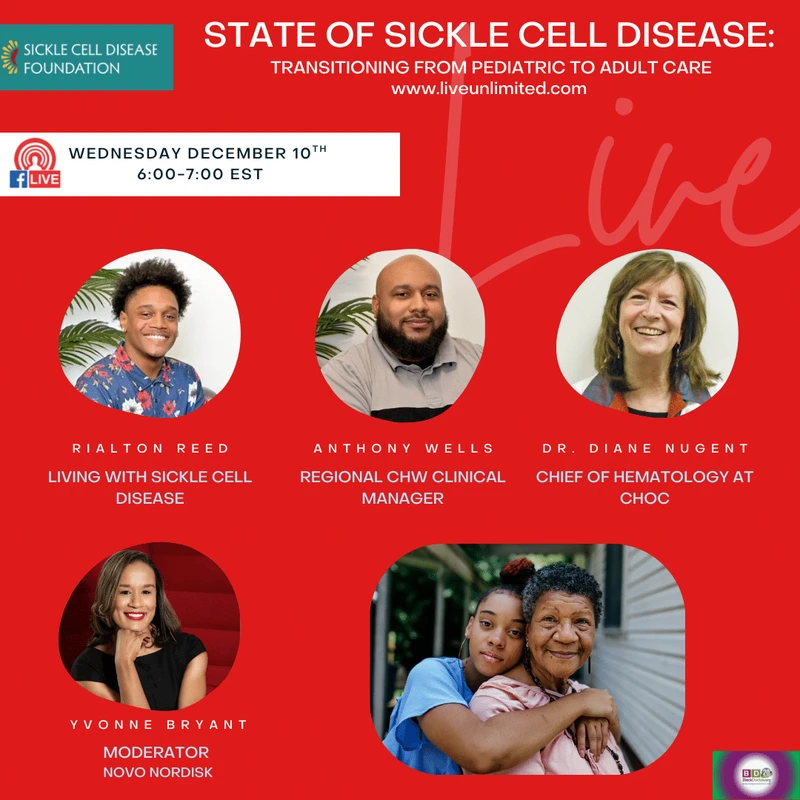
    Living with a chronic condition like Sickle Cell Disease (SCD) presents unique challenges, especially when transitioning from pediatric care to navigating adult life. Rialton Reid, who has lived with SCD his entire life, shares his personal journey, highlighting the importance of open communication, community support, and self-advocacy in managing this complex genetic blood disorder.

    Early Life and Open Communication

    Sickle Cell Disease can affect the body in various ways, leading to complications like organ damage, muscle issues, bone deterioration, stroke risk, and blood clots. While Rialton was fortunate to avoid some of the more severe complications, he experienced significant hospitalizations at ages six, 14, and 19 due to pneumonia, the flu, and a fungal lung infection, all requiring blood transfusions. Despite these hurdles, Rialton learned early on the power of open communication about his condition.

    He found comfort in sharing his diagnosis with friends, teachers, and peers, emphasizing that his condition didn’t define his capabilities. “Hey, this is what I’m going through, but I can still do everything anybody else can do,” he explained. This proactive approach helped him combat the isolation that can sometimes accompany SCD, preventing others from viewing him as overly needy or different.

    Finding Community and Essential Skills

    A pivotal moment in Rialton’s journey was connecting with the Sickle Cell Disease Foundation at age 12. Attending Camp Crescent Moon exposed him to a supportive community of peers who understood his experiences. Later, the teen transition program SC Crew equipped him with crucial skills for self-management as he prepared for adulthood.

    • **Understanding Triggers:** Learning that stress and anxiety can precipitate a sickle cell crisis.
    • **Treatment Plan Compliance:** Developing a partnership with doctors and advocating for a personalized treatment plan.
    • **Managing Complications:** Gaining knowledge about specific issues like priapism, a common crisis for males with SCD.
    • **Life Skills:** Acquiring essential skills such as job applications and navigating conversations about family planning.
    • **Exercise and Breathing:** Practicing techniques to manage exertion and ensure proper oxygen flow.

    Rialton credits SC Crew with teaching him not only how to manage his SCD but also practical life skills, emphasizing, “everything from how to manage my sickle cell, to how to fill out a job application, to how to actually make sure I’m well, medically wise.”

    Navigating the Emergency Room

    The emergency room can be a challenging environment for individuals with SCD due to potential biases and a lack of awareness among healthcare providers, sometimes leading to patients being mislabeled as “drug seekers.” Rialton advises preparedness when seeking ER care.

    1. **Come Prepared:** Keep essential medical information readily accessible, including diagnosis, medications, recent lab results, and hospitalization history.
    2. **Understand Triage Levels:** Know that sickle cell patients typically qualify for a Level 3 triage, but symptoms like chest pain should warrant immediate Level 5 attention.
    3. **Know Your Baseline:** Understand your personal hemoglobin levels to prevent unnecessary transfusions and potential iron overload. For Rialton, his baseline is between 9-10, meaning a drop to 7 or 8 might not require immediate transfusion.

    He also suggests bringing distractions to help manage pain during ER visits. Rialton’s own experience highlights the importance of knowing your body and advocating for appropriate care, even when facing potential bias.

    Family Support and Advice for Caregivers

    Rialton deeply credits his family, particularly his mother, for fostering his independence and resilience. She played a crucial role in teaching him essential life skills, from managing medications to communicating effectively with doctors. His brothers also provide invaluable support, offering a listening ear even when they may not fully grasp the complexities of SCD.

    For caregivers, Rialton emphasizes the importance of asking questions, being an advocate during crises, checking in regularly, and simply listening. He also stresses the need for collaboration between patients and healthcare providers, stating, “Doctors should be more willing to listen to the people with sickle cell disease…we should actually be working together…to come to the best plan possible.”

    The Sickle Cell Disease Foundation: A Vital Resource

    The Sickle Cell Disease Foundation actively combats the misconception that SCD is rare, offering critical services in California, including the SC Crew teen transition program, Warrior Circle for adult support, Camp Crescent Moon, appointment assistance, and social services like a food pantry and utility support. Their Holiday Giving Program also provides gifts and food to families in need.

    Rialton Reid’s story is a powerful testament to resilience and the importance of community. Join the “State of Sickle Cell Disease: Transition from Pediatric to Adult Care” Facebook Live event on December 10th at 6 PM EST to hear more inspiring journeys. What are your thoughts on navigating chronic illness? Share your experiences in the comments below!

  • Empowering Kids with Sickle Cell Disease

    As a parent of a child with sickle cell disease (SCD), the constant “what ifs” can be overwhelming. My nine-year-old daughter, who lives with SCD, recently experienced a situation at school that highlighted the critical need for her to become her own health advocate. It’s a lesson that can literally be a matter of life or death.

    An Incident at School Sparks a New Approach

    Despite having informed the school staff multiple times about my daughter’s condition, her teacher dismissed her report of arm pain—an early indicator of an oncoming sickle cell crisis. The teacher did not send her to the nurse or notify me. Later that day, my daughter experienced a three-day crisis. This incident underscored that while she’s attuned to her body’s signals, she needs direct strategies to ensure her pain is taken seriously.

    Sickle cell disease causes red blood cells to become C-shaped, leading to blockages in blood vessels and severe pain. Untreated crises can result in serious complications like stroke, acute chest syndrome, severe infections, leg ulcers, chronic pain, and organ damage.

    Teaching Direct Communication and Assertiveness

    My daughter is naturally quiet and introverted, preferring calm environments and avoiding confrontation. This personality trait meant she didn’t push back when her pain was dismissed. To empower her, I’ve focused on teaching her direct, assertive communication skills through role-playing. The goal is to equip her with simple, clear phrases she can use with teachers and other adults.

    • “I have sickle cell disease, and I am in pain.”
    • “I’m in pain, I need to go to the nurse immediately.”
    • “My body feels weak.”
    • “I feel dehydrated, I need a water and rest break.”
    • “I don’t feel well, my chest hurts.”
    • “I need to rest because I feel faint/dizzy.”
    • “I’d like to see the nurse to be sure I’m ok.”
    • “I am in extreme pain and my parents should be made aware. Can I please go to the nurse?”

    Using straightforward language and specific symptom descriptions helps capture an adult’s attention more effectively. I’m also teaching her actionable advocacy tips: communicate clearly and assertively, ask for help, and establish boundaries.

    Building Confidence and Independence

    It’s crucial for her to understand that teachers and school staff are there to support her. Setting boundaries is particularly important, as stress, physical activity, and certain environments can trigger a crisis. As she grows, I’m emphasizing that confidence is key to her independence and her ability to advocate for herself.

    To reinforce these lessons, my daughter starts each school day with affirmations designed to build her self-esteem and assertiveness: “I am brave.” “My voice matters.” “I can ask for help when I need it.” “I am cared for.” “I am strong.” “I can do hard things.” “I am proud of who I am.”

    What strategies have you used to help your child advocate for their health needs? Share your experiences and tips in the comments below!

  • Sickle Cell, Infertility, and the Fight for Reproductive Justice

    Imagine wanting a large family, dreaming of six children, but facing a reality where that dream might be impossible due to a chronic illness. This is the heartbreaking situation for Teonna Woolford, a 31-year-old Baltimore resident living with sickle cell disease. Her story shines a harsh light on the intersection of chronic illness, reproductive health, and the systemic inequities that disproportionately affect Black patients.

    The Devastating Impact of Sickle Cell Disease

    Sickle cell disease, a genetic disorder affecting an estimated 100,000 people in the U.S. (the vast majority of whom are Black), causes red blood cells to become misshapen. This leads to severe pain, organ damage, strokes, and frequent hospitalizations. By age 15, Woolford had already undergone hip replacements due to joint damage, and her liver was failing. She often felt defeated by the constant battle with her health.

    The disease’s impact extends beyond physical pain. Woolford learned that treatments for sickle cell disease, including chemotherapy required for a bone marrow transplant, could significantly impair or eliminate fertility. This news was devastating for someone who envisioned a large family.

    A Doctor’s Cruel Response and Financial Barriers

    When Woolford expressed her concerns about fertility to her doctor before undergoing a bone marrow transplant, his response was crushing. He suggested she shouldn’t worry about treatment-induced infertility because she was “probably already infertile” due to her existing complications. This dismissive attitude highlights a broader issue: the lack of comprehensive reproductive health discussions for young sickle cell patients.

    Even if she wanted to preserve her fertility through egg freezing, the cost was prohibitive. At 19, she learned it could cost over $10,000, a sum her insurance wouldn’t cover. Her search for financial assistance revealed that grants were primarily available for cancer patients, not those with sickle cell disease, despite undergoing similar chemotherapy treatments.

    The Reality of Fertility and Sickle Cell

    Dr. Leena Nahata, a pediatric endocrinologist, explains that sickle cell disease itself can affect fertility. In women, chronic inflammation and sickling in the ovaries can make conception difficult. In men, it can lead to priapism and decreased sperm count. Furthermore, the chemotherapy used in treatments like bone marrow transplants poses a significant risk to fertility.

    A small study co-authored by Nahata revealed that many patients are unaware of these fertility risks. Unlike cancer patients, who often have established pathways and financial support for fertility preservation, sickle cell patients frequently face a stark choice: treatment or fertility. This disparity is rooted in a legacy of systemic racism, where sickle cell disease, often labeled a “Black disease,” has historically received less funding and attention.

    • Sickle cell disease affects an estimated 100,000 people in the U.S., primarily Black individuals.
    • Treatments like chemotherapy can impair fertility.
    • Fertility preservation costs are often financially out of reach for sickle cell patients.
    • Lack of clear clinical guidelines and financial support for fertility preservation compared to cancer patients.
    • Systemic racism contributes to health inequities in sickle cell care.

    Woolford ultimately underwent the transplant without preserving her eggs, feeling that a potential cure was a fair trade-off for her dream of biological children. Unfortunately, the partial-match transplant failed, leaving her with sickle cell disease and infertility. She reflects grimly that if she had cancer, her chances of preserving fertility might have been much higher.

    Advocating for Change

    Despite the personal pain, Woolford has channeled her experience into advocacy. She founded the Sickle Cell Reproductive Health Education Directive, a nonprofit aimed at raising awareness about fertility issues among patients and medical professionals. Her future goal is to establish financial grants to help sickle cell patients afford fertility preservation and treatments.

    Her work is a powerful fight for reproductive justice, pushing for a future where patients with sickle cell disease have the same access to fertility preservation options as those battling cancer. It’s a fight for the right to make informed choices about one’s body and future family, regardless of the disease they face.

    Teonna Woolford’s story is a call to action. What are your thoughts on the disparities in healthcare access for sickle cell patients? Share your perspective in the comments below.

  • Is Charcoal Toothpaste Safe for Your Teeth?

    You’ve probably seen it everywhere – charcoal toothpaste promising a brighter smile. While its popularity has surged, dentists are raising concerns about its safety and effectiveness. The American Dental Association (ADA) hasn’t even given it their Seal of Acceptance, which should be a red flag for anyone considering this trendy dental product.

    What Exactly is Charcoal Toothpaste?

    This toothpaste contains activated charcoal, a substance created by heating carbon-rich materials like coconut shells or wood to extreme temperatures. This process creates tiny pores that increase its surface area, making it highly absorbent – which is why activated charcoal is used medically to absorb toxins. The idea behind adding it to toothpaste is that it will absorb the liquids causing stains, thereby whitening your teeth.

    The Pros and Cons: Is It Worth It?

    While some users report benefits like removing surface stains, improving bad breath, and reducing future staining, the potential downsides are significant. Charcoal toothpaste is highly abrasive. Frequent use can wear down your tooth enamel, ironically making your teeth appear more yellow and increasing sensitivity. For older individuals, it can even stain existing dental work like fillings, veneers, and crowns.

    Perhaps the most concerning aspect is that many charcoal toothpastes lack fluoride. Fluoride is crucial for preventing cavities and tooth decay, a fact especially important for individuals with sickle cell disease. Studies show that people with sickle cell disease are more prone to dental issues, including enamel deformities and increased cavities, making fluoride protection essential.

    Safer Alternatives for Whiter Teeth

    The good news is you don’t need charcoal toothpaste to achieve a whiter smile. Consider trying oil pulling, where you swish oil (like coconut oil) in your mouth for 15-20 minutes daily to remove bacteria and plaque. This method is safe for your enamel and can help prevent discoloration.

    Brushing with baking soda is another effective option. It’s a mild abrasive that removes surface stains, alkalizes your mouth to combat decay-causing bacteria, and can reduce plaque and gum inflammation. You can use it on its own as a paste or find toothpastes that already include it.

    Hydrogen peroxide, a known bleaching agent, can also help whiten teeth and kill bacteria. Many commercial whitening products contain it. However, use it cautiously—rinsing with a solution no stronger than three percent after brushing can be effective, but higher concentrations can irritate gums and increase sensitivity.

    Prevention is Key

    Ultimately, the best approach to stain prevention is consistent oral hygiene. Regular brushing and flossing remove plaque buildup, and routine dental cleanings are essential. Be mindful of foods and drinks known to stain teeth, such as coffee, red wine, soda, dark berries, and certain teas. Reducing consumption or using a straw can help, and brushing about an hour after enjoying these items is recommended. Quitting smoking and chewing tobacco is also crucial for preventing stains and maintaining overall oral health.

    While charcoal toothpaste might seem like a quick fix for a brighter smile, the potential risks, especially the abrasive nature and lack of fluoride, make it a questionable choice for many. Individuals with pre-existing dental concerns, like those with sickle cell disease, are better off exploring safer, dentist-approved methods for teeth whitening.

    What are your thoughts on charcoal toothpaste? Have you tried it, or do you prefer other whitening methods? Share your experiences and opinions in the comments below!