The federal government shutdown has now dragged on for a staggering 40 days, and the end is still not in sight. Senators are dedicating their weekend to intense negotiations, hoping to break the deadlock that’s causing widespread disruption across the nation. From flight delays to threats to vital food assistance programs, the impact is being felt by millions.
A Crucial Weekend for Progress
Despite the urgency, the Senate has shown minimal signs of significant progress over the weekend. Republican leaders are pushing for votes on legislation that would reopen the government and approve full-year funding for several government sectors. However, securing the necessary Democratic support remains a major hurdle.
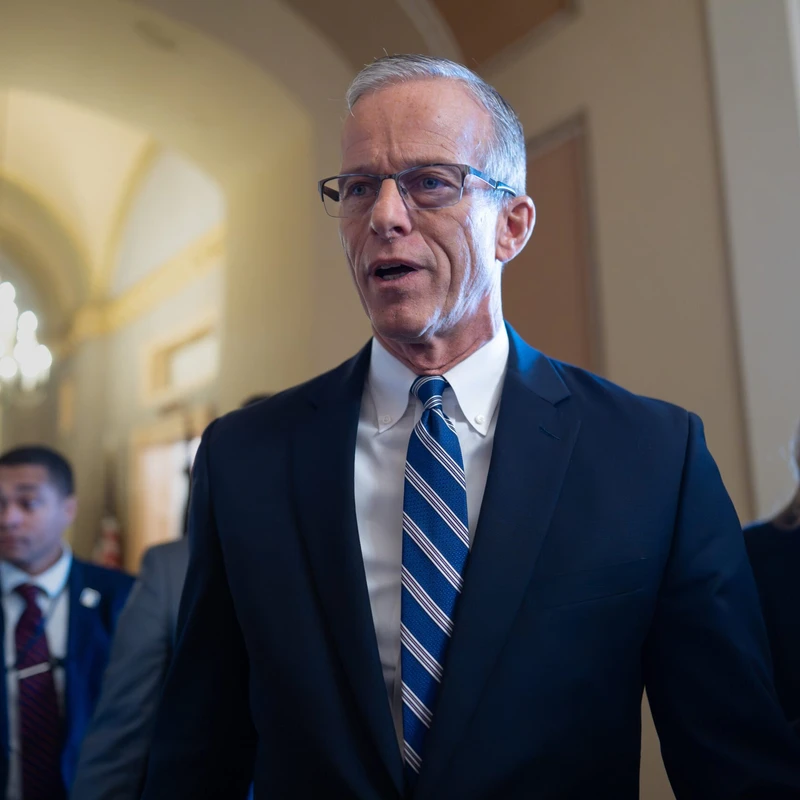
Senate Majority Leader John Thune (R-S.D.) expressed optimism on Saturday, stating, “We’re only a handful of votes away” from passing legislation to reopen the government. Yet, the path forward is complicated by differing priorities, particularly concerning healthcare subsidies.
Healthcare Subsidies: The Key Sticking Point
Democrats are strongly advocating for an extension of subsidies for health plans offered through the Affordable Care Act (ACA) marketplace. Republicans have initially rejected this, but a proposal from a group of moderate Democrats is gaining traction. This emerging plan suggests ending the shutdown in exchange for a later vote on the ACA subsidies, which help make coverage more affordable.
The stakes are high: if these enhanced subsidies lapse, premiums on average are projected to more than double next year for those enrolled in ACA health exchanges. Sen. Bernie Sanders (I-Vt.) called the promise of a future vote a “wasteful gesture” unless there’s a firm commitment from the House Speaker and the President to support it.
President Trump’s Stance and Senate Dynamics
President Donald Trump has made it clear he’s not inclined to compromise easily. He recently urged Republicans to abolish the Senate’s filibuster rules, which require 60 votes to advance most legislation. However, some Republicans, like Sen. James Lankford (R-Okla.), defend the filibuster, arguing it ensures bipartisan dialogue.
Meanwhile, moderate senators from both parties continue to negotiate. Discussions involve bills to fund essential parts of the government, such as food aid and veterans programs, while extending funding for other areas into December or January. The crucial element remains the promise of a future healthcare vote, though its guaranteed passage is uncertain.
A Difficult Choice for Democrats
As a test vote on new legislation looms, Democrats face a critical decision. Do they continue to push for a comprehensive deal on healthcare subsidies, thereby prolonging the shutdown’s impact? Or do they vote to reopen the government, relying on Republican promises of an eventual healthcare vote with no guaranteed outcome?
Senate Democratic Leader Chuck Schumer insists that Republicans must agree to a one-year extension of the subsidies before further negotiations. He warned that “Doing nothing is derelict because people will go bankrupt, people will lose insurance, people will get sicker.” The coming days will be pivotal in determining whether a resolution can be reached.
What do you think is the best path forward to end the government shutdown? Share your opinions in the comments below!
Leave a Reply