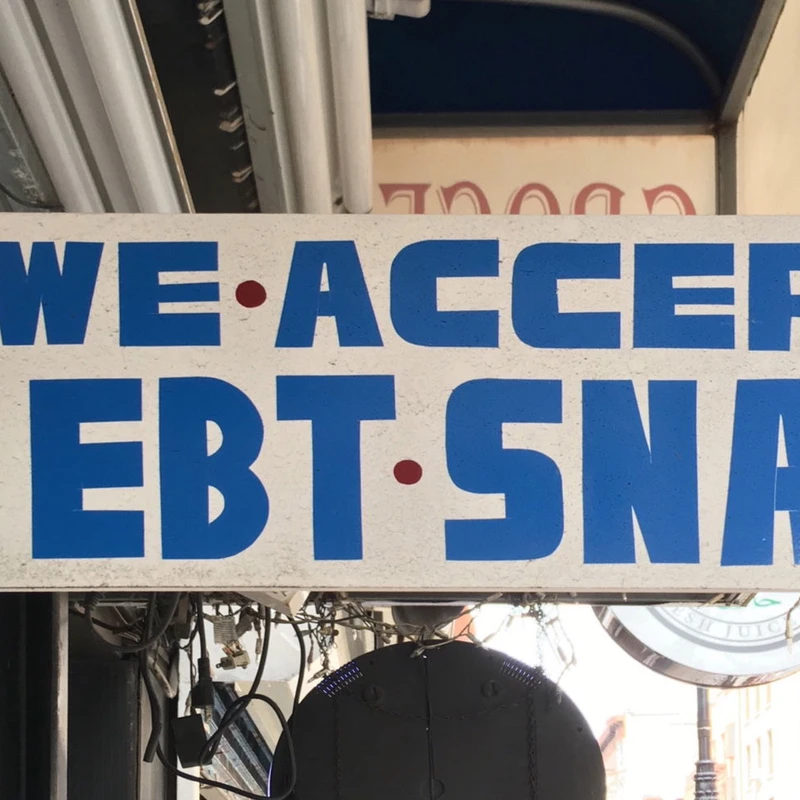
Millions of Americans relying on SNAP benefits are facing uncertainty as the Trump administration appeals a federal judge’s order to provide full November payments. While recipients will now receive 65% of their expected benefits, up from the initially planned 50%, the situation remains fluid amid the longest government shutdown in U.S. history.
Shifting Benefit Allotments Amidst Legal Battles
On November 5th, a U.S. Department of Agriculture (USDA) official indicated that maximum allotments for SNAP recipients would be reduced by 35% for the month, meaning beneficiaries would receive up to 65% of their benefits. This update came after the agency initially notified states of a 50% reduction. However, the Trump administration has filed an emergency request with the First Circuit Court of Appeals, challenging a November 6th order from a federal judge in Rhode Island. The judge had mandated that the USDA use contingency funds to cover the full SNAP benefit gap.
The Justice Department, representing the USDA, argued that the federal judge exceeded his authority. They contend that the decision “thrust[s] the Judiciary into the ongoing shutdown negotiations” and potentially worsens the situation by interfering with appropriations. The DOJ’s filing stated, “Courts hold neither the power to appropriate nor the power to spend,” and questioned the lawful basis for an order demanding the USDA “find $4 billion in the metaphorical couch cushions.”
The Government Shutdown’s Impact on SNAP
The ongoing government shutdown, which began on October 1st, has created significant funding challenges for essential programs like SNAP. Late last month, the administration had warned states about potential delays in November payments. Following a lawsuit filed by a coalition of municipalities and nonprofits, a federal judge in Rhode Island intervened, ordering the USDA to utilize a contingency fund to ensure full benefit payments.
Despite the judge’s order, the administration’s appeal means the situation remains uncertain. The USDA has since provided guidance for states to issue partial November benefits, but the legal dispute continues. Nearly 42 million Americans depend on food stamps, and the staggered schedule of payments means that states are processing these partial benefits at different rates, with some recipients potentially waiting longer for assistance.
What are your thoughts on the ongoing legal battle over SNAP benefits? How do government shutdowns impact essential programs? Share your views in the comments below!
Leave a Reply