Tag: Friday newsletter 4 archives

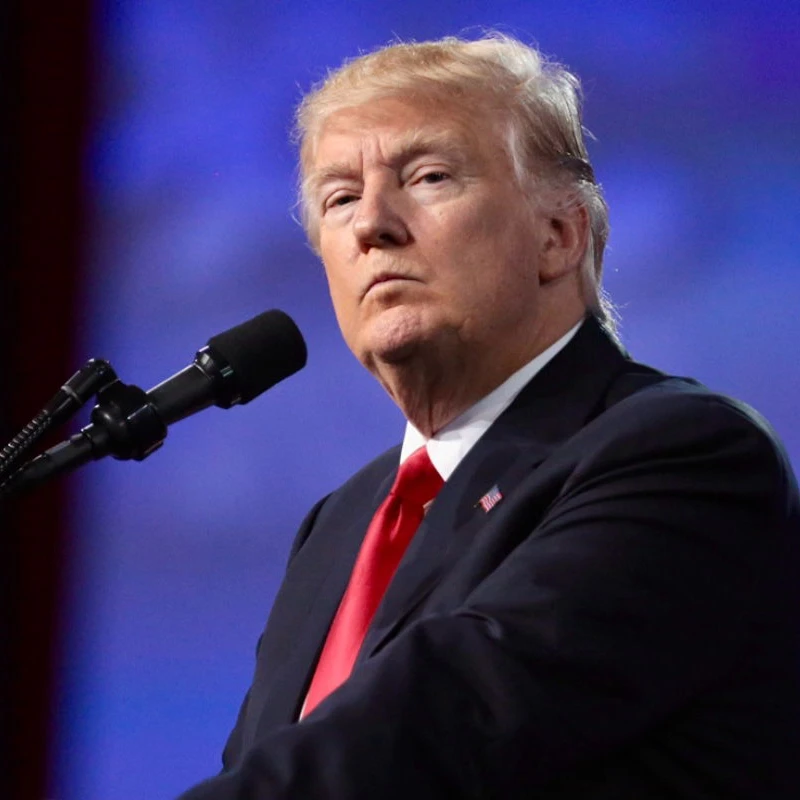
  • Trump: Americans’ Finances Not My Concern

    In a statement that’s raising eyebrows, President Donald Trump has declared that Americans’ financial struggles are not on his radar. This comes at a time when inflation is climbing and Black households, in particular, are reporting increasing economic pressure across the country.

    Focus on Foreign Policy, Not Finances?

    During recent comments regarding the U.S. conflict with Iran, Trump told reporters that his administration’s focus is on military and diplomatic efforts abroad. When asked about the economic impact on Americans, he stated he wasn’t considering it ‘even a little bit.’ His exact words were, ‘I don’t think about Americans’ financial situation. I don’t think about anybody.’

    This statement comes on the heels of new federal data revealing that inflation rose 3.8% in April compared to the previous year, marking the highest increase in three years. The rising costs of essentials like gas, food, and housing are significantly impacting household budgets nationwide.

    Disproportionate Impact on Black Households

    The economic strain is hitting Black Americans particularly hard. Analysts and advocacy groups point to long-standing wealth and wage gaps that exacerbate the effects of rising living costs. The U.S. Department of Labor reported that Black unemployment recently climbed to 7.3%, remaining near pandemic-era recovery levels.

    Civil rights organizations are sounding the alarm, arguing that the increasing cost of living is worsening existing economic inequalities within Black communities. This situation makes the President’s comments about not considering financial situations even more concerning for these demographics.

    Criticism from Political Leaders

    Political figures have been quick to criticize Trump’s stance. Hakeem Jeffries, the Democratic leader in the U.S. House of Representatives, accused the administration of ignoring the financial realities faced by working-class Americans. He told The Grio, ‘The reckless Republican war of choice in Iran is crushing the financial situation of the American people. Donald Trump just made clear he doesn’t give a damn.’

    NAACP President Derrick Johnson echoed these sentiments, directly blaming Trump for the rising consumer costs and financial strain. Johnson stated, ‘Life is getting more and more unaffordable every single day, and you bet that all of us will send Donald Trump a clear message in November when we head to the polls.’

    How do President Trump’s comments about American finances sit with you, especially with rising inflation? Share your thoughts in the comments below!
  • Afrika Bambaataa’s Death Sparks Mixed Reactions Over Legacy

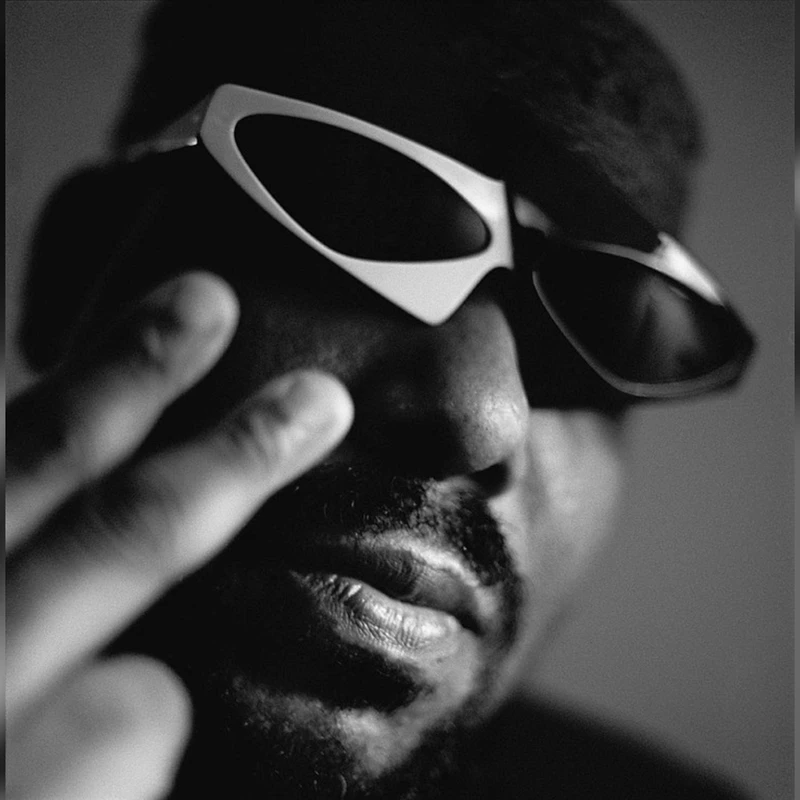
    The news of Afrika Bambaataa’s death at age 67 has sent ripples through the music world, eliciting a complex mix of reactions. While many acknowledge his undeniable contributions to the birth and evolution of hip-hop, his passing has also brought renewed attention to decades-old allegations of sexual abuse.

    A Complex Legacy

    Bambaataa, born Lance Taylor in 1957, was a true pioneer. He rose from the South Bronx block parties of the 1970s, co-founding the Universal Zulu Nation and shaping hip-hop’s core principles. His 1982 hit “Planet Rock” is widely considered a landmark track that defined the genre’s early sound.

    However, Bambaataa’s legacy is deeply complicated by numerous allegations of sexual abuse involving young boys, primarily dating back to the 1980s and ’90s. These accusations resurfaced significantly in 2016 and led to him stepping down from his leadership role in the Universal Zulu Nation. In 2025, a default judgment was issued against him in a lawsuit filed by an anonymous accuser.

    Social Media Reactions and Accountability

    News of his death, attributed to cancer complications, quickly spread across social media. While some outlets and organizations, like the Hip Hop Alliance, issued statements acknowledging his foundational role in hip-hop, they also noted the “complex” nature of his legacy without detailing the abuse allegations. This approach drew criticism from many users.

    On platforms like X (formerly Twitter), users were quick to highlight the accusations. Journalist Philip Lewis shared the news, prompting responses that directly addressed the abuse claims. Many expressed hope that survivors could find healing, with some users referencing Hassan Campbell, a prominent YouTuber and former Universal Zulu Nation member who has publicly accused Bambaataa of abuse.

    A Difficult Conversation

    For some, the allegations of sexual abuse were not widely known until the news of his death prompted discussion. This highlights a broader challenge within the culture: how to reconcile the artistic contributions of figures with deeply troubling personal histories. The Hip Hop Alliance’s statement attempted to navigate this by stating the importance of holding space for all voices while protecting the community.

    Afrika Bambaataa’s passing forces a difficult but necessary conversation about accountability, the impact of abuse, and how we remember complex figures in cultural history. His musical innovations are a permanent part of hip-hop’s foundation, but the shadow of the abuse allegations cannot be ignored.

    How do you reconcile Afrika Bambaataa’s musical legacy with the serious allegations against him? Share your thoughts and perspectives in the comments below.

  • SNAP Benefits Drop to 65% Amid Appeal

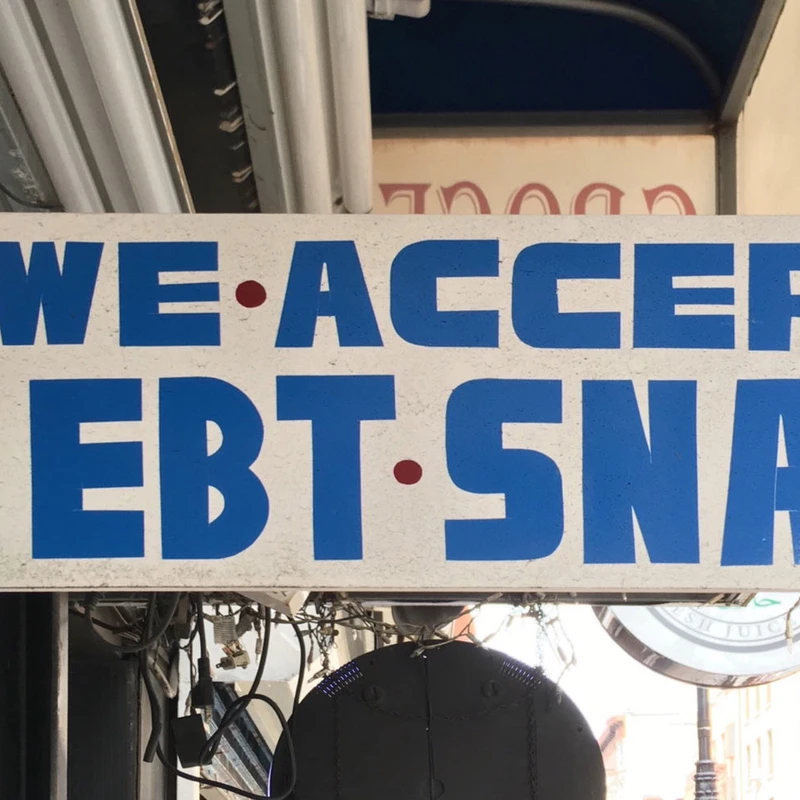
    Millions of Americans relying on SNAP benefits are facing uncertainty as the Trump administration appeals a federal judge’s order to provide full November payments. While recipients will now receive 65% of their expected benefits, up from the initially planned 50%, the situation remains fluid amid the longest government shutdown in U.S. history.

    Shifting Benefit Allotments Amidst Legal Battles

    On November 5th, a U.S. Department of Agriculture (USDA) official indicated that maximum allotments for SNAP recipients would be reduced by 35% for the month, meaning beneficiaries would receive up to 65% of their benefits. This update came after the agency initially notified states of a 50% reduction. However, the Trump administration has filed an emergency request with the First Circuit Court of Appeals, challenging a November 6th order from a federal judge in Rhode Island. The judge had mandated that the USDA use contingency funds to cover the full SNAP benefit gap.

    The Justice Department, representing the USDA, argued that the federal judge exceeded his authority. They contend that the decision “thrust[s] the Judiciary into the ongoing shutdown negotiations” and potentially worsens the situation by interfering with appropriations. The DOJ’s filing stated, “Courts hold neither the power to appropriate nor the power to spend,” and questioned the lawful basis for an order demanding the USDA “find $4 billion in the metaphorical couch cushions.”

    The Government Shutdown’s Impact on SNAP

    The ongoing government shutdown, which began on October 1st, has created significant funding challenges for essential programs like SNAP. Late last month, the administration had warned states about potential delays in November payments. Following a lawsuit filed by a coalition of municipalities and nonprofits, a federal judge in Rhode Island intervened, ordering the USDA to utilize a contingency fund to ensure full benefit payments.

    Despite the judge’s order, the administration’s appeal means the situation remains uncertain. The USDA has since provided guidance for states to issue partial November benefits, but the legal dispute continues. Nearly 42 million Americans depend on food stamps, and the staggered schedule of payments means that states are processing these partial benefits at different rates, with some recipients potentially waiting longer for assistance.

    What are your thoughts on the ongoing legal battle over SNAP benefits? How do government shutdowns impact essential programs? Share your views in the comments below!