Tag: Newsletter 4

  • Beasley Media & MBBA Unite for Detroit Businesses

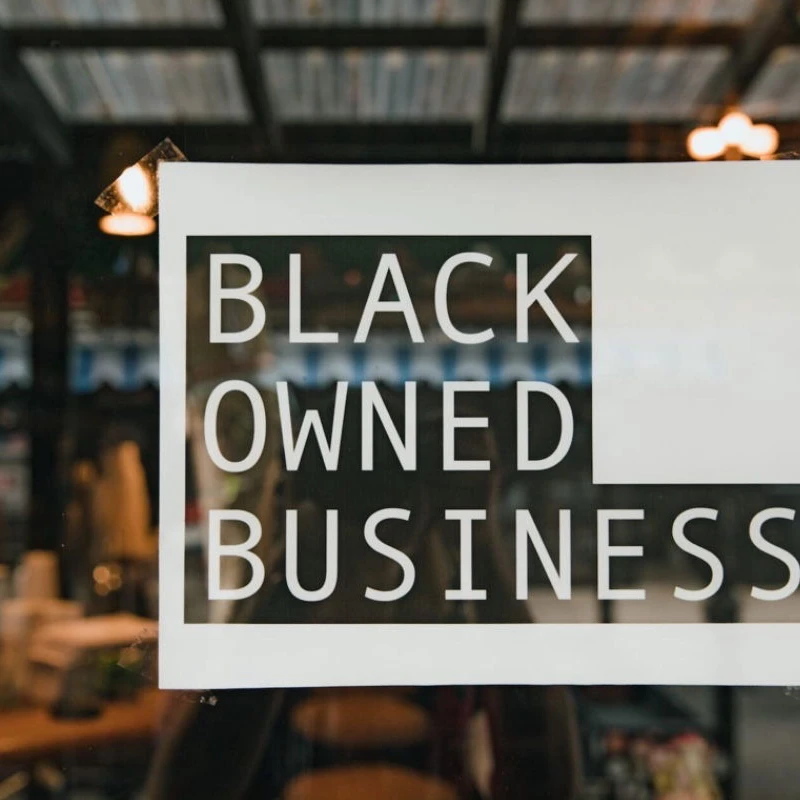
    Beasley Media Group is stepping up its community engagement in Detroit with an exciting new partnership alongside the Michigan Black Business Alliance (MBBA). This collaboration is all about championing Black-owned businesses and fostering greater economic opportunities throughout Southeast Michigan.

    Announced on May 7th, this initiative seamlessly integrates Beasley’s Detroit radio stations—105.9 KISS-FM, 105.1 The Bounce, and Detroit Praise—with the MBBA’s crucial advocacy and business development programs. The goal is clear: to support local entrepreneurs, connect residents with vital business resources, and enhance community-focused initiatives across the region.

    Amplifying Voices Through Media

    Beasley Media Group plans to leverage its extensive radio, digital, and promotional platforms to shine a spotlight on MBBA’s programs. This includes featuring Black-owned businesses and launching targeted campaigns focused on economic empowerment and community outreach. Executives believe this effort will significantly increase visibility for entrepreneurs and organizations dedicated to closing economic gaps in Detroit.

    Matt Scarano, vice president and market manager for Beasley Media Group Detroit, emphasized the partnership’s core mission. “This partnership is about using the strength of our platforms to elevate voices, create opportunity, and support the communities we serve,” Scarano stated. “We’re proud to work alongside the Michigan Black Business Alliance to help shine a light on the incredible work being done across Detroit and to make a lasting impact.”

    Strengthening the Mission for Economic Equity

    Charity Dean, CEO of the MBBA, expressed enthusiasm for the collaboration, noting its potential to expand the organization’s reach and bolster its mission. “We are excited to partner with Beasley Media Group to further our mission of advancing economic equity and supporting Black-owned businesses,” she remarked.

    Founded in 2021, the MBBA is dedicated to reducing the racial wealth gap through policy advocacy and programs that foster sustainable Black entrepreneurship and access to economic opportunities statewide. This partnership arrives at a crucial time, as Detroit continues its important conversations about fair economic growth and investment within its Black business communities.

    Building Stronger Community Connections

    Through this new media partnership, both Beasley Media Group and the MBBA are hopeful about forging stronger community ties. They aim to showcase the innovation, resilience, and entrepreneurial spirit thriving within Detroit’s local businesses, creating a lasting positive impact.

    What are your thoughts on this collaboration? How else can media and community organizations work together to support local businesses? Share your ideas in the comments below!
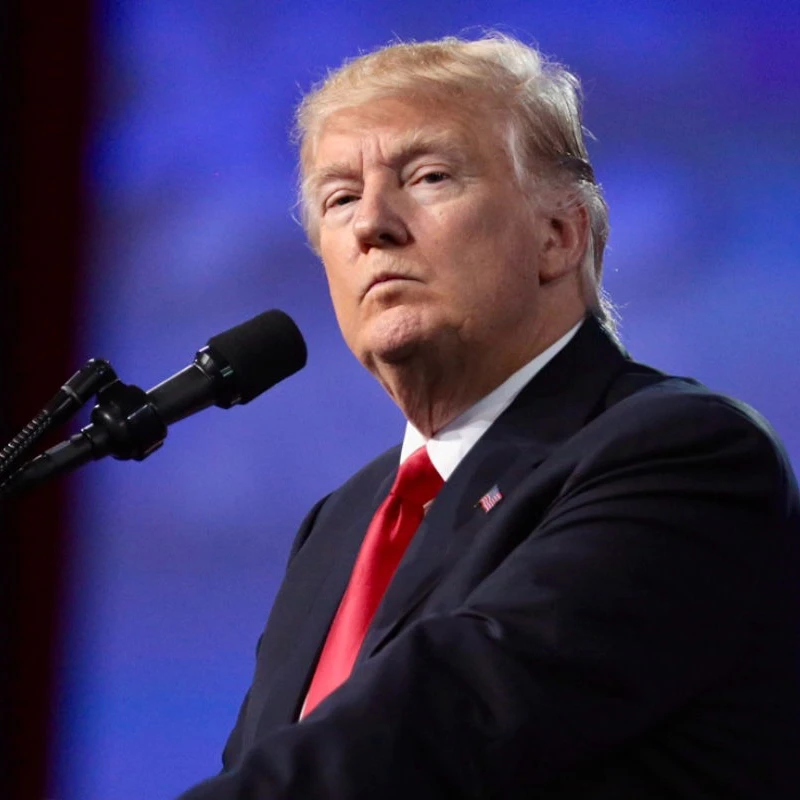
  • Trump: Americans’ Finances Not My Concern

    In a statement that’s raising eyebrows, President Donald Trump has declared that Americans’ financial struggles are not on his radar. This comes at a time when inflation is climbing and Black households, in particular, are reporting increasing economic pressure across the country.

    Focus on Foreign Policy, Not Finances?

    During recent comments regarding the U.S. conflict with Iran, Trump told reporters that his administration’s focus is on military and diplomatic efforts abroad. When asked about the economic impact on Americans, he stated he wasn’t considering it ‘even a little bit.’ His exact words were, ‘I don’t think about Americans’ financial situation. I don’t think about anybody.’

    This statement comes on the heels of new federal data revealing that inflation rose 3.8% in April compared to the previous year, marking the highest increase in three years. The rising costs of essentials like gas, food, and housing are significantly impacting household budgets nationwide.

    Disproportionate Impact on Black Households

    The economic strain is hitting Black Americans particularly hard. Analysts and advocacy groups point to long-standing wealth and wage gaps that exacerbate the effects of rising living costs. The U.S. Department of Labor reported that Black unemployment recently climbed to 7.3%, remaining near pandemic-era recovery levels.

    Civil rights organizations are sounding the alarm, arguing that the increasing cost of living is worsening existing economic inequalities within Black communities. This situation makes the President’s comments about not considering financial situations even more concerning for these demographics.

    Criticism from Political Leaders

    Political figures have been quick to criticize Trump’s stance. Hakeem Jeffries, the Democratic leader in the U.S. House of Representatives, accused the administration of ignoring the financial realities faced by working-class Americans. He told The Grio, ‘The reckless Republican war of choice in Iran is crushing the financial situation of the American people. Donald Trump just made clear he doesn’t give a damn.’

    NAACP President Derrick Johnson echoed these sentiments, directly blaming Trump for the rising consumer costs and financial strain. Johnson stated, ‘Life is getting more and more unaffordable every single day, and you bet that all of us will send Donald Trump a clear message in November when we head to the polls.’

    How do President Trump’s comments about American finances sit with you, especially with rising inflation? Share your thoughts in the comments below!

  • Afrika Bambaataa’s Death Sparks Mixed Reactions Over Legacy

    The news of Afrika Bambaataa’s death at age 67 has sent ripples through the music world, eliciting a complex mix of reactions. While many acknowledge his undeniable contributions to the birth and evolution of hip-hop, his passing has also brought renewed attention to decades-old allegations of sexual abuse.

    A Complex Legacy

    Bambaataa, born Lance Taylor in 1957, was a true pioneer. He rose from the South Bronx block parties of the 1970s, co-founding the Universal Zulu Nation and shaping hip-hop’s core principles. His 1982 hit “Planet Rock” is widely considered a landmark track that defined the genre’s early sound.

    However, Bambaataa’s legacy is deeply complicated by numerous allegations of sexual abuse involving young boys, primarily dating back to the 1980s and ’90s. These accusations resurfaced significantly in 2016 and led to him stepping down from his leadership role in the Universal Zulu Nation. In 2025, a default judgment was issued against him in a lawsuit filed by an anonymous accuser.

    Social Media Reactions and Accountability

    News of his death, attributed to cancer complications, quickly spread across social media. While some outlets and organizations, like the Hip Hop Alliance, issued statements acknowledging his foundational role in hip-hop, they also noted the “complex” nature of his legacy without detailing the abuse allegations. This approach drew criticism from many users.

    On platforms like X (formerly Twitter), users were quick to highlight the accusations. Journalist Philip Lewis shared the news, prompting responses that directly addressed the abuse claims. Many expressed hope that survivors could find healing, with some users referencing Hassan Campbell, a prominent YouTuber and former Universal Zulu Nation member who has publicly accused Bambaataa of abuse.

    A Difficult Conversation

    For some, the allegations of sexual abuse were not widely known until the news of his death prompted discussion. This highlights a broader challenge within the culture: how to reconcile the artistic contributions of figures with deeply troubling personal histories. The Hip Hop Alliance’s statement attempted to navigate this by stating the importance of holding space for all voices while protecting the community.

    Afrika Bambaataa’s passing forces a difficult but necessary conversation about accountability, the impact of abuse, and how we remember complex figures in cultural history. His musical innovations are a permanent part of hip-hop’s foundation, but the shadow of the abuse allegations cannot be ignored.

    How do you reconcile Afrika Bambaataa’s musical legacy with the serious allegations against him? Share your thoughts and perspectives in the comments below.

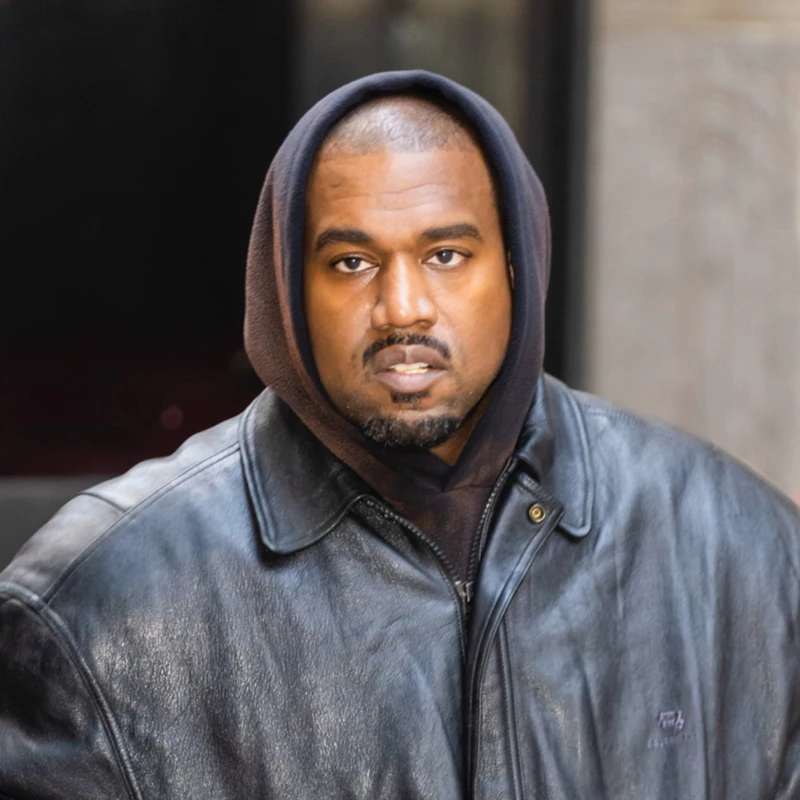
  • Ye Denied UK Entry Over Antisemitic Remarks

    Ye, the artist formerly known as Kanye West, has been barred from entering the United Kingdom, effectively canceling his highly anticipated headlining slot at the Wireless Festival. UK officials cited his past antisemitic remarks as the reason for denying his entry, deeming it “not conducive to the public good.”

    Visa Denial and Festival Cancellation

    The Associated Press reported that Ye’s entrance into the UK was refused due to his history of making antisemitic statements. This news came just months before the Wireless Festival’s scheduled July performance. Festival organizers confirmed that Ye’s visa denial led to the cancellation of his headlining act, leaving them scrambling to find a replacement with only months to go before the event.

    UK Prime Minister Keir Starmer publicly confirmed the denial of authorization on X (formerly Twitter), stating, “Kanye West should never have been invited to headline Wireless. This government stands firmly with the Jewish community, and we will not stop in our fight to confront and defeat the poison of antisemitism. We will always take the action necessary to protect the public…”

    Backlash and Apologies

    News of Ye’s potential performance had already generated significant backlash across the UK. His controversial history includes promoting antisemitic ideals through commentary and songs, such as a track titled “Heil Hitler” accompanied by imagery featuring a swastika. Despite these past actions, Ye has recently issued public apologies to the Jewish community in January, expressing a desire to “turn over a new leaf.”

    He even offered to meet with the UK Jewish community to “listen” to their concerns. However, a prominent UK-based Jewish organization, the Board of Deputies of British Jews, stated they would only meet with Ye if he withdrew from the festival. Phil Rosenberg, the organization’s president, expressed skepticism: “The Jewish community will want to see a genuine remorse and change before believing that the appropriate place to test this sincerity is on the main stage at the Wireless Festival.”

    Festival Organizers’ Stance

    Despite the controversy and the government’s intervention, the festival’s organizers initially defended their decision to include Ye. Melvin Benn, managing director of Festival Republic, stated that the platform would focus solely on his music catalog, not his past opinions. “We are not giving him a platform to extol opinion of whatever nature, only to perform the songs that are currently played on the radio stations in our country and the streaming platforms in our country and listened to and enjoyed by millions,” Benn said.

    However, the government’s decision to deny entry ultimately superseded the festival’s plans. While Ye has faced international disgrace, he has recently returned to performing in the United States, including a show at SoFi Stadium in Los Angeles.

    What are your thoughts on the UK’s decision to ban Ye from entering the country? Do you believe artists should be held accountable for past controversial statements? Share your opinions in the comments below!

  • Bob Law, Radio Activism Pioneer, Dies At 96

    The world of Black radio and activism has lost a towering figure. Bob Law, the influential host of the groundbreaking show ‘Night Talk,’ has died at the age of 96. Law was a pivotal voice who used his platform to shape political discourse and amplify Black voices across the nation.

    A Pioneer of National Black Radio

    In 1981, Bob Law launched ‘Night Talk With Bob Law,’ which became the first live, nationally broadcast Black radio talk show in the United States. For decades, his program served as a crucial sounding board for political issues impacting Black America, attracting politicians eager to connect directly with the community. Law’s work laid the groundwork for future generations of Black radio hosts and activists.

    Before his radio career, Law was deeply involved in racial justice work, serving as a field secretary for the Student Nonviolent Coordinating Committee (SNCC). His transition to radio activism through ‘Night Talk’ solidified his influence, making the show a powerful force in shaping Black political consciousness and elevating emerging leaders.

    Amplifying Voices and Shaping Campaigns

    Law’s impact extended to significant political movements. He played a crucial role in launching Jesse Jackson’s ‘Run Jesse Run’ campaign in 1984. Jackson appeared on ‘Night Talk’ every Tuesday night, and Law recalled the show being a ‘major factor’ in the presidential campaign, demonstrating the show’s power to influence national politics.

    Prominent Black leaders have paid tribute to Law’s legacy. Reverend Al Sharpton shared a heartfelt message on social media, highlighting Law’s pivotal role in launching his own career. ‘Bob Law, a pioneer in National Black Talk radio, has passed away,’ Sharpton wrote. ‘His unparalleled #NightTalk show was the political grapevine of Black America. He was one of a kind, a true representative and voice of Black radio.’

    A Legacy of Community and Consciousness

    Sharpton also credited Law and Hank Spann for introducing him to James Brown and noted his deep, long-standing personal relationship with Law and his wife, Muntu, spanning over 50 years. Law is remembered not only for his activism but also for fostering a sense of national community among Black Americans. In a 2025 interview, Law reflected on the show’s ability to ‘develop that sense of community’ and ‘raise the consciousness of people who listen to us regularly.’

    How did Bob Law’s work influence you or your understanding of Black activism and radio? Share your memories and thoughts in the comments below!

  • NY Cosmetology Schools Must Teach Textured Hair Care

    Say goodbye to the days when cosmetology school curriculum overlooked textured hair! New York State is making a significant move to ensure inclusivity and combat hair discrimination by mandating specific training on kinky, coily, and curly hair care for all aspiring cosmetologists.

    Closing the Gap in Professional Haircare

    This new requirement, detailed in the March 18th New York State Register, addresses a long-standing issue where professional training often marginalized Black and Brown consumers due to a lack of expertise in handling diverse hair textures. The updated legislation ensures that students must demonstrate proficiency with all hair types, from straight to Type 4C coils, to earn their cosmetology license.

    The revised curriculum will include specific instruction on recognizing curl patterns, understanding hair density, and mastering techniques for fragile, highly textured strands. It also emphasizes chemical safety, crucial for treatments like relaxers, perms, and color applications on hair that differs significantly from straight textures.

    Promoting Equity and Dignified Service

    This initiative is a powerful step in enforcing New York’s version of the CROWN Act, signed in 2019, which prohibits hair-based discrimination in workplaces and schools. While the CROWN Act made discriminatory practices illegal, the lack of trained professionals often left individuals with textured hair struggling to find safe, high-quality salon services. By making textured hair training a requirement, New York aims to guarantee that every client can receive professional and respectful care, regardless of their hair type.

    New York isn’t alone in this movement. Pennsylvania recently became the 28th state to enact its own CROWN Act, with overwhelming bipartisan support. Governor Shapiro signed the law in November 2025, emphasizing the importance of protecting individual freedom and identity, stating, “Real freedom means being respected for who you are — no matter what you look like, where you come from, who you love, or who you pray to.”

    A Step Towards a More Inclusive Industry

    These legislative changes signify a broader shift towards greater inclusivity within the beauty industry. By ensuring that future cosmetologists are equipped to handle all hair types with expertise, New York and other states are working to dismantle systemic discrimination and promote a more equitable and dignified experience for all clients.

    What are your thoughts on New York’s new cosmetology training requirements? Have you personally experienced hair discrimination? Share your stories and opinions in the comments below!

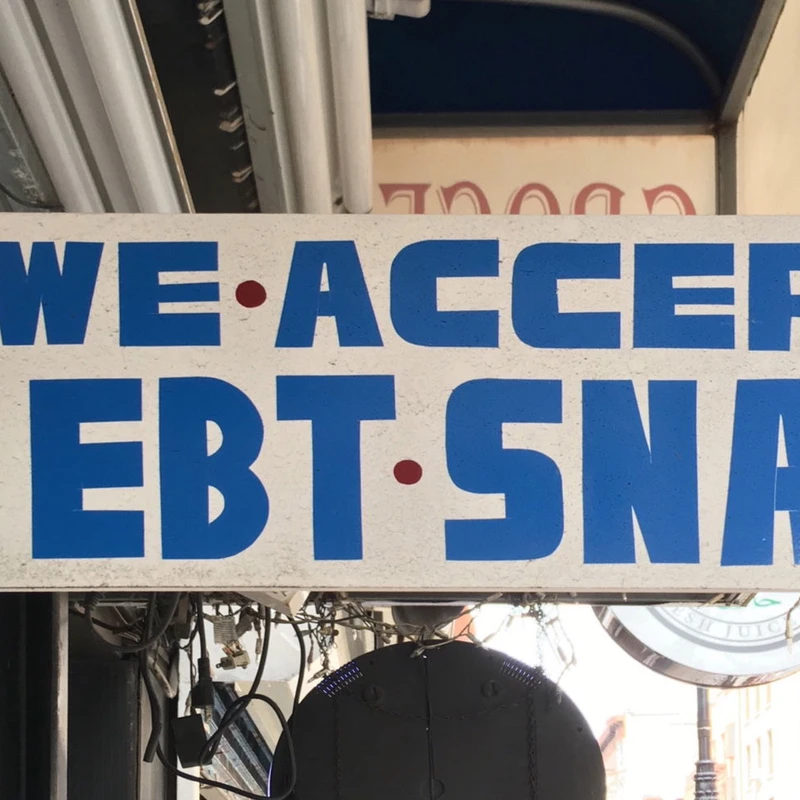
  • SNAP Benefits Drop to 65% Amid Appeal

    Millions of Americans relying on SNAP benefits are facing uncertainty as the Trump administration appeals a federal judge’s order to provide full November payments. While recipients will now receive 65% of their expected benefits, up from the initially planned 50%, the situation remains fluid amid the longest government shutdown in U.S. history.

    Shifting Benefit Allotments Amidst Legal Battles

    On November 5th, a U.S. Department of Agriculture (USDA) official indicated that maximum allotments for SNAP recipients would be reduced by 35% for the month, meaning beneficiaries would receive up to 65% of their benefits. This update came after the agency initially notified states of a 50% reduction. However, the Trump administration has filed an emergency request with the First Circuit Court of Appeals, challenging a November 6th order from a federal judge in Rhode Island. The judge had mandated that the USDA use contingency funds to cover the full SNAP benefit gap.

    The Justice Department, representing the USDA, argued that the federal judge exceeded his authority. They contend that the decision “thrust[s] the Judiciary into the ongoing shutdown negotiations” and potentially worsens the situation by interfering with appropriations. The DOJ’s filing stated, “Courts hold neither the power to appropriate nor the power to spend,” and questioned the lawful basis for an order demanding the USDA “find $4 billion in the metaphorical couch cushions.”

    The Government Shutdown’s Impact on SNAP

    The ongoing government shutdown, which began on October 1st, has created significant funding challenges for essential programs like SNAP. Late last month, the administration had warned states about potential delays in November payments. Following a lawsuit filed by a coalition of municipalities and nonprofits, a federal judge in Rhode Island intervened, ordering the USDA to utilize a contingency fund to ensure full benefit payments.

    Despite the judge’s order, the administration’s appeal means the situation remains uncertain. The USDA has since provided guidance for states to issue partial November benefits, but the legal dispute continues. Nearly 42 million Americans depend on food stamps, and the staggered schedule of payments means that states are processing these partial benefits at different rates, with some recipients potentially waiting longer for assistance.

    What are your thoughts on the ongoing legal battle over SNAP benefits? How do government shutdowns impact essential programs? Share your views in the comments below!