Tag: Technology

  • Steam Machine vs. Xbox & PlayStation

    The console wars have been a long-standing battleground, dominated for years by giants like Sony and Microsoft. But what if there was a new contender ready to shake things up? Valve, the powerhouse behind the massive Steam PC gaming platform, is stepping into the ring with its new Steam Machine, aiming to blend the raw power of PC gaming with the effortless convenience of a living room console. The big question on everyone’s mind: can this PC-console hybrid truly compete with the likes of the PlayStation 5 and Xbox Series X?

    What Sets the Steam Machine Apart?

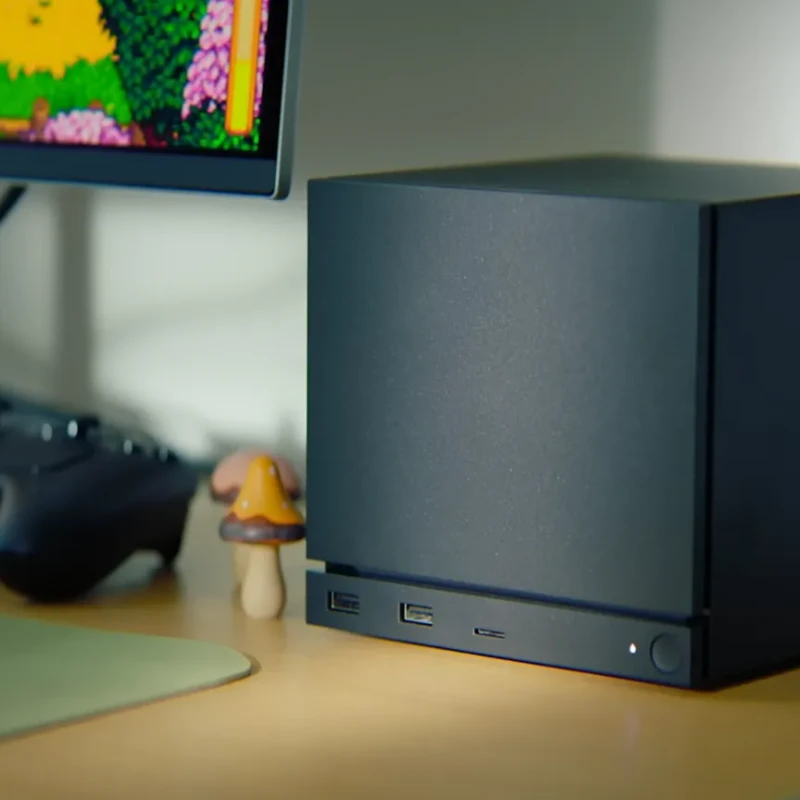
    Valve describes the Steam Machine as a compact, yet incredibly powerful gaming PC designed to fit seamlessly into your entertainment center. The goal is to offer PC-level performance without the typical setup complexities. This new system runs on a Linux-based operating system called SteamOS and is powered by AMD graphics processors, capable of delivering stunning 4K resolution at a smooth 60 frames per second.

    Building on the success and lessons learned from the handheld Steam Deck, this new hardware leverages Valve’s existing massive digital ecosystem. The device features dual AMD chips, bringing its performance remarkably close to that of the PS5 and Xbox Series X. All this power is packed into a surprisingly small cube, about the size of a small form-factor Xbox tower sliced in half.

    The Proton Advantage: A Game Changer

    A key factor making this Steam Machine a more credible threat than its predecessor from a decade ago is Valve’s Proton compatibility layer. This technology means developers no longer need to go through the hassle of porting their games specifically to Linux. Proton allows a vast majority of Windows PC games to run smoothly on SteamOS, effectively removing a major hurdle that hindered the original Steam Machine’s success.

    This innovation directly challenges Microsoft’s long-held ambition to unify Windows and Xbox into a single platform. While Microsoft’s current approach feels like it still needs refinement, Valve is continuously improving SteamOS for both console and handheld play. If Valve can successfully expand the Steam Machine line through partnerships with other PC manufacturers, the pressure on Microsoft will undoubtedly increase.

    Who is the Target Audience?

    Analysts suggest that the initial audience for the Steam Machine will likely mirror that of the Steam Deck. Early adopters are expected to be existing Steam users who are eager to bring their extensive game libraries into their living rooms and appreciate high-end performance. However, the timing is also ripe for a true PC console hybrid, especially as Sony and Microsoft increasingly focus on streaming ecosystems rather than exclusive titles.

    Adding to its appeal, Valve also unveiled the Steam Frame, a wireless virtual reality headset. This device, also running SteamOS, promises top-tier graphical fidelity by only rendering what the player is actively viewing – a significant leap forward in VR technology. This dual announcement clearly indicates Valve’s strategy to build a comprehensive gaming ecosystem, not just a single product.

    Do you think the Steam Machine has what it takes to compete with the big players? Share your thoughts in the comments below!

  • Jeff Smith Launches Golf-Tech Startup

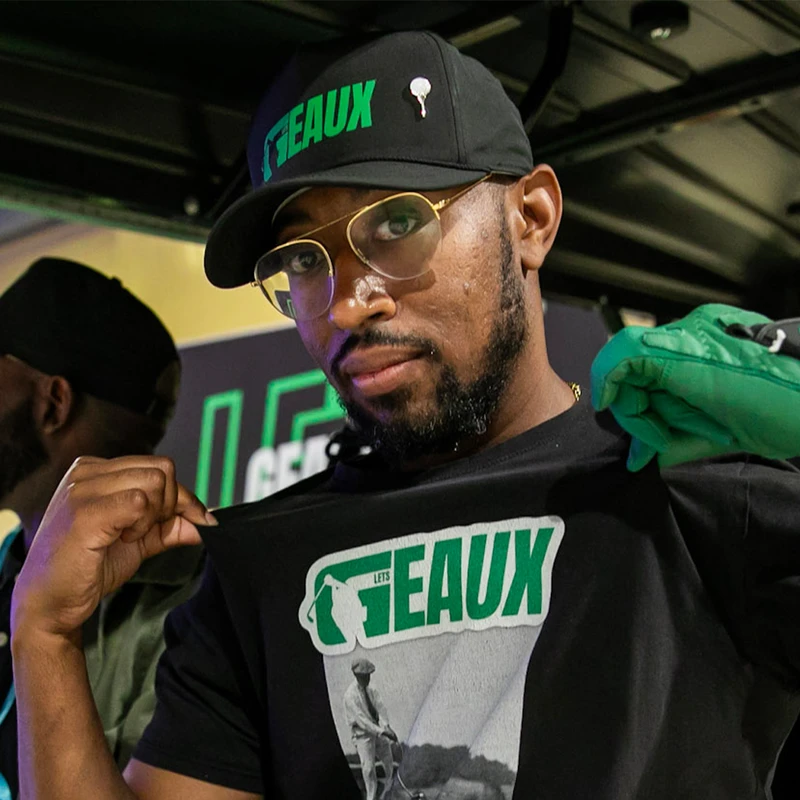
    Meet Jeff Smith, a tech entrepreneur whose family history is deeply intertwined with the sport of golf. As the great-grandson of Joseph Bartholomew, one of the first Black golf course architects in the United States, Smith is now bridging his heritage with cutting-edge technology through his new startup, Let’s Geaux Golf.

    A Legacy Rooted in Golf

    Joseph Bartholomew’s story is one of resilience and pioneering spirit. Despite facing segregation, he learned the game as a caddy and greenskeeper, eventually studying golf course design and leaving his mark on numerous courses across Louisiana. Smith grew up hearing stories of his great-grandfather’s impact, recognizing him as “the first entrepreneur I ever knew of.”

    Ironically, many of the courses Bartholomew designed were off-limits to him due to Jim Crow laws. This injustice fueled his determination, leading him to build his own nine-hole course on his property. Smith’s own journey has come full circle, having worked at the Joseph M. Bartholomew Municipal Golf Course himself after college.

    Let’s Geaux Golf: Bringing Golf to the Masses

    Launched in April 2024, Let’s Geaux Golf is a self-funded startup aiming to democratize the sport. The company utilizes portable AI and VR simulators that can be set up at schools, community centers, festivals, and corporate events. Their flagship cities are New Orleans and Los Angeles, with plans to expand nationwide.

    The technology is impressive. It includes handheld devices with AI swing analysis for real-time feedback on ball trajectory and speed. A putting simulator uses AI sensors and a mat to provide instant analysis of putts, complete with video playback and improvement recommendations. For a truly immersive experience, VR headsets powered by GOLF+ allow players to tackle famous courses like Topgolf and PGA venues.

    Universal Appeal and Future Plans

    Smith shared a heartwarming anecdote about a guest who didn’t speak English but had a huge smile after trying the VR simulator, proving the universal appeal of golf. “This game is something that can connect with people, whether you speak English or Korean or whatever language,” he explained. The goal is to introduce as many people as possible to that initial moment of connection with the game.

    Let’s Geaux Golf recently partnered with Xavier University for a sold-out homecoming golf tournament, raising $35,000 for scholarships. Smith hopes to replicate this model at other HBCUs and embark on a full-scale tour. Looking ahead, a mobile app is planned for early 2026, featuring training, a pro shop, esports, and live/digital experiences. A long-term vision includes creating a VR version of his great-grandfather’s course, complete with its rich history.

    • AI-powered swing analysis and putting feedback
    • VR simulators offering access to famous golf courses
    • Mobile clubhouse for events at various locations
    • Partnerships with HBCUs and community centers
    • Future mobile app with training, esports, and merchandise

    With a mission to find and nurture the next generation of golfers, Smith is seeking $200,000 to expand his fleet of mobile clubhouses. His journey, fueled by family legacy and technological innovation, is set to make a significant impact on the world of golf.

    What do you think about Jeff Smith’s Let’s Geaux Golf startup? Are you excited about making golf more accessible? Share your thoughts in the comments below!

  • AI Platform for Disaster Relief

    What if technology could drastically improve how we respond to disasters, saving more lives and speeding up recovery? That’s the question 24-year-old Joel Murchison set out to answer. Inspired by a personal, traumatic experience during a snowstorm in college, this young innovator has developed an AI-powered platform aimed at transforming disaster relief efforts.

    From Personal Crisis to Problem-Solving

    Murchison’s journey began during his freshman year at Jackson State University in 2021. A severe snowstorm left the campus without clean drinking water for an extended period. Stranded about five to six hours from home, Murchison found himself in a motel, facing icy roads, and with limited access to food and water. “Dealing with that was a very traumatic experience,” he shared. This challenging situation ignited his passion for tackling the world’s most difficult problems through technology.

    His fascination with AI, nurtured since childhood through discussions with his stepfather, led him to explore its potential. Murchison’s drive to create solutions was further fueled by his participation in an HBCU Founders Initiative workshop in March 2025, where he was challenged to think about sustainability and climate change solutions.

    Introducing RapidReliefAI

    This led to the creation of RapidReliefAI, a platform founded just a month later. Murchison taught himself to code using AI tools, keeping costs low by leveraging his student status and taking courses from institutions like Harvard University through CodePath. “I would definitely say that AI changed my life. I’m a big advocate for AI. And I want to tell people, don’t be scared,” he encourages, emphasizing that he started as a non-technical person.

    RapidReliefAI’s core mission is to save lives within the critical first 72 hours of a disaster. It plans to deploy drones equipped with human and thermal sensing technology to help first responders locate victims, especially in scenarios like earthquake rubble. “The most lives are taken within the first 72 hours of a disaster,” Murchison stated.

    Streamlining Recovery with AI

    Beyond immediate rescue, the platform aims to simplify the often-complex disaster claims process. Using AI change detection, RapidReliefAI can analyze damage before and after disasters like floods, hurricanes, or wildfires. This technology compares visual data to identify changes and damage, generating instant reports to pinpoint where resources are most needed and automating damage documentation for insurance adjusters.

    While the drones are not yet deployed, Murchison is actively working on integrating AI Smart Motion Detection with the help of student volunteers. Currently, the platform provides valuable resources and educational content on disaster preparedness and recovery protocols, including guidance on completing insurance claim forms.

    Looking Towards the Future

    Murchison’s commitment to this vision is evident in his ongoing involvement in various programs. He’s co-hosting an event on November 15th in Alpharetta, GA, to expand the platform’s user base, supported by a Google Data Center Community AI Fellowship. He’s also a fellow in the Black Ambition Prize’s HBCU Pre-Accelerator Program, showcasing his dedication to innovation and community impact.

    What do you think about Joel Murchison’s RapidReliefAI? How else could AI be used to help communities in times of crisis? Share your thoughts in the comments below!
  • Gates Foundation Pledges $1.4B for Climate-Resilient Farming

    Climate change is hitting farmers hard, especially in regions like Sub-Saharan Africa and South Asia where agriculture is a lifeline. But there’s some hopeful news! The Bill & Melinda Gates Foundation is stepping up in a big way, committing a massive $1.4 billion over the next four years to help these farmers adapt and thrive.

    Why This Investment Matters

    This isn’t just about helping individual farmers; it’s crucial for global food security. Did you know that about one-third of the world’s food supply comes from low-resourced countries? Any disruption in these regions can have a ripple effect worldwide. Supporting these farmers means supporting a stable food future for everyone.

    Bill Gates himself highlighted the incredible resilience of these farmers, stating, “Smallholder farmers are feeding their communities under the toughest conditions imaginable.” He emphasized that investing in their ability to withstand challenges is one of the most impactful actions we can take for both people and the planet.

    How the Funds Will Be Used

    So, how exactly will this $1.4 billion make a difference? The foundation plans to support several key areas:

    • **Digital Advisory Services:** Providing access to mobile apps and SMS tools to offer crucial guidance and risk management information.
    • **Climate-Resilient Crops:** Developing and distributing crop varieties that can better withstand extreme weather conditions.
    • **Land Restoration & Emissions Reduction:** A $30 million partnership with the Novo Nordisk Foundation to restore degraded land and lower agricultural emissions.

    Collaboration is Key

    To make sure this initiative is a success, the Gates Foundation is partnering with local researchers, governments, and private sector organizations. This collaborative approach ensures that the solutions are tailored to the specific needs of the regions.

    Mark Suzman, CEO of the Gates Foundation, stressed the urgency, calling climate adaptation an “economic and moral imperative.” He added that while farmers are innovating, they need continued support from governments and the private sector to prioritize adaptation alongside efforts to mitigate climate change.

    We’ve seen what’s possible when smallholder farmers have access to the right tools and resources — they adapt faster than anyone. — Wanjeri Mbugua, CEO of TomorrowNow

    Wanjeri Mbugua of TomorrowNow echoed this sentiment, highlighting how data-driven solutions can empower farmers to build resilience on their own terms. This significant commitment from the Gates Foundation offers a beacon of hope for millions of farmers striving to secure their livelihoods and contribute to a sustainable food system.

    What are your thoughts on this major investment in climate-resilient agriculture? Share your views in the comments below!

  • New App Connects NYC Basketball Players to Courts

    Calling all basketball enthusiasts in New York City! Ever found yourself wandering around, trying to locate an open court or figure out where your friends are playing? Engineer Khayri Cobb has been there, and he’s developed a game-changing solution. Introducing ‘We Got Game,’ a new mobile web app designed to connect pickup players with nearby basketball courts, making it easier than ever to hit the hardwood.

    From Engineering to the Basketball Court

    Cobb, a third-generation engineer and proud HBCU graduate of Clark Atlanta University, brings a wealth of experience from top tech companies like Al Jazeera America, The Atlantic, Axios, and Remine. His background in AI and machine learning, particularly from his time at Remine, gave him a unique perspective on leveraging technology to solve real-world problems.

    The inspiration for ‘We Got Game’ struck Cobb during his time living in New York City, a place he affectionately calls the ‘basketball mecca.’ He experienced firsthand the frustration of trying to find available courts quickly and easily. “When I lived in NYC, I encountered issues with finding courts and wanted to have a quick way of finding courts and sending them to my friends,” Cobb shared with AFROTECH™.

    How ‘We Got Game’ Works

    Leveraging his engineering expertise and tools like a customized Claude Code, Cobb built the foundation of ‘We Got Game’ in just three weeks. The app aims to connect the estimated 1.5 million active players in NYC with the closest courts. It utilizes a database covering over 250 public courts across all five boroughs: Brooklyn, Bronx, Manhattan, Queens, and Staten Island.

    But it’s more than just a court finder. Users can create basketball profiles, access detailed map grids showing park hours and court availability, and even invite friends directly through social media, SMS, or email. The goal is to minimize the time spent searching and maximize the time spent playing.

    Future Plans and Global Ambitions

    Looking ahead, Cobb plans to enhance the platform by allowing users to select favorite courts and even track their favorite NBA players. Future updates aim to aggregate feeds on players’ game stats, business ventures, and fashion, solving Cobb’s own frustration with juggling multiple apps for NBA information. “It really was a pain point there,” he admitted.

    With over 1,000 sign-ups even before its official launch, ‘We Got Game’ is already showing promising traction. Cobb’s vision extends beyond NYC, with plans to expand to cities like Los Angeles, Chicago, and Philadelphia, ultimately aiming to create a global network for pickup basketball players. It’s all about building communities, one court at a time.

    Are you a basketball player in NYC? Have you tried ‘We Got Game’ yet? Let us know your experience in the comments below!

  • Self-Driving Cars: Tech Giants Invest Big

    Get ready for a major shift in how we get around and receive goods! Tech giants are pouring significant cash into making self-driving cars and delivery robots a reality. Companies like Uber, Lyft, and DoorDash are betting big on automation to transform their services, aiming to put these advanced technologies at the forefront of consumer interaction.

    The Price of Progress: Investing in Automation

    Making these autonomous systems mainstream isn’t cheap. Tech companies are prioritizing substantial investments in these cutting-edge technologies, as highlighted in their recent quarterly earnings reports. While the upfront costs are considerable, the long-term vision is clear: to integrate automation into everyday services.

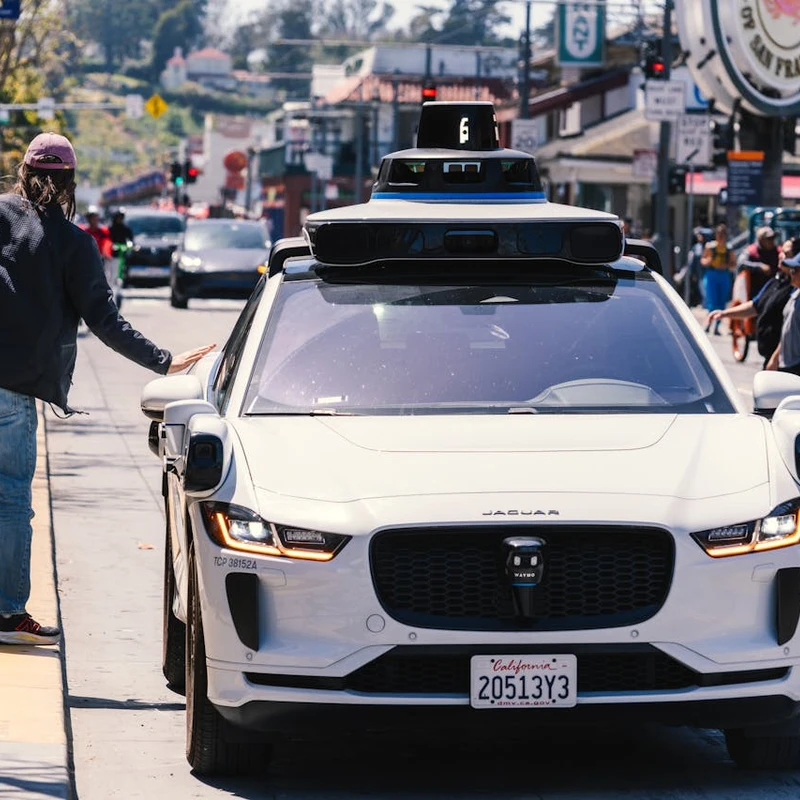
    DoorDash, for instance, has already rolled out its own delivery robot, ‘Dot,’ which navigates sidewalks and bike lanes. The company plans to scale up its robot development, though CEO Tony Xu acknowledges it’s a long-term endeavor requiring significant upfront investment. This commitment to autonomous vehicles is a trend other major players are embracing.

    Rideshare Giants Embrace the Autonomous Future

    Lyft is investing between $10 and $15 million to establish a new depot in Nashville specifically for its self-driving cars. Meanwhile, Uber acknowledges that its autonomous vehicle initiatives are currently a drain on its finances. However, the company anticipates that increased availability and adoption will eventually lead to profitability.

    Impact on the Workforce

    As these technologies advance, concerns about the impact on the human workforce are growing. The gig economy, which heavily relies on contracted workers, could see significant changes. Data from the Bureau of Labor Statistics indicates that Black and Latino individuals constitute a substantial portion, 42%, of app-based workers, primarily in rideshare services like Uber and Lyft. As the need for human drivers potentially decreases, many in these flexible gig roles may need to seek alternative employment in the service sector.

    What are your thoughts on the rise of self-driving cars and their impact on jobs? Share your opinions in the comments below!

  • AI Card Deck Teaches Kids Tech Smarts Screen-Free

    Ever worry about your kids spending too much time glued to screens? What if they could learn about cutting-edge technology like Artificial Intelligence without picking up a tablet or phone? Baltimore entrepreneur Amber Ivey is making that a reality with her innovative AI card deck, designed to teach young minds about AI in a fun, interactive, and screen-free way.

    The ‘Aha!’ Moment for AiDigiCards

    Ivey’s inspiration struck during a seemingly ordinary moment at home. Her niece, accustomed to interacting with smart devices, called out to Alexa as if it were a person. This sparked a realization: for this generation, AI is already a normal part of life, and if we don’t proactively teach them about it, AI will end up teaching them.

    This pivotal moment led to the creation of AiDigiCards and their flagship product, the ‘ABCs of AI Activity Deck.’ Ivey emphasizes the importance of families, schools, and community programs being the primary educators about AI, ensuring children receive foundational knowledge from trusted sources.

    What’s Inside the ‘ABCs of AI Activity Deck’?

    This engaging deck features 130 beautifully illustrated cards aimed at children aged 4 to 8. It’s packed with definitions, stories, games, and activities that cover essential AI topics like machine learning, prompts, and data safety. The goal is to make learning about AI accessible and exciting.

    Ivey’s vision is clear: parents shouldn’t have to choose between limiting screen time and preparing their children for a tech-driven future. AiDigiCards offers a solution that allows kids to do both. The deck is set to begin rolling out in early 2026, with production, packaging, and shipping being supported by a current Kickstarter campaign.

    Future Plans for AiDigiCards

    The Kickstarter campaign is not just about producing the first deck; it’s also about future growth. Ivey hopes to reach a $7,500 goal to develop digital expansion packs and a further $10,000 to launch a ‘Prompt Palooza’ deck. This shows a commitment to continuously evolving AI education for young learners.

    What do you think about Amber Ivey’s AI card deck? Share your thoughts on teaching kids about technology in the comments below!

  • Morgan Freeman Sues Over AI Voice Cloning

    It seems the rapid advancement of Artificial Intelligence is hitting Hollywood where it hurts – the unique talents of its stars. Legendary actor Morgan Freeman is the latest to voice serious concerns, and he’s not just talking; he’s taking legal action over the unauthorized use of his iconic voice by AI technology. “You’re robbing me,” Freeman stated, highlighting the growing ethical and legal challenges AI presents.

    The Rise of AI Actors and Voice Cloning

    Freeman’s concerns come in the wake of the debut of Tilly Norwood, an AI-generated actor created by comedian Eline Van der Velden. Velden’s company, Xicoia, plans to launch dozens more digital performers. While innovative, this technology has drawn criticism from industry figures, including Whoopi Goldberg, who pointed out the potential “unfair advantage” of AI actors generated from the work of thousands of real performers.

    Freeman echoed these sentiments, expressing his disapproval of AI creations like Norwood. He believes they lack authenticity and won’t ultimately succeed in replacing real actors. “Nobody likes her because she’s not real and that takes the part of a real person,” Freeman told The Guardian. He sees a direct conflict with the unions’ mission to ensure actors can continue to work.

    A Voice That’s Been Stolen

    The issue hits particularly close to home for Freeman, whose distinctive voice has been a hallmark of his career, famously lending gravitas to his roles as God in films like “Bruce Almighty” and “Evan Almighty.” He credits his vocal training to Robert Whitman, recalling lessons on distinct speech and voice relaxation. Now, AI has replicated this signature sound without his permission.

    “I’m a little PO’d, you know,” Freeman admitted. “I’m like any other actor: Don’t mimic me with falseness. I don’t appreciate it and I get paid for doing stuff like that, so if you’re gonna do it without me, you’re robbing me.”

    Legal Battles Ahead

    Freeman is not just expressing his displeasure; he’s actively pursuing legal recourse. “My lawyers have been very, very busy,” he confirmed. As AI continues to evolve and unlock new creative possibilities, it simultaneously presents profound challenges regarding intellectual property, consent, and fair compensation for artists whose unique talents are being replicated.

    What are your thoughts on AI voice cloning and its impact on actors? Should there be stricter regulations? Share your views in the comments below!

  • Harvard-Born Robot Revolutionizes Hair Braiding

    Imagine a world where getting your hair braided doesn’t take hours and doesn’t cost a fortune, all while protecting your stylist’s hands. That future might be closer than you think, thanks to Halo Braid, a revolutionary hair-braiding robot developed by Harvard alumna Yinka Ogunbiyi. This groundbreaking invention is poised to disrupt the massive $42 billion hair industry.

    From Harvard Innovation to Industry Disruption

    Yinka Ogunbiyi, a 2023 graduate of both Harvard Business School and the Harvard John A. Paulson School of Engineering and Applied Sciences, has earned a $75,000 prize from Harvard Business School’s prestigious President’s Innovation Challenge. Her invention, Halo Braid, uses machine learning to significantly speed up the braiding process for professional stylists. This innovation was showcased through the Alumni & Affiliates Open Track program, highlighting ideas with the potential to transform industries.

    Developed alongside her business partner, David Afolabi, the Halo Braid robot aims to modernize the ancient art of hair braiding. The goal is to make it faster, more efficient, and more accessible for both stylists and their clients. The patent-pending device acts as a braiding assistant, completing the intricate work of braiding with a gentle, no-pull technique.

    Addressing the Pain Points of Braiding

    During her pitch, Ogunbiyi powerfully articulated the challenges faced by traditional hair-braiders and their clients. She highlighted the grueling hours, high costs (often $200-$300), and physical toll—like arthritis at a young age—that stylists endure. “Imagine if every time you got your hair cut, it took six hours, cost $200 to $300, and gave your hair stylist arthritis at age 29? This is what it’s like to get your hair braided,” she explained.

    Ogunbiyi pointed out that despite braiding being a popular hairstyle for millions of Americans, the technique itself hasn’t seen significant innovation in the last 5,000 years. Halo Braid is designed to change that, drastically cutting down styling time and allowing stylists to focus on growing their business, delighting clients, and exercising their creativity, rather than spending hours on the physical act of braiding.

    • Reduces styling time significantly.
    • Assists stylists with the braiding process.
    • Employs a gentle, no-pull approach.
    • Aims to make braiding more affordable.
    • Leverages machine learning for efficiency.

    Future Plans for Halo Braid

    With the prize money from the President’s Innovation Challenge, Ogunbiyi plans to open a hair salon in Boston. This salon will serve as a testing ground for various braiding styles before scaling up manufacturing of the Halo Braid device later this year. This strategic step ensures the technology is refined and ready for widespread adoption.

    What do you think about the Halo Braid robot? Could this technology revolutionize the hair industry? Share your thoughts in the comments below!
  • K. Michelle Fights AI Using Her Voice

    It seems like artificial intelligence is stepping into the music industry in ways we never imagined, and not everyone is happy about it. Singer K. Michelle recently revealed that she’s on the hunt for a lawyer to combat what she calls ‘AI people’ who are allegedly using her distinct tone and voice to create music.

    A Voice That’s Uniquely Hers

    During a livestream, K. Michelle addressed a fan’s request to write a song for her, firmly rejecting it. She explained that she’s currently dealing with the frustration of her vocal identity being replicated by AI. “AI people using my tones, and my voice, and all of that. And now I gotta go find a lawyer,” she expressed in a video shared on X, highlighting the seriousness of the situation.

    This situation brings up significant questions about copyright, artistic integrity, and the future of music creation in the age of advanced AI. For an artist like K. Michelle, whose vocal style is a signature part of her brand, this unauthorized use could have serious implications.

    The Rise of AI Artist Xania Monet

    Speculation is mounting that K. Michelle might be referring to Xania Monet, an AI-generated artist created by entrepreneur Telisha “Nikki” Jones. As previously reported by AFROTECH™, Jones crafts the lyrics for Xania Monet, while an AI platform called Suno generates the music and vocals. This approach has already led to significant success for Xania Monet.

    Xania Monet’s debut single, “How Was I Supposed to Know?,” has charted on multiple Billboard lists, including R&B Digital Song Sales and Overall Digital Song Sales. The project even secured a multi-million-dollar recording contract with Hallwood Media, demonstrating the commercial potential of AI-driven music.

    Differing Perspectives on AI in Music

    While K. Michelle is seeking legal recourse, others see AI in music as a groundbreaking innovation. Mary Pryor, a director and digital marketing expert, expressed hope that K. Michelle and Muni Long might sue the creator and win, suggesting a desire for artists to control their digital likeness. However, Hallwood Media views Xania Monet as representing “the future of music,” stating that “AI is breaking down barriers… giving creators who might not have had a traditional path into the industry the chance to bring their stories and ideas to life.”

    Telisha “Nikki” Jones herself defends her use of AI, noting on “CBS Mornings,” “Technology is evolving. Everybody has different ways of putting in the work to get to where they’re at. I don’t feel a way about it.” This highlights the ongoing debate about how AI fits into the creative landscape and what ethical guidelines should be in place.

    What are your thoughts on AI being used to replicate artists’ voices and styles? Share your opinions in the comments below!