Tag: Original Content

  • Afrika Bambaataa’s Legacy: Pioneer vs. Accused

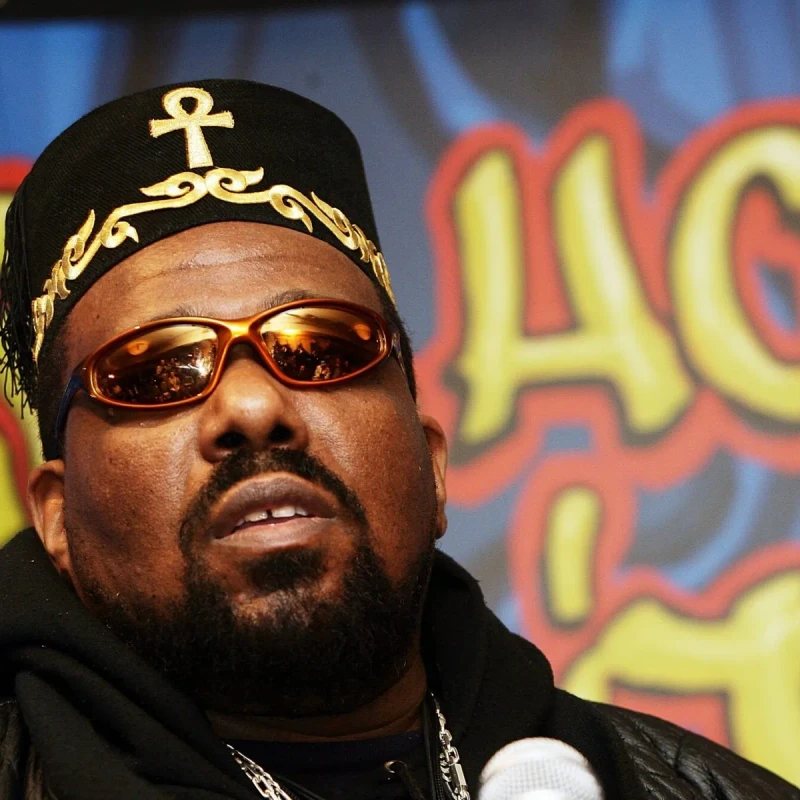
    Afrika Bambaataa is undeniably a titan in the history of hip-hop. He helped lay the groundwork for the culture, shaping its early sound and community spirit through the Universal Zulu Nation and the iconic track “Planet Rock.” Yet, his legacy is now inextricably linked with deeply troubling accusations of sexual abuse, forcing a difficult reckoning with his life and contributions.

    The Architect of Hip Hop’s Foundation

    Bambaataa emerged from the Bronx in the 1970s, transforming park jams and block parties into vibrant cultural events. His parties weren’t just about music; they were about building community and offering an alternative to gang violence. This vision became central to the Universal Zulu Nation, which presented itself as a force for peace and creative expression.

    His influence extended beyond community organizing. In 1982, “Planet Rock” with Soulsonic Force pushed hip-hop towards a futuristic electro sound, expanding the genre’s sonic possibilities at a time when it was still defining itself. Bambaataa understood the holistic nature of early hip-hop – it was about music, style, community, and belonging.

    Allegations Cast a Shadow

    The narrative surrounding Bambaataa began to shift dramatically in 2016 when multiple men came forward with accusations of sexual abuse. Ronald Savage was among the first to speak publicly, and others soon followed. Bambaataa consistently denied these claims, stating in 2016, “I never abused nobody.”

    These allegations didn’t fade away. They became permanently attached to his name, altering how his music and legacy were perceived. Institutions connected to him were forced to respond. In June 2016, the Universal Zulu Nation issued a public apology to alleged victims, a significant move given its deep ties to Bambaataa’s philosophy. However, the organization later appeared to shift its stance, siding with Bambaataa against accusers, leading to a fractured public response.

    Legal Battles and Shifting Testimonies

    The legal ramifications continued. In 2025, Afrika Bambaataa lost a child sexual abuse and trafficking civil case by default after failing to appear in court. The plaintiff alleged abuse dating back to 1991 when he was 12 years old. This verdict underscored that the accusations were not just peripheral gossip but integral to any honest discussion of Bambaataa’s life.

    However, the story took another turn in 2024 when Ronald Savage sat down with AllHipHop. Savage clarified his earlier claims, stating he had lied about his age at the time and that Bambaataa believed he was an adult. Savage expressed regret for his past actions and apologized, stating, “Bambaataa is not a pedophile and, in my eyes, he was doing something that was consensual with someone that he thought was of age.” He added, “I needed to set the record straight [and get] my closure.”

    Hip Hop’s Enduring Dilemma

    Hip hop has a long history of honoring its pioneers and protecting their legacies. However, it has consistently struggled with how to address serious accusations against these icons. The common response has often been to stall, remain silent, or label the situation “complicated,” hoping time will resolve the discomfort.

    Bambaataa’s death, rather than providing closure, brings these unresolved issues back to the forefront. There’s no simple way to celebrate his foundational contributions without acknowledging the alleged harm. Hip-hop’s institutions, which once elevated him, now face the challenge of reconciling his impact with the serious allegations.

    The culture must decide how to move forward. For some, Bambaataa’s contributions can never be separated from the accusations. For others, it’s a difficult reality that foundational figures in many institutions, including hip-hop, were talented individuals whose reputations often received more protection than scrutiny. The responsibility now lies with the culture itself to speak plainly about both the music and the alleged harm.

    How do you reconcile Afrika Bambaataa’s pioneering role in hip-hop with the serious allegations against him? Share your thoughts on navigating these complex legacies in the comments below.
  • Ranking Travis Scott’s Air Jordan 4s

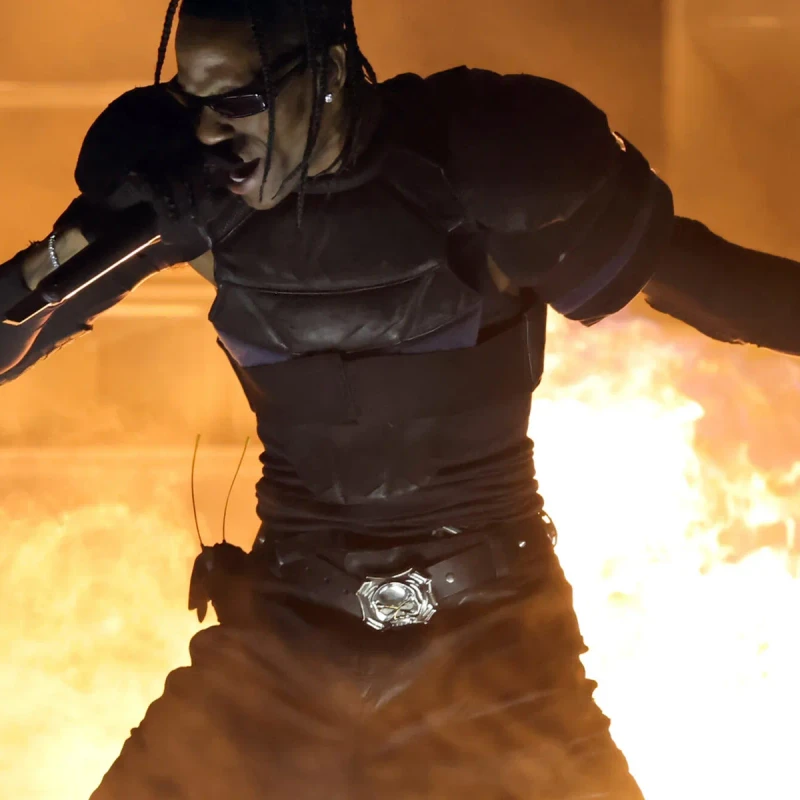
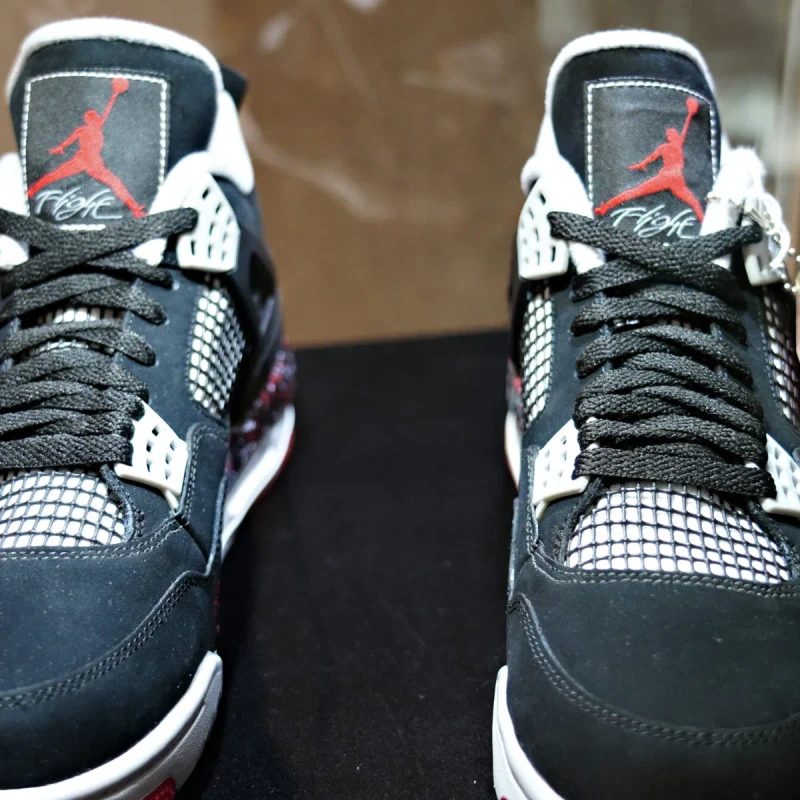
    When Travis Scott teams up with Jordan Brand, magic happens. Their Air Jordan 4 collaborations are legendary, a mix of public releases and ultra-rare friends-and-family (F&F) pairs that have sneakerheads and collectors buzzing for years. While only one colorway officially hit the shelves, the story behind these Jordans is as fascinating as the shoes themselves.

    The Genesis of a Sneaker Legend

    Travis Scott’s connection to the Air Jordan 4 runs deep, stemming from his childhood in Houston. He’s spoken often about how the iconic silhouette shaped his early love for sneakers. When Jordan Brand tapped him for a collaboration in 2018, he paid a heartfelt tribute to his hometown roots with a colorway inspired by the Houston Oilers football team. This shoe wasn’t just a release; it was an instant cultural moment.

    The immediate sell-out of the retail pair sparked a frenzy, leading to a cascade of unreleased colorways and F&F editions that continue to be chased by enthusiasts. The Air Jordan 4 became the cornerstone of the entire Cactus Jack x Jordan Brand universe, remaining one of the most mythologized silhouettes in his catalog.

    Ranking the Travis Scott x Air Jordan 4s

    5. Travis Scott x Air Jordan 4 “F&F Cactus Jack”

    Landing at the bottom, this pair is hard to define. It’s essentially an alternate version of the retail Cactus Jack, distinguished by the classic Nike Air branding on the heel instead of the Jumpman logo. This detail technically aligns it closer to the original 1989 Air Jordan 4 spirit. Exclusively for friends and family, it’s rarely seen in person. While beautiful and offering a purist feel, its ranking is lower due to its near-identical colorway to the retail version and its extreme exclusivity, making it inaccessible to most.

    4. Travis Scott x Air Jordan 4 “Mocha” (F&F)

    The “Mocha” is arguably the most understated and wearable of the Travis Scott x Air Jordan 4s. Its rich, mushroom-brown nubuck upper is earthy and sophisticated, beautifully complemented by black detailing and Cactus Jack branding. This F&F exclusive from 2018 was historically significant, predating the widespread trend of brown and taupe tones in sneakers. It feels genuinely ahead of its time, and its rarity commands extraordinary prices on the resale market. It’s the pair the public missed out on but likely deserved.

    3. Travis Scott x Air Jordan 4 “Olive” (Sample/F&F)

    Considered by many to be the most coveted unreleased Travis Scott sneaker, the “Olive” is a masterpiece. Its dusty olive nubuck upper is exceptionally clean, and the mismatched heel branding (Nike Air on one side, Cactus Jack on the other) adds a clever, intentional touch. Jordan Brand nearly released this, but it never materialized. Comparisons to the “Union Taupe Haze” Air Jordan 4 are inevitable due to the similar color story. It’s a standout design in Scott’s catalog, and its unattainability only enhances its legendary status.

    2. Travis Scott x Air Jordan 4 “Purple” (F&F)

    The “Purple” colorway propelled Travis Scott’s unreleased catalog into the same elite tier as the Eminem “Encore” and Undefeated Jordan 4s. Its bold, rich purple suede upper is unapologetic and draws direct comparisons to those highly sought-after grails. This has made it one of the most lusted-after sneakers ever, with legitimate pairs trading for over $20,000. Despite rumors of a potential 2024 retail release being shut down, its legendary status is cemented by its inaccessibility. It’s the ultimate “one that got away.”

    1. Travis Scott x Air Jordan 4 “Cactus Jack”

    This is the one and only Travis Scott x Air Jordan 4 that the public could actually buy, and it earned its top spot through sheer merit. Inspired by the Houston Oilers, the light blue suede upper is instantly recognizable. Accents of black and red on the lace cage, tongue, and heel tab, along with the iconic Cactus Jack smiley face logo replacing standard branding, made it revolutionary. Details like mismatched insoles and splattered wing eyelets set it apart from anything Jordan Brand had produced before.

    Released in June 2018, it sold out instantly and has maintained incredible resale value ever since. The “Cactus Jack” is the shoe that launched a thousand collaborations and set the standard for what a Travis Scott x Jordan Brand partnership could achieve. It remains the benchmark against which all other Travis Scott Jordans are measured.

    Which Travis Scott x Air Jordan 4 is your favorite? Do you think any of the F&F pairs should have received a public release? Let us know in the comments!

  • Ranking the OG Air Jordan 4 Colorways

    The Air Jordan 4 isn’t just a sneaker; it’s a legend. Launched in 1989, its four original colorways are considered classics for a reason. These weren’t just shoes; they were part of a pivotal NBA season, featured in a culturally significant film, and introduced a design that continues to captivate sneakerheads over 35 years later. Let’s break down these iconic kicks, from worst to best.

    The Genesis of the Air Jordan 4

    By 1988, Nike and Michael Jordan were looking for a reset after the lukewarm reception of the Air Jordan 2. Enter Tinker Hatfield, the designer who had already revitalized the line with the Air Jordan 3. His mission for the AJ4 was to create something lighter and more functional, introducing features like breathable mesh panels and plastic support wings for stability, while retaining the visible heel Air unit.

    Despite initial skepticism due to its radical departure from previous designs, the Air Jordan 4 quickly won over the public. Its launch coincided with Michael Jordan’s legendary 1988-89 NBA season, where he averaged incredible stats and secured his first MVP award. The shoe became intrinsically linked to iconic moments, including “The Shot” against the Cleveland Cavaliers, and Spike Lee’s “Do the Right Thing,” which brought the “White Cement” colorway to a massive audience.

    4. Air Jordan 4 “Military Blue”

    Kicking off our list is the “Military Blue.” This colorway stands out for its unique aesthetic, featuring a clean white leather base accented with military blue and grey cement details. While it boasts a stylish look that has aged remarkably well, its ranking is slightly held back by the fact that Michael Jordan never wore it in an official NBA game due to uniform color clashes. Nevertheless, its distinct appeal continues to make it a collector’s favorite, especially with retros that faithfully recreate the original Nike Air heel branding.

    3. Air Jordan 4 “Fire Red”

    Often considered underappreciated, the “Fire Red” colorway holds significant on-court credibility, having been worn by Jordan during the 1988-89 and early 1989-90 seasons. Its bold white upper with vibrant fire red and black accents exudes an aggressive energy that complements the “Black Cement” without being as dark. While various retro versions have seen slight variations in branding and shade, the most faithful reproductions remain some of the best Jordan 4s ever produced, easily holding its own against the top contenders.

    2. Air Jordan 4 “White Cement”

    The “White Cement” colorway is arguably the most culturally significant of the original four. Worn by Jordan throughout the 1988-89 regular season, it was also the star of Nike’s “Mars Blackmon” advertising campaign featuring Spike Lee. Its appearance in the iconic “scuffed shoe” scene in Lee’s film “Do the Right Thing” cemented its place in pop culture history. The combination of a white leather base, cement grey speckled wings, and a grey heel tab defines the visual identity of the Air Jordan 4 silhouette. Every retro release reignites its legendary status, with the 2016 version featuring Nike Air branding reminding everyone why it’s an all-time great.

    1. Air Jordan 4 “Black Cement”

    There’s simply no other choice for the top spot. The “Black Cement” is the definitive Air Jordan 4 – iconic, powerful, and unforgettable. Michael Jordan wore this colorway during the pivotal 1989 playoffs, including the legendary Game 5 against the Cleveland Cavaliers where he hit “The Shot” over Craig Ehlo. That single, game-winning moment, immortalized in sports history, forever linked this colorway to greatness. The sleek black nubuck upper, contrasted with cement grey wings and striking red detailing, creates one of the most visually powerful combinations in Jordan Brand history. Its flawless aesthetic and the immediate excitement generated by retros featuring the original Nike Air heel branding solidify its status. The “Black Cement” is, without a doubt, the Air Jordan 4.

    Do you agree with this ranking of the OG Air Jordan 4 colorways? Which is your favorite? Let us know in the comments below!

  • Streamer Culture: Not Dying, Just Burning Out

    Ever feel like streamer culture is just… a lot? You’re not alone. While the numbers show livestreaming is still booming with huge audiences and significant money, many feel the culture itself is becoming exhausting. It’s less about a decline and more about the intense pressure cooker that success has created.

    From Niche Hobby to Entertainment Powerhouse

    Livestreaming started as a niche for gamers when Twitch launched in 2011. Fast forward to today, and it’s a dominant force in entertainment. Amazon’s acquisition of Twitch for nearly a billion dollars in 2014 was an early sign of its business potential. The pandemic in 2020 supercharged this growth, pushing viewership hours up by 69% as people sought connection online.

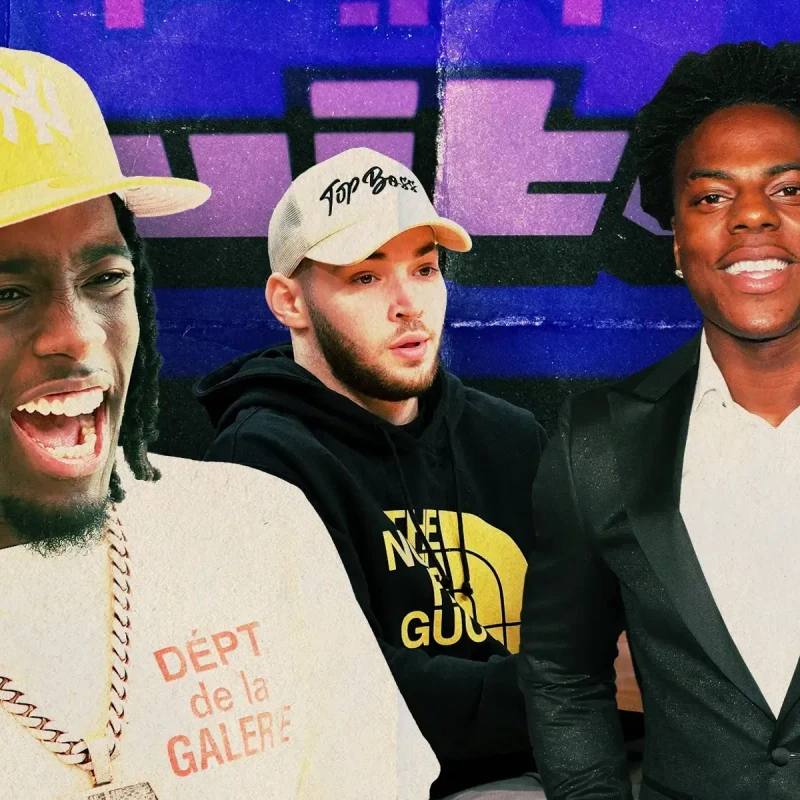
    What began with gaming has exploded into comedy, politics, music, and everyday life moments. Streamers and influencers have become the new celebrities, absorbing roles from comedians like Kai Cenat, whose chaotic marathon streams are legendary, to political commentators like Hasan Piker, and energetic performers like IShowSpeed.

    The Allure of Authenticity (and its Cost)

    The magic of streaming lies in its unfiltered nature. Unlike traditional media, audiences get to see creators react in real-time, make mistakes, and recover – all while the camera keeps rolling. This ‘presence’ over perfection is what draws viewers in. Personality itself has become the content, not just a support for it.

    This shift has deeply impacted industries like Hip Hop. Rappers now see streams as a vital way to connect with a young, engaged audience, often finding guest spots on streams more effective than traditional press tours. Streamers have become crucial tastemakers and partners in music promotion.

    The Burnout Factor: Overexposure and Monetization

    But this constant visibility comes at a cost. The pressure to stay relevant means creators are always ‘on,’ churning out content that often feels repetitive. We see the same patterns: reaction clips, manufactured drama, fake intimacy, and the relentless drive to monetize every live moment. This ‘fake intimacy’ is a core part of the business model, as research shows parasocial interactions directly influence viewer spending.

    Platforms like TikTok Live exemplify this, turning virtual gifts and ‘Diamonds’ into a massive economy. The constant need for attention has also made outrage a profitable business model for some. Creators like Adin Ross have faced bans for controversial comments, while others like Clavicular and N3on have built followings on shock value, misogyny, and inflammatory stunts, turning disgust into distribution.

    Beyond the Stream: Building Lasting Brands

    The most successful streamers recognize that livestreaming alone isn’t a complete career path. They’re using their platforms as launchpads for more durable ventures. Kai Cenat, for example, has expanded into fashion and his ‘Streamer University.’ This strategic move converts fleeting online attention into lasting brands, merchandise, and media projects.

    While streaming formats continue to evolve, the culture adapts by chasing whatever captures attention fastest – often leading to more shock, emotional performances, and manufactured intimacy. At its best, streaming offers a unique live connection. But at its worst, it’s a machine fueled by overexposure and controversy.

    So, is streamer culture dying? No. It’s more accurate to say it’s burning through itself in the public eye, one live moment at a time, constantly pushing the boundaries of what audiences will watch and creators will endure.

    What’s your take on the current state of streamer culture? Do you find it exhausting or exciting? Share your thoughts in the comments!

  • Dream Verzuz Battles: Your Ultimate 2026 Wishlist

    Remember those epic Verzuz battles that had everyone glued to their screens? The magic of Verzuz isn’t just about the music; it’s about the debates that ignite *before* the first note drops. It’s the nostalgia, the memories, and the passionate arguments over who deserves to be on that stage. Even when dream matchups never quite materialize, the conversation around them keeps the culture buzzing.

    The format is simple: 20 songs, each carrying its own emotional weight and tied to a specific moment in our lives. This is why certain artist pairings live rent-free in our heads, sparking endless online chatter. It’s less about who would technically ‘win’ and more about what each artist represents and the cultural conversations they’ve sparked.

    R&B Showdowns We’re Dying to See

    When it comes to R&B, the potential for smooth vocals and heartfelt lyrics is immense. Imagine SZA going head-to-head with Summer Walker. SZA’s introspective and layered songwriting on albums like ‘CTRL’ and ‘SOS’ redefined modern R&B, while Summer Walker’s direct and unfiltered approach on ‘Over It’ and ‘Still Over It’ creates an immediate connection.

    Then there’s the soulful synergy of Jhené Aiko and Kehlani. Jhené’s discography, including ‘Souled Out’ and ‘Chilombo,’ feels like a continuous, flowing narrative. Kehlani, on the other hand, offers a quicker, more outward connection, effortlessly blending R&B with more immediate, rhythmic sounds, making her a dynamic force.

    And for the fans of melodic rap and R&B, the thought of Bryson Tiller versus PARTYNEXTDOOR is a treat. Bryson Tiller’s ‘TRAPSOUL’ set a new standard, with tracks that still resonate deeply. PARTYNEXTDOOR, a key figure in shaping sounds from the OVO camp, brings a similar vibe but with a broader influence through his writing and collaborations.

    Rap Battles That Would Ignite the Stage

    The world of rap offers endless possibilities for explosive Verzuz battles. Future and Young Thug, two titans of Atlanta trap, would deliver an unforgettable night. Future’s iconic hits and genre-defining albums like ‘DS2’ laid the groundwork for modern trap, while Young Thug consistently pushes boundaries with his unique style and extensive features.

    Another compelling matchup would be 21 Savage versus Lil Baby. Both artists hail from Atlanta and have carved out distinct styles. 21 Savage’s hypnotic delivery and consistent tone, showcased on ‘Savage Mode II,’ contrast with Lil Baby’s urgent energy and chart-topping momentum, evident in ‘My Turn.’ This would be a true celebration of ATL’s trap scene.

    Queens of Hip-Hop: Megan Thee Stallion vs. Cardi B

    When it comes to female powerhouses, Megan Thee Stallion and Cardi B are a dream pairing. Their undeniable chemistry, famously showcased on ‘Wap,’ is just the tip of the iceberg. Both artists have dominated charts with infectious hits like Cardi’s ‘Bodak Yellow’ and Megan’s ‘Savage Remix,’ bringing massive personalities and undeniable star power to the stage.

    Producers & Hitmakers: The Architects of Sound

    Verzuz battles aren’t just for artists; producers bring their own magic! Imagine Metro Boomin facing off against DJ Mustard. Metro’s dark, atmospheric beats are instantly recognizable, while Mustard’s West Coast bounce is infectious. Both have crafted countless hits that define eras.

    Another dream producer showdown would be Jermaine Dupri versus Bryan-Michael Cox. These longtime friends and collaborators have shaped R&B and Hip-Hop for decades. Dupri’s iconic So So Def catalog and Cox’s soulful productions, responsible for hits like Usher’s ‘Confessions Part II,’ would bring a wave of pure nostalgia and undeniable talent.

    The Ultimate R&B/Pop Crossover: Usher vs. Chris Brown

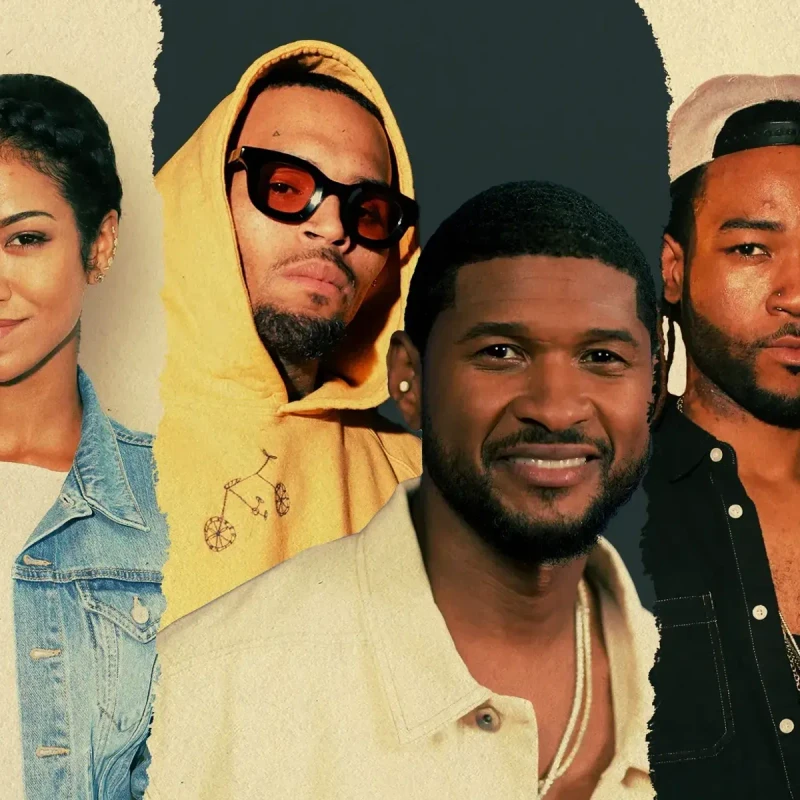
    Perhaps the most talked-about potential matchup is Usher versus Chris Brown. While Usher has expressed hesitation about Verzuz, he’s hinted at a potential appearance if it were against Breezy. This wouldn’t just be a battle; it would be a full-blown concert spectacle. Both artists are multi-talented performers with decades of hits spanning R&B, Pop, and Hip-Hop.

    Their catalogs are deep enough to fill multiple shows, covering everything from teenage anthems to mature reflections. The potential for surprise guests and iconic performances makes this a dream scenario for fans worldwide. It’s a testament to their enduring impact and status as global superstars.

    Why These Matchups Matter

    Ultimately, the allure of Verzuz lies in the shared history and emotional connection these songs evoke. It’s about celebrating the music that soundtracked our lives, revisiting memories, and continuing the cultural conversation. Whether these dream matchups ever happen or not, the anticipation and the debates are part of the fun.

    Which of these dream Verzuz matchups are you most excited about? Did we miss any of your top picks? Let us know in the comments below!

  • Ranking LeBron’s Lakers Sneakers: Worst to Best

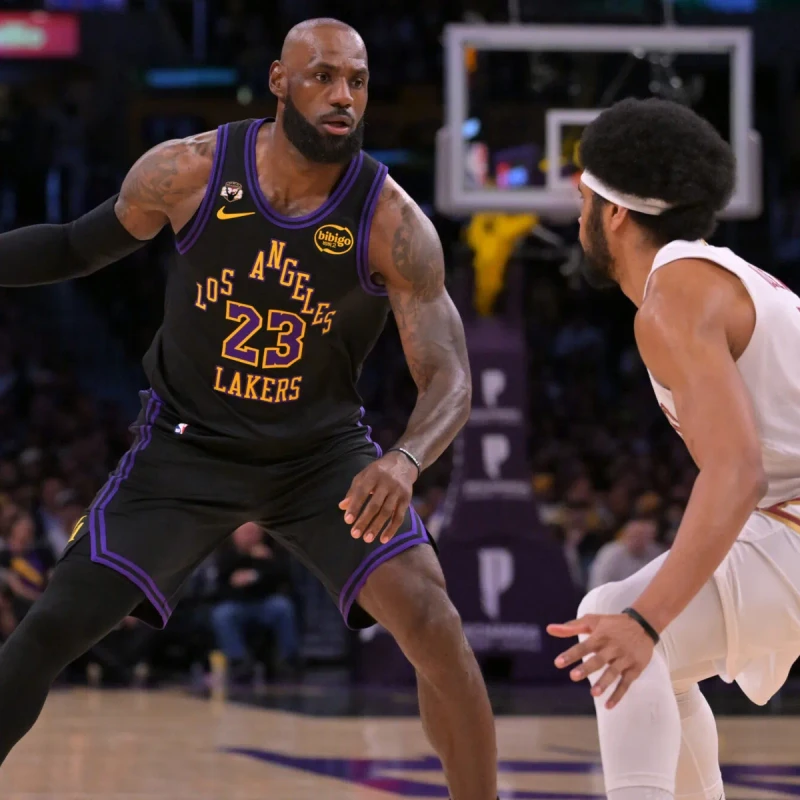
    Ever wondered which kicks The King rocked during his legendary Lakers tenure? Since joining the Los Angeles Lakers in 2018, LeBron James has laced up some seriously iconic Nike signature models. We’re talking about a journey that includes a championship, countless highlights, and a growing legacy. Nike consistently drops new LeBron models each year, and each one tells a story about his game and the brand’s performance focus. Some have been absolute game-changers, while others… well, they’ve faded into the background. Let’s dive in and rank every signature shoe LeBron has worn as a Laker, from the ones that missed the mark to the absolute champions.

    The Bottom Tier: Overlooked and Understated

    Kicking off our list is the Nike LeBron 19. This model often gets overlooked, and honestly, there’s a good reason. It arrived during a season marked by injuries and team struggles, and the shoe itself didn’t exactly make a huge visual splash. With its bulky silhouette and geometric paneling, it divided sneaker fans, even though it performed well on court. It’s a rare LeBron shoe that came and went without much fanfare.

    Next up, we have the Nike Ambassador 13. This one was a bit of a surprise during the 2021-22 season when LeBron quietly switched to this takedown model. The Ambassador line is usually seen as a more budget-friendly option, offering a simpler, cleaner aesthetic. While it’s admirable that LeBron prioritized comfort and fit, it wasn’t designed to be the main event, placing it lower on our Lakers ranking.

    Solid Performers That Got Lost in the Shuffle

    The Nike LeBron 18 landed during a challenging post-championship season for the Lakers. Technically, it was ambitious, combining Max Air and Zoom Air for a unique dual cushioning system. The Knitposite 2.0 upper offered a great lockdown, and several strong Lakers colorways dropped. It’s a solid shoe that unfortunately got a bit lost between the championship-winning LeBron 17 and the highly-praised LeBron 19.

    Fast forward to the Nike LeBron 21. This model marked a return to form after some more divisive designs. Nike opted for a lower-profile silhouette and a cleaner look, featuring Knitposite 3.0 and dual Zoom Air units for a responsive ride. Colorways like the ‘Abalone’ and ‘Champion Mindset’ generated serious buzz. LeBron wore these during a season where he continued to defy age, and the shoe perfectly matched his enduring energy.

    The Nike LeBron 22 represents the most recent completed signature cycle of his Lakers era and ranks as one of the better entries. It boasts a sleek, streamlined look with lightweight materials and a low-to-the-ground feel, which seems to suit LeBron’s evolved game. Standout colorways like the ‘Tai Lung’ and ‘Captain Planet’ editions dropped, and the shoe capably handled the demands of his 22nd NBA season.

    Strong Debuts and Design Resets

    LeBron’s debut season as a Laker also saw the arrival of the Nike LeBron 16. This shoe made a powerful first impression, introducing Battleknit 2.0 for a secure yet non-bulky fit, along with a full-length Air unit and forefoot Zoom Air. The ‘I’m King’ purple and gold edition, exclusive to LA, perfectly captured the excitement of his arrival and gave the sneaker world a memorable debut.

    The Nike LeBron 20 was a significant reset for the line. Widely considered one of the best-looking and best-performing shoes in his entire catalog, it stripped back the bulk of previous models for a lighter, more breathable, and genuinely sleek silhouette. The cushioning was top-notch, and it moved seamlessly with LeBron’s game. Plus, the colorways were exceptional, including some of the most sought-after Lakers Player Exclusives.

    The Championship Shoe and a Landmark Model

    The Nike LeBron 23 is a landmark shoe for so many reasons. It’s his 23rd signature model, matching his jersey number, and it might be the last signature shoe he wears as an active player. For the first time ever in the LeBron line, it features a full-length ZoomX drop-in midsole with a carbon fiber shank, making it the most technologically advanced shoe he’s ever played in. Nike even planned 23 unique colorways, each tied to a specific career moment, from his 40,000th point to playing with his son, Bronny.

    And the undisputed number one? The Nike LeBron 17. This is the shoe LeBron wore when he led the Lakers to their 2020 NBA Championship title. Beyond the championship pedigree, the shoe itself was outstanding, featuring KnitPosite technology, a full Max Air unit, and a futuristic yet purposeful design. With incredible colorways like the ‘Media Day’ PE and ‘Lakers’ editions, the LeBron 17 wasn’t just a championship shoe; it was already one of the best models in his line, making it the clear winner.

    What do you think of this ranking? Did your favorite LeBron Laker shoe make the cut? Let us know in the comments below!

  • LeBron’s Memphis Comments Spark Controversy

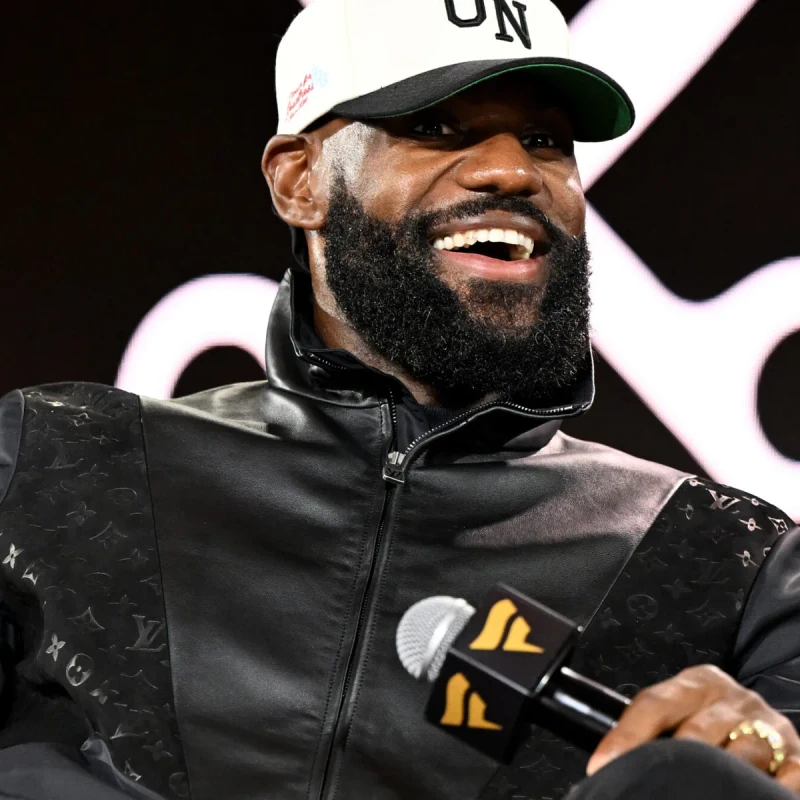
    LeBron James, an elder statesman of the NBA whose words carry immense weight, has recently come under fire for comments made during an appearance on the Bob Does Sports YouTube channel. While discussing NBA expansion and relocation, James made remarks about Memphis that critics argue perpetuate harmful narratives and align with the league’s alleged bias against smaller, predominantly Black cities.

    Criticism of Memphis and Support for Relocation

    With the NBA reportedly considering expansion teams in Seattle and Las Vegas, and requiring substantial investment and suitable arenas, the conversation has also turned to team relocation. During the discussion, James expressed a clear disinterest in Memphis as a potential NBA market, stating, ‘I’m f***ing 41 years of age. You think I want to do sh** in Memphis on a random Thursday?’ He suggested the team should relocate to Nashville, citing its arena, Vanderbilt University, a NASCAR track, and the NHL’s Predators as reasons for its suitability.

    These comments have been met with disappointment and criticism, particularly given Memphis’s predominantly Black population (64%) and its rich cultural contributions, especially in hip-hop—a genre LeBron himself has often celebrated. Critics argue that James, despite his influence, used his platform to dismiss a passionate fanbase and a city with significant cultural exports, seemingly aligning with narratives pushed by right-wing media figures who have historically criticized him.

    The Context of Negative Narratives About Memphis

    Memphis has faced increased scrutiny regarding its quality of life and crime rate in recent years. While the city does have a high violent crime rate, this became a focal point in NBA discourse particularly after Donald Trump’s presidency, during which federal actions, like deploying the National Guard to cities with large Black populations including Memphis, were seen by some as stigmatizing. Sports commentators like Stephen A. Smith have also fueled the narrative, suggesting players feel unsafe in Memphis, which has caused anxiety among fans about the Grizzlies’ future in the city.

    The article points out a potential coordinated effort to marginalize Memphis as an NBA market, involving political figures, media commentators, and now, influential players like LeBron James. This is particularly concerning given the NBA’s historical challenges with small-market teams, which often struggle with revenue generation compared to larger, more prominent cities.

    Hypocrisy and Billionaire Mentality

    Critics highlight hypocrisy in James’s comments, noting his own origins in Akron, Ohio, and his tenure with the Cleveland Cavaliers, a market that also faced challenges. James himself left Cleveland twice, yet the article suggests he would likely not advocate for their relocation. Furthermore, a past collaboration between LeBron and Nike on a sneaker inspired by the Lorraine Motel—the site of Martin Luther King Jr.’s assassination in Memphis—makes his disparaging remarks about the city seem particularly tone-deaf and lacking in self-awareness.

    • LeBron James commented on NBA expansion and relocation during a YouTube appearance.
    • He expressed disinterest in Memphis as an NBA city and suggested relocation to Nashville.
    • Critics accuse James of perpetuating racist narratives about Memphis, a predominantly Black city.
    • Memphis has faced negative press regarding crime rates, amplified by political figures and media.
    • James’s comments are seen as hypocritical given his own career path and past collaborations.
    • The NBA’s alleged bias against small markets and the financial motivations behind relocation are discussed.

    The article concludes that James’s comments may signal a shift towards prioritizing capital accumulation and franchise ownership in major markets as his retirement approaches, potentially at the expense of cities like Memphis. This perspective suggests a detachment from the realities faced by fans and communities, reflecting a broader trend in professional sports where business interests often overshadow loyalty and cultural significance.

    What are your thoughts on LeBron James’s comments about Memphis? Do you believe they perpetuate harmful narratives? Share your opinions in the comments below!

  • Ye’s ‘Bully’ Drops Amidst Listener Fatigue

    There was a time when a new release from Kanye West—now known as Ye—felt like a seismic event in music. His albums demanded attention, sparking immediate debate and analysis. However, the arrival of his latest effort, ‘Bully,’ signals a noticeable shift. While Ye still commands attention, the energy surrounding his music feels different, marked by a growing sense of listener fatigue rather than fervent anticipation.

    A Shift in Reception

    ‘Bully’ has generated headlines and drawn listeners out of curiosity or loyalty, but the initial reactions suggest a departure from the intense engagement his earlier work inspired. While the production reportedly embraces a certain tension, and peers offer applause, fans seem less inclined to dissect the lyrics. For an artist once hailed as one of Hip Hop’s most influential figures, ‘Bully’ arrives with a significant rollout and impressive streaming numbers, yet it lacks the widespread fanfare of his past projects.

    Many attribute this muted reception to “Kanye West fatigue.” The constant barrage of controversial incidents has cast a long shadow over his musical legacy, making it increasingly difficult for listeners to separate the art from the artist’s actions and statements.

    The Unavoidable Pattern of Controversy

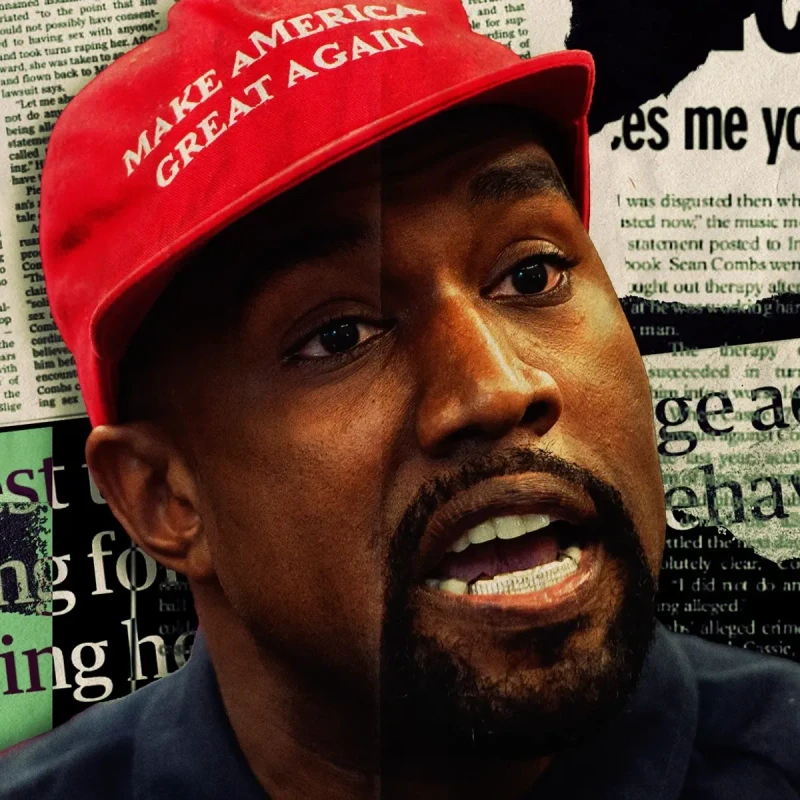
    Any discussion about Ye that focuses solely on the music feels incomplete, bordering on avoidance. The pattern of controversial behavior spans years, dating back to his comments after Hurricane Katrina and his infamous “slavery was a choice” remark in 2018. His public alignment with Donald Trump, including wearing the MAGA hat and his surreal Oval Office appearance, further complicated his public image.

    The year 2022 proved particularly tumultuous. The “White Lives Matter” shirt at his Paris fashion show, his antisemitic remarks leading to the loss of major partnerships with Adidas and Balenciaga, and his appearance on Alex Jones’ platform praising Hitler, all contributed to widespread condemnation. These incidents, alongside his ongoing public harassment of ex-wife Kim Kardashian, have created a narrative that overshadows his musical output.

    Hip Hop’s History of Forgiveness (and Fatigue)

    Hip Hop has a history of making space for artists despite their controversies, often allowing the music to recalibrate the conversation. Chris Brown, despite assault convictions and abuse allegations, has maintained a career. XXXTentacion’s serious abuse allegations were often overshadowed by his posthumous connection with fans. Kodak Black continues to navigate controversy and support side-by-side. Even Dr. Dre’s past admitted violence against women became secondary to his monumental legacy.

    These examples show that forgiveness in Hip Hop is rarely formal; it’s often negotiated through continued engagement. However, the accumulation of Ye’s actions feels different. It’s not just isolated incidents but a sustained pattern of behavior with little evidence of accountability or reflection. This pattern has led to a cultural response that feels less like anger and more like exhaustion.

    The Shifting Balance: From Artist to Figure

    Ye’s music has always been in conversation with his personal narrative, with each era offering a new tension that the music often reframed. From the self-awareness of ‘The College Dropout’ to the grief of ‘808s & Heartbreak’ and the abrasive confrontation of ‘Yeezus,’ the music provided context and a reason to stay engaged. However, with ‘Donda’ and now ‘Bully,’ the spectacles and controversies seem to have eclipsed the substance.

    ‘Bully’ doesn’t reframe Ye or challenge the narrative built around him; instead, it exists within it. The listening experience is no longer about an artist rewriting his story but about hearing music alongside everything associated with his name: antisemitism, controversial political stances, and public family turmoil. This shift has transformed Kanye West from a cultural force into a figure defined by his personal struggles.

    The question is no longer whether the art can be separated from the artist, but whether the art still carries enough weight. ‘Bully’ highlights a collective recalibration, where audiences are quietly deciding how much access they are willing to grant. While Ye’s legacy is secured, his relationship with the present remains uncertain. The audience’s disengagement, whether announced or silent, speaks volumes. The focus has shifted from forgiveness to distance, as the culture quietly recalibrates its willingness to engage.

    What are your thoughts on Ye’s new album ‘Bully’ and the current reception? Has listener fatigue set in for you? Share your opinions in the comments below!

  • Usher & J. Cole’s Diddy Comments Spark Accountability Debate

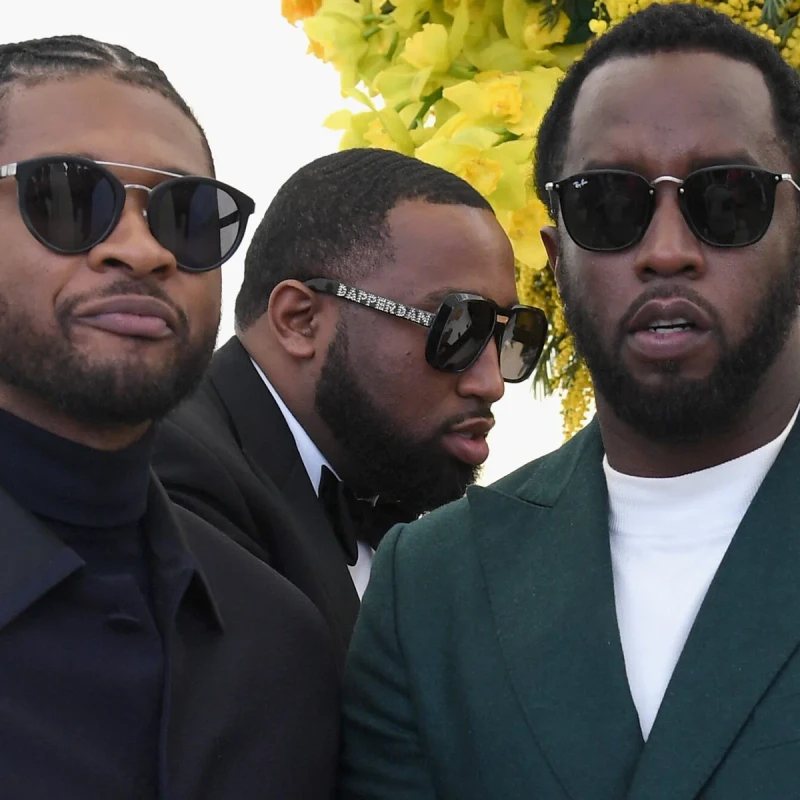
    Have you ever noticed how sometimes, when serious allegations surface against a public figure, the response from their peers can feel… a little too quiet? That’s exactly the conversation brewing around recent comments from music heavyweights Usher and J. Cole regarding Sean “Diddy” Combs. It’s not just about what they said, but more importantly, what they *didn’t* say, and why that silence speaks volumes in the face of mounting evidence.

    The Weight of Allegations

    Let’s be clear: the allegations against Diddy aren’t new or ambiguous. Lawsuits have been filed, court testimonies have been given, and damning surveillance footage has emerged, showing him in a violent altercation with Cassie Ventura. Beyond that, other women have shared their own experiences of abuse, and former associates have detailed patterns of control and intimidation. These aren’t whispers; they are documented accounts.

    What’s shifted recently is how some of the most prominent men in the music industry are choosing to address these serious issues. Instead of confronting the documented facts, their responses seem to be carefully navigating around them, opting for softer, more palatable language.

    J. Cole’s ‘Kicking a Man While He’s Down’ Stance

    J. Cole, for instance, explained his decision not to release a podcast episode about a past altercation with Combs. His reasoning? He didn’t want to “kick a man while he’s down.” While this sentiment might sound considerate on the surface, it completely sidesteps the established public record. The most impactful image associated with these allegations isn’t speculation; it’s the undeniable surveillance footage of Combs’s violent actions.

    Framing accountability as “kicking a man while he’s down” shifts the focus. It subtly recasts public criticism, which is a response to documented behavior, as excessive or cruel. This approach inadvertently protects the accused by centering the narrative on his perceived hardship rather than the experiences of those who have spoken out.

    Usher’s ‘Misrepresented’ Defense

    Around the same time, Usher offered his perspective, stating he had “nothing negative to say” about Diddy and suggested the mogul had been “misrepresented.” He leaned on his personal experience, implying that his own interactions didn’t align with the public allegations. This reliance on personal proximity, however, creates a disconnect from the documented evidence.

    While personal experience is valid, using it as the sole benchmark for public commentary on serious allegations is problematic. It suggests that if you haven’t personally witnessed or experienced harm, you’re not qualified to acknowledge or discuss what has been publicly documented. This effectively removes the victims from the conversation, prioritizing the accused’s personal narrative over established facts.

    What’s Actually Known vs. What’s Left Unsaid

    The public conversation surrounding Diddy is built on a foundation of multiple lawsuits, court testimonies, and widely circulated evidence, including the hotel hallway video. Accounts from former partners like Gina Huynh and lawsuits from individuals like producer Rodney “Lil Rod” Jones detail patterns of abuse and misconduct that extend beyond personal relationships into professional spheres. These aren’t isolated incidents; they form a consistent narrative.

    When prominent figures like J. Cole and Usher choose not to directly engage with this body of evidence, they are making a deliberate choice. They don’t mention Cassie Ventura by name, nor do they acknowledge the video that has become a focal point. This silence, framed as restraint or personal perspective, ultimately positions them within the situation, drawing a line between public knowledge and their chosen narrative.

    The Impact of Silence in the Industry

    In an industry where relationships and access are paramount, speaking out against someone with Diddy’s influence can have significant career repercussions. It can be perceived as a betrayal, potentially closing doors that were once open. This environment makes silence an easier, more justifiable option, especially when it can be cloaked in terms of fairness or avoiding unnecessary conflict.

    However, in situations involving documented abuse and multiple accusers, neutrality isn’t truly neutral. Choosing not to engage with the facts doesn’t absolve anyone; it implicitly aligns them with the status quo. It’s a stark reminder that sometimes, the most powerful statement comes not from speaking, but from the deliberate choice to remain silent.

    What are your thoughts on Usher and J. Cole’s comments regarding Diddy? Do you think silence from powerful figures is ever truly neutral? Share your perspective in the comments below!

  • 8 Legendary Nike Air Yeezy Samples We Never Got

    When you think of Nike and Kanye West’s iconic Air Yeezy line, you probably picture the few colorways that actually made it to retail. But what if I told you there was a whole world of incredible designs that never saw the light of day? Nike and Kanye experimented with dozens of samples and prototypes before landing on the final releases. Some were too similar to existing kicks, others didn’t pass Kanye’s strict standards, and some Nike just said ‘no’ to. These scrapped designs are often just as fascinating, if not more so, than the ones we know and love. Let’s dive into the 8 most legendary Nike Air Yeezy samples that remain elusive treasures for sneakerheads.

    8. Nike Air Yeezy “Tinker Hatfield” Sample

    Kicking off our list is a subtle yet deeply meaningful tribute. This ‘Tinker Hatfield’ sample, featuring a clean white and university blue palette, is a nod to the legendary Nike designer behind icons like the Air Jordan 3 and Air Max 1. It presents the Air Yeezy 1 silhouette in a more understated, lifestyle-focused way than the retail versions.

    While never seriously considered for release, it represents a cool internal connection between Kanye’s vision and Tinker’s design legacy. It’s a quiet but significant footnote in the history of Nike Yeezys.

    7. Nike Air Yeezy 2 “Cheetah” Sample

    This ‘Cheetah’ sample is one of the most mythical in the entire Nike Yeezy catalog. Inspired by the Nike Kobe 7’s Christmas colorway, it takes the Air Yeezy 2 silhouette into a bold, all-purple realm. Accents of red laces, gold aglets, and a glow-in-the-dark outsole add to its unique appeal, while a quilted purple upper sets it apart.

    Rumored to exist in only about three pairs, it’s incredibly rare. The striking purple and gold combination, plus the Kobe connection, makes you wonder what other amazing designs could have emerged if the Nike partnership had continued.

    6. Nike Air Yeezy 1 “Fire Red” Sample

    This ‘Fire Red’ sample was agonizingly close to becoming a retail release. Kanye himself rocked these during his 2008 ‘Glow in the Dark’ tour, and reports suggest it was seriously considered as a fourth colorway for the Air Yeezy 1. The standout feature? A striking red midsole that gave the shoe a completely different energy.

    Looking back, it’s baffling it didn’t make the cut. With its on-tour history and bold design, the ‘Fire Red’ would have been a perfect addition to the original lineup.

    5. Nike Air Yeezy 2 “Mismatch” Sample

    True to its name, the ‘Mismatch’ sample features one half inspired by the Solar Red colorway and the other by the Pure Platinum. This split design felt intentional, more like a statement than a simple color test. Nike ultimately scrapped it for being too derivative, but Kanye reportedly loved the concept.

    What makes this sample truly special is that the only known pair is signed by Kanye himself on the midsole. It’s a unique collector’s item that, while not released, found its way onto a very special shelf.

    4. Nike Air Yeezy 2 “MBDTF” Sample

    Before many even saw the Air Yeezy 2 silhouette, Kanye debuted this sample at Coachella in 2011. Named after his critically acclaimed album ‘My Beautiful Dark Twisted Fantasy,’ this black and off-white colorway immediately made waves. It was the first public glimpse of the Yeezy 2 design and instantly broke the internet.

    The tonal dark upper with cream accents and a gum sole felt sophisticated and set the visual tone for the eventual retail releases. This sample holds a special place for creating a monumental ‘reveal before the reveal’ moment in sneaker culture.

    3. Nike Air Yeezy 2 “Silver/White” Sample

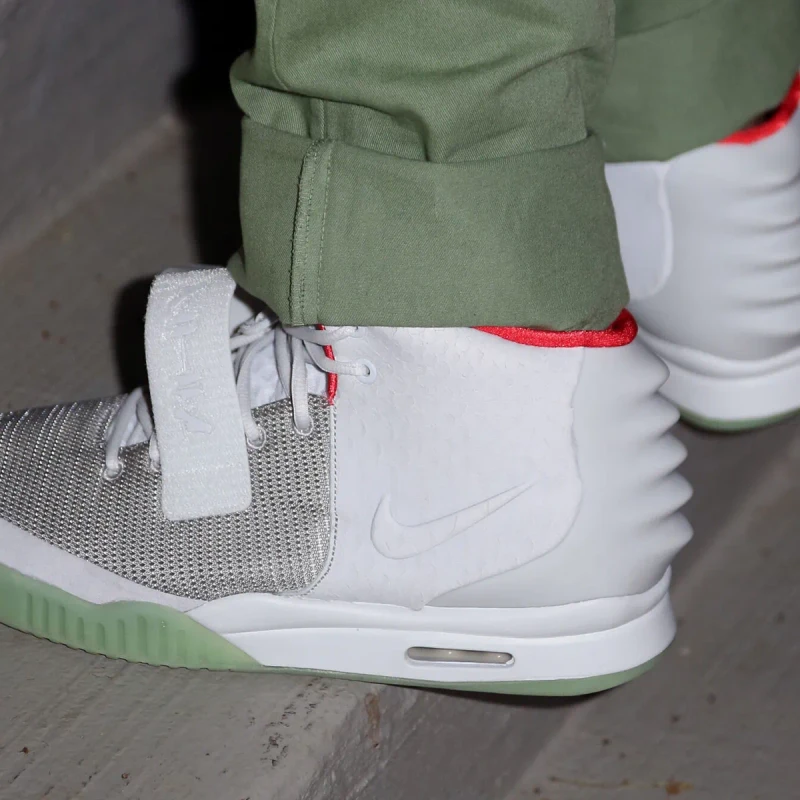
    This ‘Silver/White’ sample is arguably the most visually stunning unreleased Yeezy 2, with many arguing it surpasses the retail versions. The metallic silver forefoot contrasts sharply with the white upper, creating a futuristic aesthetic. Details like the glow-in-the-dark outsole and hieroglyphic-inspired straps tie it back to the Yeezy 2’s design language.

    Its recent surfacing has sneaker collectors buzzing about the potential of the Yeezy 2 lineup. The mysterious ‘LKS SAMPLE’ tag only adds to its allure, making its absence from retail a significant ‘what-if’ in Nike Yeezy history.

    2. Nike Air Yeezy 1 “Air Jordan 6” Sample

    This sample boasts one of the wildest origin stories. Kanye wanted to integrate Jordan Brand tooling into the Yeezy design, but Nike initially refused. However, Nike’s Innovation team secretly built a version anyway, placing a Yeezy 1 upper on an Air Jordan 6 sole. They never even showed it to Kanye!

    This shoe, sold at a charity auction in 2009, represents a literal road not taken – a fascinating collision of two of Nike’s most important silhouettes. Kanye reportedly had no idea it existed until the auction day.

    1. Nike Air Yeezy 1 “Grammy” Prototype

    This isn’t just the most important Nike Yeezy sample; it’s arguably one of the most culturally significant sneakers of the 21st century. Kanye wore this all-black prototype on stage at the 2008 Grammy Awards, marking the first public appearance of the Nike Air Yeezy. This moment permanently altered the relationship between music and sneaker culture.

    Crafted in secrecy at Nike’s Innovation Kitchen, it featured a black leather upper, perforated detailing, a Swoosh, and signature Yeezy strap with pink Y medallion lacelocks. It sold for a record-breaking $1.8 million at Sotheby’s in 2021, cementing its legendary status. No other sample comes close to its historical impact.

    Which of these unreleased Nike Air Yeezy samples do you wish had made it to retail? Let us know your favorites in the comments below!