Tag: Original Content

  • Megan Thee Stallion: Misogyny & The Public Narrative

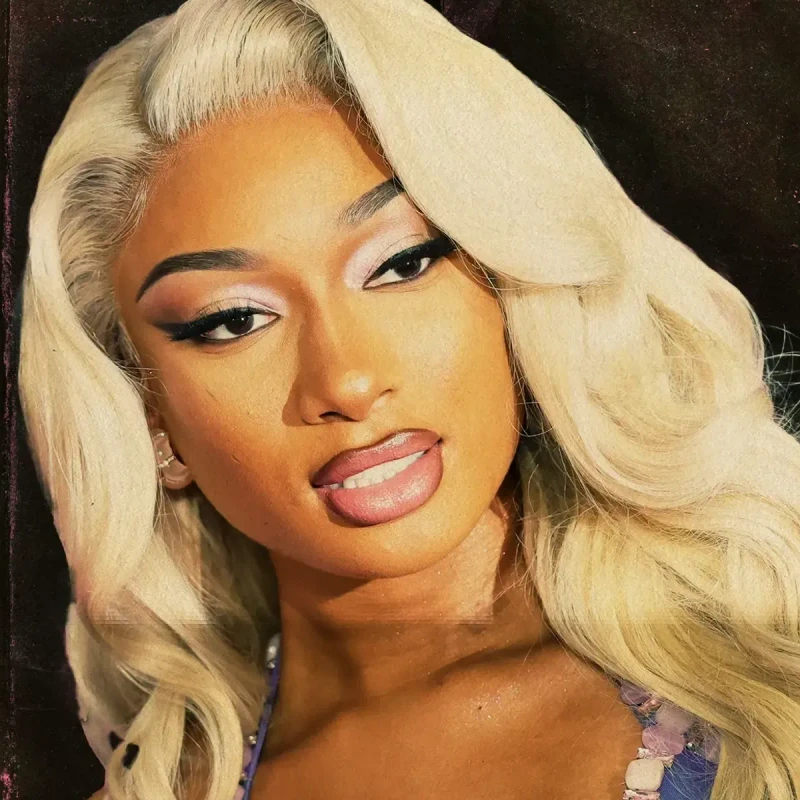
    It seems like no matter what Megan Thee Stallion does, the public conversation often takes a sharp turn, focusing less on her experiences and more on harsh judgments about her character. This pattern reared its head again recently following the news of her breakup with NBA star Klay Thompson. What should have been a conversation about a personal relationship ending quickly morphed into something else entirely.

    From Relationship to Public Spectacle

    Megan and Klay’s relationship appeared to be quite serious. They were seen together during holidays, on red carpets, and even shared glimpses of what looked like a shared home. Then, Megan shared that the relationship was over, citing infidelity and treatment that didn’t align with their public image. This directness should have been the focus.

    However, the narrative quickly shifted. Instead of focusing on the alleged cheating or the pain Megan described, the conversation turned to *her*. People questioned her decision to speak publicly about the infidelity, dissecting her choices rather than the situation itself. This immediate pivot is a painful reminder of the scrutiny she often faces.

    The Deafening Sound of Misogyny and Misogynoir

    The online reaction was swift and, frankly, brutal. Comments flooded social media, framing the breakup as something Megan had ‘earned’ or deserved. Her past, her body, her lyrics – anything and everything was brought up to justify the harshness. Meanwhile, Klay Thompson was seen seemingly unbothered, enjoying himself on a boat, which only amplified the stark contrast in how the situation was being perceived.

    This isn’t just simple criticism; it’s a clear display of misogyny and, more specifically, misogynoir – the intersection of anti-Black racism and misogyny. Voices with platforms, like DJ Akademiks, amplified these harmful narratives, turning Megan’s pain into content and reinforcing damaging stereotypes. The language used, calling her names and suggesting she was ‘passed around,’ is unacceptable and contributes to a culture where women, especially Black women, are punished for their confidence and success.

    KevOnStage’s Litmus Test

    Comedian KevOnStage offered a powerful perspective, suggesting that how people talk about Megan Thee Stallion acts as a ‘litmus test’ for their views on relationships, women, and even broader societal issues. He argued that your opinion on Megan reveals a lot about your underlying beliefs. This idea resonates because the pattern is so consistent: the details of the situation change, but the misogynistic tone remains.

    This isn’t about whether you’re a fan of her music; it’s about how empathy and grace are extended when a woman, particularly a successful Black woman, experiences hardship. The tendency to reduce her to stereotypes and blame her for her own pain is deeply ingrained and consistently revealed in these public reactions.

    The Lingering Shadow of Tory Lanez

    Adding another layer to this complex narrative is the persistent shadow of the Tory Lanez case. Even as Klay Thompson faces accusations of cheating, some online commentators have twisted it into ‘karma’ or payback related to the 2020 shooting incident. This is a dangerous reframing that ignores the legal facts: Tory Lanez is currently serving a prison sentence for felony assault and firearm charges related to shooting Megan Thee Stallion.

    Despite the legal outcome, Megan is still often blamed, called a liar, and her experiences are continuously reinterpreted to fit a narrative that absolves the perpetrator and punishes the victim. This rewriting of her story is a common tactic used to undermine her credibility and justify the public’s harsh judgment.

    Reputations Under Fire: A Pattern of Blame

    This isn’t an isolated incident for Megan. Her past relationships, including those with Moneybagg Yo and Pardison Fontaine, have followed a similar pattern. When things are good, the relationships are visible and sometimes celebrated. But when they end, the focus shifts to Megan – her choices, her image, her past traumas, her very identity – as if these factors are direct explanations for the relationship’s demise.

    Her openness, her sexuality, her success, even her accomplishments and how she celebrates them, are weaponized. These traits are twisted into evidence against her, overshadowing the actual events of the relationships. It’s a relentless cycle that fails to acknowledge her resilience, like losing both parents and her grandmother while still achieving massive career success and completing her degree.

    Misogynoir: The Unseen Force

    Ultimately, misogynoir thrives in the space between what Megan experiences and how society chooses to react. It’s the instinct to punish her for not shrinking herself, for being unapologetically herself. It’s how serious situations are trivialized into jokes and how her pain is reframed as a deserved consequence rather than actual harm.

    The conversations surrounding Megan Thee Stallion go beyond celebrity gossip; they reveal deeper societal biases. Every time she becomes the subject of public discussion, it offers a stark look at the prejudices many are still holding onto. It’s a powerful reminder that challenging these narratives requires conscious effort and a commitment to seeing individuals, especially Black women, with empathy and fairness.

    What are your thoughts on the way public figures like Megan Thee Stallion are discussed? How can we foster more empathetic and less judgmental conversations online? Share your perspective in the comments below!
  • Ranking MJ’s Finals Air Jordans: From ‘Last Shot’ to First Title

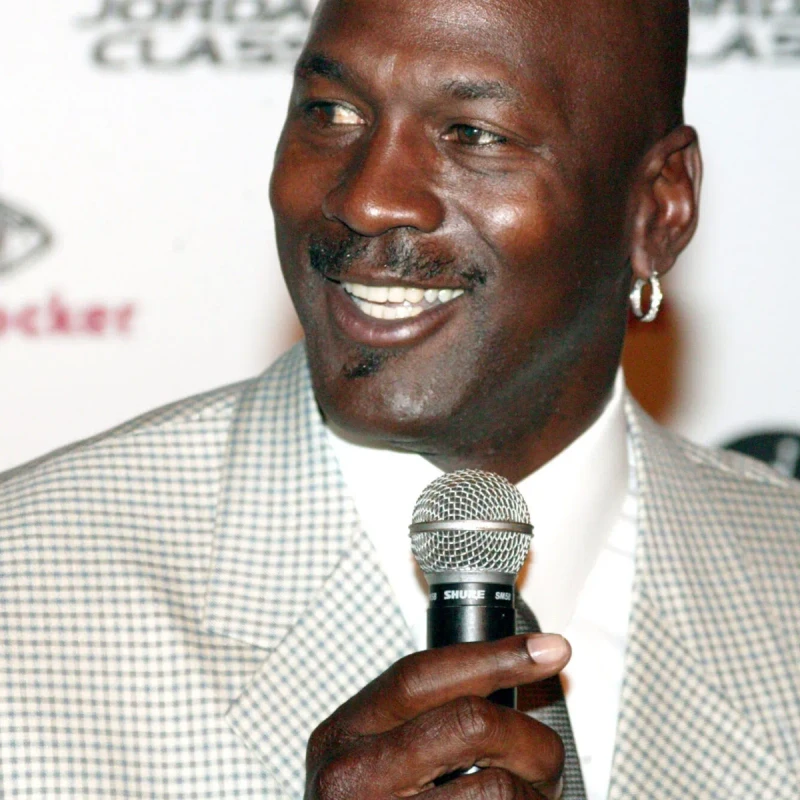
    Michael Jordan’s six NBA Finals appearances between 1991 and 1998 are etched in basketball history. He didn’t just win all six; he did it in style, rocking some of the most iconic Air Jordan models ever created. These aren’t just shoes; they’re artifacts tied to unforgettable moments. Let’s dive into every Air Jordan colorway MJ wore during those championship runs and rank them!

    The Pinnacle of Performance: Ranking the Finals Footwear

    From the game-winning shot that sealed his final championship to the very first one that kicked off his dynasty, MJ’s Finals sneakers tell a story. He sported eight different colorways across those six series, often switching between home and away pairs. Each pair carries the weight of history, making this ranking a journey through basketball’s greatest moments.

    8. Air Jordan 14 “Last Shot”

    This shoe is immortalized by one of the most clutch shots ever. In Game 6 of the 1998 Finals against the Utah Jazz, Jordan hit a pull-up jumper over Bryon Russell with seconds left, securing his sixth title. He wore a prototype of the AJ14, inspired by his Ferrari, featuring a black upper and red accents. It’s a legendary shoe tied to an iconic moment.

    7. Air Jordan 13 “Bred”

    The majority of the 1998 Finals saw Jordan in the Air Jordan 13 “Bred.” This was the heart of ‘The Last Dance,’ where MJ averaged an incredible 33.5 points per game to earn his sixth Finals MVP. Designed by Tinker Hatfield with inspiration from a black panther, its holographic eye and textured upper made it stand out, perfectly matching the Bulls’ colors.

    6. Air Jordan 12 “Flu Game”

    Game 5 of the 1997 Finals is legendary, thanks to Jordan playing through a severe illness (later revealed to be food poisoning). He dropped 38 points, leading the Bulls to a crucial 90-88 win. The black and red Air Jordan 12 he wore that night became known as the “Flu Game” colorway, forever linked to his incredible resilience.

    5. Air Jordan 12 “Taxi”

    While the “Flu Game” AJ12 gets the spotlight for Game 5, Jordan actually wore the “Taxi” colorway for the series-clinching Game 6 of the 1997 Finals. This cleaner white, black, and gold version represented luxury, a key design element for the AJ12. It’s tied to both the clinching moment and home games throughout that championship run.

    4. Air Jordan 11 “Bred”

    After dominating the 72-10 regular season in the “Concord” AJ11s, Jordan switched to the iconic “Bred” colorway for the 1996 Finals against the Seattle SuperSonics. This black patent leather masterpiece, paired with red and white, was on his feet for Games 3-6, including the clincher. The image of a tearful Jordan on the locker room floor in these shoes after winning his first title without his father is unforgettable.

    3. Air Jordan 8 “Playoffs”

    Jordan’s third consecutive championship in 1993 was sealed in the Air Jordan 8 “Playoffs.” He averaged a staggering 41.0 points per game in that series against the Phoenix Suns, an NBA Finals record. The AJ8, with its distinctive dual cross straps and graphic midsole, was the only colorway he wore during that entire postseason run, marking his third straight Finals MVP.

    2. Air Jordan 7 “Raptors”

    The 1992 NBA Finals against the Portland Trail Blazers featured one of MJ’s most iconic performances: hitting six threes in the first half of Game 1 and famously shrugging to the broadcast table. He wore the unique “Raptors” colorway – black suede with red, charcoal, and purple accents – throughout the series, averaging 35.8 points and securing his second consecutive title and MVP. This was also the first Jordan shoe without visible Nike branding.

    1. Air Jordan 6 “Black Infrared”

    This is it – the shoe that started it all. The Air Jordan 6 “Black Infrared” is the most important sneaker on this list because it was on MJ’s feet when he won his very first NBA championship in 1991. After years of battling the Detroit Pistons, Jordan and the Bulls finally broke through, defeating the Lakers in five games. MJ’s performance was stellar (31.2 points, 11.4 assists), earning him his first Finals MVP. The AJ6, with its sleek design and iconic infrared accents, paved the way for every championship shoe that followed.

    Which of Michael Jordan’s Finals Air Jordans is your favorite? Let us know in the comments below!

  • 10 Iconic Air Jordan 1 Moments in Hip Hop

    The Air Jordan 1 isn’t just a sneaker; it’s a cultural icon, and its connection to hip hop is undeniable. Since its debut in 1985, the AJ1 has graced album covers, front-row seats, and countless social media feeds, becoming a symbol of style and status in the music world. Let’s dive into ten moments that cemented the Air Jordan 1’s legendary status in hip hop history.

    10. Teyana Taylor x Air Jordan 1 Zoom CMFT 2 ‘A Rose From Harlem’

    Teyana Taylor, a respected voice in sneaker culture long before brand collaborations became mainstream, earned her place with this significant partnership. The ‘A Rose From Harlem’ AJ1 is a personal reflection of her Harlem roots and deep connection to New York street culture, making her one of the few women to collaborate on this iconic silhouette.

    9. Just Don x Air Jordan 1 ‘BHM’

    Don C, a key figure at the intersection of hip hop and fashion, delivered a culturally resonant collaboration with the ‘BHM’ AJ1 during Black History Month. This wasn’t just a celebrity endorsement; it was a testament to his years of creative work within the culture, signaling Jordan Brand’s growing recognition of hip hop’s creative community.

    8. J. Balvin x Air Jordan 1 OG High ‘Colores Y Vibras’

    J. Balvin made history as the first Latino artist to collaborate on an Air Jordan 1. Unveiled during his electrifying Super Bowl LIV halftime performance in 2020, the ‘Colores Y Vibras’ shoe, with its vibrant tie-dye canvas, was a direct extension of Balvin’s unique aesthetic, marking a significant moment for Latin representation in sneaker culture.

    7. A Tribe Called Quest x Air Jordan 1 High Strap

    Commemorating the release of their final album, A Tribe Called Quest’s AJ1 collaboration in 2017 underscored the legendary group’s profound influence. The red, black, and green colorway carried Pan-African significance, making it one of the most culturally specific and respected AJ1 collaborations.

    6. Drake’s Off-White Air Jordan 1s Co-Sign

    Drake’s long-standing relationship with Jordan Brand gained even more weight when he showcased both the Off-White x AJ1 ‘Chicago’ and ‘White’ models in 2017. His massive social media reach introduced the coveted collaboration to an audience far beyond the traditional sneaker community, serving as a powerful, organic endorsement.

    5. A$AP Rocky’s Versatile AJ1 Style

    A$AP Rocky is renowned for his fashion-forward approach, seamlessly blending luxury, vintage, and streetwear. His consistent documentation in various Air Jordan 1 colorways—from Off-White to ‘Bred’—highlights the shoe’s versatility and Rocky’s genuine appreciation for the silhouette, showcasing its ability to stand out within a high-fashion wardrobe.

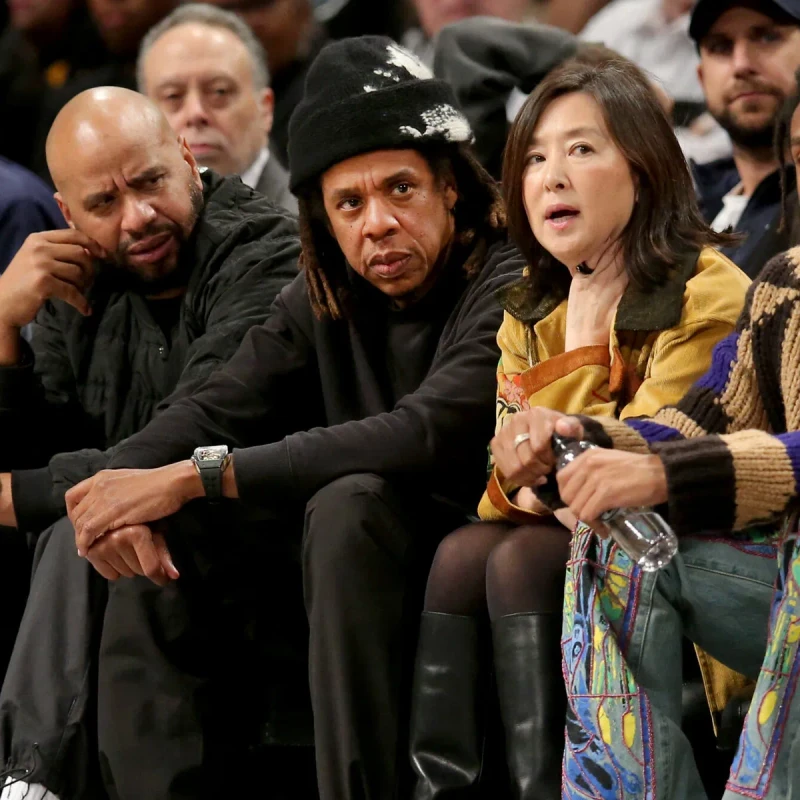
    4. Jay-Z Courtside in Off-White x Air Jordan 1 ‘Chicago’

    Jay-Z’s appearance courtside in the highly coveted Off-White x Air Jordan 1 ‘Chicago’ was a significant moment, especially given his history with Puma. This unprompted co-sign from a figure with such deep roots and credibility in sneaker culture sent a clear message, marking one of the most high-profile AJ1 sightings in recent memory.

    3. Travis Scott x Air Jordan 1 High ‘Mocha’

    The ‘Mocha’ collaboration in 2019 redefined rapper-Jordan Brand partnerships. Travis Scott’s signature reverse Swoosh design became instantly iconic, fundamentally changing how Jordan Brand approached artist collaborations by granting significant creative input. The shoe’s massive commercial success and enduring high resale value introduced the AJ1 to a new generation.

    2. Kanye West at Fashion Week in Air Jordan 1 ‘Bred’

    Kanye West’s front-row appearance at a 2011 Burberry fashion show in London, wearing the Air Jordan 1 ‘Bred,’ is a pivotal image in sneaker culture. This moment crystallized the AJ1’s crossover into high fashion, signaling that basketball shoes could hold their own on the most exclusive style platforms and shifting the perception of the sneaker industry.

    1. LL Cool J Wears the Air Jordan 1 ‘Bred’ on ‘Radio’ Album Cover

    This is where it all began. In 1985, LL Cool J graced the back cover of his debut album ‘Radio’ in the Air Jordan 1 ‘Bred.’ At a time when hip hop favored Adidas and Puma, LL’s organic choice—without a Nike deal—marked the first documented instance of a rapper prominently featuring the AJ1 on a record. This foundational moment paved the way for the enduring relationship between the shoe and hip hop culture.

    Which of these Air Jordan 1 moments in hip hop history is your favorite? Let us know in the comments below!

  • Drake’s 2016 Reign: A Decade Later

    Remember 2016? It felt like you couldn’t escape Drake’s music, no matter where you went. That year wasn’t just good for him; it was *his* year, from start to finish. He wasn’t just sharing the spotlight; he was holding onto it with both hands, and a decade later, his influence is still palpable.

    The Year Kicked Off with a Bang

    Drake was already making waves before his own album dropped. He was featured on Rihanna’s massive hit “Work,” which spent weeks at the top of the charts. This collaboration alone put him at the center of the music world right at the start of the year.

    Then, on April 29, 2016, “Views” arrived. It wasn’t just another album release; it was an event. The album immediately dominated, and its songs like “One Dance,” “Controlla,” and “Too Good” became inescapable. You heard them everywhere, constantly, a testament to their widespread appeal.

    More Than Just Numbers: A Constant Presence

    Looking back, the sales and streaming records were incredible, but what truly defined 2016 was the *feeling* of Drake’s constant presence. He wasn’t just dropping in for a moment; he was already there, and “Views” solidified his position, leaving little room for anyone else to take over the charts or radio waves.

    Even before “Views,” Drake was on a roll. His releases like “If You’re Reading This It’s Too Late” and “What a Time to Be Alive” kept him in heavy rotation. So, when 2016 began, he was already a fixture, setting the stage for an even bigger year.

    The “Views” Phenomenon

    The release of “Views” wasn’t just big; it redefined what an album release could look like in the streaming era. The first week numbers were astronomical, but the real magic happened afterward. Twenty songs from the album simultaneously hit the Billboard Hot 100, proving the entire project resonated, not just a couple of singles.

    “Views” held the number one spot for thirteen weeks, a remarkable feat that kept it relevant for months. While other albums came and went, “Views” maintained its grip, showcasing its lasting impact. The album’s diverse sound, expertly crafted by Noah “40” Shebib and featuring contributions from artists like Nineteen85, Murda Beatz, Kanye West, and Southside, kept it fresh and engaging.

    • Core atmospheric sound by Noah “40” Shebib
    • Dancehall vibes on “One Dance” and “Controlla”
    • Harder edges from Southside
    • Kanye West’s writing contributions on “U with Me?”

    Collaborations with Rihanna on “Too Good” and features from Future and PARTYNEXTDOOR further broadened the album’s appeal, pulling it into different sonic territories without losing its core identity. The strategic rollout, including an early exclusive on Apple Music, created a concentrated buzz that fueled its widespread adoption.

    The Songs That Defined the Year

    It wasn’t just one hit song; it was a collection. “One Dance” spent ten weeks at number one, but its staying power was even more impressive. Then there was “Pop Style,” released before the album, setting a confident tone. “Controlla” followed, solidifying the album’s signature sound with its Dancehall influence.

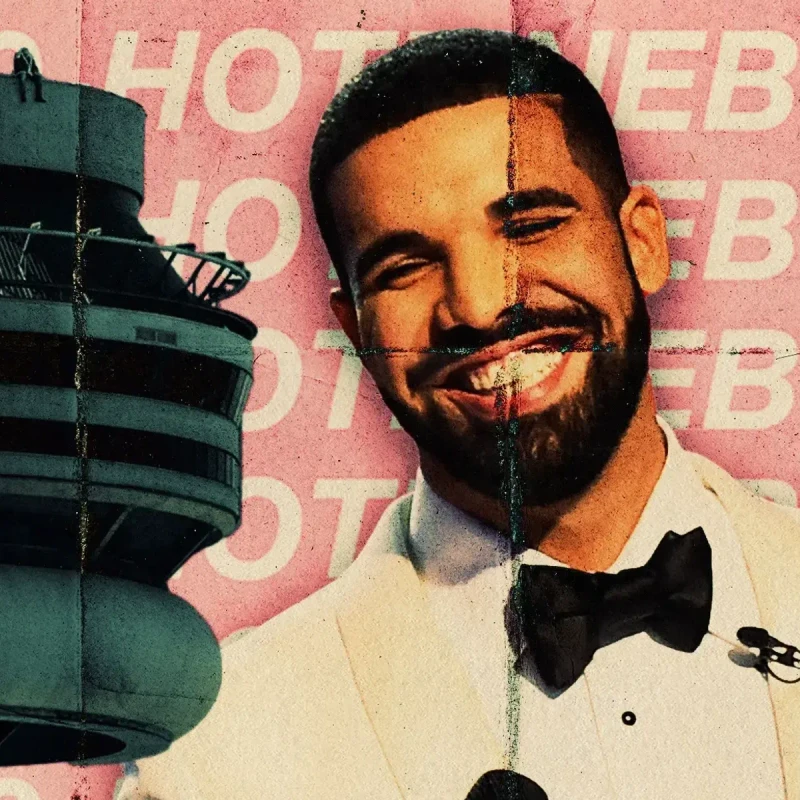
    Even “Hotline Bling,” released in late 2015, continued its reign through 2016, picking up awards and staying on the radio. This constant stream of different, yet connected, Drake tracks created a unique listening experience where it felt like you were hearing multiple versions of him throughout the year, all overlapping and staying relevant.

    Awards, Records, and Unprecedented Reach

    Drake’s dominance was officially recognized with a record-breaking 13 American Music Award nominations, surpassing Michael Jackson’s previous record. This wasn’t just about popularity; it was a statistical confirmation of his massive cultural footprint.

    He continued to rack up accolades, earning eight Grammy nominations for his 2016 work, including wins for “Hotline Bling.” Billboard’s year-end charts painted a clear picture: Drake wasn’t just a rap artist or a singles artist; he was a constant, pervasive presence across all genres and platforms. IFPI naming him the Global Recording Artist of 2016 only cemented this status.

    Plenty of artists have had No. 1 records and huge albums. Yet, 2016 felt different because Drake had the hits, the album, the features, the streaming records, and then the awards bodies and global industry rankings came in behind it. — Erika Marie

    Ten years on, the impact of Drake’s 2016 takeover is undeniable. He didn’t just have a great year; he set a new benchmark for sustained artistic dominance. What are your favorite memories or tracks from Drake’s monumental 2016?

    What do you think about Drake’s 2016 dominance? Share your thoughts and favorite tracks in the comments below!

  • Ranking Jay-Z’s Iconic Sneaker Collaborations

    Jay-Z isn’t just a hip-hop mogul; he’s a style icon whose influence has profoundly shaped the sneaker industry. For over two decades, Hov has partnered with major brands, creating memorable collaborations that range from album tie-ins to game-changing signature lines. Let’s dive into his impressive sneaker catalog and rank every collaboration, from the understated to the revolutionary.

    The Reebok S. Carter Era: A Game Changer

    Jay-Z’s partnership with Reebok, kicking off in 2003 with the S. Carter line, was nothing short of revolutionary. It fundamentally altered the landscape of non-athlete endorsements in the sneaker world. Before S. Carter, it was rare for a musician to have such a prominent and successful footwear line. This collaboration proved that artists could move serious volume and set a precedent for future deals.

    Within the S. Carter line, several models stand out. The **Reebok S. Carter Bball Low “White”** (11) and its **”White/Honey Mustard”** (10) counterpart are functional but lack the distinct cultural hooks that make other entries shine. The **”Black”** (9) version offers a more versatile, understated look. The **Reebok S. Carter II** (8) presented a more athletic silhouette with its runner-inspired profile and Americana color accents, making it an underrated gem.

    Tying Kicks to Culture and City

    Jay-Z also leveraged his connections to iconic sports franchises, creating culturally resonant collaborations. The **Reebok S. Carter Bball Low “LA Dodgers”** (7) brought West Coast vibes with its clean royal blue and white colorway. However, the **JAY-Z x Reebok S. Carter “NYC Yankees”** (6) felt more personal, directly linking his Brooklyn roots to New York’s most famous team. This pair benefits from Jay-Z’s deep connection to the city and its iconic baseball franchise.

    Reflecting Album Themes and Aesthetics

    Beyond team affiliations, Jay-Z’s sneaker collaborations have also mirrored the themes of his music. The **JAY-Z x Puma City Clyde ‘4:44’** (5) perfectly captured the introspective and stripped-back feel of his 2017 album. Crafted from premium natural veg-tan leather, its understated design and vegan materials reflected the album’s raw, honest tone.

    The **Reebok S Carter Tennis II Collection** (4) represented a more refined stage in Jay-Z’s Reebok tenure, showcasing a premium aesthetic that aligned with his evolving personal style. It moved beyond mass-market appeal towards a more mature and sophisticated design.

    Landmark Album Tie-Ins and Exclusive Samples

    Jay-Z’s early work with Nike also produced significant collaborations. The **Jay-Z x Nike Air Force 1 Low LE Premium “The Blueprint 2″** (3), released in 2002, masterfully tied a landmark album to one of Nike’s most iconic silhouettes. Its subtle Roc-A-Fella Records branding demonstrated restraint and effective integration.

    Even more exclusive is the **Nike Jay-Z x Air Force 1 Supreme “All Black Everything” Sample** (2). This unreleased gem, featuring a striking all-black patent leather construction from top to bottom, embodies luxury and exclusivity. Its rarity adds significant allure, representing a peak of taste and high-end design.

    The Undisputed Number One

    There’s really no debate for the top spot: the **Reebok S. Carter “White/Green/Red” (OG)** (1) is the undisputed champion. Launched in April 2003, this shoe was an instant sensation, selling over 10,000 pairs in its first week and becoming Reebok’s fastest-selling shoe at the time. Inspired by the luxurious Gucci Tennis ’84, its design perfectly captured Jay-Z’s image of success and sophistication.

    This shoe didn’t just sell well; it changed the industry. It proved that a non-athlete could achieve massive success in sneaker sales, paving the way for countless artists who followed. Every rapper who has secured a sneaker deal since 2003 owes a debt of gratitude to this groundbreaking collaboration.

    1. Reebok S. Carter “White/Green/Red” (OG)
    2. Nike Jay-Z x Air Force 1 Supreme “All Black Everything” Sample
    3. Jay-Z x Nike Air Force 1 Low LE Premium “The Blueprint 2”
    4. Reebok S Carter Tennis II Collection
    5. JAY-Z x Puma City Clyde ‘4:44’
    6. JAY-Z x Reebok S. Carter “NYC Yankees”
    7. Reebok S. Carter Bball Low “LA Dodgers”
    8. Reebok S. Carter II
    9. Reebok S. Carter Bball Low “Black”
    10. Reebok S. Carter Bball Low “White/Honey Mustard”
    11. Reebok S. Carter Bball Low “White”

    Jay-Z’s legacy in sneaker collaborations is undeniable. His ability to blend music, culture, and fashion has left an indelible mark, influencing trends and setting new standards for artist-brand partnerships.

    Which Jay-Z sneaker collaboration is your favorite? Do you agree with this ranking? Let us know your thoughts in the comments below!

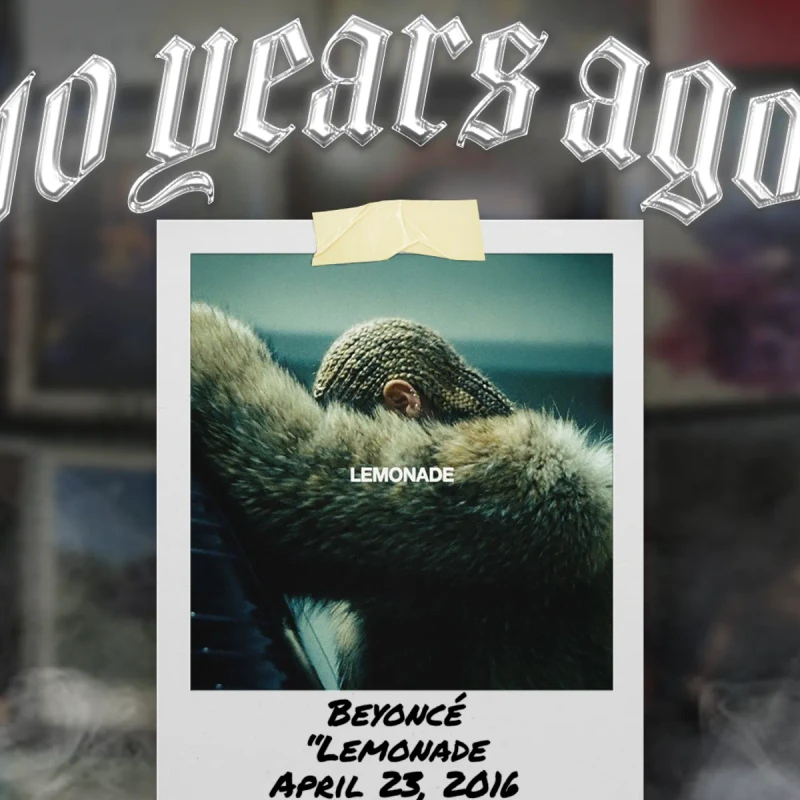
  • Beyoncé’s ‘Lemonade’ Turns 10: A Cultural Reset

    It’s hard to believe it’s been a decade since Beyoncé dropped ‘Lemonade.’ Released without warning on April 23, 2016, this wasn’t just an album; it was a cultural event. A one-hour visual film premiered on HBO, presenting a deeply personal and powerful body of work that left audiences stunned, questioning, and utterly captivated.

    A Surprise Release That Changed Everything

    The rollout of ‘Lemonade’ was unlike anything seen before. It arrived as a complete visual album, a cohesive narrative woven through striking imagery, poignant poetry, and raw emotional expression. The music followed, a twelve-track journey through genres and feelings that felt both intensely personal to Beyoncé and universally relatable.

    From the moment it aired, the conversation ignited. People grappled with the complex themes of anger, betrayal, family, Southern identity, and, most significantly, Black womanhood. The iconic line, “Becky with the good hair,” from the song “Sorry,” quickly became a cultural touchstone, sparking widespread speculation about infidelity and reducing the album’s depth for some.

    Decoding the Narrative: Infidelity and Beyond

    The narrative of infidelity, particularly concerning Beyoncé’s marriage to Jay-Z, quickly dominated the public discourse. Songs like “Hold Up,” “Don’t Hurt Yourself,” and “Sorry” were dissected, with fans attempting to piece together a public narrative of betrayal and eventual repair. The phrase “Becky with the good hair” became shorthand, fueling intense speculation and internet sleuthing.

    However, Beyoncé masterfully left space for interpretation, never explicitly confirming or denying the personal details. This ambiguity allowed the album to transcend a simple marital drama, embracing broader themes of Black womanhood and resilience. Jay-Z’s later album, ‘4:44,’ seemed to address these themes more directly, subtly shifting the context through which ‘Lemonade’ was heard.

    Musical Range and Artistic Control

    Beyond the narrative, the musicality of ‘Lemonade’ was groundbreaking. The album seamlessly moved between genres, from the aggressive energy of “Don’t Hurt Yourself” to the Southern country influences of “Daddy Lessons” and the gospel-infused power of “Freedom” featuring Kendrick Lamar. This sonic diversity was held together by Beyoncé’s meticulous vision and artistic control through her Parkwood Entertainment.

    Collaborations with a wide range of producers and writers, including Mike Will Made-It, Diplo, James Blake, and Jack White, contributed to the album’s rich and cohesive sound. Tracks like the raw, unpolished “Don’t Hurt Yourself” and the fragile “Sandcastles” showcased intentionality in every sonic choice, proving the music itself was as deliberate as the visuals.

    Cultural Impact and Lasting Legacy

    ‘Lemonade’ wasn’t just a commercial success; it was a cultural reset. It debuted at No. 1 on the Billboard 200 and dominated charts globally. More importantly, it placed Black women at the center of its narrative, making their experiences inseparable from the music and visuals. The album’s impact was so profound that even its loss of Album of the Year at the Grammys became a point of cultural discussion.

    Sitting between the groundbreaking surprise drop of her self-titled album and the liberating release of ‘Renaissance,’ ‘Lemonade’ stands as a testament to Beyoncé’s artistic evolution. It represents a moment of rupture, a deeply personal yet universally resonant exploration of pain, power, and healing that continues to influence music, art, and cultural conversation a decade later.

    Ten years on, ‘Lemonade’ still holds immense power. What does the album mean to you? Share your favorite songs, visuals, or memories in the comments below!

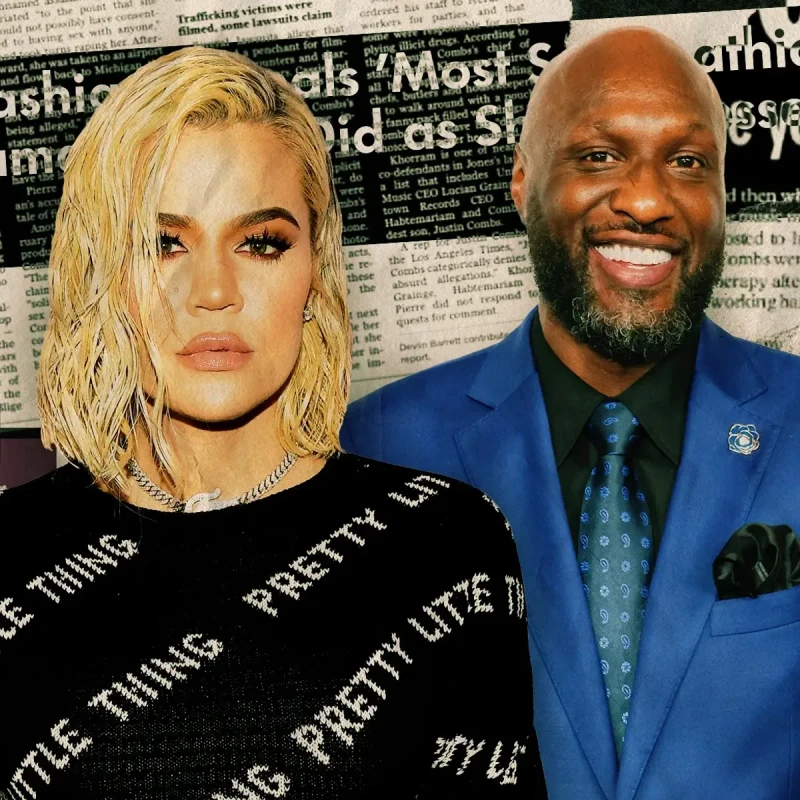
  • Lamar Odom & Khloé Kardashian: A Relationship Timeline

    Lamar Odom’s recent documentary has brought his past relationship with Khloé Kardashian back into the spotlight. Their whirlwind romance and subsequent marriage captivated the public, but it was also marked by significant challenges, including Odom’s struggles with addiction and a near-fatal overdose. Let’s take a look back at their complex relationship timeline.

    2009: A Whirlwind Romance and Marriage

    It felt like overnight when Lamar Odom, already a star NBA player, and Khloé Kardashian, who was building her public profile, decided to get married. They tied the knot just 30 days after meeting, a move that immediately raised eyebrows. Despite the speed, they embraced the public attention, even airing their wedding on reality television, setting the tone for their relationship as fast-paced and all-in.

    2010-2012: Reality TV Fame and Public Highs

    Their union became a central focus with their own reality show, ‘Khloé & Lamar.’ This gave fans an intimate look into their lives, and for a time, their chemistry seemed genuine and comfortable. However, the added pressure of fame and Odom’s NBA career shifts began to take a toll behind the scenes, even as their public image remained strong.

    2013: Rumors, Addiction, and Separation

    By 2013, rumors of infidelity and Odom’s struggles with drug use began to surface, casting a shadow over their seemingly perfect public image. The strain became evident, and the couple, once inseparable on camera, started to drift apart. In December 2013, Khloé filed for divorce, marking a significant shift from the open and visible relationship the public had come to know.

    2015: A Near-Fatal Overdose and Hospitalization

    The situation took a critical turn in October 2015 when Lamar Odom was found unconscious at a Nevada brothel. He had suffered a severe overdose, leading to a coma and multiple strokes and heart attacks. Khloé, despite their separation and pending divorce, rushed to his side and remained a constant presence, making medical decisions during his recovery. This crisis brought them back together under the most dire circumstances, but also highlighted the deep divisions and differing accounts of events that would emerge later.

    During this period, Khloé paused the divorce proceedings. While she has spoken openly about managing his care, Odom’s recent documentary has presented a different perspective, including claims that his father wanted to discontinue life support and that he married Khloé primarily for fame – a stark contrast to his earlier sentiments.

    2016: Divorce Finalized

    Following Odom’s stabilization and recovery, the divorce proceedings resumed. While Khloé had shown immense support during a life-or-death crisis, it didn’t erase the issues that led to their separation. By the end of 2016, their divorce was officially finalized, a quiet conclusion to a highly public and tumultuous chapter.

    Post-Divorce: Regret and Evolving Narratives

    In the years following their divorce, Lamar Odom often spoke with remorse about his actions, admitting to infidelity and drug use. He frequently expressed regret, suggesting Khloé was ‘the one that got away’ and that he still loved her. This narrative of responsibility and lost love became a consistent theme in his public statements for a long time.

    However, the release of Odom’s recent documentary has introduced new narratives. His suggestion that fame was a primary motivator for their marriage has drawn a strong reaction from Khloé, who felt blindsided, especially given her support during his darkest times. She even stated she participated in the documentary as a favor, without pay, and felt betrayed by his comments. The way their story is remembered and retold continues to evolve, with Khloé maintaining her perspective from living through the chaos, while Odom seems more open to reinterpreting his past.

    What are your thoughts on Lamar Odom and Khloé Kardashian’s relationship? Share your perspective in the comments below!
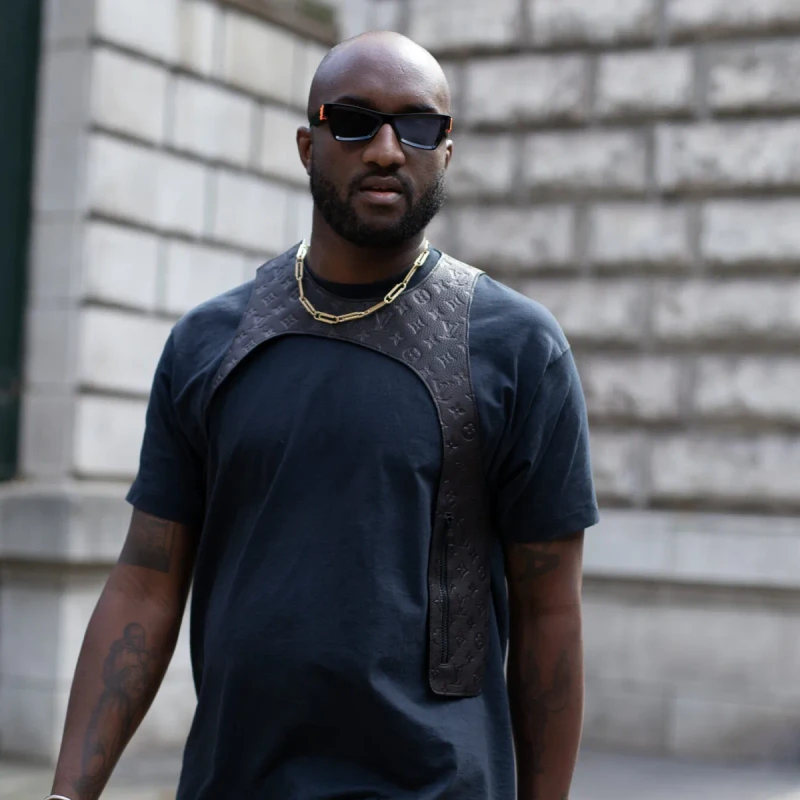
  • Ranking Every Virgil Abloh x Jordan Collab

    Remember 2017? That was the year Virgil Abloh dropped ‘The Ten’ collection, and let’s just say, the sneaker world was never the same. He didn’t just tweak shoes; he completely reimagined what a collaboration could be. And nowhere was this impact felt more strongly than in his partnership with Jordan Brand, which gave us some of the most talked-about and culturally significant sneakers of the past decade.

    From the legendary AJ1 ‘Chicago’ that kicked things off to more understated designs that followed, Virgil used the iconic Jumpman silhouette as his playground. He deconstructed, questioned, and ultimately redefined what a sneaker could represent. So, let’s dive in and rank every single Virgil Abloh x Jordan Brand collaboration, from the ones that might have flown under the radar to the absolute all-time greats.

    The Full Ranking: From Subtle to Iconic

    9. Off-White x Air Jordan 1 High “Canary Yellow”

    Kicking off our list is the ‘Canary Yellow’ AJ1. It’s one of the more subtle entries in the Off-White x Jordan catalog. Built on the same deconstructed foundation as the ‘Chicago’ version, its yellow accents are just enough to distinguish it from the all-white model without being overpowering. While it didn’t create the same frenzy at release as its siblings, it’s definitely gained more appreciation over the years.

    You still get all those signature Off-White details: the zip tie, exposed foam, deconstructed Swoosh, and the colorway itself holds up remarkably well. It’s a solid, if less flashy, addition to the collection.

    8. Off-White x Air Jordan 2 Low “Black/Varsity Royal”

    Arriving in November 2021, this AJ2 Low was part of a two-colorway drop that aimed to bring new life to the often-overlooked Air Jordan 2. Between the two, this ‘Black/Varsity Royal’ colorway stands out. The black upper, featuring a lizard-textured finish, pairs beautifully with the vibrant royal blue accents.

    What really sells it is the cracked, aged midsole, giving it that perfect worn-in, vintage vibe that fits Abloh’s aesthetic. It gave the AJ2 a legitimate reason to be back in the spotlight.

    7. Off-White x Air Jordan 1 High “White” (2018)

    Interestingly, this ‘White’ AJ1 was Virgil’s original concept before the ‘Chicago’ colorway ultimately took center stage. He shifted direction because the all-white palette felt too similar to a white Nike Dunk. Released as a European exclusive in 2018, about a year after ‘The Ten,’ it showcases the same deconstructed elements: exposed foam, detached Swoosh, and zip tie.

    The clean white canvas puts a stronger emphasis on the shoe’s construction and unique details. It’s a quieter release, but crucial for understanding Abloh’s initial vision for the iconic silhouette.

    6. Off-White x Air Jordan 2 Low “White/Varsity Red”

    Dropping in November 2021, the ‘White/Varsity Red’ AJ2 Low was one of Virgil Abloh’s final projects to be completed. It pays a direct homage to the original 1986 ‘White/Red’ AJ2 colorway, staying remarkably true to the source material with its white leather upper and red piping. The signature Off-White touches – Helvetica text, zip tie, and exposed foam – are applied consistently.

    The deliberately aged look, complete with a pre-yellowed midsole and cracked sidewalls, adds to its vintage appeal. It’s a straightforward, well-executed design that honors its heritage while bearing Abloh’s distinct mark.

    5. Off-White x Air Jordan 5 “Muslin”

    The ‘Muslin’ AJ5 gets its name from the unbleached cotton fabric often used in fashion prototyping, hinting at its raw, foundational aesthetic. Its light grey synthetic upper features a translucent grid overlay and circular cutouts on the mid-panel and collar, offering a more neutral and versatile look compared to many other Off-White x Jordan releases.

    Consistent with Abloh’s aged aesthetic seen on other models, it sports a pre-yellowed outsole. While not the flashiest pair, the ‘Muslin’ AJ5 is a masterclass in subtle design and wearability.

    4. Off-White x Air Jordan 4 “Sail” WMNS

    Exclusively released in women’s sizing, the AJ4 ‘Sail’ first graced the runway at Paris Fashion Week in February 2020 before its wider release later that year. It presents a more stripped-back version of the AJ4, featuring a deconstructed leather upper and semi-translucent TPU accents on the eyelets, wings, and heel. The monochromatic sail colorway unifies the design.

    Upon its release, this sneaker became incredibly sought-after in the resale market and even served as a sample during Abloh’s ‘Figures of Speech’ exhibit at Chicago’s Museum of Contemporary Art. It’s a testament to how a refined, deconstructed approach can elevate an already beloved silhouette.

    3. Off-White x Air Jordan 5 “Sail”

    Released during NBA All-Star Weekend in 2020, the ‘Sail’ AJ5 draws heavy inspiration from the original 1990 ‘Fire Red’ Air Jordan 5. Abloh himself spoke about his deep personal connection to the AJ5, making this collaboration particularly meaningful. The light grey synthetic upper, translucent grid overlay, circular cutouts, and pre-yellowed outsole all combine to create a distinct vintage feel.

    Widely considered the superior of the two Off-White AJ5 releases, its strong performance in the resale market consistently reflects its popularity and design excellence.

    2. Off-White x Air Jordan 1 High “UNC”

    Part of the original ‘The Ten’ collection in 2017, the ‘UNC’ AJ1 applies the same groundbreaking deconstructed approach to a classic powder blue and white colorway. The UNC palette has a rich history within Jordan Brand, adding an extra layer of significance to this collaboration beyond just the Off-White branding.

    Featuring the signature exposed foam, semi-detached Swoosh, and zip tie, it’s a less obvious choice than the ‘Chicago’ but equally well-constructed. This pair has impressively maintained its value in the resale market, proving its lasting appeal.

    1. Off-White x Air Jordan 1 High “Chicago”

    The undisputed king. Released as part of ‘The Ten’ in 2017, the Off-White x Air Jordan 1 ‘Chicago’ is widely hailed as the most significant sneaker collaboration of the entire decade. Abloh took the AJ1’s legendary ‘Chicago’ colorway and applied his deconstructed magic, exposing internal construction, adding Off-White branding, and creating instantly recognizable details like the semi-detached Swoosh, exposed foam tongue, zip tie, and ‘AIR’ midsole stamp.

    These defining visual elements didn’t just make a statement; they fundamentally influenced the direction of sneaker collaborations for years to come. Even now, nearly a decade later, its resale prices remain astronomical, and it continues to be the benchmark against which all other sneaker collaborations are measured. A true icon.

    Which Virgil Abloh x Jordan Brand collaboration is your personal favorite? Let us know in the comments below!

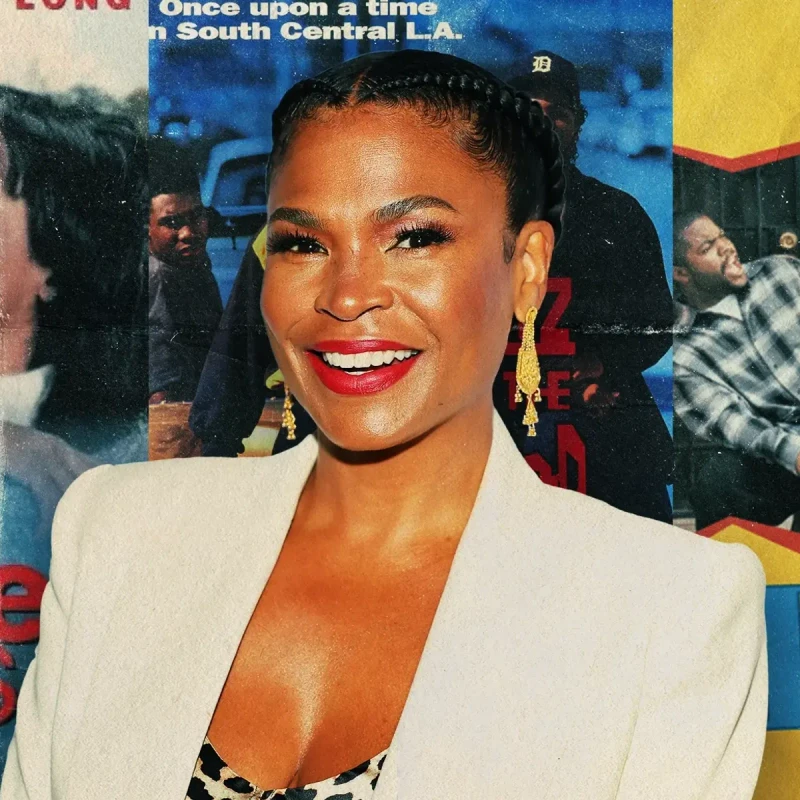
  • Nia Long’s Iconic ’90s Roles

    Remember the ’90s? It was an era filled with unforgettable style, groundbreaking music, and, of course, iconic movie and TV moments. For many of us, Nia Long was a constant, captivating presence on our screens. Whether she was the girl next door, the edgy friend, or the one with all the answers, her roles felt incredibly familiar and relatable, making her a true crush for a generation.

    Nia Long’s Unforgettable ’90s Movie Roles

    Nia Long burst onto the scene with roles that immediately resonated. In the heavy-hitting classic **Boyz n the Hood (1991)**, she played Brandi. Despite limited screen time, her character stood out as a focused, college-bound individual navigating a turbulent world. Brandi represented a sense of possibility and stability amidst the film’s intense narrative, making her a memorable presence.

    Then came the cult comedy **Friday (1995)**. As Debbie, the object of Craig’s affection, Long brought a perfect blend of friendliness and subtle unavailability. Her brief but impactful appearance explained exactly why Craig was so captivated, fitting seamlessly into the film’s unique comedic rhythm.

    Perhaps one of her most iconic roles is Nina Mosley in **Love Jones (1997)**. Set against Chicago’s vibrant Black creative scene, the film explored the complexities of a relationship between Nina and Darius. Long masterfully portrayed Nina’s independence and guarded nature, perfectly capturing the film’s nuanced tone of timing and miscommunication. Her performance remains a fan favorite, celebrated for its authenticity.

    In the family drama **Soul Food (1997)**, Long played Bird. While navigating a complicated relationship that put her at odds with her family, Bird showcased a different side of Long’s acting. She demonstrated an ability to hold attention and portray a character whose choices might be questionable but were always firmly stood by, adding a compelling edge to her ’90s run.

    Rounding out the decade, Jordan Armstrong in **The Best Man (1999)** showcased Long as a successful executive caught in the web of old friendships and resurfacing secrets. Jordan’s composed demeanor amidst the wedding drama highlighted her ability to portray characters who are grounded and make decisions based on their present, not just their past.

    Nia Long’s Memorable ’90s TV Appearances

    Beyond the big screen, Nia Long made a significant impact on television. On **The Fresh Prince of Bel-Air (1994–1995)**, her portrayal of Lisa Wilkes, Will’s grounded and confident love interest, felt particularly real. She matched Will’s energy while bringing her own centeredness, making her one of the show’s most beloved and remembered characters.

    Early in her career, Long honed her acting chops on the long-running soap opera **Guiding Light (1991–1993)** as Kat Speakes. This role demanded consistency and the ability to build a character over time, proving her early talent for keeping audiences invested.

    She also made a memorable guest appearance on **Living Single (1993)** as Stacey Evans. Fitting effortlessly into the established chemistry of the cast, Long held her own as one of Kyle’s love interests, demonstrating her natural ability to command attention without overshadowing others.

    In the fast-paced world of **Live Shot (1995)**, Long played Ramona Greer, a focused and direct reporter in a TV newsroom. This role showcased a different kind of control and seriousness, moving away from romantic appeal and highlighting her range.

    Even a brief guest spot as a babysitter on **Moesha (1996)** carried weight. By this point, Nia Long was already a recognizable face, and her presence alone added a layer of familiarity and established appeal to the episode.

    An Enduring Legacy

    From neighborhood classics and heartfelt romances to sitcoms and dramas, Nia Long consistently delivered performances that felt both familiar and extraordinary. Her ability to embody characters with depth, edge, and relatability made her an enduring icon of the ’90s. Even today, the impression she made continues to resonate, proving that some stars truly never fade.

    Which of Nia Long’s ’90s roles is your absolute favorite? Did we miss any of your must-watch performances? Share your thoughts and memories in the comments below!

  • Michael Jordan’s Air Jordan 4 Sightings Ranked

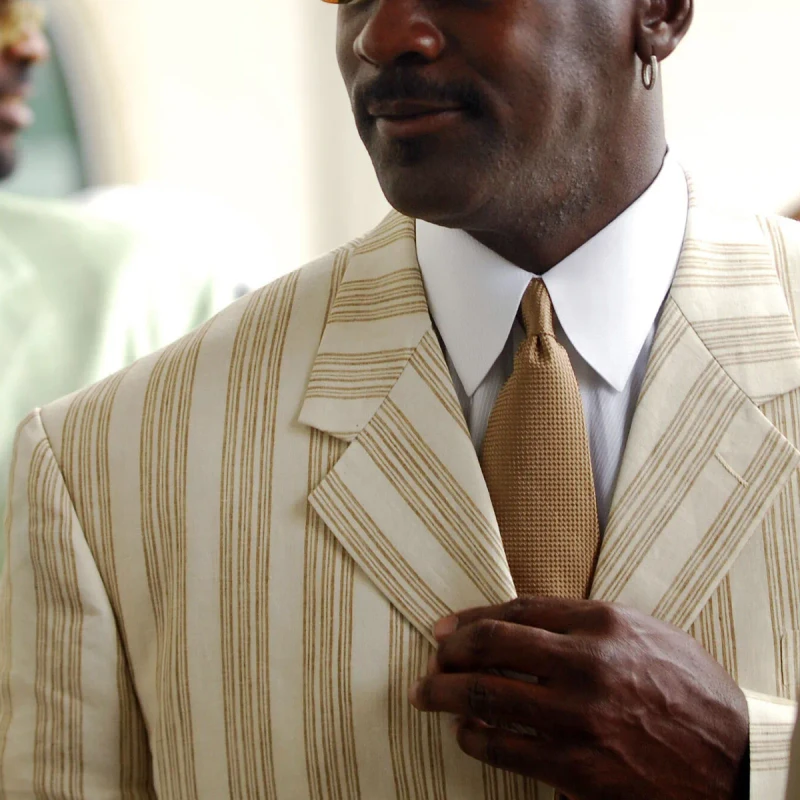
    The Air Jordan 4 isn’t just a sneaker; it’s a piece of basketball and fashion history, deeply intertwined with Michael Jordan’s legendary career. While MJ rocked the AJ4 during the iconic 1988-89 season – the year of ‘The Shot’ – his connection to the silhouette didn’t end there. Decades later, Jordan continues to be spotted in various Air Jordan 4 models, proving the shoe’s timeless appeal. Let’s dive into every documented instance of MJ wearing the AJ4, from his playing days to his off-court life.

    7. Air Jordan 4 “Cool Grey” (2004)

    This unexpected sighting occurred during Michael Jordan’s guest appearance on the sitcom “My Wife and Kids.” In a segment set at his fictional “Jordan’s Senior Flight School” camp, MJ sported a head-to-toe Cool Grey outfit, anchored by the AJ4 “Cool Grey.” This marked a rare instance of Jordan embracing a fully lifestyle-oriented look on camera, with the muted grey colorway perfectly complementing the casual setting.

    6. Air Jordan 4 “Flight Club” (2026)

    Released in January 2026 as a tribute to the iconic sneaker consignment shop, the “Flight Club” AJ4 features a clean sail white leather upper with a suede toe tip and black accents. MJ was spotted wearing these at a NASCAR event alongside rapper Fat Joe, both dressed in matching grey Jordan Brand sweats. This sighting added significant credibility to the new release, showcasing Jordan’s endorsement power in the sneaker world.

    5. Air Jordan 4 “Marquette” PE (2026)

    Player exclusives (PEs) hold a special place in sneaker culture, and this “Marquette” AJ4 is a prime example. Featuring a premium pale yellow upper with suede flaps and gold Jumpman logos, MJ was seen sporting these at the Autotrader 400 NASCAR race in 2026, celebrating his 23XI Racing team’s success. The refined color choice and exclusive nature of a college PE make this a standout sighting.

    4. Nigel Sylvester x Air Jordan 4 “Sail/Cinnabar” (2026)

    This sighting was notable for two reasons: the shoe hadn’t officially released yet, and MJ was wearing them at Disney World! Spotted in February 2026 after celebrating a NASCAR win, Jordan donned Nigel Sylvester’s upcoming AJ4 collaboration. The warm, sophisticated sail upper with cinnabar red detailing and unique “Bike Air” branding offered an organic, marketing-defying sneaker moment.

    3. Air Jordan 4 “Fire Red” (1989-90 Season)

    The “Fire Red” is the third OG AJ4 colorway MJ wore on an NBA court, carrying it over from the previous year’s championship run into the 1989-90 season. Its clean white leather upper with fire red and black accents perfectly matched the Bulls’ colors. While sometimes overshadowed by the “Black Cement,” the “Fire Red” holds its own legitimate on-court legacy, especially the retros featuring original Nike Air branding.

    2. Air Jordan 4 “White Cement” (1988-89 Season)

    One of the two primary colorways MJ wore during the 1988-89 season, the “White Cement” AJ4 arguably had a greater cultural impact off the court than its “Black Cement” counterpart. Its prominent feature in Spike Lee’s 1989 film “Do The Right Thing” introduced the sneaker to a massive audience beyond basketball. The clean white base with cement grey detailing offered a versatile look that continues to drive demand for its retro releases, especially those with the original Nike Air branding.

    1. Air Jordan 4 “Black Cement” (1989)

    There’s no contest for the top spot. The “Black Cement” AJ4 is the shoe MJ wore on May 7, 1989, when he hit ‘The Shot’ over Craig Ehlo to eliminate the Cleveland Cavaliers. This iconic moment, etched in NBA history, is forever linked to the sneakers on his feet. He also debuted this colorway at the 1989 All-Star Game. The striking combination of black nubuck, cement grey, and red detailing remains one of the most visually powerful in Jordan Brand history, ensuring that every retro with original Nike Air branding sells out instantly.

    • The Air Jordan 4 debuted during MJ’s 1988-89 season.
    • Key moments include ‘The Shot’ and prominent cultural features.
    • MJ continues to wear AJ4s off-court, highlighting their timeless appeal.
    • Player exclusives and collaborations add layers of rarity and desirability.
    • Retro releases with original Nike Air branding remain highly sought after.

    From game-winning shots to casual theme park strolls, Michael Jordan’s enduring relationship with the Air Jordan 4 solidifies its status as a legendary silhouette. Each sighting, whether on-court or off, adds another chapter to the AJ4’s rich history.

    Which Air Jordan 4 sighting of Michael Jordan’s is your favorite? Let us know in the comments below!