Tag: Original Content

  • Ranking Every Air Jordan 1 High OG Colorway

    The Air Jordan 1 High OG isn’t just a shoe; it’s the blueprint for modern sneaker culture. Since its debut in 1985, this iconic silhouette has transcended the basketball court to become a global canvas for fashion, music, and collecting. With a history spanning over four decades and countless releases, it’s time to dive deep and rank every original colorway.

    The Underrated Gems: Lower Tier Rankings

    Starting at the bottom, we have colorways that, while still holding OG status, haven’t quite captured the same widespread adoration or retro attention as their siblings. These often fly under the radar but possess that classic 1985 DNA.

    1. 15. Air Jordan 1 High “Dark Royal Blue”: A clean, understated entry with classic 1985 vibes. Its lower ranking is mainly due to fewer retro releases.
    2. 14. Air Jordan 1 High “Metallic Purple”: A daring, ahead-of-its-time choice with a rich purple accent. A quiet favorite among deep collectors.
    3. 13. Air Jordan 1 High “Metallic Orange”: Offers warmth and energy with bright orange accents, a fun and underrated OG.
    4. 12. Air Jordan 1 High “Metallic Blue”: Technically a 1986 addition, this cool, clean metallic blue colorway commands serious resale value.
    5. 11. Air Jordan 1 High “Metallic Red”: The boldest of the metallics, bringing energy similar to the “Chicago” but with a distinct metallic finish. Received a retro in 2017.

    Mid-Tier Classics: Versatile and Striking

    Moving up the list, we find colorways that offer more visual punch or exceptional wearability, proving the original run had serious range and appeal.

    1. 10. Air Jordan 1 High “Metallic Green”: Visually striking and ahead of its time, this green accent colorway has immense retro potential.
    2. 9. Air Jordan 1 High “Natural Grey”: The most wearable OG, its simple, neutral palette makes it incredibly versatile and timeless.
    3. 8. Air Jordan 1 High “White Black”: A super clean, no-offense classic that pairs with everything. It’s a testament to simple, effective design.
    4. 7. Air Jordan 1 High “Metallic Black”: Elevates the “White Black” with a premium metallic finish on the black accents, offering a refined, sophisticated look.

    The Elite Tier: Iconic Status Achieved

    These are the colorways that have cemented their legendary status, boasting personal connections, historical significance, and undeniable style that continues to drive demand.

    1. 6. Air Jordan 1 High “UNC”: A personal nod to Michael Jordan’s alma mater, the University of North Carolina. Its powder blue and white combination is refreshing and beloved by a devoted fanbase.
    2. 5. Air Jordan 1 High “Shadow”: A masterclass in versatile, neutral color blocking. Its consistent sell-out status across retro releases speaks volumes about its enduring appeal.
    3. 4. Air Jordan 1 High “Royal”: Stunning black and royal blue pairing with significant on-court history from Jordan’s rookie season. Every retro release is met with massive demand.
    4. 3. Air Jordan 1 High “Black Toe”: Features a clean, bold, and instantly recognizable tri-color blocking (white, black, red). The distinct black toe overlay sets it apart and inspired countless subsequent designs.
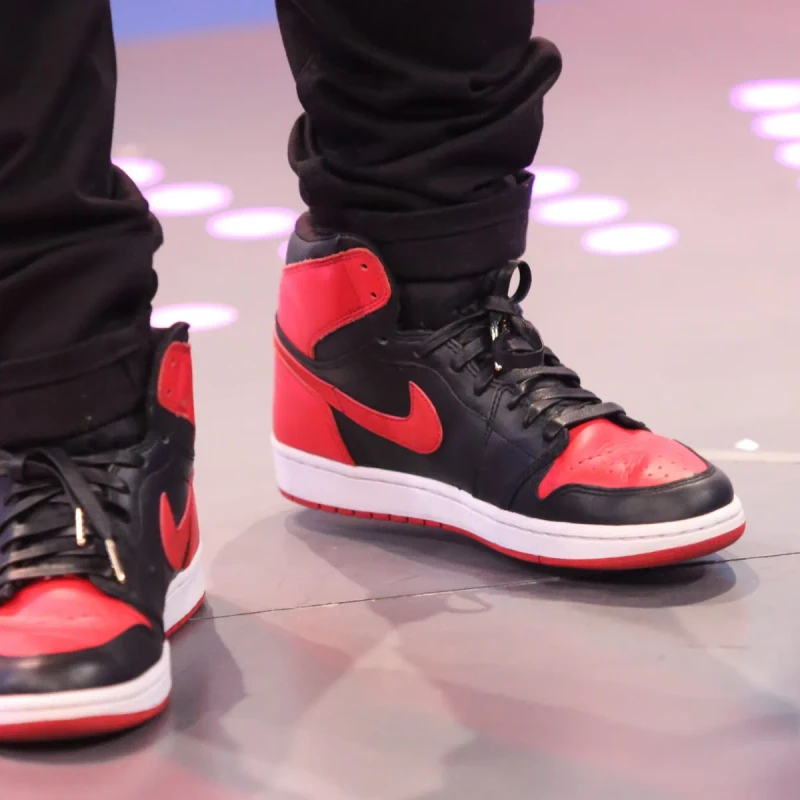
    5. 2. Air Jordan 1 High “Bred”: The colorway that started it all, famously banned by the NBA. Its timeless design and legendary marketing campaign make it a foundational icon in sneaker history.
    6. 1. Air Jordan 1 High “Chicago”: The undisputed king. This is THE Air Jordan 1, the shoe that launched a phenomenon. Its iconic color blocking, historical significance, and legendary status make it arguably the most important sneaker ever created.

    From the subtle elegance of the “Natural Grey” to the unparalleled cultural impact of the “Chicago,” the original Air Jordan 1 High OGs represent a rich tapestry of design, history, and enduring style. Each pair tells a story, contributing to the legacy that continues to shape the footwear landscape today.

    Do you agree with our ranking? What’s your favorite Air Jordan 1 High OG colorway? Let us know in the comments!
  • LaRussell’s ‘Heaven Sent’ Controversy Explained

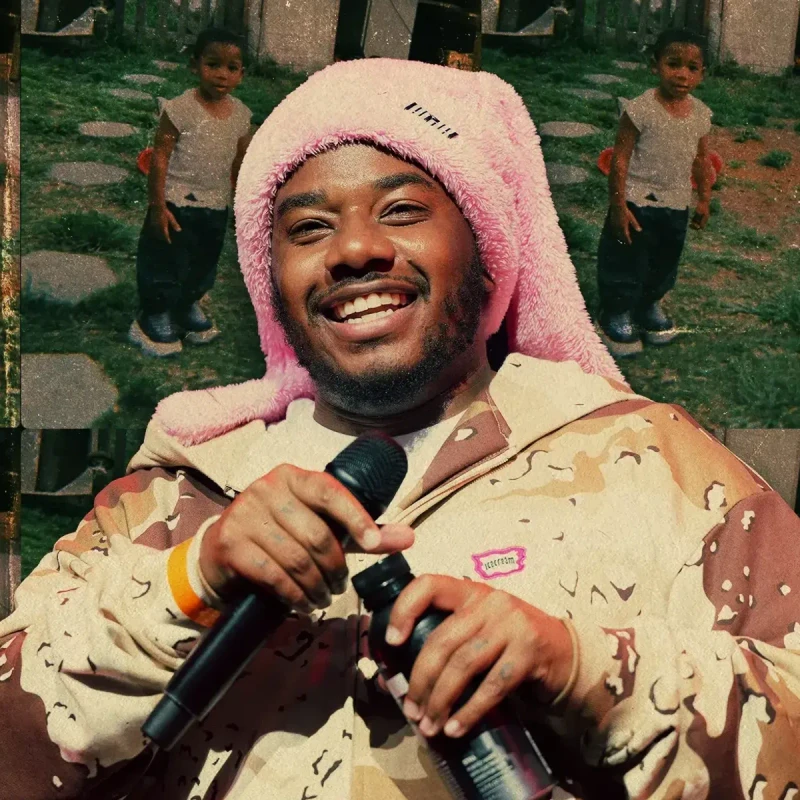
    LaRussell, known for his close connection with fans and a transparent creative process, has found himself at the center of a major controversy. During a recent performance, he introduced a song titled “Heaven Sent,” which included lyrics naming figures like Adolf Hitler and Jeffrey Epstein alongside revered historical icons and himself. This sparked immediate backlash, but LaRussell insists the criticism is a misunderstanding.

    The Controversial Lyrics

    In the song “Heaven Sent,” LaRussell listed himself, Malcolm X, and Martin Luther King Jr. as “heaven-sent.” He then extended this description to Donald Trump, Jeffrey Epstein, and Adolf Hitler. The lyrics included lines like, “Even the devil was heaven-sent,” and “What’s guiltier than a n*gga hiding evidence?” The artist performed the song despite his engineer’s reservations about its release.

    The clip of the performance quickly went viral, drawing swift criticism. Many listeners understood LaRussell’s intended message but strongly disagreed with his chosen method of delivery. The comparison of civil rights leaders with figures associated with genocide and horrific abuse was seen by many as deeply problematic.

    LaRussell’s Defense: Spiritual Origin vs. Moral Approval

    LaRussell addressed the backlash directly, explaining his intent was spiritual. He argued that all individuals, regardless of their actions or public perception, originate from a divine source. From this perspective, calling someone “heaven-sent” refers to their origin, not an endorsement of their deeds. He questioned why his statement about divine creation was more problematic than societal support for figures involved in crime and destruction.

    However, listeners rejected this explanation, arguing that the phrase “heaven-sent” carries implications of purpose and divine placement. When applied to figures responsible for genocide, abuse, and systemic harm, the phrase was perceived not as neutral theology but as a distortion that flattened the profound differences in their historical impact. The comparison felt like a deliberate leveling of harm, regardless of LaRussell’s stated intent.

    The Impact of Language and Context

    Writers and commentators focused on how the language itself distorted historical context. Placing Malcolm X and Martin Luther King Jr. in the same lyrical space as Hitler and Epstein created a “false proximity” that ignored their vastly different roles in history. While some defended LaRussell’s argument about creation, the chosen language made the idea difficult to support. The core issue wasn’t the idea of divine creation but the company kept within the lyrics.

    The comparison failed to acknowledge the immense weight of figures like Malcolm X and Martin Luther King Jr., whose lives are tied to Black resistance, sacrifice, and the fight for liberation. Contrasting them with Hitler (genocide) and Epstein (sexual abuse) created a “moral compression” that listeners found careless and consequential. The language used flattened historical complexities, suggesting that the distinctions between a freedom fighter and a fascist, or a civil rights leader and a sexual predator, could be absorbed into a single spiritual concept.

    A Community Artist Misreads the Room

    This misstep is particularly notable given LaRussell’s career built on transparency and closeness with his audience. His intimate, local shows fostered trust, making his process feel shared rather than packaged. However, as his reach has grown, amplified by industry alignment, moments that might have once stayed local now travel globally in minutes, reaching audiences without the same shared context.

    Instead of clarifying his language or pulling back, LaRussell doubled down on his message, framing the backlash as “fake outrage.” He eventually announced a hiatus from social media, stating he was “tiired boss!” and needed to “work on myself and be in my community.” His audience, known for appreciating directness and transparency, found this moment of abstraction and lack of precision jarring. The clarity that once defined his voice seemed to falter under the weight of the complex ideas he attempted to convey.

    What are your thoughts on LaRussell’s “Heaven Sent” controversy? Did you understand his intent, or do you feel the backlash was justified? Share your perspective in the comments below!

  • Ranking Air Jordan 3 OG Colorways: Worst to Best

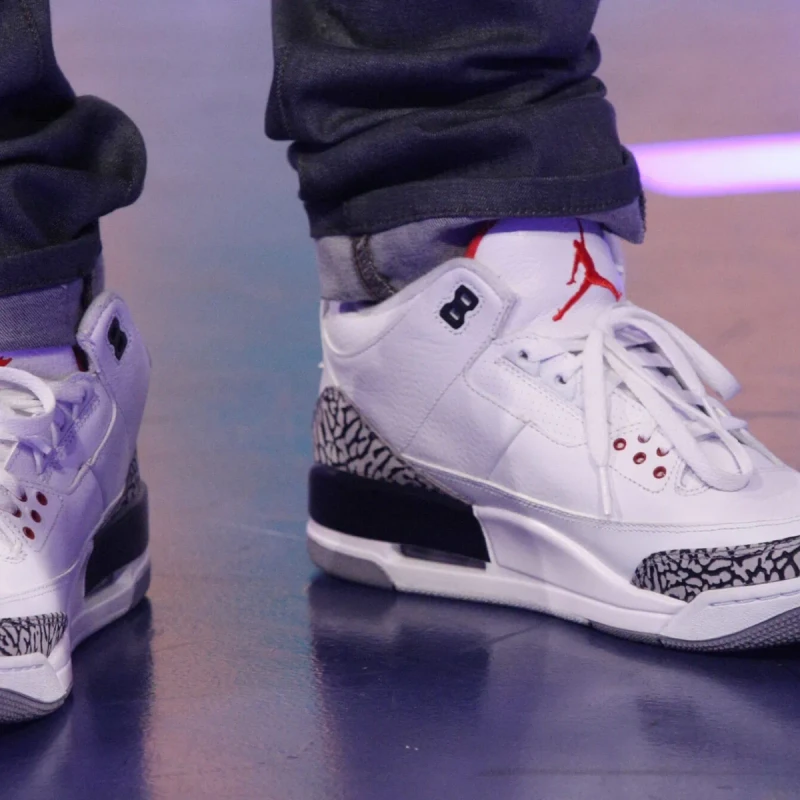
    Let’s rewind to 1988, a pivotal year for both Michael Jordan and Nike. Facing the possibility of losing their star player to a rival brand, Nike turned to designer Tinker Hatfield to create something truly special. The result? The Air Jordan 3, a shoe that didn’t just save a partnership but redefined sneaker design forever. It introduced groundbreaking features like visible heel cushioning, the iconic elephant print, and the legendary Jumpman logo, all wrapped in a sleek mid-cut silhouette that blurred the lines between performance and lifestyle.

    The Original Four: A Legacy Defined

    When the Air Jordan 3 first dropped, it came in just four original colorways, and remarkably, every single one is considered a classic today. These weren’t just shoes; they were statements, deeply intertwined with Jordan’s ascent to superstardom. Over three decades later, these OG colorways continue to hold immense cultural weight. But which one reigns supreme? Let’s break them down from worst to best.

    4. Air Jordan 3 “True Blue”

    Landing at the bottom of this list might sound harsh, but remember, we’re talking about the best of the best. The “True Blue” is undeniably a beautiful shoe. Its crisp white leather base, accented by “True Blue” details on the midsole and heel tab, offers a clean contrast to the signature cement grey elephant print. It possesses a lighter, more relaxed vibe compared to its siblings.

    Its placement here is primarily due to historical context. While MJ wore them in an exhibition game in 1988, he didn’t rock them in an official NBA game during his Chicago Bulls prime until a retro release in 2001. This lack of on-court history during his peak years means it doesn’t carry the same legendary status as the others. However, its clean aesthetic has cultivated a dedicated following, especially among collectors who appreciate its understated elegance.

    3. Air Jordan 3 “Fire Red”

    Often considered the most underrated of the original four, the “Fire Red” boasts significant on-court history. Jordan laced these up during the 1988 playoffs and into the start of the 1988-89 season, a crucial period in his career. The bright white leather, grounded by the cement grey elephant print on the toe and ankle, is energized by vibrant “Fire Red” accents on the midsole and outsole.

    It pops with an exciting yet balanced energy. The “Fire Red” sits at number three because the two colorways above it are simply legendary. Still, it’s a fantastic shoe that has aged incredibly well, proving how effective that color combination is. It’s the perfect choice for those seeking an OG experience without opting for the most obvious pick.

    2. Air Jordan 3 “Black Cement”

    This colorway’s legend was cemented (pun intended!) by a single, iconic performance. Michael Jordan wore the “Black Cement” just once in an NBA game: the 1988 All-Star Game in Chicago. He didn’t just play; he dominated, dropping 40 points to earn MVP honors. That one game etched this shoe into sneaker history.

    The shoe itself lives up to the moment. A rich black leather upper contrasts sharply with the cement grey elephant print on the toe and ankle collar, creating a look that remains striking today. The red Jumpman on the tongue adds just the right amount of color, and the coveted Nike Air heel branding is a detail that collectors go wild for. It represents the AJ3 at its most premium and dramatic, earning its spot at number two.

    1. Air Jordan 3 “White Cement”

    There was never any doubt about the number one spot. The “White Cement” isn’t just an Air Jordan 3 colorway; it might be the single most important sneaker colorway in the entire history of Jordan Brand. This is the shoe MJ wore when he soared from the free-throw line for that legendary dunk in the 1988 Slam Dunk Contest, a moment that transformed him into a global icon.

    It was the shoe Tinker Hatfield used to secure Jordan’s loyalty to Nike. It introduced the world to elephant print, visible Air, and the Jumpman logo, all at once. The colorway itself is perfection: clean white tumbled leather, cement grey elephant print, a vibrant red Jumpman, and, crucially, the Nike Air branding on the heel. It’s timeless, versatile, and has been retroed more times than any other AJ3, selling out every single time. The “White Cement” is, quite simply, one of the greatest sneakers ever made.

    And the good news for sneakerheads? The “White Cement” Air Jordan 3 is slated for a return in Spring 2027, so get ready!

    Do you agree with this ranking of the original Air Jordan 3 colorways? Which is your personal favorite? Let us know in the comments below!

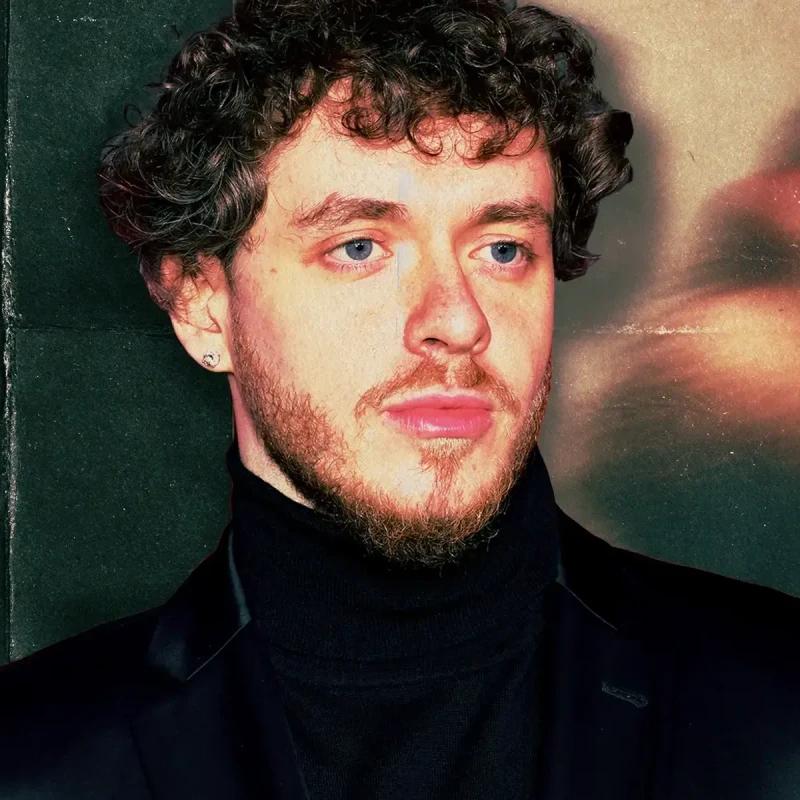
  • Jack Harlow’s ‘Monica’: More Than Just Music?

    Jack Harlow’s new album, ‘Monica,’ released on March 13th, has stirred up more than just opinions on its sound. While the shift towards a softer, R&B-leaning, or Neo-Soul-adjacent vibe would have been enough to get people talking, it was Harlow’s own words that ignited a full-blown backlash cycle.

    The ‘Got Blacker’ Controversy

    In a Popcast interview, Harlow contrasted his move towards R&B and Soul with white rappers venturing into Country or Pop-Punk. He stated that making ‘Monica’ meant he ‘got Blacker,’ adding, ‘I love Black music,’ and describing the album’s sound as ‘soft, intimate, melodic music.’ This statement landed poorly, framing Blackness as an aesthetic choice a white artist could adopt.

    The immediate backlash wasn’t necessarily about Harlow singing over Soul production, but rather the familiar framing of his comments. Online discussions quickly focused on how ‘Monica’ seemed to borrow heavily from late-1990s and early-2000s Black music and culture, particularly the Soulquarians era. Critics and listeners alike mocked both the album’s style and Harlow’s controversial quote.

    Proximity vs. Ownership: The Problem with ‘Getting Blacker’

    Harlow’s career has been built within Black cultural spaces, relying on proximity to Hip Hop, collaborations with Black artists, and a visual language that often places him alongside Black peers. While this isn’t unusual in Hip Hop, which has always embraced artists from diverse backgrounds, Harlow’s phrasing carried historical weight.

    Blackness in America has been policed, commodified, and repackaged, often by industries profiting from Black art while distancing themselves from Black people. Harlow’s suggestion that exploring R&B and Soul aesthetics brought him closer to Blackness flattened a rich cultural lineage into mere aesthetics. It implied that immersion equals access, a notion that felt presumptuous to many listeners.

    The ‘Monica’ Title and Its Interpretations

    Adding to the scrutiny, the album’s title, ‘Monica,’ also raised eyebrows. Harlow stated he’s ‘always loved’ the name, potentially referencing the legendary R&B singer. However, many listeners interpreted it differently, questioning if it played too closely to the Black vernacular phrase ‘my n*gga,’ which is historically off-limits to non-Black individuals.

    While Harlow hasn’t confirmed this intent, the interpretation spread due to the surrounding context. When listeners feel an artist is too comfortable in a culture not their own, smaller details can become loaded. This lack of trust means that what might seem harmless on the surface can feel problematic.

    Borrowing from a Legacy

    ‘Monica’ heavily draws from the textures of the Neo-Soul era, a period known for introspective Black music from artists like Erykah Badu, D’Angelo, and Lauryn Hill. However, the term ‘Neo-Soul’ itself is complicated, often seen as an industry-imposed label that limited artists who simply saw themselves as continuing the tradition of Soul music.

    The music from that era was deeply rooted in Black life and often created in culturally significant spaces. Borrowing from this sound without meaningfully connecting to its lineage or acknowledging the artists who shaped it can feel detached. The album recreates the surface of that era, but without the lived context that gave it resonance.

    Assumptions Over Admiration

    Ultimately, ‘Monica’ exposed a disconnect between Harlow and the audience that helped build his career. The issue wasn’t just one comment; it was a combination of choices: pivoting to R&B/Soul, naming the album ‘Monica,’ framing the process as ‘getting Blacker,’ and doing so without a clear connection to the artists who defined that sound and culture.

    Moving into R&B isn’t the problem—artists evolve. But when that evolution is presented without understanding the culture it draws from, it feels less like growth and more like assumption. The reaction stems from the sense that Jack Harlow mistook access for ownership and familiarity for belonging.

    What are your thoughts on Jack Harlow’s ‘Monica’ album and the surrounding controversy? Share your opinions in the comments below!

  • Ranking Every Kanye West Nike Sneaker

    Before the billion-dollar Adidas empire and the Yeezy brand we know today, Kanye West forged a groundbreaking partnership with Nike. Though brief, this collaboration produced iconic sneakers that forever changed the landscape of sneaker culture. Kanye wasn’t just any artist; he was the first non-athlete to receive a signature Nike shoe, a testament to his influence and vision.

    This era, often overshadowed by his later successes, laid the foundation for what was possible in footwear. The Nike Yeezy run, spanning just two models and six colorways, left an indelible mark. Let’s dive into a complete ranking of these legendary kicks, from the least celebrated to the undisputed champion.

    The Genesis: Air Yeezy 1

    In 2007, Kanye West, already a music icon, was deeply immersed in fashion and design. His passion led to a collaboration with Nike’s Creative Director, Mark Smith. After nearly two years of development, the Nike Air Yeezy 1 emerged – a high-top lifestyle sneaker blending elements from the Air Jordan III, Air Force 1, and Bape Roadsta. Retailing at $215, it was Nike’s most expensive shoe at the time.

    The prototype’s debut at the 2008 Grammys sparked intense curiosity, marking the first time Nike released a signature shoe for someone outside the realm of professional sports. The Air Yeezy 1 launched in spring 2009 with three colorways, all selling out rapidly and cementing its status as a cultural phenomenon.

    The Evolution: Air Yeezy 2

    Three years later, the Air Yeezy 2 arrived, shattering expectations and breaking the internet. Pre-order bids on eBay soared to $90,000, and the overwhelming demand forced Nike to pioneer the sneaker raffle system. However, the partnership soured in 2013 when Kanye sought royalty terms similar to Michael Jordan’s deal and a wider release strategy, both of which Nike declined.

    Following his move to Adidas, many thought the Nike chapter was closed. Yet, in a surprising move in February 2014, Nike quietly dropped the Air Yeezy 2 “Red October” without any announcement. It sold out in eleven minutes, becoming a legendary release even after Kanye’s departure from the brand.

    The Ranking: Worst to Best

    1. 6. Nike Air Yeezy 1 “Net Tan” (June 2009): The most understated of the Yeezy 1 lineup, the “Net Tan” featured perforated leather and a toned-down elephant print. While clean, it lacked the bold, futuristic energy of its counterparts, making it feel more fashion-forward than culture-shifting.
    2. 5. Nike Air Yeezy 1 “Zen Grey” (April 2009): The very first Yeezy to hit the public market, the “Zen Grey” offered a balanced and wearable design. Its collaboration between Kanye and Mark Smith resulted in subtle details and a glow-in-the-dark outsole, proving a non-athlete could indeed move a $215 Nike shoe.
    3. 4. Nike Air Yeezy 2 “Pure Platinum” (June 2012): One of the two introductions to the Air Yeezy 2, the “Pure Platinum” presented a fresh look with reptile-textured uppers, hieroglyphic details, and a glow-in-the-dark outsole. Its clean grey palette made it surprisingly wearable and timeless.
    4. 3. Nike Air Yeezy 1 “Blink” (May 2009): Often overlooked, the “Blink” was the most aggressive colorway of the Yeezy 1 trio. Its blacked-out upper, dark grey suede, and vibrant pink inner lining (a nod to Kanye’s Glow in the Dark Tour) showcased Mark Smith’s focused design vision.
    5. 2. Nike Air Yeezy 2 “Solar Red” (June 2012): Amplifying the Air Yeezy 2’s design, the “Solar Red” featured black snakeskin panels, a jet-black upper, and striking red accents. This colorway mirrored Kanye’s creative direction at the time and played a significant role in the development of the sneaker raffle system.
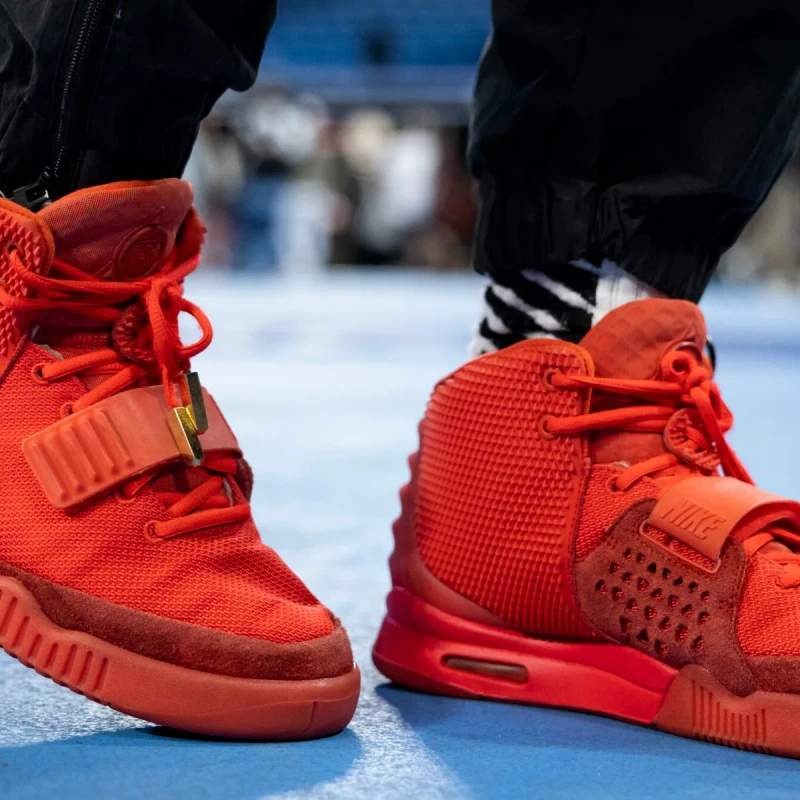
    6. 1. Nike Air Yeezy 2 “Red October” (February 2014): The undisputed king. Teased on ‘Yeezus’ and mysteriously dropped without warning, the “Red October” became the most iconic sneaker release of the 2010s. Its all-red design, gold lace tips, and unique stud detailing made it a legendary farewell to Nike, with resale prices exceeding $13,000.

    Kanye West’s tenure with Nike, though short-lived, was monumental. These six sneakers not only showcased innovative design but also redefined the relationship between artists and sportswear brands, leaving a legacy that continues to influence the industry today.

    Which Nike Yeezy is your favorite? Do you agree with this ranking? Let us know your thoughts in the comments below!

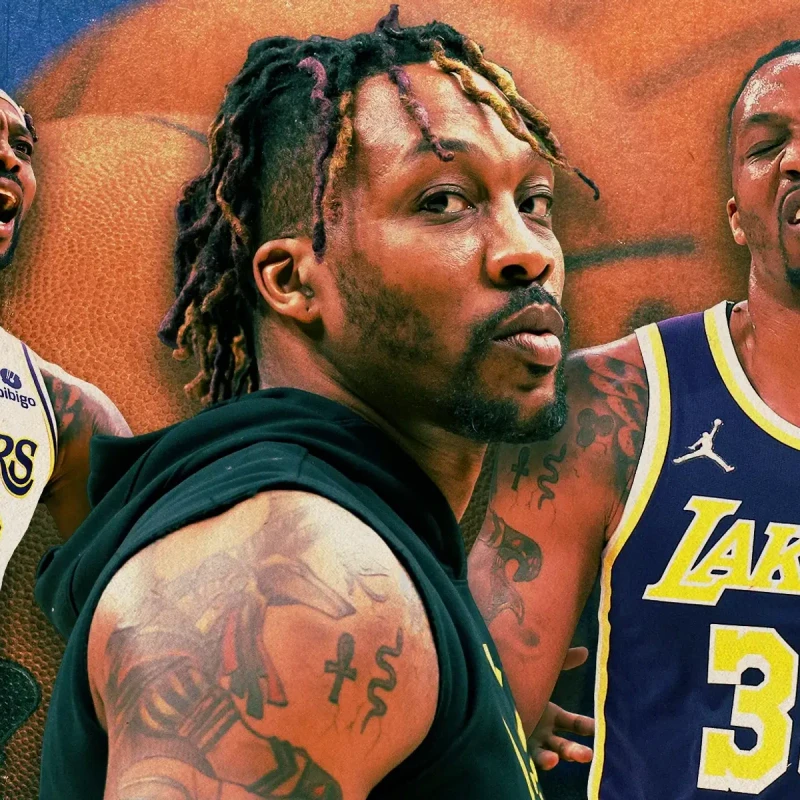
  • Dwight Howard Faces Renewed Scrutiny Amid Ex-Wife’s Allegations

    Dwight Howard, once celebrated for his on-court prowess and playful demeanor, is once again at the center of public scrutiny following explosive allegations from his estranged wife, rapper Amy Luciani. Luciani’s recent social media posts and videos accuse Howard of cocaine addiction and abusive behavior during their relationship, reigniting discussions about the former NBA star’s past scandals and legal disputes.

    Allegations of Abuse and CPS Involvement

    Luciani’s emotional claims, shared in a video that quickly went viral, include allegations of Child Protective Services involvement with Howard’s children. Howard has denied these accusations and cautioned against believing rumors. The drama has thrust the former NBA champion back into the spotlight, prompting a re-examination of the controversies that have periodically surfaced throughout his career.

    Royce Reed, the mother of Howard’s son Braylon, has also weighed in, suggesting Luciani’s allegations were not surprising and that she had attempted to warn others about Howard’s alleged behavior years prior, though her concerns were reportedly dismissed. Reed also criticized Luciani, noting that involvement with Howard was once seen as a “prize,” despite Reed’s own long-standing concerns about his conduct.

    A Pattern of Disputes and Legal Battles

    Howard’s history includes numerous public disputes with former partners. He is the father of five children with five different women, and the complexities of these relationships have frequently spilled into the public eye. One notable tragedy involved Melissa Rios, the mother of one of his children, who died in 2020. Reports at the time questioned custody arrangements and the involvement of extended family in raising their son.

    Howard also faced a 2023 sexual assault lawsuit filed by Stephen Harper, alleging assault, battery, false imprisonment, and intentional infliction of emotional distress. Harper claimed a non-consensual encounter occurred after communicating with Howard via Instagram. Howard denied the allegations, arguing the encounter was consensual. Although no criminal charges were filed, the case was later dismissed with prejudice by Harper in August 2024, with Howard’s attorney stating no settlement was involved.

    Rumors and Reputation

    Even before the 2023 lawsuit, Howard’s private life was subject to years of social media speculation. In 2018, author Masin Elijé publicly accused Howard of harassment and threats following an alleged past relationship, claims Howard denied. The renewed attention on Howard’s sexuality during the Stephen Harper lawsuit often overshadowed the legal claims, repackaging allegations into public spectacle. Howard’s career, while marked by significant basketball achievements, including eight All-Star selections and a championship ring with the Lakers in 2020, has consistently been intertwined with headlines unrelated to his on-court performance.

    • Amy Luciani, estranged wife of Dwight Howard, has made explosive allegations of abuse and cocaine addiction.
    • Royce Reed, mother of Howard’s son Braylon, claims she tried to warn people about his alleged behavior years ago.
    • Howard has a history of public disputes with former partners, fathering five children with five different women.
    • He faced a 2023 sexual assault lawsuit from Stephen Harper, which was later dismissed.
    • Years of social media speculation have surrounded Howard’s private life and sexuality.

    What are your thoughts on the ongoing controversies surrounding Dwight Howard? How do you think these issues impact his legacy? Share your opinions in the comments below!

  • Top 8 Sneakers from the 2026 NBA All-Star Game

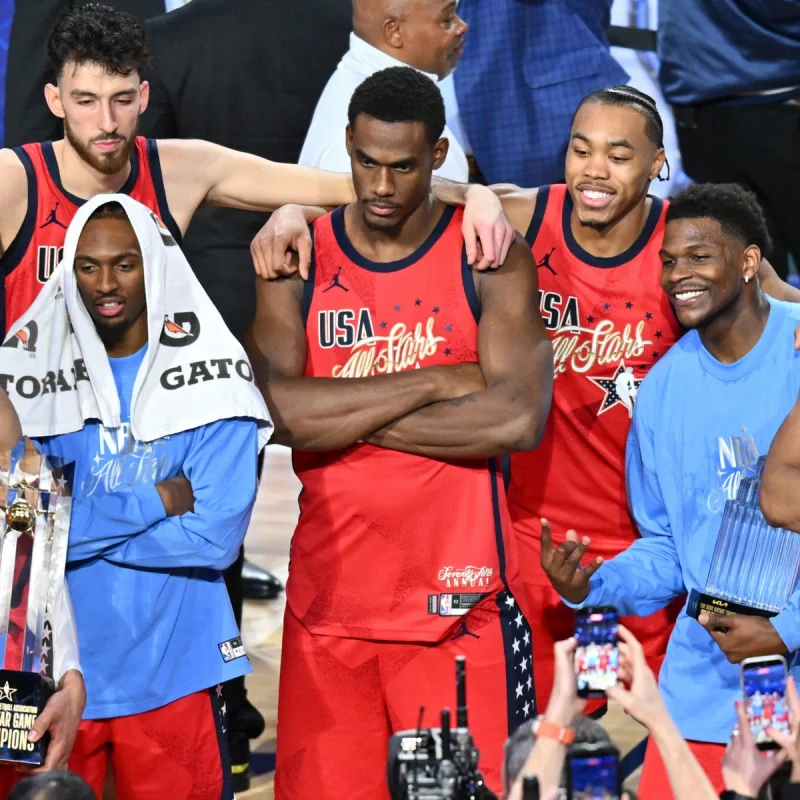
    The 2026 NBA All-Star Game in Los Angeles wasn’t just about thrilling dunks and incredible plays; it was also a major event for sneakerheads! The league’s biggest stars brought their A-game in the footwear department, showcasing everything from rare player exclusives (PEs) to brand-new silhouettes. Let’s break down the top 8 sneakers that stole the show on the court.

    Nike’s ‘Warning Label’ Takes Center Court

    Nike’s special “Warning Label” collection seemed to dominate the footwear landscape this year, with several signature athletes debuting eye-catching editions. These weren’t just shoes; they were statements, blending cutting-edge design with the personalities of the players wearing them.

    The Top 8 Sneakers Ranked

    1. **1. LeBron James – Nike LeBron 23 “Warning Label”:** King James claimed the top spot with these stunning kicks. Featuring a holographic crocodile-textured upper that shifted between orange, gold, and iridescent tones, they were the ultimate visual statement. The premium materials and unforgettable design solidified LeBron’s status as a king on and off the court.
    2. **2. Kevin Durant – Nike KD 18 “Warning Label”:** KD showcased his scoring prowess in these anticipated releases. The vibrant emerald green metallic upper with chrome and iridescent accents gave the shoe a futuristic vibe, perfectly matching Durant’s legendary talent.
    3. **3. Devin Booker – Nike Book 2 “Warning Label”:** Booker’s signature shoe featured a fiery red and orange gradient upper with a glossy, iridescent finish. The sleek low-top design and striking colorway made it a standout, perfectly representing Booker’s effortless style.
    4. **4. Anthony Edwards – Adidas AE2 “Hellstar” PE:** Ant-Man brought his signature energy in this bold collaboration. The dark black base with striking red accents and unique detailing captured Edwards’ fearless personality and electrifying playing style.
    5. **5. Jalen Brunson – Nike Kobe 3 Low Protro “Warning Label” PE:** Brunson laced up this vibrant purple exclusive with holographic and iridescent details. The “Warning Label” theme tied into Nike’s collection, and the shoe perfectly complemented Brunson’s crafty playmaking.
    6. **6. Stephen Curry – ANTA KT 11 PE:** Though not playing, Curry made a statement honoring former teammate Klay Thompson with a special PE. Featuring metallic gold and unique texturing, it was a touching tribute to the Splash Brothers’ bond.
    7. **7. Chet Holmgren – Nike KD 18 PE:** The rising star sported a vibrant hot pink KD 18 PE with white and blue accents. The bold color choice was impossible to miss, matching Holmgren’s exciting presence on the court.
    8. **8. Cade Cunningham – Nike ST Charge:** Cunningham showcased his fearless approach in these vibrant hot pink sneakers with black swoosh detailing. The glossy, patent-like finish gave the shoe a premium look, matching his dynamic play.

    More Than Just Shoes

    From honoring teammates to debuting groundbreaking designs, the sneakers worn during the 2026 NBA All-Star Game were as much a part of the event as the game itself. These player exclusives and special collections remind us why All-Star Weekend is the ultimate stage for sneaker culture.

    Which of these All-Star sneakers was your favorite? Let us know in the comments below!

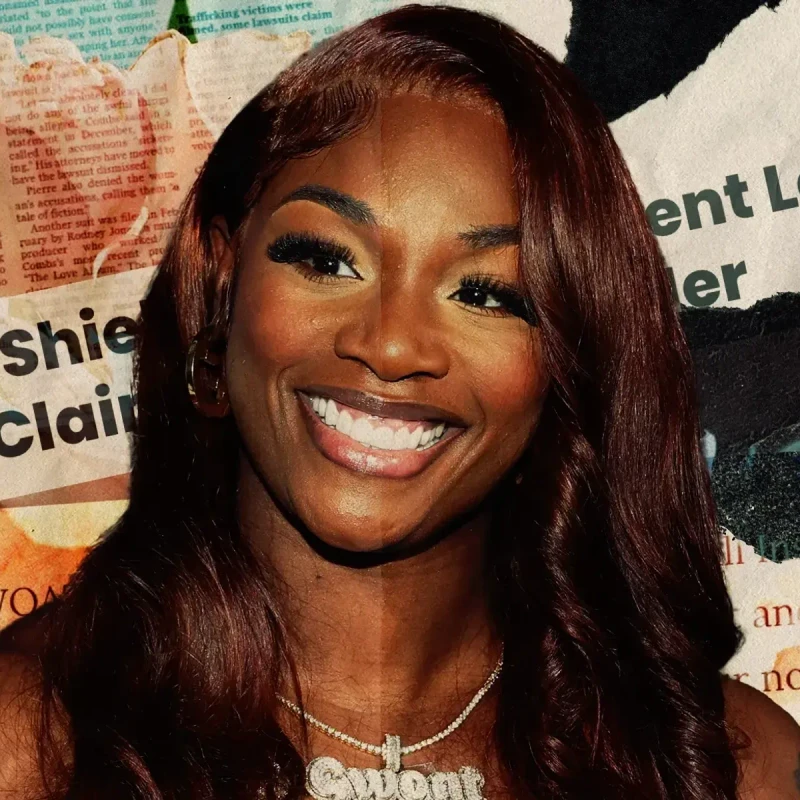
  • Claressa Shields: The Internet’s Outrage

    The internet has a lot of opinions, and lately, many of them are directed at boxing champion Claressa Shields. While she’s an undefeated force in the ring, a two-time Olympic gold medalist, and a multi-division world champion, her personal life has become a major online sensation. The current storm? Her relationship with rapper Papoose, who is reportedly still legally married to Remy Ma.

    An Odd Pairing or a Betrayal?

    The backlash against Shields and Papoose began even before their relationship was officially confirmed. For many, the pairing felt unusual, not because of a lack of chemistry, but because of Papoose’s existing marital status. Papoose and Remy Ma were long seen as a symbol of Black love and commitment in the hip-hop world. Their story, marked by Papoose’s unwavering support during Remy Ma’s prison sentence, was held up as a blueprint for enduring relationships. Consequently, the news of Shields and Papoose felt like a betrayal to many, even if Remy Ma has reportedly moved on.

    The frustration directed at Shields isn’t solely about betrayal; it’s also about her open and unapologetic approach to the relationship. She speaks with confidence and joy about her future with Papoose, including plans to start a family in 2026. This lack of shame or hesitation, while empowering for some, has made others uncomfortable, leading to accusations of being naive, immature, or counting her chickens before they’ve hatched.

    A Legacy Overshadowed by Gossip

    It’s crucial to remember who Claressa Shields is: one of the most accomplished athletes of her generation. She’s not just a boxer; she’s a history-maker. Shields is the first American boxer, male or female, to win back-to-back Olympic gold medals. She’s unified entire divisions and holds multiple world titles. Her dominance in the boxing world is undisputed. Yet, this incredible legacy is often buried beneath commentary that treats her like a novice to celebrity, as if she hasn’t already carried women’s boxing through different eras.

    The intense scrutiny she faces seems rooted in a discomfort with seeing a Black woman succeed on her own terms, especially one who doesn’t temper her personality or dreams to appease public expectations. The narrative often shifts to unverified rumors, painting her as desperate or her relationship as disrespectful, ignoring her achievements and her right to a personal life.

    The Hypocrisy of Public Morality

    There’s a clear double standard at play. If Shields had kept her relationship private, declined interviews, or offered polite, vague answers, the internet’s outrage might have been a whisper, not a roar. The criticism intensifies because she speaks so freely about her happiness and future plans, especially given the complicated timeline of Papoose’s existing marriage. She’s not following the script some people have written for her, and for that, she’s being heavily criticized.

    Notably, Papoose doesn’t face the same level of pressure to explain his marital status or new relationship. The blame and judgment disproportionately fall on Shields. She’s labeled as desperate, her future plans deemed delusional, and their relationship called disrespectful. Despite not being married herself, she’s criticized for discussing family, and her open intentions are met with shock rather than acknowledgment.

    A Fight She Shouldn’t Have to Win

    While Shields prepares for her upcoming fight on February 22 against Franchon Crews-Dezurn, she’s also fielding memes and responding to critics, including a recent unprovoked jab from 50 Cent that mocked her appearance and relationship. Although he later apologized, the damage of such public commentary is often already done. This is the bind she’s in: expected to defend her titles and her personal life simultaneously, to smile through the shade without being labeled ‘angry’.

    Ultimately, whether her relationship with Papoose lasts is a private matter. However, the public narrative that shrinks her into ‘the other woman’ without good sense, failing to recognize her as a high-achieving athlete navigating complex personal circumstances, is a disservice. The most interesting thing about Claressa Shields is her unparalleled talent and resilience, not the gossip surrounding her love life.

    What are your thoughts on the public’s reaction to Claressa Shields’ personal life? Share your perspective in the comments below!

  • 10 Most Divisive Air Jordan 1 Colorways Ranked

    The Air Jordan 1 is an icon, a legend in the sneaker world. But not every iteration gets a standing ovation. Some colorways drop and immediately spark heated debates, dividing sneakerheads into camps: those who love a bold risk and those who cherish tradition. These are the Air Jordan 1s that caused the most controversy, whether through wild materials, unexpected colors, or reimagined classics. Get ready, because we’re diving into the 10 most polarizing Air Jordan 1 colorways ever released!

    10. Air Jordan 1 “Spider-Man Origin Story”

    Kicking off our list at number 10 is the 2018 “Origin Story” release, tied to the animated Spider-Man film. This AJ1 took a bold detour from traditional Jordan design with a unique dotted pattern across the upper. While the red and black echoed Spidey’s suit, the translucent, icy blue outsole really split opinions. Some loved the playful nod to the superhero, but others felt the ‘gimmicky’ details detracted from the classic silhouette, questioning if movie tie-ins belong in serious collections.

    9. Air Jordan 1 “Chicago Reimagined” (Lost & Found)

    Coming in at number nine, the “Lost & Found” Chicago AJ1 intentionally aged a sacred colorway. Jordan Brand deliberately distressed the leather and yellowed the midsoles to mimic vintage wear, complete with cracked collars. This approach immediately divided opinion. Supporters praised the storytelling and attention to detail in the artificial aging, while critics felt it was manufactured nostalgia that disrespected the original 1985 release. The debate? Whether paying premium prices for a pre-worn look makes sense.

    8. Air Jordan 1 “Patent Bred”

    At number eight, we have the “Patent Bred.” Reimagining arguably the most iconic AJ1 colorway with glossy patent leather was a massive risk. Released in 2016, it garnered immediate split reactions. The shine added a touch of luxury but stripped away the sneaker’s classic athletic character. While some appreciated the premium upgrade, critics argued patent leather was unnecessary on such a revered design, fundamentally changing how the shoe creased and wore. It proved that even untouchable colorways aren’t safe from controversy.

    7. Air Jordan 1 “Bloodline”

    Claiming seventh place, the “Bloodline” AJ1 took an aggressive, modern approach. Released in 2019, it featured bold red piping on the Swoosh and graphic-heavy elements, creating a busy, contemporary look. Traditional collectors criticized the overdesigned appearance, while supporters appreciated Jordan Brand experimenting with new visual ideas. The red accents became the focal point, with some finding them edgy and others believing they cluttered the clean lines of the classic silhouette.

    6. Air Jordan 1 “Shadow 2.0”

    Sitting at number six, the “Shadow 2.0” tampered with a beloved classic. The original “Shadow” featured subtle gray tones, but this 2021 remix swapped them for washed-out, light blue panels. Fans of the original felt betrayed by the unnecessary color swap, arguing it changed the shoe’s character. While supporters suggested the lighter blue added freshness, most discussions centered on disappointment, highlighting how protective fans are of classic AJ1 colorways.

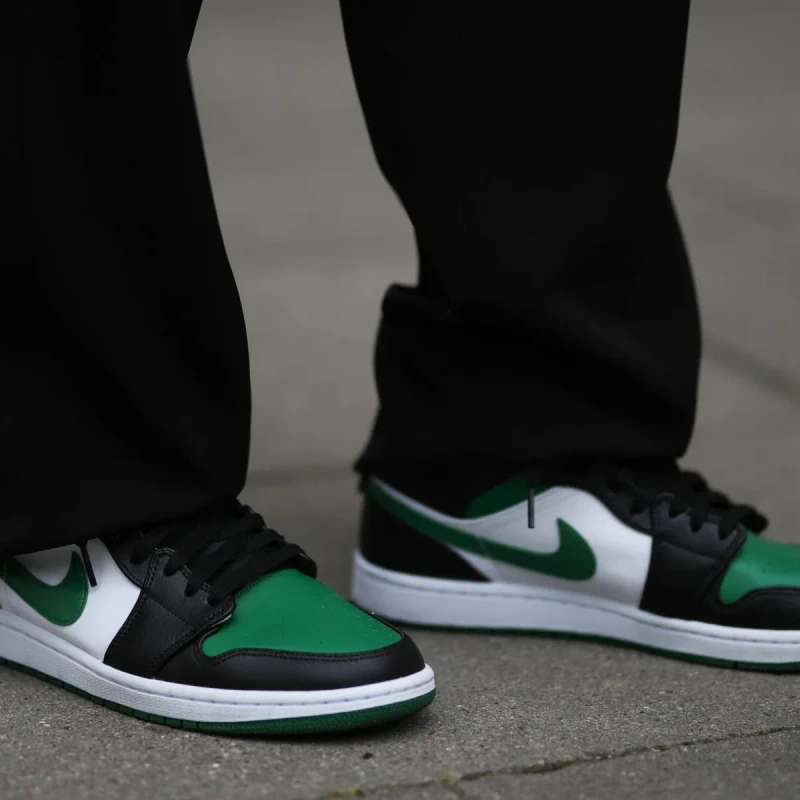
    5. Air Jordan 1 “Pine Green”

    The “Pine Green” AJ1 ranks fifth for its confusing, unconventional color blocking. Released in 2018, the green was placed in unexpected spots, looking almost right but different enough to cause widespread debate. Some fans appreciated the subtle twist, while others found the blocking awkward. The beautiful green shade made the execution even more frustrating, leading to discussions about whether it was intentional or poorly conceived. It remains a divisive release that never achieved universal acceptance.

    4. Air Jordan 1 “Rookie Of The Year”

    Landing at number four, the “Rookie of the Year” AJ1 adopted a subdued, lifestyle-oriented design. The brown leather and sail tones created a muted palette uncommon for Jordan 1s, honoring Michael Jordan’s 1985 award. Critics argued it looked more like a casual fashion sneaker than a performance heritage shoe, lacking the bold impact many expect. However, fashion-forward collectors appreciated its sophisticated, grown-up look, proving it succeeded with one audience while turning off another.

    3. Air Jordan 1 “Volt Gold”

    At third place, the “Volt Gold” AJ1 introduced shockingly bright accents. The neon volt yellow on the Swoosh created a strong contrast against the black, pushing into bold, modern color territories. Purists rejected the tones as too loud and disconnected from Jordan’s heritage, dismissing it as a design mistake. Younger fans, however, embraced the energetic, contemporary vibe, appreciating Jordan Brand’s risk-taking. This colorway sparked debates about the very essence of Jordan 1s.

    2. Air Jordan 1 “Tokyo Bio Hack”

    The “Tokyo Bio Hack” earns second place for its intentionally chaotic color story. Released in 2020, this colorway combined multiple clashing colors across both shoes in a deliberate, mismatched design. Critics called it unwearable, questioning how anyone could style such chaos. The busy look felt opposite to the shoe’s clean, classic design. However, some praised the creativity and risk-taking, celebrating Jordan’s history by referencing multiple legendary colorways at once. It generated maximum split reactions with virtually no middle ground.

    1. Air Jordan 1 “Shattered Backboard 3.0”

    Taking the top spot as the most polarizing sneaker ever is the “Shattered Backboard 3.0.” While the original was nearly perfect, this 2019 version covered the entire upper in high-gloss patent leather. Supporters loved the bold, luxurious statement, elevating the shoe for more formal occasions. Critics, however, felt the patent leather cheapened and ruined what was once perfection, finding the shine tacky and the material’s aging undesirable. The backlash was intense, proving that even the best ideas can fail with the wrong execution.

    Which of these Air Jordan 1 colorways do you love or hate the most? Let us know your thoughts in the comments below!

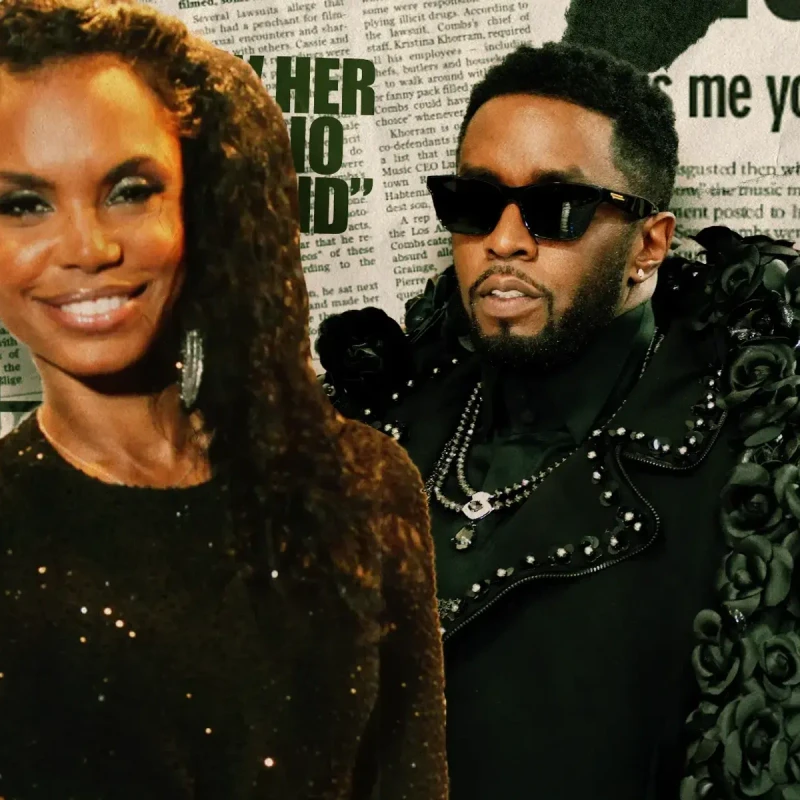
  • Diddy & Kim Porter: A Love Story’s Complex Timeline

    When you hear the names Sean ‘Diddy’ Combs and Kim Porter, what comes to mind? For many, it’s a decades-long romance that was as public as it was private, a bond that produced children and left an indelible mark on the music industry. But their story is far more intricate than just a headline romance. It’s a narrative woven with love, loss, and enduring influence, shaping not just Diddy’s life but also the legacy of a woman who was a constant in a world of constant change.

    The Spark in the 90s Music Scene

    Their connection began in the vibrant 1990s, a time when hip-hop was exploding onto the mainstream. Kim Porter was already making her mark as a model and actress, moving in circles that naturally intersected with the rising star of Sean Combs. Working as a receptionist at Uptown Records, she was perfectly positioned to catch the eye of the ambitious young executive.

    While accounts of their very first meeting might vary slightly – some say she was dating singer Al B. Sure! at the time, others that Diddy was instantly smitten – what’s undeniable is the rapid growth of their connection. Porter was building her own career, but she was soon drawn deeper into Diddy’s orbit, a world defined by music, ambition, and the fast-paced entertainment industry.

    Family, Conflict, and a Defining Moment

    The late 90s and early 2000s saw their relationship deepen with the arrival of their first child together, Christian Combs, in 1998. This period was also marked by the complex, on-again, off-again nature of their romance. Despite the ups and downs, Porter was a consistent presence, often seen by Diddy’s side at events and family gatherings, a composed figure amidst the whirlwind of his career.

    In 2006, as Porter was expecting twins, news broke that Diddy had also fathered another child, Chance Combs, with a different woman. This revelation marked a significant turning point. Porter, who had always maintained a sense of dignity and strength, decided to make a decisive move. As she explained in a 2007 Essence interview, she needed to take action, not just words.

    “I wanted him to know I wasn’t breaking up with him for two weeks—or maybe leaving for two days. If I pack up everything — twins and all — it means I’m out! Puffy’s an action person, not a talk person. So I had to have an action. Telling him, ‘Babe, I’m leaving’ was not gonna do it.” — Kim Porter, Essence, 2007

    An Enduring Bond Beyond Romance

    Even after their romantic separation, Kim Porter remained an integral part of Diddy’s life and their children’s lives. She maintained full custody but fostered a strong co-parenting dynamic, ensuring Diddy remained involved. Their bond evolved into a deep friendship, characterized by mutual respect and unwavering commitment to their children.

    Porter was known for her grace, never airing grievances publicly, even as rumors swirled about Diddy’s other relationships. She was a steady force, a confidante who understood his world and continued to show up. Diddy himself often referred to her as his best friend and soulmate, highlighting the unique and profound connection they shared.

    Tragedy, Lingering Questions, and Legacy

    Tragically, Kim Porter passed away on November 15, 2018, at the age of 47. Her death was officially attributed to lobar pneumonia, ruled as natural causes. The news sent shockwaves through the entertainment world, with Diddy expressing profound grief and honoring her memory through tributes and memorials.

    However, questions and speculation surrounding her passing have persisted, notably fueled by her ex-partner Al B. Sure!. As allegations of abuse against Combs have surfaced in recent years, Porter’s name has been drawn into renewed discussions, prompting a re-evaluation of their shared history and the dynamics of their relationship.

    Remembering Kim Porter’s Impact

    In the years since her passing, Diddy has often spoken of Porter as the love of his life and his “queen,” even commissioning a statue in her honor. Yet, the public narrative continues to evolve, with many pointing to the complexities of their relationship, including overlapping partners and children born close together.

    Kim Porter’s true legacy shines brightest through her children, who have consistently spoken of her guidance and love. Christian Combs has followed in the music industry, while her twin daughters and son Quincy carry her influence forward. Despite the controversies and lingering questions, Porter’s strength, grace, and maternal devotion remain a powerful testament to her enduring spirit.

    What are your thoughts on the complex relationship between Diddy and Kim Porter? Share your reflections in the comments below!