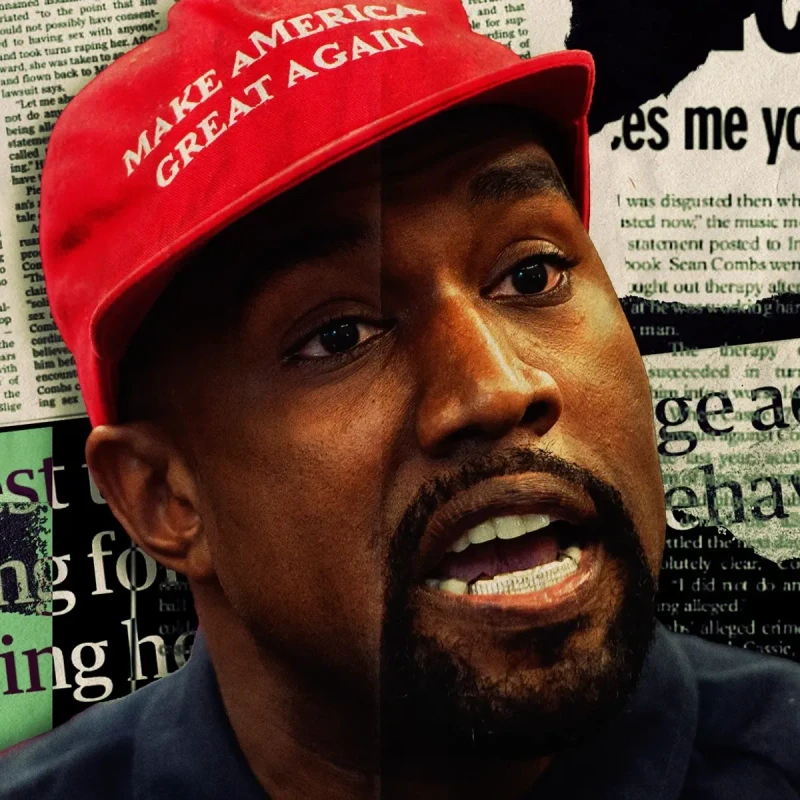
There was a time when a new release from Kanye West—now known as Ye—felt like a seismic event in music. His albums demanded attention, sparking immediate debate and analysis. However, the arrival of his latest effort, ‘Bully,’ signals a noticeable shift. While Ye still commands attention, the energy surrounding his music feels different, marked by a growing sense of listener fatigue rather than fervent anticipation.
A Shift in Reception
‘Bully’ has generated headlines and drawn listeners out of curiosity or loyalty, but the initial reactions suggest a departure from the intense engagement his earlier work inspired. While the production reportedly embraces a certain tension, and peers offer applause, fans seem less inclined to dissect the lyrics. For an artist once hailed as one of Hip Hop’s most influential figures, ‘Bully’ arrives with a significant rollout and impressive streaming numbers, yet it lacks the widespread fanfare of his past projects.
Many attribute this muted reception to “Kanye West fatigue.” The constant barrage of controversial incidents has cast a long shadow over his musical legacy, making it increasingly difficult for listeners to separate the art from the artist’s actions and statements.
The Unavoidable Pattern of Controversy
Any discussion about Ye that focuses solely on the music feels incomplete, bordering on avoidance. The pattern of controversial behavior spans years, dating back to his comments after Hurricane Katrina and his infamous “slavery was a choice” remark in 2018. His public alignment with Donald Trump, including wearing the MAGA hat and his surreal Oval Office appearance, further complicated his public image.
The year 2022 proved particularly tumultuous. The “White Lives Matter” shirt at his Paris fashion show, his antisemitic remarks leading to the loss of major partnerships with Adidas and Balenciaga, and his appearance on Alex Jones’ platform praising Hitler, all contributed to widespread condemnation. These incidents, alongside his ongoing public harassment of ex-wife Kim Kardashian, have created a narrative that overshadows his musical output.
Hip Hop’s History of Forgiveness (and Fatigue)
Hip Hop has a history of making space for artists despite their controversies, often allowing the music to recalibrate the conversation. Chris Brown, despite assault convictions and abuse allegations, has maintained a career. XXXTentacion’s serious abuse allegations were often overshadowed by his posthumous connection with fans. Kodak Black continues to navigate controversy and support side-by-side. Even Dr. Dre’s past admitted violence against women became secondary to his monumental legacy.
These examples show that forgiveness in Hip Hop is rarely formal; it’s often negotiated through continued engagement. However, the accumulation of Ye’s actions feels different. It’s not just isolated incidents but a sustained pattern of behavior with little evidence of accountability or reflection. This pattern has led to a cultural response that feels less like anger and more like exhaustion.
The Shifting Balance: From Artist to Figure
Ye’s music has always been in conversation with his personal narrative, with each era offering a new tension that the music often reframed. From the self-awareness of ‘The College Dropout’ to the grief of ‘808s & Heartbreak’ and the abrasive confrontation of ‘Yeezus,’ the music provided context and a reason to stay engaged. However, with ‘Donda’ and now ‘Bully,’ the spectacles and controversies seem to have eclipsed the substance.
‘Bully’ doesn’t reframe Ye or challenge the narrative built around him; instead, it exists within it. The listening experience is no longer about an artist rewriting his story but about hearing music alongside everything associated with his name: antisemitism, controversial political stances, and public family turmoil. This shift has transformed Kanye West from a cultural force into a figure defined by his personal struggles.
The question is no longer whether the art can be separated from the artist, but whether the art still carries enough weight. ‘Bully’ highlights a collective recalibration, where audiences are quietly deciding how much access they are willing to grant. While Ye’s legacy is secured, his relationship with the present remains uncertain. The audience’s disengagement, whether announced or silent, speaks volumes. The focus has shifted from forgiveness to distance, as the culture quietly recalibrates its willingness to engage.
What are your thoughts on Ye’s new album ‘Bully’ and the current reception? Has listener fatigue set in for you? Share your opinions in the comments below!
Leave a Reply