Tag: HBCU

  • HBCU Stars Shine in March Madness 2026

    March Madness 2026 wasn’t just about the upsets and buzzer-beaters; it was also a historic moment for Historically Black Colleges and Universities (HBCUs). For the first time since 1994, three HBCU basketball programs earned bids to the NCAA Tournament, bringing national attention to the incredible talent emerging from these institutions. Let’s shine a spotlight on the standout players who made this season unforgettable.

    Howard University: A Dynamic Duo

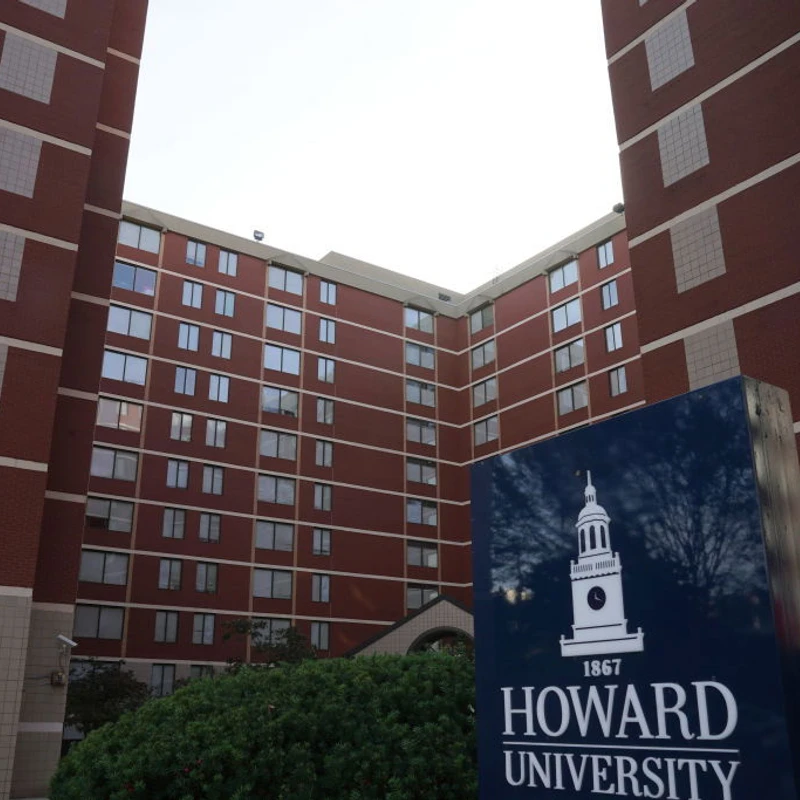
    Howard University’s run in March Madness was powered by some serious talent. Graduate guard Bryce Harris, hailing from Brentwood, New York, was a force to be reckoned with, averaging an impressive 17.3 points, 6.9 rebounds, and 2.5 assists per game during the 2025-26 season. He was the go-to scorer for the Bison throughout their campaign and tournament run.

    Complementing Harris was forward Cedric Taylor III from Atlanta, Georgia. Taylor provided a steady second scoring option, averaging 17.2 points, 6.7 rebounds, and 3.1 assists. His interior scoring and rebounding were crucial for Howard’s success. Additionally, senior forward Zennia Thomas, a transfer from Kentucky, led Howard’s offense with 15.2 points and over seven rebounds per game, guiding them to the tournament with a key performance against Ohio State.

    Tennessee State University: Leadership and Scoring

    Tennessee State University’s journey to the NCAA Tournament was spearheaded by the leadership of senior guard Aaron Nkrumah. From Worcester, Massachusetts, Nkrumah’s scoring prowess and knack for steals were instrumental in TSU clinching both the OVC regular season and tournament championships. He’s recognized as an elite two-way guard, capable of scoring and disrupting opponents defensively.

    Guard Travis Harper II, from Columbus, Georgia, provided a reliable scoring punch alongside Nkrumah. Averaging 17.3 points with 40.1% three-point shooting, Harper was a dependable perimeter shooter and offensive producer for the Tigers throughout the 2025-26 season.

    Prairie View A&M University: Offensive Firepower

    Prairie View A&M University boasted one of the top scorers among HBCUs in Dontae Horne. This 22-year-old guard from Memphis, Tennessee, averaged an impressive 20.1 points, 4.5 rebounds, and 2.9 assists during the 2025-26 season. Horne was the primary offensive engine for the Panthers, leading them into March Madness.

    Guard Tai’Reon Joseph, from Baton Rouge, Louisiana, also played a crucial role for Prairie View A&M. Averaging 17.7 points and 2.3 rebounds per game, Joseph stepped up to lead the team in scoring during their NCAA Tournament game, showcasing his steady perimeter shooting.

    Southern University’s Defensive Anchor

    While not all HBCUs made it to the NCAA Tournament, Southern University’s DeMya Porter made a significant impact. This forward from Bogue Chitto, Mississippi, led her team in scoring with 9.7 points per game, adding over five rebounds and 1.1 blocks. Porter was the anchor of Southern’s defense and was instrumental in their SWAC tournament victory.

    These athletes represent the dedication, skill, and competitive spirit thriving within HBCU basketball programs. Their performances in the 2026 March Madness tournament not only brought excitement to their respective schools but also highlighted the growing strength and national impact of HBCU athletics.

    Who were your favorite HBCU players to watch during March Madness 2026? Share your thoughts and shoutouts in the comments below!

  • HBCU Attendance Linked to Better Cognitive Health

    Could your college choice impact your brain health decades later? A groundbreaking new study suggests that attending a Historically Black College or University (HBCU) may offer significant long-term cognitive advantages for Black Americans compared to those who attended predominantly white institutions (PWIs).

    Published in JAMA Network Open, the research, co-authored by scholars from prestigious universities like Rutgers, Harvard, and Columbia, analyzed data from over 1,900 Black adults who attended college between 1940 and 1980. The findings indicate a notable correlation between the HBCU environment and improved long-term wellness, particularly in cognitive function.

    HBCU Graduates Show Better Cognitive Function

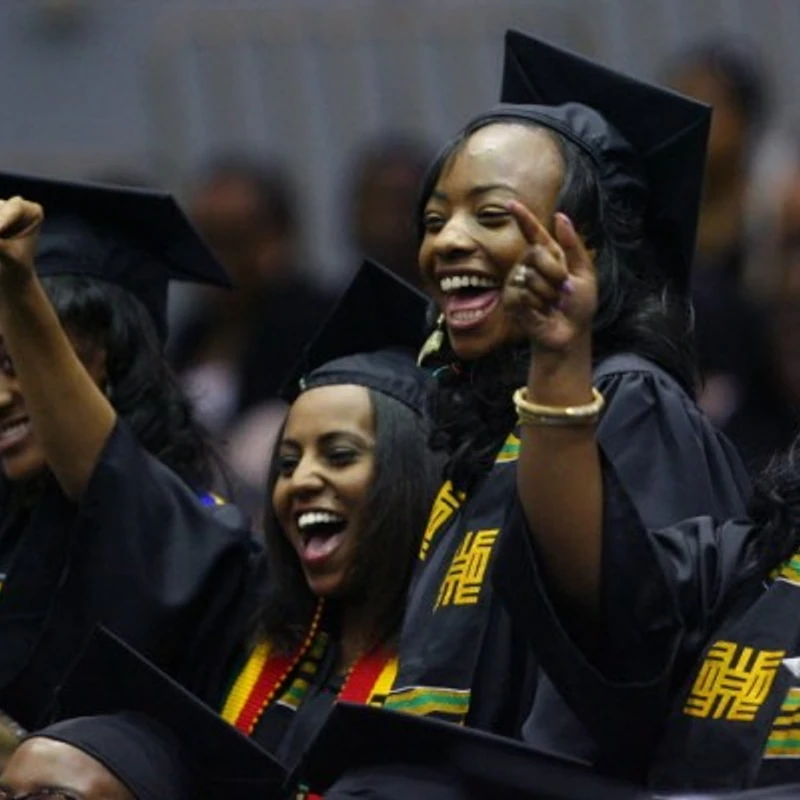
    The study revealed that graduates who attended HBCUs demonstrated better memory and cognitive function compared to their peers who went to PWIs during the same historical period. This was observed even as major policy shifts like the Brown v. Board of Education ruling and the Civil Rights Act of 1964 began to desegregate educational institutions nationwide.

    Dr. Marilyn Thomas, an assistant professor of medicine at the University of California, San Francisco, and a co-author of the study, noted that HBCU students often experienced more supportive early-life environments. For instance, participants attending HBCUs were more likely to have mothers or female caregivers with college degrees and reported experiencing more affection and love during their upbringing.

    Culturally Affirming Spaces Matter

    While Dr. Thomas described the study as exploratory, she emphasized its significance as the first of its kind to examine the long-term cognitive effects of college attendance on Black Americans. The findings strongly suggest that culturally affirming educational spaces can play a protective role in cognitive health.

    What’s really important about this finding is that it suggests that, yes, culturally affirming spaces actually can help promote and protect cognitive health. — Dr. Marilyn Thomas

    The benefits, according to the research, extend well beyond graduation, indicating that the positive impact of attending an HBCU can last a lifetime. This study underscores the profound value of HBCUs not only in providing education but also in fostering environments that support the holistic well-being of their students.

    What are your thoughts on these study findings? Do you believe attending an HBCU offers unique benefits for cognitive health? Share your experiences and opinions in the comments below!

  • New Bill Aims to Streamline HBCU Funding

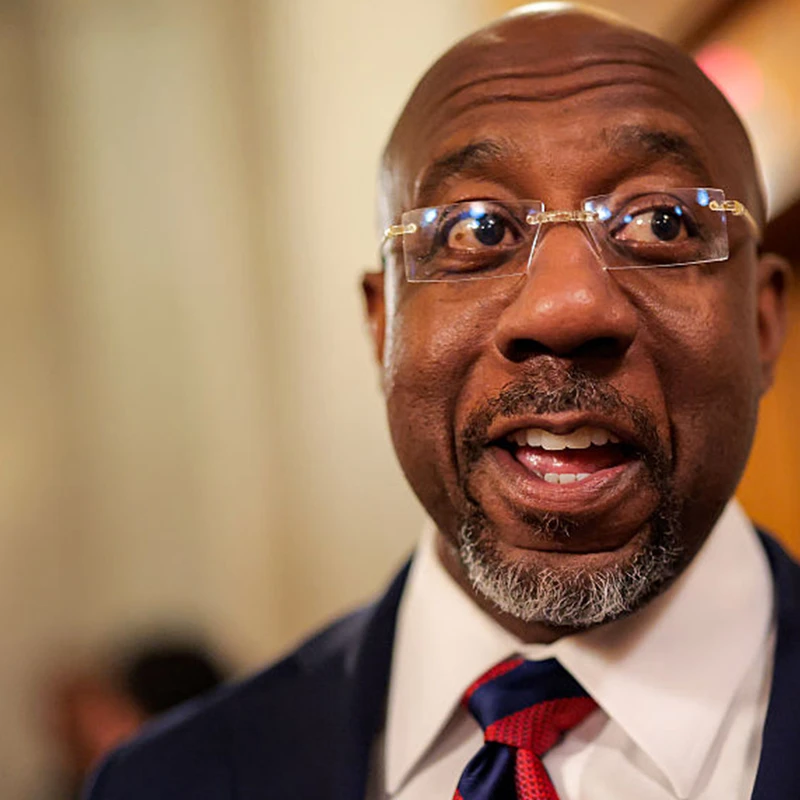
    A significant bipartisan effort is underway to enhance federal funding opportunities for Historically Black Colleges and Universities (HBCUs). Senators Raphael Warnock (D-GA) and Katie Britt (R-AL) have introduced the HBCU Research Capacity Act, a bill designed to simplify the process for these vital institutions to access research and development grants.

    The proposed legislation aims to create a centralized, federally coordinated website. This platform would consolidate information on all STEM research and development funding opportunities specifically eligible for HBCUs, effectively streamlining access and breaking down existing barriers.

    Addressing Funding Disparities

    This bill arrives at a critical time. While HBCUs play a crucial role in educating Black students in STEM fields—accounting for an estimated 18% to 25% of Black students earning STEM bachelor’s degrees—they receive a disproportionately small fraction of federal research funding. In fiscal year 2023, less than 1% of the $60 billion in federal research funding went to HBCUs, according to the bill’s findings.

    This disparity makes it challenging for HBCUs to strengthen their research capabilities and for their scholars to secure the necessary federal grants. The HBCU Research Capacity Act seeks to rectify this by making the application process more transparent and accessible.

    A Collaborative Approach

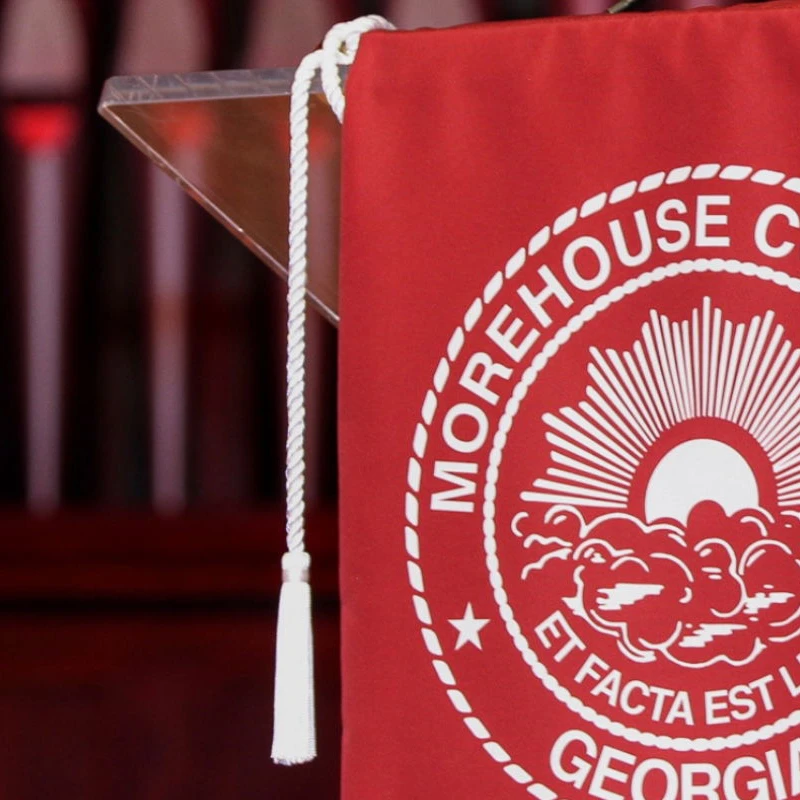
    Senator Warnock, an alumnus of Morehouse College, emphasized his commitment to ensuring HBCUs have the resources needed to provide top-tier opportunities for their students. Senator Britt echoed this sentiment, highlighting the shared passion among HBCU presidents for enhancing their institutions’ capabilities. The bill was introduced during a roundtable discussion attended by over 30 HBCU presidents, underscoring the collaborative nature of this initiative.

    Despite not always having every tool at their disposal, HBCUs continue to make massive contributions to the research and development community. This bipartisan bill will make securing federal dollars for their research efforts that much easier. — Senator Raphael Warnock

    Organizations like the Thurgood Marshall College Fund and UNCF have applauded the bill, recognizing it as a vital step toward improving access to research funding. However, they also stress the need for continued efforts to ensure HBCUs, particularly those not classified as R1 institutions but crucial for preparing students for advanced research, are fully supported in building their research capacity.

    What are your thoughts on the HBCU Research Capacity Act? Do you believe this bill will effectively streamline funding for these important institutions? Share your opinions in the comments below!

  • HBCU Attendance Linked to Better Brain Health

    Did you know that where you go to college could impact your brain health decades later? A fascinating new study is shedding light on the long-term benefits of attending a Historically Black College or University (HBCU), suggesting these culturally affirming environments contribute to better cognitive function throughout life.

    The Study’s Key Findings

    Published in JAMA Network Open, the research involved nearly 2,000 Black adults who attended college between 1940 and 1980. The findings revealed that individuals who matriculated at HBCUs maintained better memory and cognitive function compared to their Black peers who attended predominantly white institutions (PWIs).

    Dr. Marilyn Thomas, an assistant professor of medicine at the University of California, San Francisco, explained that HBCU attendees showed better cognition across multiple time periods studied. This suggests that the positive effects are not just immediate but have a lasting impact well into adulthood, with participants averaging 62 years old.

    Cultural Affirmation and Well-being

    The study also explored early-life factors that might influence these outcomes. Researchers noted that HBCU attendees were more likely to have mothers or female caregivers with college degrees and reported experiencing more affection during their upbringing. These elements, combined with an environment that combats racism, likely contribute to lower stress levels.

    This research adds a crucial layer to the conversation about education and health, moving beyond just the length of schooling. It strongly suggests that culturally affirming spaces, like HBCUs, play a vital role in promoting and protecting cognitive health. This is particularly relevant today, with the rise of anti-DEI legislation potentially creating more isolating environments for students of color.

    The Lasting Impact of HBCUs

    The study underscores the profound importance of HBCUs in fostering not only academic success but also the overall health and well-being of their students. By creating environments where students feel welcomed and affirmed, these institutions contribute to healthier lives that extend far beyond graduation.

    What are your thoughts on this study linking HBCU attendance to better brain health? Share your experiences or opinions in the comments below!

  • Morehouse Honors First Openly Black Gay Bishop

    Morehouse College is making history by unveiling a new portrait in its Martin Luther King Jr. International Chapel. The artwork honors Bishop O.C. Allen, marking a significant moment as he becomes the first openly Black gay bishop to have his portrait displayed at the esteemed all-men’s HBCU. This unveiling signifies a growing commitment to equality and the celebration of diverse legacies within the academic community.

    Celebrating a Trailblazer in Faith and Advocacy

    The portrait, created by artist Dwayne Mitchell, was revealed during the Bayard Rustin Crown Forum on March 19. It serves as a tribute to Bishop Allen’s dual role as a respected religious leader and a passionate advocate for gay rights. The artwork adds to a distinguished collection of honorees at Morehouse, including other queer visionaries like civil and gay rights activist Pauli Murray and Bayard Rustin himself.

    Bishop Allen, a proud Morehouse alumnus, has been instrumental in creating spaces for Black gay men and bridging activism with spirituality. He currently leads as the founder and senior pastor of the Vision Cathedral of Atlanta and serves as presiding bishop of the United Progressive Pentecostal Church Fellowship.

    Championing LGBTQ+ Rights and Health Equity

    Beyond his pastoral duties, Bishop Allen is a dedicated advocate for the queer community on a national level. He sits on the Board of Directors for the Human Rights Campaign and leads the ‘Prevention from the Pulpit’ initiative, which aims to reduce HIV/AIDS stigma and promote sexual health education. His work actively challenges societal norms and fosters greater understanding.

    He also utilizes his media platform, Soul Work, to promote diverse storytelling, weaving spiritual lessons with queer-led dialogues and experiences. As a key facilitator of Black queer engagement, Bishop Allen plays a pivotal role in organizing events like Atlanta Black Pride, fostering crucial conversations about queer livelihoods within faith communities.

    A Symbol of Progress and Resilience

    The unveiling of Bishop Allen’s portrait at Morehouse College is more than just an artistic recognition; it’s a powerful symbol of progress and the increasing visibility and acceptance of LGBTQ+ individuals within historically significant institutions. It highlights the ongoing efforts to ensure diverse voices and legacies are celebrated and remembered.

    What does the unveiling of Bishop O.C. Allen’s portrait at Morehouse College mean to you? Share your thoughts on this milestone in the comments below!

  • HBCU Grads Show Better Cognition: Study

    Did you know that where you go to college might impact your long-term cognitive health? A fascinating new study suggests that Black adults in the U.S. who attended Historically Black Colleges and Universities (HBCUs) between 1940 and 1980 actually showed better memory and cognitive function compared to their peers who attended predominantly white institutions (PWIs).

    The Study’s Findings on Cognition

    Researchers from prestigious universities like Rutgers, Harvard, and Columbia collaborated on this study, examining data from nearly 2,000 Black individuals. They looked at the period between 1940 and 1980, a time marked by significant educational policy shifts, including the landmark Brown v. Board of Education ruling and the Civil Rights Act of 1964.

    The results were quite striking: attendees of HBCUs consistently reported better memory and cognitive function across different time periods studied. Dr. Marilyn Thomas, an assistant professor at the University of California, San Francisco, noted that this held true even for Black adults aged 62 and older who attended HBCUs.

    Early Life Experiences and Affirming Environments

    Beyond cognitive scores, the study also found differences in early-life experiences. Participants who attended HBCUs were more likely to have mothers or female caregivers with college education. This suggests a potential link between the educational background of family members and the college choice.

    Dr. Thomas emphasized the importance of these findings, especially in today’s climate where Diversity, Equity, and Inclusion (DEI) initiatives are under scrutiny. She believes the study powerfully counters negative narratives by demonstrating that when marginalized individuals feel affirmed and welcome in their educational environments, they tend to lead healthier lives.

    • HBCU attendees showed superior memory and cognitive function.
    • The study covered the period from 1940 to 1980.
    • Early life experiences, like maternal education, were also noted.
    • Findings support the positive impact of affirming environments for marginalized groups.

    Looking Ahead

    This research offers valuable insights into the long-term benefits of attending HBCUs, particularly concerning cognitive well-being. It underscores the significance of creating inclusive and supportive educational spaces.

    What are your thoughts on these study findings? Do you believe attending an HBCU offers unique cognitive benefits? Share your perspective in the comments below!

  • HBCU Attendance Linked to Better Long-Term Brain Health

    We often talk about the unique culture and community found at Historically Black Colleges and Universities (HBCUs). But what if attending an HBCU offers benefits that last a lifetime, even impacting your brain health decades after graduation? A groundbreaking new study suggests just that, adding a significant layer to the conversation about the value of these vital institutions.

    A Deeper Look at HBCU Benefits

    Published in JAMA Network Open, the study analyzed data from nearly 2,000 Black adults who attended college between 1940 and 1980. The findings? Black adults who attended HBCUs demonstrated better memory, language skills, and overall cognitive performance later in life compared to their peers who attended predominantly white institutions (PWIs).

    This research is significant because it connects HBCU attendance to long-term health outcomes related to aging, memory, and cognition. The study found that HBCU attendees maintained stronger cognitive function across different historical periods, including eras marked by segregation, desegregation, and major civil rights advancements.

    The Power of Culturally Affirming Environments

    Lead researcher Dr. Marilyn Thomas emphasized that these findings point to the critical role of the educational environment itself, not just access to higher education. Culturally affirming spaces, like those historically provided by HBCUs, may offer a protective effect on cognitive health over time. This suggests that where Black students learn could be just as impactful as what they learn.

    HBCUs have long been known for creating environments where Black students can thrive, feel affirmed, and develop without facing the constant racial isolation that can be prevalent in other settings. This study gives academic weight to the lived experiences many HBCU graduates have shared for years: supportive environments and a sense of belonging truly matter.

    A Story of Black Health and Resilience

    This research is more than just an education story; it’s a vital piece of the Black health narrative. Cognitive decline isn’t solely biological; it’s influenced by factors like stress, social support, and the environments we navigate. The study connects these findings to broader questions about how structural racism impacts health and how institutions that affirm Black life can serve as sources of resilience.

    This perspective should encourage funders, policymakers, and higher education leaders to reconsider the importance of HBCUs. If these institutions contribute to better long-term cognitive health, the case for investing in them becomes even more compelling. It’s not just about preserving legacy; it’s about safeguarding Black futures.

    Why This Research Matters Now

    In a time when Black-centered institutions and diversity initiatives face challenges, these findings are particularly resonant. HBCUs have always been about more than just comfort; they foster leadership, resilience, cultural continuity, and access. This study suggests they may also play a role in long-term health outcomes that traditional college rankings overlook.

    The study authors acknowledge their work is exploratory, focusing on a specific historical period. However, the core message is powerful: the learning environment can shape outcomes for decades. For students and families considering college choices, this research highlights that factors like support, belonging, and cultural affirmation may hold lifelong value, often missed in conversations dominated by prestige and rankings.

    Shaping the Future of HBCU Storytelling

    This study offers an opportunity to enrich the narrative around HBCUs. Instead of focusing solely on pride, nostalgia, or funding debates, we can explore the profound, long-term impact these institutions have on the lives of Black individuals. As more research emerges, the multifaceted importance of HBCUs—as essential infrastructure for Black well-being and success—will become increasingly clear.

    What are your thoughts on this study’s findings? How do you think HBCUs contribute to lifelong well-being? Share your insights in the comments below!

  • Charlamagne Tha God Backs HBCU Driver Rajah Caruth

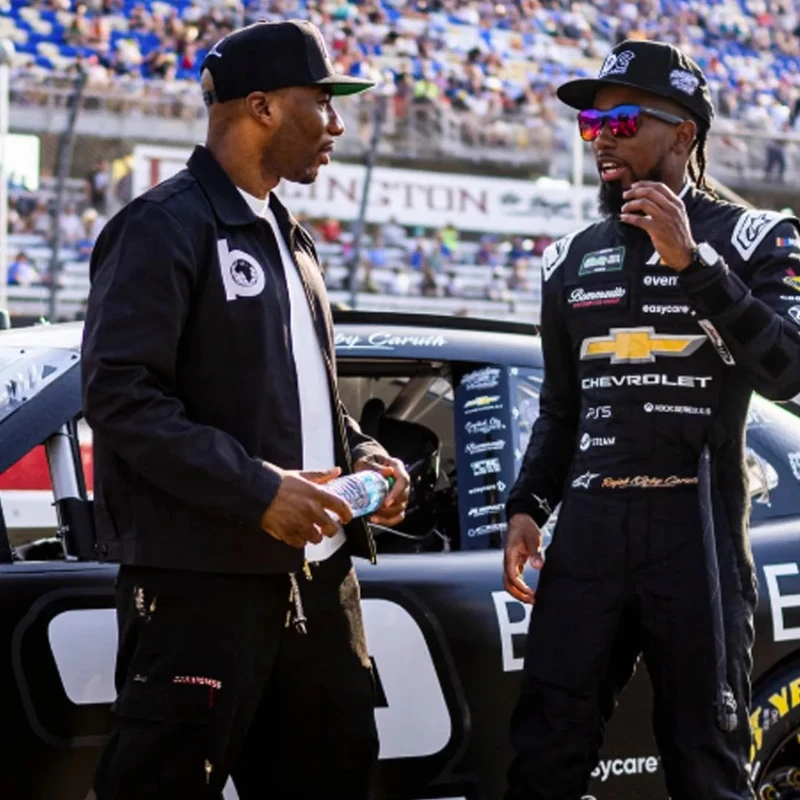
    Get ready for a powerful intersection of culture, media, and motorsports! Media mogul Charlamagne Tha God has teamed up with HBCU NASCAR driver Rajah Caruth, and this isn’t just any celebrity endorsement. It’s a move that’s reshaping perceptions and highlighting HBCU talent in a whole new arena.

    A New Kind of HBCU Moment

    Rajah Caruth, a proud graduate of Winston-Salem State University, is already making waves in NASCAR, a sport historically lacking diversity. Now, with Charlamagne Tha God’s backing, Caruth’s journey is getting an even bigger spotlight. This partnership connects the excellence of HBCUs with one of the most influential voices in Black media.

    Charlamagne’s Black Effect Podcast Network branding was featured on Caruth’s car at Darlington Raceway. More than just a sponsor, Charlamagne was trackside, turning a regular race day into a significant cultural event. It sent a clear message: HBCU talent belongs everywhere influence, money, and visibility intersect.

    Why This Sponsorship Matters

    You might think, ‘So what? Drivers get sponsors all the time.’ But this is different. Charlamagne Tha God isn’t just a personality; he’s a cultural amplifier. His involvement introduces Caruth to audiences who might not typically follow NASCAR but understand the importance of Black ownership, influence, and support in spaces not originally designed for them.

    This partnership expands the narrative around HBCUs. We often hear about football, marching bands, and basketball, but this shows that HBCU alumni are breaking barriers in motorsports, media, business, and beyond. It proves the HBCU story is vast and multifaceted.

    Caruth Pushing HBCU Representation Forward

    Rajah Caruth is already a prime example of modern HBCU representation. We’ve followed his journey from student to a rising star in racing, including his graduation from Winston-Salem State’s motorsports management program and his NASCAR playoff appearance last year. This latest sponsorship fits perfectly into his trajectory.

    At Darlington, Caruth finished 23rd after starting 19th, completing all 147 laps. While the finish itself might not be a headline for casual fans, the real story is sustained presence. In motorsports, staying visible, competitive, and marketable is key to building a career, attracting sponsors, and opening doors.

    Bridging Culture and Access

    There’s a significant business lesson here too. NASCAR has been working to broaden its audience, and figures like Caruth provide a genuine connection to communities often overlooked by the sport. Charlamagne’s support strengthens this bridge.

    This is crucial because access in motorsports is heavily linked to sponsorship, which in turn is tied to belief. When a prominent Black media figure publicly champions a Black HBCU graduate in NASCAR, it’s more than just branding; it’s validation. This can attract more attention, media coverage, and hopefully, investment, turning cultural capital into economic opportunity.

    The Future of HBCU Athletes

    The connection between Charlamagne Tha God and Rajah Caruth should inspire brands to think outside the box. If an HBCU graduate can capture attention in NASCAR, the market for HBCU-related storytelling is much larger than many realize. Brands looking to connect authentically should see this as a prime opportunity.

    This moment is about narrative ownership and amplification. It challenges the outdated notion that HBCU excellence is a surprise and instead positions it as the standard. Rajah Caruth consistently gives people a reason to update their assumptions, and Charlamagne’s involvement amplifies that message even louder.

    For HBCU students watching, the takeaway is powerful: you don’t need to wait for traditional spaces to welcome you. Sometimes, the biggest shifts happen when culture steps in, makes its presence known, and forces industries to adapt. This is exactly what’s happening with Rajah Caruth and Charlamagne Tha God.

    What do you think about this groundbreaking partnership? Share your thoughts on how it impacts HBCU visibility and representation in the comments below!

  • HBCU Attendance Linked to Better Brain Health

    Did you know your college choice could impact your brain health decades down the line? A fascinating new study suggests that attending a Historically Black College or University (HBCU) might offer significant, long-term cognitive benefits for Black Americans. It turns out, the environment where you learn can be just as crucial as the education itself!

    The Study’s Findings: HBCUs and Cognitive Health

    Published in JAMA Network Open, this research looked at data from nearly 2,000 Black adults who attended college between 1940 and 1980. The results were compelling: individuals who attended HBCUs showed better memory and overall cognitive performance around age 62 compared to those who attended predominantly white institutions (PWIs).

    Lead researcher Dr. Marilyn Thomas, an assistant professor at the University of California, San Francisco, highlighted that these cognitive advantages were observed across different time periods, even those shaped by major civil rights advancements. This suggests a consistent positive impact stemming from the HBCU experience.

    The Power of Culturally Affirming Environments

    So, what’s the secret sauce? The study proposes that the culturally affirming environments often found at HBCUs play a key role. These spaces can foster a sense of belonging and support, which may act as a protective factor for long-term brain health. Dr. Thomas emphasized that these environments can actively promote and safeguard cognitive well-being.

    Furthermore, HBCU attendees in the study were more likely to report positive early-life experiences, such as strong encouragement for education and supportive caregivers. This aligns with broader research linking exposure to racism with poorer health outcomes, including accelerated aging. The findings suggest that HBCUs can serve as vital sources of resilience against such stressors.

    Context Matters in Education

    Even a brief immersion in an HBCU environment seemed to have a measurable impact, according to the research. While considered exploratory, this study adds significant weight to the idea that the context and quality of one’s educational experience are incredibly important, especially for marginalized communities.

    In a time when discussions around diversity, equity, and inclusion are prominent, these findings underscore the profound, lasting value of institutions dedicated to supporting historically underserved populations. It’s a powerful reminder that education is about more than just academics; it’s about holistic well-being.

    What are your thoughts on the connection between culturally affirming spaces and long-term health? Share your experiences or opinions in the comments below!

  • HBCU Enrollment Gap: Commission Tackles Decline

    A significant issue facing higher education is the declining enrollment of Black men at Historically Black Colleges and Universities (HBCUs). To tackle this growing concern, the U.S. Commission on the Social Status of Black Men and Boys convened its first business meeting of FY26 on March 24, 2026, to delve into the problem.

    Examining the Enrollment Gap

    Chaired by U.S. Rep. Frederica S. Wilson (D-Fl.), the virtual meeting, themed “Closing the Gap: Addressing Declining Black Male Enrollment at HBCUs and Other Colleges,” brought together commissioners and staff. The session aimed to scrutinize the reasons behind this downward trend and brainstorm potential solutions.

    The discussion underscored the vital historical role HBCUs have played in fostering the success of Black men. However, it also confronted the recent challenges and the contributing factors to the enrollment decrease. Commission Director Marik Xavier-Brier was set to present initial findings.

    Factors Contributing to the Decline

    Preliminary findings are expected to shed light on various issues, including financial barriers that make college less accessible, gaps in college readiness among students coming from the K–12 pipeline, and the institutional pressures faced by HBCUs. The increasing competition from predominantly white institutions was also noted as a factor.

    Beyond academic and financial hurdles, the meeting also explored broader cultural shifts and workforce dynamics that might influence the enrollment decisions of Black men. Understanding these multifaceted influences is crucial for developing effective strategies.

    Proposing Solutions and Action Steps

    Early recommendations discussed include enhancing targeted financial aid programs, boosting investment in HBCU infrastructure to improve facilities and resources, and strengthening pipeline programs designed to better prepare students for the rigors of college. Commissioners engaged in focused discussions to reverse this trend.

    • Expanding targeted financial aid for students.
    • Increasing investment in HBCU infrastructure.
    • Strengthening K-12 pipeline programs for college readiness.
    • Addressing cultural and workforce dynamics influencing enrollment.

    The session concluded with a plan for concrete action steps, including sharing findings with Congress and the Department of Education. The commission also intends to collaborate with major organizations like the Thurgood Marshall College Fund, UNCF, the National Urban League, and the My Brother’s Keeper Alliance to amplify efforts.

    What do you believe are the most critical factors affecting Black male enrollment at HBCUs? Share your thoughts and potential solutions in the comments below!