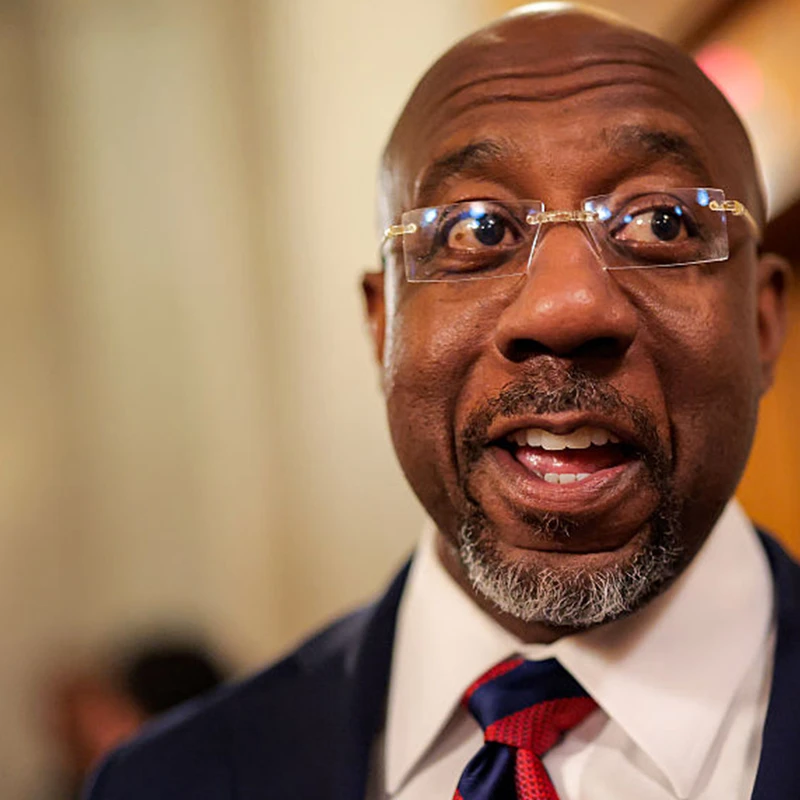
A significant bipartisan effort is underway to enhance federal funding opportunities for Historically Black Colleges and Universities (HBCUs). Senators Raphael Warnock (D-GA) and Katie Britt (R-AL) have introduced the HBCU Research Capacity Act, a bill designed to simplify the process for these vital institutions to access research and development grants.
The proposed legislation aims to create a centralized, federally coordinated website. This platform would consolidate information on all STEM research and development funding opportunities specifically eligible for HBCUs, effectively streamlining access and breaking down existing barriers.
Addressing Funding Disparities
This bill arrives at a critical time. While HBCUs play a crucial role in educating Black students in STEM fields—accounting for an estimated 18% to 25% of Black students earning STEM bachelor’s degrees—they receive a disproportionately small fraction of federal research funding. In fiscal year 2023, less than 1% of the $60 billion in federal research funding went to HBCUs, according to the bill’s findings.
This disparity makes it challenging for HBCUs to strengthen their research capabilities and for their scholars to secure the necessary federal grants. The HBCU Research Capacity Act seeks to rectify this by making the application process more transparent and accessible.
A Collaborative Approach
Senator Warnock, an alumnus of Morehouse College, emphasized his commitment to ensuring HBCUs have the resources needed to provide top-tier opportunities for their students. Senator Britt echoed this sentiment, highlighting the shared passion among HBCU presidents for enhancing their institutions’ capabilities. The bill was introduced during a roundtable discussion attended by over 30 HBCU presidents, underscoring the collaborative nature of this initiative.
Despite not always having every tool at their disposal, HBCUs continue to make massive contributions to the research and development community. This bipartisan bill will make securing federal dollars for their research efforts that much easier. — Senator Raphael Warnock
Organizations like the Thurgood Marshall College Fund and UNCF have applauded the bill, recognizing it as a vital step toward improving access to research funding. However, they also stress the need for continued efforts to ensure HBCUs, particularly those not classified as R1 institutions but crucial for preparing students for advanced research, are fully supported in building their research capacity.
What are your thoughts on the HBCU Research Capacity Act? Do you believe this bill will effectively streamline funding for these important institutions? Share your opinions in the comments below!
Leave a Reply