Tag: HBCU

  • Wes Moore on 2028 Presidential Run: ‘Humbling’ Calls

    The buzz is building! Maryland Governor Wes Moore, a prominent figure and the state’s first Black governor, is facing increasing calls from HBCU graduates and others to consider a run for the presidency in 2028. While the attention is described as ‘humbling,’ Moore is currently keeping his focus firmly on his re-election campaign in Maryland.

    A Message of Urgency and Leadership

    Moore recently delivered the commencement address at Johnson C. Smith University, an HBCU in Charlotte, North Carolina. He urged the graduating class of 2026 to embrace leadership and ‘fight’ for crucial issues, particularly in the face of what he described as a significant ‘assault on Black voter representation.’ His powerful words resonated deeply with the audience.

    As Moore was being honored with an honorary doctorate, the crowd erupted with chants of ‘Future president!’ The enthusiasm was palpable, with even JCSU President Dr. Valerie Kinloch playfully joining in the calls for Moore to aim for the White House.

    Moore’s Response: Focused on Maryland

    Speaking with theGrio, Governor Moore acknowledged the outpouring of support, calling the moment ‘humbling.’ However, he quickly pivoted back to his current responsibilities and the upcoming November elections in Maryland. He highlighted the state’s achievements under his leadership, including a historic drop in violent crime, the creation of thousands of new businesses, and advancements in paid family leave and investments in HBCUs and apprenticeships.

    “I’m proud of our results,” Moore stated, emphasizing his commitment to winning re-election and demonstrating a successful model for future campaigns. This disciplined approach suggests a strategic focus on his current role rather than immediate presidential ambitions.

    The 2028 Landscape and Needed Leadership

    Despite Moore’s focus on Maryland, speculation about a 2028 presidential run is likely to continue, especially within the Democratic party regrouping after the 2024 election. When asked about the type of leadership needed in 2028, Moore emphasized action, results, and the capacity to ‘push forward’ rather than just react.

    He encouraged the graduating students to become those leaders, urging them to enter spaces with ‘values, with love – unapologetic and unafraid’ and to build better systems that leave no one behind. This message underscores his vision for impactful leadership, whether in Maryland or potentially on a national stage.

    Do you think Wes Moore should run for president in 2028? What qualities do you believe are most important for the next national leader? Share your thoughts in the comments below!

  • Southern University Honors Late Student Caleb Wilson

    Imagine crossing the stage, diploma in hand, surrounded by cheers. For over 600 students at Southern University’s spring commencement, this was a reality. But for one student, Caleb Wilson, the applause was a poignant reminder of a life cut short, a moment of honor tinged with deep sadness.

    A Heartfelt Posthumous Tribute

    As Caleb Wilson’s name echoed through the F.G. Clark Activity Center, the crowd erupted, not just with applause, but with a collective outpouring of love and remembrance. Caleb, a bright engineering student, tragically passed away in 2025 following a hazing incident. His absence was deeply felt, but his spirit was undeniably present.

    His mother and sister bravely walked across the stage to accept his degree in mechanical engineering on his behalf. It was a powerful moment, symbolizing his achievements and the university’s commitment to honoring his memory. This wasn’t just a ceremony; it was a testament to the impact Caleb had on his community.

    Remembering Caleb’s Legacy

    The university officially confirmed in February that Caleb would receive a posthumous degree, marking the one-year anniversary of his passing. In a touching statement, Southern University described him as ‘a beloved member of Jaguar Nation whose presence we continue to miss deeply.’

    His ‘vibrant personality, warm spirit, and steady determination’ left an indelible mark on everyone he met. The university emphasized remembering not just the loss, but the joy and meaningful connections Caleb brought into the world. His spirit, they affirmed, will forever be a cherished part of Southern University.

    Honoring Another Fallen Jaguar

    Caleb wasn’t the only student honored posthumously. Kavon Barnhill, who tragically died in a car accident in December, was also recognized. His mother, Charnae Thompson, was present to receive his degree, expressing her gratitude for the university’s beautiful and heartfelt tribute.

    It was beautiful. I think that everything from start to finish, it was just absolutely beautiful. They did a fantastic job. — Charnae Thompson, Kavon Barnhill’s mother

    These moments, while heartbreaking, highlight the strong sense of community and support within Southern University. It’s clear that the bonds formed here extend far beyond graduation day, especially when honoring the lives of those who are no longer with us.

    The spring commencement was a powerful reminder of both the joy of achievement and the profound impact of loss. It showcased Southern University’s dedication to celebrating its students, past and present, and the enduring spirit of Jaguar Nation.

    What are your thoughts on how Southern University honored Caleb Wilson and Kavon Barnhill? Share your reflections in the comments below.

  • Southern University Honors Late Student Caleb Wilson

    Commencement ceremonies are usually filled with joy and celebration, but Southern University’s recent spring graduation held a deeply emotional moment. While over 600 students were recognized, the loudest cheers were reserved for a student who couldn’t be there in person: Caleb Wilson.

    A Heartfelt Tribute to Caleb Wilson

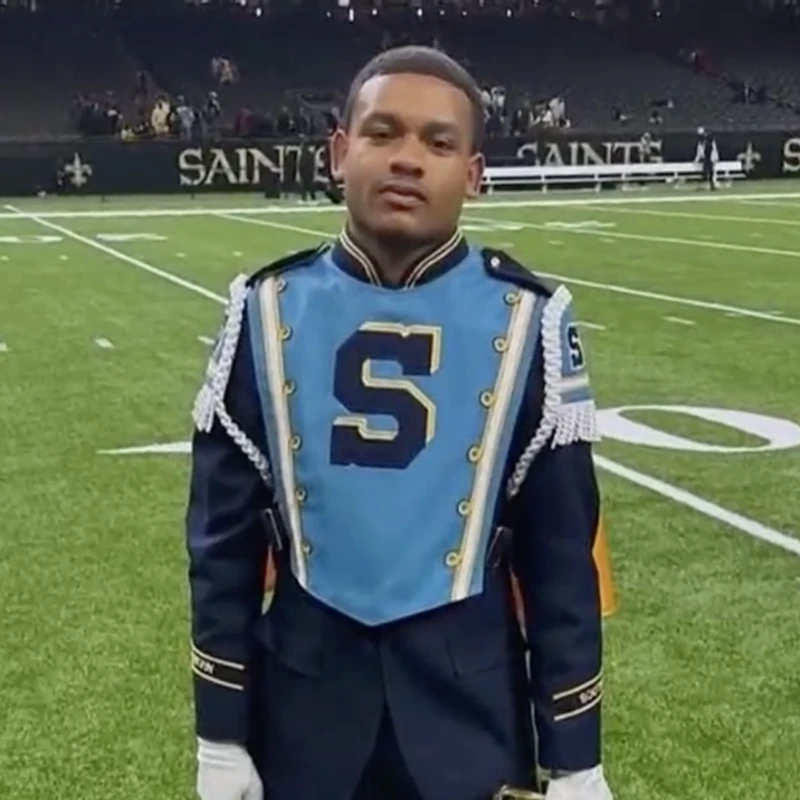
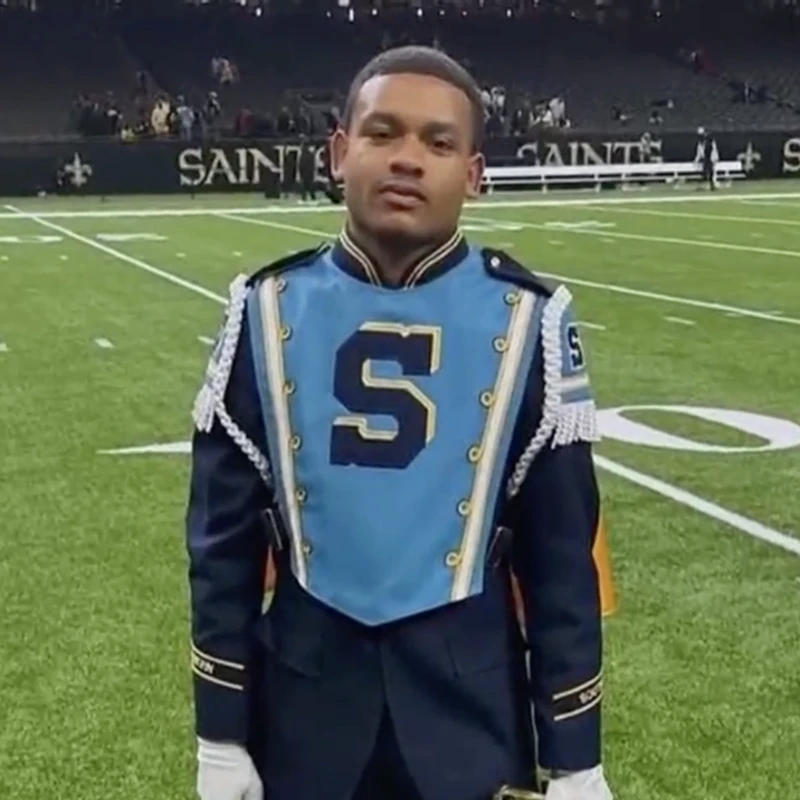
    Caleb Wilson, a mechanical engineering major and a member of the famed ‘Human Jukebox’ marching band, tragically passed away in 2025 due to a hazing incident involving members of the Omega Psi Phi fraternity. Five individuals have since been charged in connection with his death. During the ceremony, his name was called, and the audience responded with an outpouring of love and support.

    In a poignant display of remembrance, Caleb’s mother and sister walked across the stage to accept his degree on his behalf. This honor came after the university confirmed in February, on the one-year anniversary of his passing, that they would award him a posthumous degree.

    Remembering a Beloved Member of Jaguar Nation

    The university released a statement remembering Wilson as ‘a beloved member of Jaguar Nation whose presence we continue to miss deeply.’ They highlighted his ‘vibrant personality, warm spirit, and steady determination,’ noting the lasting impression he made on everyone he met. The statement emphasized celebrating his life, filled with joy and meaningful connections, and assured that his spirit would forever remain a cherished part of Southern University.

    Honoring Another Fallen Jaguar

    Caleb Wilson wasn’t the only student honored posthumously. Kavon Barnhill, who tragically died in a car accident in December, was also recognized. His mother, Charnae Thompson, was present to receive his degree and expressed her gratitude for the university’s handling of the ceremony, calling it ‘absolutely beautiful’ and praising their efforts in honoring her son.

    The university’s commitment to honoring these students, even in their absence, speaks volumes about the strong sense of community and care within Jaguar Nation. It was a day of remembrance, love, and a testament to the enduring impact these young lives had.

    What are your thoughts on how Southern University honored Caleb Wilson and Kavon Barnhill? Share your reflections in the comments below.

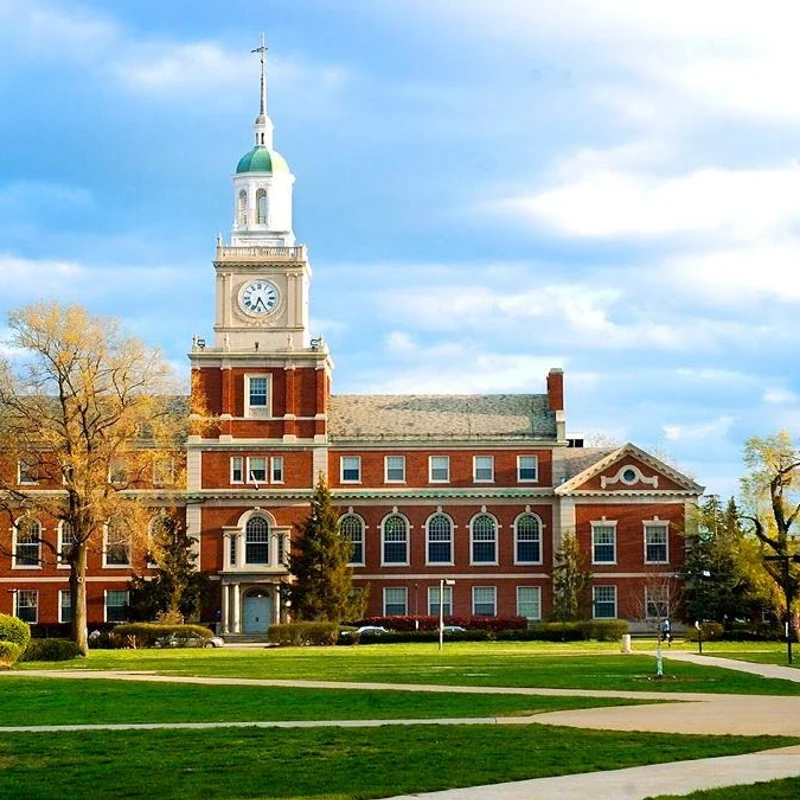
  • Howard Students Heckle Mayor Bowser

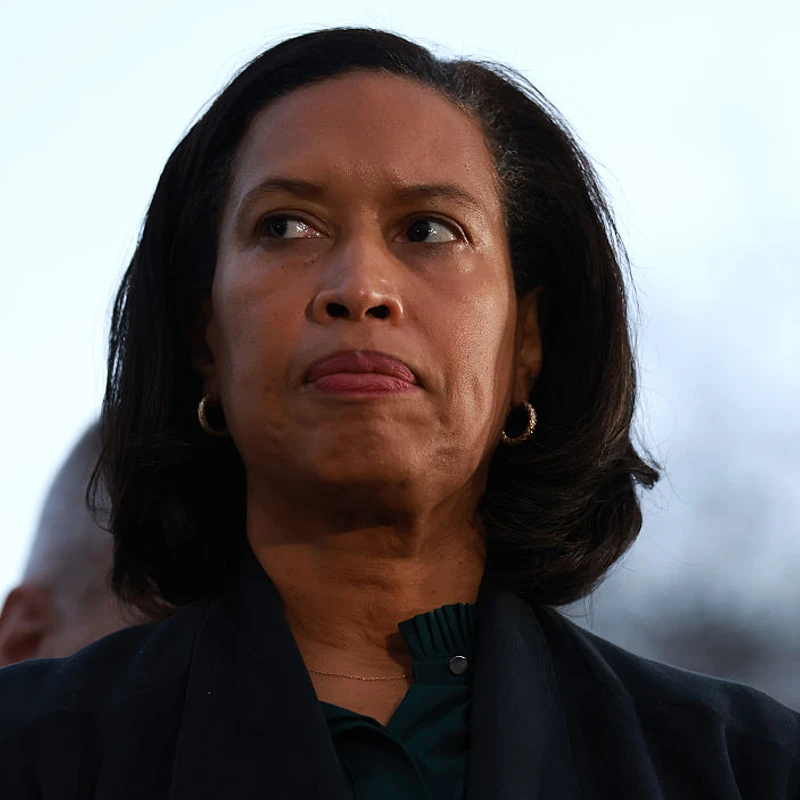
    Imagine graduating from a prestigious university, a moment you’ve worked years for, only to have a politician try to piggyback on your achievement. That’s precisely what happened at Howard University’s commencement ceremony, where Mayor Muriel Bowser was met with boos and heckling from the graduating class.

    Bowser’s Attempt to Co-opt the Moment

    Mayor Bowser, who received an honorary doctorate, declared on stage that she, too, was graduating. She attempted to align her departure from City Hall with the students’ milestone, reaching for Howard’s history and symbols. However, the politically savvy Gen Z students weren’t buying it. They saw her attempt to borrow the ‘Mecca’s’ glow as a way to gloss over her record.

    The students’ reaction was a clear message: they weren’t there to be props in her farewell narrative. They had spent their years at Howard navigating a city that had become increasingly expensive, heavily policed, developer-friendly, and less livable, especially for Black communities. Anyone surprised by the boos, the author argues, simply hasn’t been paying attention to the realities these students faced.

    A Record Under Scrutiny

    Bowser’s speech was described as defensive rather than inspirational. She invoked Howard’s history, Black resilience, and themes of courage, trying to link her tenure to the university’s legacy. She stated that Howard and D.C. are “inextricably linked,” referencing historical figures and movements. Yet, for the students, these words rang hollow against the backdrop of rising rents, displacement, and a political climate that often felt hostile to Black institutions.

    The graduates had endured a pandemic, bomb threats, cyber attacks, tuition aid cuts, and a government shutdown, all while navigating campus pressures and the rising cost of living in D.C. They earned their degrees through significant sacrifice. Bowser’s departure from office, the author contends, is not the same as their commencement.

    The Gap Between Language and Governance

    The students understood the disconnect between Bowser’s “freedom language” and her governing record. Invoking “Free DC” while presiding over the gentrification of the city felt disingenuous. They recognized that politicians often celebrate Black students as symbols of the future while failing to listen to them as constituents in the present.

    They’ve witnessed neighborhoods surrounding Howard transform into playgrounds for developers and luxury apartments, pushing out long-term residents and students alike. These aren’t naive students; they are studying law, journalism, policy, and economics, and they understand power dynamics. They recognized Bowser’s speech as an attempt to flatter them into silence.

    • Howard University students booed Mayor Muriel Bowser at commencement.
    • Students felt Bowser tried to co-opt their graduation for her own legacy.
    • Bowser’s speech was seen as defensive, attempting to link her record to Howard’s history.
    • Students cited issues like rising rents, gentrification, and increased policing in D.C.
    • The students’ reaction highlighted a disconnect between political rhetoric and governing actions.

    Despite Bowser’s claims of achievements like creating affordable housing and strengthening public schools, the students’ reaction suggests her message didn’t resonate. Their boos were a powerful statement, indicating they understood the difference between a politician trying to spin her legacy and their own hard-earned academic milestone.

    What do you think about the Howard students’ reaction to Mayor Bowser? Were they justified in their heckling? Share your thoughts in the comments below!
  • Maj. Jas Boothe: From Homeless Vet to Housing Advocate

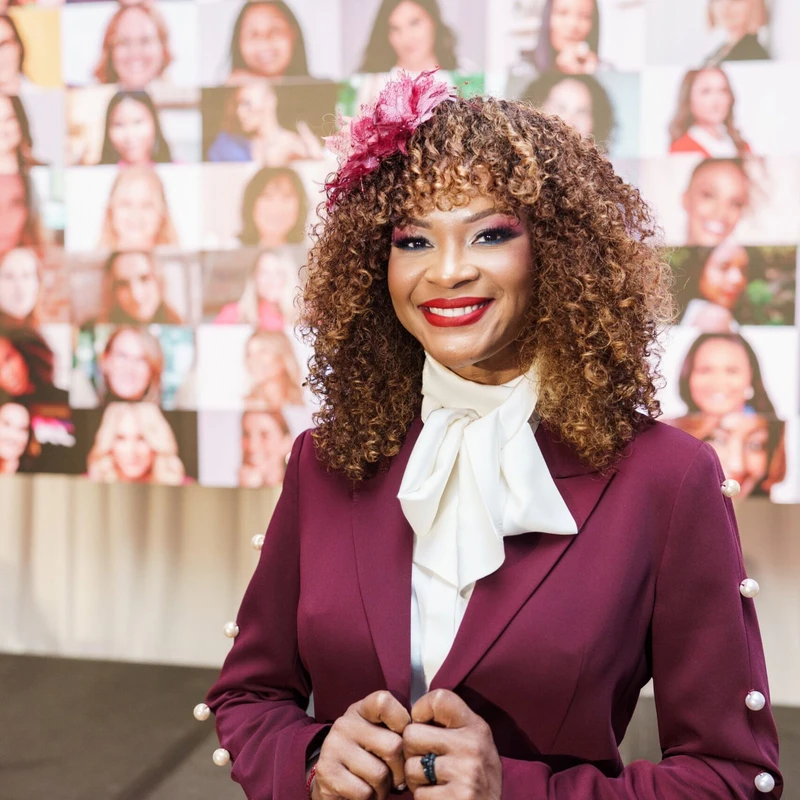
    Imagine facing stage-three cancer, homelessness after Hurricane Katrina, and being a single mother, all while navigating a system that seemed to fail you. This was the reality for Maj. Jaspen “Jas” Boothe (U.S. Army, Retired). Instead of succumbing to despair, Boothe channeled her immense challenges into a powerful mission: to ensure no woman veteran faces homelessness alone.

    A Systemic Failure and a Personal Mission

    Boothe recounts a particularly disheartening experience when seeking housing support from a federal agency. Despite being a veteran undergoing critical medical treatments, she was told, ‘Yes, we help veterans, but you’re a woman… Well, you mentioned you had an illegitimate child, right? You need to go get on welfare and food stamps like other women in your situation.’ This discriminatory response, coupled with losing everything in Hurricane Katrina, fueled her determination to create change.

    After couch-surfing and staying with family, Boothe began her recovery. She realized that the solution to the crisis she faced lay within her own resolve and leadership skills honed in the military. This realization led her to found Final Salute Inc. in 2010, a nonprofit dedicated exclusively to housing homeless women veterans and their children.

    Impact and Reach: Final Salute Inc.

    In just 15 years, Final Salute Inc. has become a vital lifeline, providing over 17,000 transitional housing days and serving more than 8,000 women veterans across 30 states and territories. The organization’s impact is profound, offering a safe haven for women like Lisa, a Navy veteran and single mother who received assistance with rent and vehicle issues, ensuring she and her daughters could keep their home.

    Boothe highlights a critical issue: minority veterans are overrepresented among the homeless, and over 70% of homeless women veterans have at least one child. Many suffer in silence, enduring dangerous situations to stay with their children, fearing they might lose them if they seek help. Final Salute Inc. provides a crucial, safe avenue for support.

    From Midwest Roots to Military Service

    Boothe’s journey began in Chicago and included formative years at Mississippi Valley State University (MVSU), an HBCU where she excelled on a basketball scholarship. She emphasizes the unique value of the HBCU experience for Black Americans. After earning her degree, she joined the Army National Guard, driven by a desire to break stereotypes about single mothers’ potential for success.

    Her decision to enter the military, a male-dominated field, initially met resistance from her ‘old school’ father, who harbored skepticism about Black people’s place in the military due to his experiences with segregation. However, as he witnessed her progression and accomplishments, he became her biggest supporter. Boothe served 17 years as an officer, overcoming cancer, knee replacements, and a spine fusion, believing her journey, though cut short of retirement, was divinely timed for her mission.

    The Power of an HBCU Foundation

    Boothe credits her HBCU education with providing the foundational sense of community essential for launching Final Salute Inc. Witnessing a segment on Oprah Winfrey’s show about a homeless woman veteran reignited her own experiences and the systemic issues she faced. This spurred her to action, leading her to write a compelling letter to the IRS requesting expedited approval for her 501(c)(3) status, emphasizing the urgency for women veterans.

    Remarkably, her nonprofit status was approved within 30 days, a testament to her unwavering drive. Final Salute Inc. operates entirely on private sector support, a significant achievement. The organization’s programs, including H.O.M.E. (transitional housing), S.A.F.E. (financial hardship prevention), and Next Uniform (professional attire for civilian workforce), provide comprehensive support at no cost to veterans.

    Trailblazing and Inspiring Others

    Maj. Boothe’s leadership extends beyond her organization. She is a beneficiary of the annual Ms. Veteran America competition and was recently honored as one of ‘100 Women to KNOW in America.’ She proudly states, ‘We are not damsels in distress. We are the trailblazers; we are the mountain movers.’ Her recognition underscores the success and impact women veterans can achieve.

    What inspires you most about Maj. Jas Boothe’s story and the work of Final Salute Inc.? Share your thoughts in the comments below!
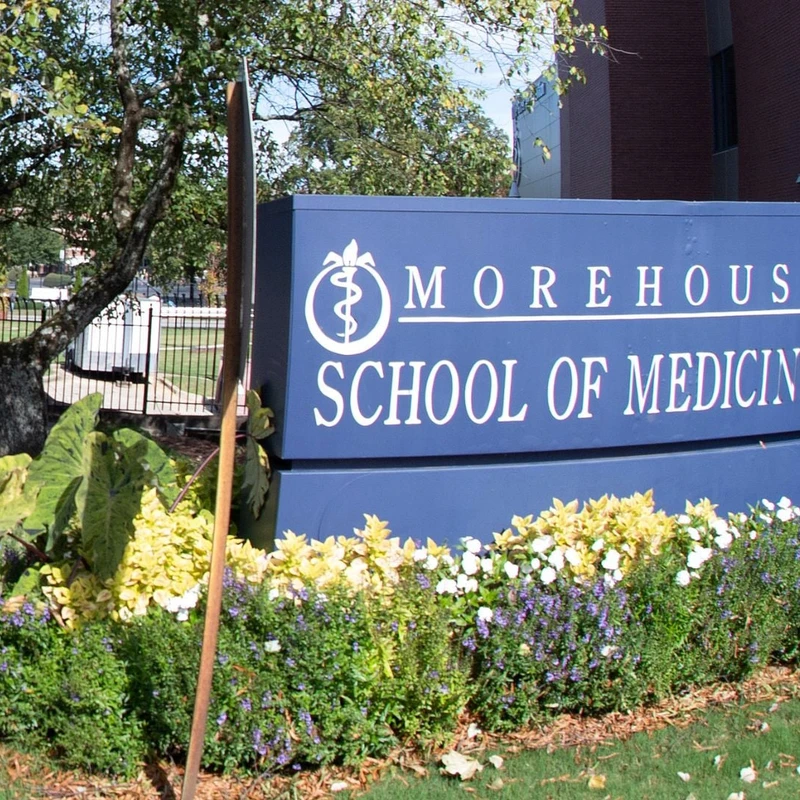
  • Morehouse Med Students Protest GOP Speaker

    As graduation season kicks off, a wave of protests is sweeping through Historically Black Colleges and Universities (HBCUs) over the selection of commencement speakers. The latest to join this movement is Morehouse School of Medicine (MSM), where students are actively protesting the choice of alumnus Rep. Rich McCormick (R-GA) as their graduation speaker.

    Students Voice Concerns Over Speaker Selection

    The decision to have Rep. McCormick, a graduate of MSM, address the Class of 2026 has sparked significant backlash. Students have launched a petition, arguing that his voting record and stated views clash with the school’s core mission of improving well-being and increasing diversity in medicine, a field where Black professionals are notably underrepresented.

    “As future physicians, we realize that we’re going to interact with diverse patients who have different perspectives, but we feel that someone who’s championing us on our graduation day and giving us a charge to move forward with the future should also uphold our values and the morals that we uphold,” explained Kiara Huff, an MSM student, to The Atlanta Journal-Constitution. On Wednesday, May 6, students were seen on campus holding signs, including one that read “DEI Saves Lives,” urging the school to reconsider its invitation.

    McCormick Responds to Protest

    Despite the student outcry, Rep. McCormick remains slated to speak and has stated he respects the differing opinions. He stands by his “record of public service and support for policies that improve Americans’ well-being.” McCormick, who is the first graduate of MSM to be elected to Congress, expressed his disappointment with the protest, calling it “hurtful” given his past involvement with the school, including serving as student body president.

    Students, however, feel their concerns are being ignored. Their petition highlights McCormick’s endorsement of Donald Trump and his support for legislation that opposes gender-affirming care and restricts immigration. A key point of contention is his backing of a bill that could cap student loans, potentially making medical school less accessible for low-income students who rely on them.

    Echoes of Wider HBCU Protests

    The situation at Morehouse School of Medicine mirrors similar controversies at other HBCUs. At South Carolina State University, student backlash led to the cancellation of Lt. Governor Pamela Evette’s commencement speech, with new speakers later announced. These protests underscore a growing sentiment among HBCU students to ensure their commencement speakers align with their values and the institutions’ missions.

    The petition against McCormick has garnered over 1,100 signatures, with alumni also expressing dismay. One alum lamented, “His values, platform and leadership as a congressman stand in direct opposition to the mission of MSM.” The sentiment reflects a desire for commencement speakers who inspire and embody the principles the graduates are expected to uphold.

    What do you think about the student protests at Morehouse School of Medicine? Should commencement speakers align with student values? Share your thoughts in the comments below!
  • HBCU GO Unveils 13-Week Football Schedule

    Get ready for a season packed with passion, tradition, and thrilling competition! Allen Media Group’s free-streaming digital sports platform, HBCU GO, has just dropped its 13-week 2026 football schedule. This curated lineup promises to deliver the intensity and spirit that make Black college football a unique cultural experience.

    A Full Season of Must-Watch Matchups

    Now in its fifth season, HBCU GO is cementing its status as the premier broadcaster for HBCU football. The 2026 schedule is set to kick off on August 29 with a compelling matchup between North Carolina Central and Texas Southern. The season is packed with marquee events, including the Hope Labor Day Classic, the Southern Heritage Classic, and the Truth and Service Classic.

    Audiences can also look forward to a strong run of homecoming showdowns featuring powerhouse programs like Florida A&M, Alabama State, and Prairie View A&M. The schedule culminates with crucial late-season conference battles, ensuring every week delivers unforgettable action.

    Bringing HBCU Football to Millions, For Free

    Byron Allen, Founder/Chairman/CEO of Allen Media Group, emphasized the platform’s mission: ‘HBCU GO is on a mission to give Black college sports the global stage it deserves.’ With expanded distribution across various platforms, the platform is making it easier than ever for millions of viewers nationwide to watch every game for free.

    Curtis Symonds, President of HBCU GO, highlighted the schedule’s strength, noting the significance of events like the Southern Heritage Classic and the ‘Real HU’ rivalry between Howard and Hampton at the Truth & Service Classic. He added, ‘HBCU football is more than a game, it’s a shared experience rooted in tradition, pride, and community.’

    How to Watch the Games

    Fans have more ways than ever to catch the action. Games will be available via broadcast syndication in major U.S. TV markets, streaming on the HBCU GO FAST channel on platforms like Amazon Prime Video and The Roku Channel, and live on HBCUGO.TV. You can also download the HBCU GO mobile app for on-the-go viewing.

    • Broadcast syndication in major U.S. TV markets (check local listings)
    • Streaming via the HBCU GO FAST channel on Amazon Prime Video, The Roku Channel, Local Now, and more
    • Live at HBCUGO.TV – anywhere, anytime, for free

    Beyond the games, HBCU GO will provide highlights, band performances, and exclusive behind-the-scenes content, ensuring fans stay connected to the culture, events, tradition, and pride of HBCU football all season long.

    Which matchup are you most excited for this season? Let us know in the comments below and be sure to download the HBCU GO app to stay up-to-date!

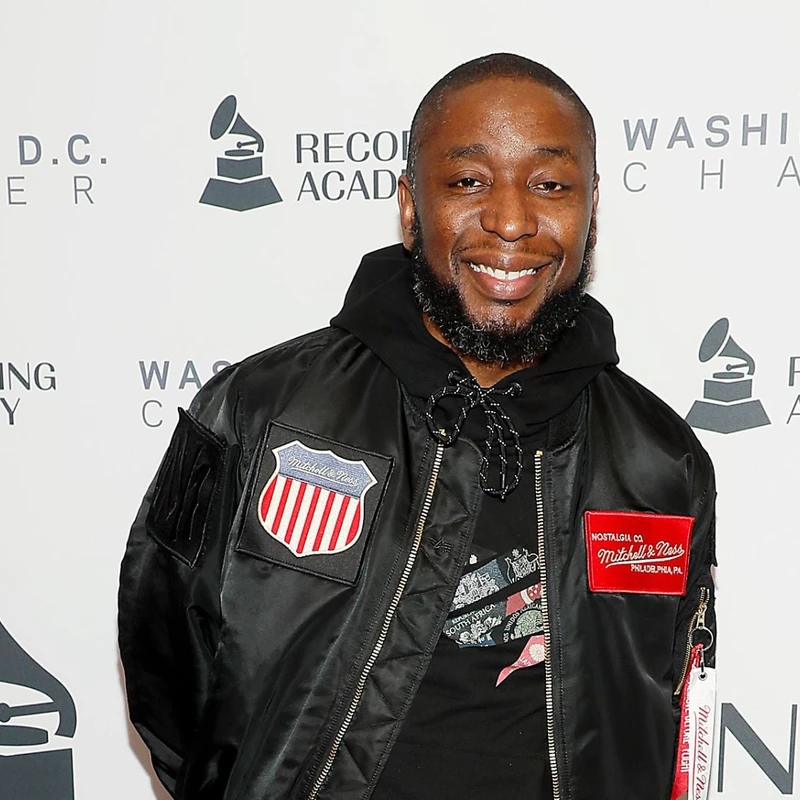
  • 9th Wonder Graduates from NC Central After Decades

    Talk about a full-circle moment! Hip-hop icon 9th Wonder is about to achieve a dream he’s held for decades: graduating from North Carolina Central University (NCCU). This milestone comes over 30 years after he first stepped onto campus, putting his education on hold to chase a career in music. It’s a powerful reminder that it’s truly never too late to finish what you started.

    A Lifelong Goal Fulfilled

    The Grammy-winning producer, whose real name is Patrick Denard Douthit, shared the heartwarming news on Instagram. He described earning his college degree as a lifelong ambition that remained a top priority, even amidst his immense success in the music world and his subsequent career in academia. This upcoming commencement marks the culmination of a long and inspiring journey.

    In his heartfelt message, 9th Wonder reflected on his time at NCCU, mentioning specific spots like Chidley Hall. He noted that after 26 years of leaving school to pursue his musical dreams, he’s finally ready to walk across the stage. It’s a moment that holds deep personal significance, connecting his past aspirations with his present achievements.

    From Producer to Professor, Now Graduate

    9th Wonder’s impact on hip-hop is undeniable. As part of the influential group Little Brother and through his solo work, he shaped the sound of early 2000s rap. But his influence extends beyond music production; he’s also become a respected educator, teaching courses on hip-hop and culture at prestigious institutions like Duke, Wake Forest, and Harvard. He’s masterfully bridged the gap between the music industry and academia.

    For graduates of Historically Black Colleges and Universities (HBCUs), returning to finish a degree often carries profound personal and cultural weight. 9th Wonder’s journey embodies this, completing a path that began decades ago. He’ll be walking across the stage not just as a graduate, but also as an educator who has inspired countless students at various universities.

    Adding another layer of sweetness to this achievement, his daughter, Jada Douthit, is currently a student at Winston-Salem State University and was recently initiated into Delta Sigma Theta Sorority, Inc. This commencement season will see 9th Wonder join his own students as a fellow graduate, a truly remarkable accomplishment. As he put it, ‘God is Good.’

    What do you think about 9th Wonder’s inspiring journey back to graduation? Share your thoughts in the comments below!
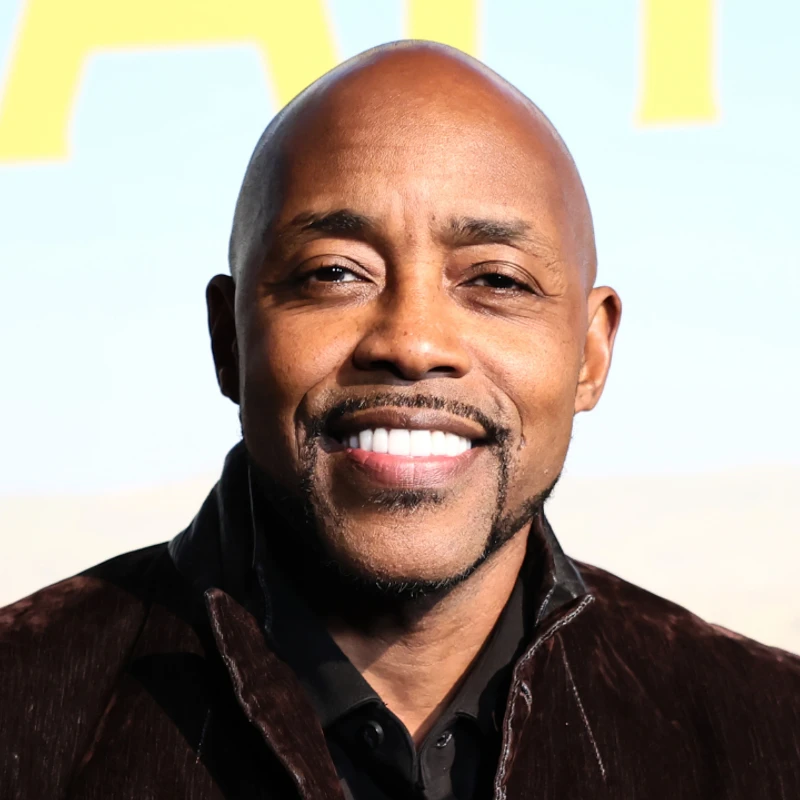
  • Will Packer: Why HBCU Alumni Success ‘Hits Different’

    What makes the success of alumni from Historically Black Colleges and Universities (HBCUs) feel so special? Producer Will Packer, a Florida A&M (FAMU) graduate, recently broke down this unique phenomenon, explaining why it truly ‘hits different’ when the community celebrates its own.

    The ‘HBCU Effect’ Explained

    Packer, whose films have grossed over a billion dollars, readily admits that his achievements feel amplified because of his HBCU roots. Speaking on ‘The Pivot’ podcast, he described the distinct sense of camaraderie and ownership found on Black college campuses. Unlike larger universities, HBCUs often foster a tighter-knit community where successful alumni are celebrated in a profoundly special way.

    “The ownership is different on a Black college campus,” Packer explained to hosts Ryan Clark and others. “Those of us that have been high-profile coming out of an HBCU are celebrated in a different way because it’s just special. It hits different.” He emphasized that this shared consciousness and interconnectedness create a powerful network that supports alumni throughout their careers.

    FAMU Pride and Overcoming Challenges

    Packer’s connection to FAMU runs deep. He highlighted how HBCUs, often smaller than their predominantly white counterparts, require their students to ‘get it out the mud.’ He recalled how FAMU always had to hold its own, even when compared to larger neighboring schools like Florida State University, noting that people came to Tallahassee specifically to see what FAMU was doing.

    This sense of shared struggle and collective achievement is a hallmark of the HBCU experience. It instills a strong sense of loyalty and pride that extends far beyond graduation. Whether it’s championing a film like Packer’s ‘You, Me & Tuscany’ or advocating for causes, HBCU alumni consistently rally around their institutions and each other.

    The ‘HBCU Effect’ on a Global Stage

    The UNCF refers to this phenomenon as the ‘HBCU Effect,’ recognizing how peer networks significantly shape alumni as they enter the workforce. Studies even link HBCU attendance to improved brain health decades later, underscoring the profound and lasting impact these institutions have. Packer’s words lend powerful weight to the undeniable merit and influence of HBCUs on a global scale.

    As graduation season continues, the gratitude and pride expressed by HBCU alumni like Will Packer serve as a testament to the enduring legacy and vital importance of these historic institutions.

    What does your HBCU mean to you? Share your experiences and pride in the comments below!

  • 15 HBCUs Launch Research Coalition to Boost Funding

    A significant development is underway in the world of higher education as 15 historically Black colleges and universities (HBCUs) have united to form the Association of HBCU Research Institutions (AHRI). This groundbreaking coalition aims to amplify research capabilities, increase access to federal funding, and propel more HBCUs toward the prestigious R1 research classification.

    Strengthening HBCU-Led Research

    AHRI’s core mission is to bolster HBCU-led research across critical areas impacting communities nationwide, including health, science, education, justice reform, agriculture, technology, and economic development. This initiative is a crucial step for HBCUs, which have historically produced vital research despite receiving a disproportionately smaller share of national research investments.

    The coalition is designed to equip member institutions with the tools to enhance their research infrastructure, attract top faculty talent, expand research opportunities for students, and successfully compete for larger grants. Achieving higher research classifications can significantly influence how universities are perceived, funded, and supported, often leading to greater access to federal grants, corporate partnerships, and national academic influence.

    Addressing Funding Disparities

    The launch of AHRI comes at a time when discussions about equity in higher education and research funding are more critical than ever. A 2025 report highlighted a stark reality: HBCUs received only 0.91 percent of federal research and development expenditures in fiscal year 2023, despite representing 3.2 percent of all four-year degree-granting institutions. AHRI aims to directly address this disparity.

    For HBCUs, increasing research capacity is also a matter of representation. More Black scholars, students, and communities will have the opportunity to shape the research questions, solutions, and policies that influence the nation.

    Founding Members and Leadership

    The founding members of AHRI represent a significant portion of HBCU research activity. They include Morgan State University, Clark Atlanta University, Delaware State University, Florida A&M University, Hampton University, Jackson State University, North Carolina A&T State University, Prairie View A&M University, South Carolina State University, Southern University, Tennessee State University, Texas Southern University, Virginia State University, the University of Maryland Eastern Shore, and Howard University. Notably, Howard University is the only HBCU currently holding the top R1 research designation, while many others possess R2 status (high research activity).

    The coalition’s leadership includes Morgan State President David K. Wilson as the inaugural board chair, Prairie View A&M President Tomikia P. LeGrande as vice chair, and Howard University Interim President Wayne A. I. Frederick as interim president. This leadership team brings substantial experience and influence to the organization. AHRI will also partner with the Association of American Universities (AAU), with its offices co-located with AAU to foster closer collaboration.

    Support for Research Infrastructure

    A crucial boost for AHRI comes in the form of a three-year, $1.05 million grant from the Harvard & the Legacy of Slavery Initiative. This funding, along with technical support from Harvard’s Office of the Vice Provost for Research, will help member schools strengthen their research administration, compliance systems, grant processes, and overall infrastructure. This support is vital for addressing long-standing resource gaps and enabling HBCUs to compete effectively.

    Why R1 Status Matters

    The R1 classification signifies “very high research activity” and a robust doctoral research enterprise. For HBCUs, achieving this status means more than just prestige; it unlocks access to larger grants, fosters stronger partnerships, expands graduate programs, and creates new opportunities for students. Furthermore, increased research capacity can lead to significant economic benefits, including patents, startups, policy changes, and advancements in technology and workforce development.

    HBCUs often focus on critical issues like health disparities, environmental justice, and education gaps that may be overlooked elsewhere. More funding for their research means more support for solutions grounded in the lived experiences of affected communities.

    A New Era for HBCU Innovation

    The formation of AHRI challenges outdated perceptions of HBCUs, highlighting their significant contributions to science, engineering, medicine, and policy. This coalition provides a unified platform for HBCUs to showcase their research prowess, secure necessary resources, and build lasting research strength. It sends a clear message to government agencies, corporations, and philanthropies that investing in HBCU research is an investment in national innovation and problem-solving.

    The impact for students could be transformative, offering more lab opportunities, paid research positions, graduate school preparation, and clearer career pathways in high-demand fields where Black talent is often underrepresented. The inaugural AHRI research symposium, “Expanding the Research Mission of HBCUs,” marks the beginning of this ambitious journey, with future efforts focused on measurable outcomes like increased grant applications and expanded student opportunities.

    What are your hopes for the future of HBCU research now that this coalition has launched? Share your thoughts in the comments below!