Tag: Black Women

  • Love Island’s Olandria Sparks Debate on Race & Love

    Love Island’s Olandria has ignited a fiery debate online after sharing her personal feelings about her relationship. As a dark-skinned Black woman, she described her experience of being openly loved by a white man as deeply affirming and even world-healing, but her words have struck a chord with many, dividing fans and sparking intense discussion.

    Olandria’s Statement: A Personal Truth?

    In a recent interview, Olandria explained that seeing her partner publicly adore her is a powerful experience. She feels it challenges societal stereotypes surrounding desirability and beauty standards, particularly for dark-skinned Black women who have historically faced colorism and discrimination. For her, this public display of affection feels like a profound personal validation.

    “Seeing me be loved out loud by a white man as a dark-skinned Black woman resonates with my community; it heals the world,” she stated, articulating a sentiment that clearly carries significant weight for her.

    Social Media Backlash and Defense

    However, Olandria’s comments were met with swift criticism online. Many accused her of exhibiting “pick me” behavior and suggested her words stemmed from low self-esteem. Critics argued that validation shouldn’t come from external sources, especially not from a place that could be perceived as prioritizing non-Black validation over love within the Black community.

    Comments like, “Girl, we don’t need a white man’s love to validate us,” and “This ain’t healing the world, sis — this is giving desperate,” flooded social media. Some felt her statement inadvertently reinforced harmful hierarchies.

    On the other hand, many fans have rallied to Olandria’s defense. They argue that she is simply sharing her personal truth and that her feelings are valid. Supporters emphasize that dark-skinned women are often made to feel undesirable, and for Olandria, this relationship might represent a significant personal breakthrough. “She’s speaking her truth,” one supporter commented. “If she feels publicly loved in a way she never has before, that’s valid. Let her live.”

    The Deeper Conversation: Race, Beauty, and Validation

    Olandria’s experience highlights a complex and ongoing conversation about race, beauty standards, and self-worth. The historical context of colorism within the Black community adds layers of meaning to public displays of affection, especially when they involve interracial relationships. While some see her statement as empowering, others worry it perpetuates a system where validation from outside the community is seen as superior.

    Navigating the pressures of sudden fame can be challenging, and Olandria is learning firsthand how personal feelings can ignite widespread public discourse. As she continues her journey, her words will undoubtedly be scrutinized, prompting further reflection on how we discuss love, race, and validation in the public eye.

    What are your thoughts on Olandria’s statement? Do you believe her experience is empowering or indicative of deeper societal issues? Share your perspective in the comments below!

  • Naturopathy for Bone Health in Black Women

    Navigating breast cancer survivorship brings many health concerns to the forefront, but bone health might not always be top of mind. While Black women often have higher bone mineral density than white women, they can face greater challenges with bone health outcomes, including higher fracture rates and less frequent screenings. It’s time to focus on strengthening and protecting your bones through naturopathic approaches.

    Why Naturopathy for Bone Strength?

    Naturopathic medicine offers a holistic approach to wellness, emphasizing nutrition, lifestyle adjustments, and natural interventions. While medical treatments are vital, naturopathy can provide gentle yet effective support for bone strength and density. These methods aim to bolster your body’s natural ability to maintain healthy bones.

    Key Naturopathic Strategies for Bone Health

    Supporting your bone health involves a multi-faceted approach. By focusing on nutrition, movement, and conscious lifestyle choices, you can make significant strides in strengthening your bones and reducing the risk of fractures.

    1. Nutrition & Supplements

    Building strong bones requires essential nutrients. Calcium and Vitamin D are fundamental, found in dairy or plant-based sources like leafy greens, beans, fortified juices, and fish. Other vital nutrients include magnesium, Vitamin K, boron, zinc, and Vitamin C, which support bone formation and mineral absorption. Excellent food sources include nuts, seeds, leafy greens, and colorful fruits.

    Depending on individual dietary needs, supplements may be necessary to ensure adequate intake of these bone-supporting nutrients. It’s always recommended to consult with your doctor to determine the best supplements and dosages for your specific health profile.

    2. Movement for Stronger Bones

    Weight-bearing exercises are crucial for strengthening bones and improving balance. Activities like walking, dancing, strength training, and stair climbing can make a significant difference. Aim for at least ten minutes of movement daily; consistency is key to preventing falls and fractures.

    3. Lifestyle Choices Matter

    Avoid smoking and limit alcohol consumption, as both can accelerate bone loss and interfere with calcium absorption. Black women are often under-screened for osteoporosis, making regular DEXA scans (bone density tests) particularly important, especially for breast cancer survivors who have undergone chemotherapy or are using aromatase inhibitors.

    Prioritizing your bone health is an investment in your overall well-being. By incorporating these naturopathic approaches, you take a significant step towards stronger, healthier bones.

    What steps are you taking to prioritize your bone health? Share your tips and experiences in the comments below!

  • Black Women with Disabilities Embrace Self-Employment

    In today’s challenging labor market, where Black women are experiencing disproportionately high rates of job loss and unemployment, a growing number are finding resilience and opportunity through self-employment. New research published in the Journal of Multicultural Counseling and Development highlights a significant trend: Black women with disabilities are increasingly turning to entrepreneurship as a means of achieving financial independence and thriving.

    Breaking Barriers Through Entrepreneurship

    The study, titled “Breaking Barriers: The Economic Realities of Self-Employed Black Women With Disabilities,” reveals that a substantial 43.9% of Black women with disabilities are currently self-employed. This finding underscores their determination to create their own paths in the workforce.

    Dr. Gemarco Peterson, the study’s lead author and an assistant professor at Georgia State University, told Phys.org, “Black women with disabilities can create their own paths to financial independence, and they can thrive and survive in the labor market with the right tools.” This highlights the proactive approach many are taking to overcome systemic barriers.

    Key Findings on Self-Employment

    The research, which analyzed data from the U.S. Census Bureau’s Household Pulse Survey involving 91 Black women with physical or mental health disabilities, provides a detailed snapshot. Among the self-employed group, a majority (66.9%) reported multiple mental health conditions, while others faced visual impairments (27.3%), mobility challenges (11.8%), or auditory impairments (11.3%).

    Interestingly, the findings also indicated that Black women with physical disabilities were more likely to hold graduate degrees (31% compared to 15.5% of those without disabilities) and to earn $50,000 or more annually (55.4% versus 33.7%). This suggests that self-employment may offer greater earning potential and opportunities for career advancement for this demographic.

    The Role of Counselors and Support Systems

    Dr. Peterson hopes these findings will encourage career counselors to better support Black women with disabilities who wish to pursue self-employment. “Vocation is a key social determinant of health,” Peterson stated, emphasizing the need for counselors to understand how career choices impact overall well-being. He urged counselor education programs to train professionals to recognize and address societal stereotypes that negatively affect the mental health of Black women.

    The study stresses that viewing vocation and employment in isolation misses the broader picture of an individual’s health and well-being. By providing tailored guidance and recognizing the unique aspirations and skill sets of clients, counselors can play a vital role in empowering Black women with disabilities to succeed in their entrepreneurial endeavors.

    What are your thoughts on the rise of self-employment among Black women with disabilities? Share your insights in the comments below!

  • Black Beauties Shine at Barbados Kadooment Day

    Barbados knows how to celebrate, and Kadooment Day, the grand finale of the Crop Over festival, was a dazzling display of culture, joy, and stunning fashion. This year, a vibrant group of Black women, including influencers, entrepreneurs, and soca artists, joined the Vida Vixens band, showcasing breathtaking costumes adorned with feathers, gems, and lace.

    What is Kadooment Day?

    Kadooment Day, or Grand Kadooment Day, is a public holiday in Barbados held on the first Monday of August. It marks the culmination of the Crop Over festival, which celebrates the end of the sugar cane harvest. Originating in the 1600s as a landowner’s gift, the tradition has evolved over centuries into a vibrant public jubilee, deeply rooted in the beauty and resilience of Barbadian culture.

    Locals and tourists alike participate with immense pride, filling the streets with dancing, singing, and shouting to the infectious rhythms of steel drum bands. The energy is palpable, making it a must-experience event for anyone seeking to soak up the island’s unique spirit.

    Vida Vixens Showcase Stunning Looks

    Photographer Jr. Sealy, who captured the festivities, praised the Vida Vixens band for their inclusivity and the incredible beauty he was able to document. “Vida is one of the most inclusive bands and it shows in the variety of beauty I get to capture,” he noted.

    Let’s take a look at some of the standout styles from the women who joined the Vida Vixens:

    • **Estare** stunned in a vibrant yellow costume by Jin Ford, featuring swathes of yellow feathers, creamy yellow eyeliner with a golden undertone, and chrome claws climbing out of her regal headpiece.
    • **Tara Blu** captivated in an iridescent green ensemble, adorned with a mosaic of rainbow tiles, emerald green cords, bold red feathers, and finished with white platform shoes.
    • **Christina Marie** offered a unique take on festival fashion with a pastel palette of baby pink, buttercup yellow, and lavender, paired perfectly with nude knee-high boots.
    • **Tionne Hernandez** made a statement with her natural curls, ditching vacation braids, and accessorizing with glittery bracelets and a powerful bronze choker.
    • **Megghan Michael** channeled Cleopatra with a sexy bob and a sparkling monokini that matched her dazzling headpiece.
    • **Alison Hinds**, a proud ambassador for Barbados, sported a fiery red and green costume that perfectly complemented her vibrant red hair.
    • **Ashlee Constance** and her two friends showcased matching blue, teal, and silver costumes, accessorized with robin’s egg blue tumblers, offering major inspiration for group trips.

    Which Kadooment Day look was your favorite? Share your thoughts in the comments below!

  • Rep. Collier’s Protest Echoes History of Black Women’s Resistance

    In 1835, Harriet Jacobs endured seven years of confinement in a cramped crawl space to escape enslavement and oppression. More than a century later, Texas Rep. Nicole Collier chose a different form of confinement—sleeping on the House floor—to protest a system she felt was designed to humiliate her. Both acts, separated by time and circumstance, stem from the same powerful logic: Black women resisting being boxed in.

    A Legacy of Defiance

    Collier’s protest involved refusing to sign a “permission slip” that would have subjected her to constant police escort during a redistricting standoff. By choosing to remain on the House floor, she framed her action as “civil disobedience,” echoing Congressman John Lewis’s call to “make good trouble.” Her protest wasn’t just about a legislative rule; it was a deliberate act of resistance rooted in a deep historical understanding.

    When Collier drew parallels between her protest and the historical resistance of enslaved people fleeing oppression and Jewish people escaping the Holocaust, she ignited significant backlash. Critics, particularly from conservative and some Jewish outlets, accused her of trivializing atrocities and being “historically inappropriate.” Headlines like “Texas Democrat Sparks Outrage After Comparing Herself to Runaway Slaves and Holocaust Victims” quickly emerged.

    Beyond Equivalence: Claiming Lineage

    However, the criticism often flattened Collier’s words into a caricature. She wasn’t claiming personal equivalence to enslaved people or Holocaust victims; rather, she was asserting a historical continuity of resistance. Her point was that oppressed people, across different contexts, inevitably resist systems designed to break them. This historical literacy, rather than “historical cosplay,” highlights the enduring patterns of survival against imposed power.

    The backlash, critics argue, often serves to police the language of Black resistance. By twisting Collier’s words and manufacturing outrage, these outlets distract from the uncomfortable truth she was highlighting: America’s ongoing demand for resistance from the oppressed. This manipulation aims to silence dissent and reinforce systems of denial, rather than grapple with the historical context she invoked.

    The Uncomfortable Truths of Comparison

    The comparison also touches a raw nerve for some Jewish individuals, potentially stirring up a “competition over historical suffering.” When Black activists place slavery and Jim Crow in the same continuum as the Holocaust, it can feel like a trespass to those who view the Holocaust as a singular, untouchable atrocity. However, this defensiveness can mask complicity in perpetuating white supremacy, as some Jewish communities have assimilated into whiteness by accessing structures from which Black people were historically excluded.

    Collier’s analogy threatens this assimilation bargain by exposing the shared architecture of oppression—the white supremacy that underpins slavery, lynching, the Holocaust, and contemporary legislative actions. The outrage, therefore, isn’t solely about “historical inappropriateness” but about guarding whiteness and refusing to acknowledge the interconnectedness of oppressive systems.

    Honoring History Through Defiance

    Comparisons like Collier’s are effective precisely because they are uncomfortable. They remind us that authoritarian creep doesn’t always announce itself with overt symbols of hate; it can manifest in smaller humiliations, legislative maneuvers designed to silence dissent, and demands for conformity. Collier’s defiance honored history by reminding us that resistance is not polite; it is disruptive and meant to unsettle those who benefit from oppression.

    Jacobs’s seven years in a crawl space and Collier’s night on the House floor, though separated by centuries, are united by a fundamental truth: resistance is an inevitable response to systems designed to break marginalized people. In a moment when Black women are often urged to be quiet or dilute their words, preserving and amplifying their refusal to yield is crucial. Their acts of defiance, whether hiding or protesting, are part of the same enduring story of survival.

    What are your thoughts on Rep. Collier’s protest and the historical parallels she drew? Share your perspective in the comments below!

  • Caroline Wanga Departs ESSENCE After Four Years

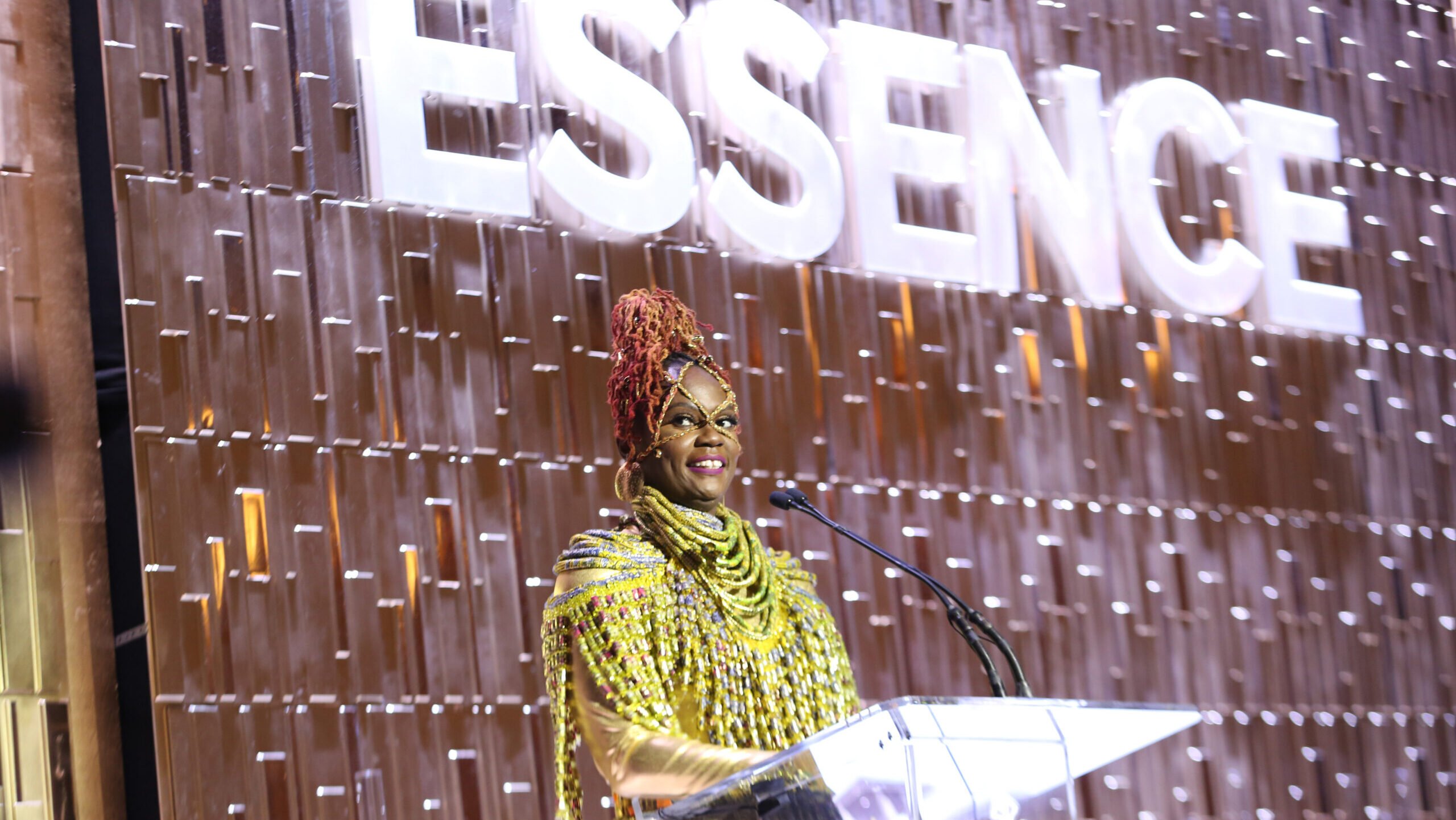
    Caroline Wanga, who has led ESSENCE Ventures as President and CEO for the past four years, has officially stepped down. The announcement came in a joint statement from Wanga and ESSENCE Ventures on Monday, August 25th, confirming she will be entering a new chapter in her career after being on health leave since September 2024.

    A Transformative Four-Year Tenure

    During her time at the helm, Wanga oversaw not only the iconic ESSENCE magazine but also brands like Afropunk, Beautycon, and ESSENCE Studios. Richelieu Dennis, Founder and Chairman of Sundial Technology & Media Group (ESSENCE Ventures’ parent company), expressed profound gratitude for Wanga’s leadership. “Her expertise in culture, equity, and organizational change has fueled progress across the ESSENCE Ventures portfolio,” Dennis stated, celebrating the “indelible mark” she left on the company and beyond.

    Wanga, a cultural architect and author with a background in diversity, equity, and inclusion, previously spent 15 years at Target, where she held the role of chief culture, diversity, and inclusion officer. She succeeded Dennis as CEO after his 2018 reacquisition of ESSENCE from Time Inc.

    Addressing Festival Backlash and Personal Reflections

    Wanga’s departure follows scrutiny surrounding the recent ESSENCE Festival of Culture in July. She had previously addressed online criticism that accused the festival of favoring influencers and exclusive events. Wanga emphasized the importance of using factual insights to drive change and defended her heritage and values, noting that some critiques touched on xenophobic themes.

    She also clarified that she was on health leave prior to the festival’s operational planning and execution. Wanga stated that her extensive career experiences have no proven role in the company’s current state, but she remains committed to answering questions with her known perspective and accountability. Her memoir, “#ImHighlyPercentSure,” was released in May.

    The opportunity to serve Black women as CEOs of home, culture, and community will forever represent pride, to do my best to serve will forever represent courage, and fulfilling my next purpose calling will forever represent conviction. — Caroline Wanga

    It remains unclear what Wanga’s next professional steps will be. Her tenure at ESSENCE marked a significant period of growth and cultural impact for the brand.

    What are your thoughts on Caroline Wanga’s departure from ESSENCE? Share your reflections in the comments below!

  • ‘Love Island’ Highlights Dating Odds for Black Women

    While reality dating shows like “Love Island: USA” are often seen as lighthearted entertainment, they can also serve as a stark mirror reflecting societal beauty standards and the often-unseen dating challenges faced by Black women. This season, viewers have been watching a social experiment unfold, highlighting who gets chosen, who gets overlooked, and how beauty politics, particularly under the male gaze, influence connections.

    The ‘Love Island’ Experiment: A Look at Desirability

    From the initial casting to the recoupling ceremonies, “Love Island” provides a real-time look at dating dynamics. Viewers witness islanders being chosen for chats, the arrival of new bombshells shaking up existing couples, and the constant risk of elimination. While producers meticulously screen contestants for compatibility, the casting choices often amplify existing societal imbalances.

    For Black women hoping to see #BlackLove flourish on screen, the experience can be disheartening. Statistics from Pew Research Center show Black women are significantly more likely to be unpartnered than Black men, and OkCupid data indicates they receive the lowest response rates on dating apps. This imbalance is visibly mirrored on “Love Island,” where Black women are frequently picked last or eliminated early, a pattern consistently called out by fans and media.

    Navigating Beauty Politics and Authenticity

    The pressure to conform to certain beauty standards is evident even before contestants enter the villa. Season 6 winner Serena Page reportedly auditioned with a wig, fearing her natural braids might hinder her casting. When she later wore her braids on set, producers allegedly commented that she “looked different,” a comment that left her in tears. This experience underscores the negotiation Black women must undertake regarding beauty politics simply to gain visibility.

    Scandal Exposes Fragile Desirability Politics

    A recent scandal involving Season 6 couple Jana Craig and Kenny Rodriguez brought a darker side of the villa to light. Allegations surfaced that Kenny cheated on Jana and made racist remarks about Black women. Jana described the revelations as “terrible, disgusting, and disappointing.” Co-stars like Serena Page and Leah Kateb quickly condemned Kenny, with Leah accusing him of being “racist, clout/money hungry and a scammer since Day 1.”

    Screenshots shared online allegedly captured Kenny admitting, “I don’t like Black women” and confessing to faking the relationship for clout. For many viewers, this scandal starkly illustrated how fragile desirability politics become when the curated illusion of the villa breaks down, sparking crucial conversations about racism and colorism.

    Hair as a Statement of Authenticity

    In contrast to the controversies, some islanders have embraced their authentic selves, including their hair choices. Season 2 winner Justine Ndiba shared the extensive process of installing and maintaining her braids while in the villa. Fans on Reddit praised her honesty, celebrating her protective styling and authenticity, highlighting a desire for genuine representation.

    What are your thoughts on how ‘Love Island’ portrays dating dynamics for Black women? Have you noticed these patterns in other reality dating shows? Share your experiences and opinions in the comments below!

  • Black Women Redefining Southern Philanthropy

    André 3000’s iconic declaration, “the South got something to say,” continues to resonate, extending beyond music to influence culture and philanthropy. Today, a quiet revolution is unfolding beneath the Mason-Dixon Line, led by Black women who are redefining generosity through collective giving circles. They are transforming philanthropy from a distant, institutional practice into a community-driven force for change.

    Bringing Philanthropy Back Home

    In contrast to the often distant and institutional nature of traditional philanthropy, Black women across the South are bringing giving back to its grassroots roots. Rooted in relationships and community, collective giving has always been a cornerstone of Black culture, reflecting a generosity measured not just by wealth but by the willingness to act. From church collections to neighborly support, this spirit of giving is now being recognized and organized on a larger scale.

    These Southern giving circles, including Geaux Girl Giving, the Society of Clotilda, and HERitage, are challenging the historical reality that minority-led nonprofits receive significantly less funding than majority-led organizations. By pooling resources, building trust, and centering community voices, they are creating new rules for philanthropy, prioritizing shared power, accountability, and love over traditional top-down models.

    More Than Grants: Building Ecosystems of Support

    The impact of these circles extends beyond financial grants. They are actively nurturing ecosystems of support that encompass mentorship, civic education, leadership development, and intergenerational community building. These initiatives are not just creating funders but fostering networks of care that strengthen communities from within.

    The author shares a personal experience of receiving crucial support from a Black women’s giving circle when launching their nonprofit, Black Women for Self. This early affirmation, trust, and uplift provided not only resources but also the confidence to expand their work, reinforcing the idea that philanthropy at its best is rooted in community. This experience highlights the power of collective giving, driven by unity, care, and shared vision.

    Spotlight on Southern Giving Collectives

    Several notable Black women-led giving collectives are making significant strides in the South:

    • **Geaux Girl Giving (New Orleans, LA):** Focuses on supporting young Black girls and Black women by funding initiatives that nurture leadership, amplify creativity, and encourage mental wellness and civic engagement. Members invest both financially and with their time and expertise, building relationships and strengthening the city’s resilience.
    • **Society of Clotilda (Mobile, AL):** Named after the last known slave ship, this circle anchors its giving in the wellness of Black women and children. They preserve African American heritage by supporting arts and culture makers who contribute to changing the wellness narrative, viewing their philanthropy as an act of justice and healing.
    • **HERitage Giving Fund (Dallas, TX):** Addresses the chronic underfunding of Black-led nonprofits by pooling member contributions for grants, advocacy, and visibility. HERitage also invests in leadership development, encourages collaboration, and amplifies marginalized voices, challenging traditional power structures in philanthropy.

    The Future of Black Philanthropy

    As Black Philanthropy Month reminds us, generosity is about the “will to act, together.” Black women in the South are demonstrating that collective giving is a powerful force for freedom and lasting change. These giving circles are planting seeds of growth, and with dozens more across the region, they are shaping the future of philanthropy. Their clear message is that they are the givers, the visionaries, and the architects of change.

    What are your thoughts on the impact of Black women-led giving circles? How can we further support these vital community initiatives? Share your insights in the comments below!

  • ‘Love Island’ Stars Chelley & Olandria Bond Over Braids

    Season 7 of Peacock’s “Love Island USA” delivered some of the most talked-about TV moments, placing its Islanders at the center of pop culture conversations. Among the breakout stars, Chelley Bissainthe and Olandria Carthen navigated the fame and the harsh online backlash often directed at Black women in reality television. The best friends recently spoke with Teen Vogue about their journey in the villa and the enduring strength of their friendship.

    Addressing Unfair ‘Mean Girl’ Labels

    Following their time in the villa and ahead of the Love Island reunion, Chelley and Olandria shared their shock and disappointment regarding the online backlash they received. They were unfairly labeled “mean girls” after holding controversial cast member Huda Mustafa accountable for her actions. “It was confusing and so weird because we knew who we were in that villa,” Chelley told Teen Vogue. “We know how much we showed up for every single person on that island… So for us to come out of the villa and see that we’re mean girls, we’re like, ‘Mean girls where?’”

    Chelley expressed frustration at the double standard, questioning why they faced criticism for speaking their truth and holding others accountable, while similar behavior from others went unaddressed. “How dare you guys say something like that to us, but not to everyone who was having that mean girl energy or mean girl moments? It goes back to the whole, you have to act a certain type of way [as a Black woman] because the moment you act ‘out of character’ you’re done,” she explained. They emphasized that their actions were about accountability, not name-calling or aggression.

    Navigating Stereotypes and Finding Support

    Olandria added that the unfair narrative was exacerbated by fellow Islanders who, after leaving the villa, further fueled the bullying accusations. “To see our fellow Islanders playing into that narrative was hard,” Chelley recalled. “It’s like, you knew us, why would you get out and let America, let social media get to your head?”

    Olandria highlighted the pressure Black women face to constantly manage their emotions in the public eye. “They use a moment of weakness and make that one specific time our whole character. I knew that when it came to my emotions, I had to dial that back… The moment that I did break and I kind of blew, people were like, ‘I knew it. That’s the real her.’ I wanted to be unapologetically me, but it’s like this world doesn’t allow Black women to do that.”

    A Friendship Meant to Be

    Luckily, they had each other for support. Both Chelley and Olandria had been approached for the show in previous seasons but felt that being cast together in Season 7 was fate. “We’re soul sisters for a reason,” Olandria told Teen Vogue. “We’ll always say to one another, ‘God knew we needed each other.’ I’m so happy the past seasons did not work out for us because season 7 was the year to be here at the same time.”

    Their bond was immediate, with many favorite moments revolving around their hair. Both opted for braids to manage the Fiji heat and the show’s challenges. “I think one of the biggest things for us is when we both walked out, got into the villa, and looked at each other and we’re like, ‘Oh, we both got braids,’” Chelley recalled. Olandria added, “On our off days, Chelley and I would be on the floor crocheting my hair, looping my braids through [to freshen them up]. We didn’t have anyone there to braid our hair.”

    This shared experience over hair, something deeply understood within the Black community, was a key factor in solidifying their friendship. “That was just a moment of like, ‘Yo, you’re my girl. You know you’re stuck with me, right? You’re not going anywhere,’” Chelley said, with Olandria adding, “My girl—we are in it for the long haul.”

    What are your thoughts on the pressures faced by Black women in reality TV? How important is sisterhood and mutual support? Share your opinions in the comments below!

  • Alex Hill: More Than Just ‘Just Add Hot Sauce’

    In the often overwhelming world of social media, finding someone who feels genuinely authentic can be a breath of fresh air. For many, including myself and nearly 100,000 Instagram followers, that person is Alex Hill, the creative force behind the popular food brand ‘Just Add Hot Sauce.’ Alex isn’t just an influencer; she’s a true person of influence, making her online community and real-life friends feel seen and cherished.

    From Childhood Kitchens to Culinary Influence

    Alex’s journey into the food world is deeply rooted in her upbringing. Her earliest memories are of cooking alongside her mother, effortlessly creating delicious meals. Her father also played a role, introducing her to the joys of farmer’s markets in their hometown of Washington, D.C. These experiences instilled in her a love for fresh ingredients and a commitment to supporting local farmers, which she sees as a vital form of self-care, especially given the community’s struggles with food-related health issues.

    Her passion for food was ignited early, particularly during a trip to a culinary school at age 10, a moment she remembers vividly. Despite a career pivot into marketing, Alex’s love for food eventually led her back. She started her food blog in 2017, initially as a personal outlet, and by 2020, her online presence began to flourish, leading her to take a leap of faith in 2021 to pursue her culinary dreams full-time.

    The Power of Connection and Storytelling

    Alex credits her marketing background for helping her understand the importance of connection with her audience. “People want to feel a connection and ultimately they are rooting for you,” she explains. Beyond just sharing recipes, Alex aims to let her audience connect with her as a person – a friend, someone navigating dating, and a whole woman beyond the kitchen. This authenticity is key to her appeal.

    Her newsletter, ‘Food & Feelings,’ is a testament to this approach. Initially a personal journal, it has evolved into a safe space where vulnerability fosters community. Alex believes that in a world often dominated by curated highlight reels on social media, sharing the full spectrum of life’s experiences—the good and the challenging—helps people feel seen and less alone.

    Food as Love and Refuge

    In these complex times, Alex sees food as a powerful tool for providing ease and comfort. “Cooking for someone or yourself is the purest way to say ‘I love you,’” she states. The act of preparing a meal, she believes, is an expression of love through time, effort, energy, and care, offering refuge, comfort, and safety.

    How does food bring comfort or connection to your life? Share your thoughts and experiences in the comments below!