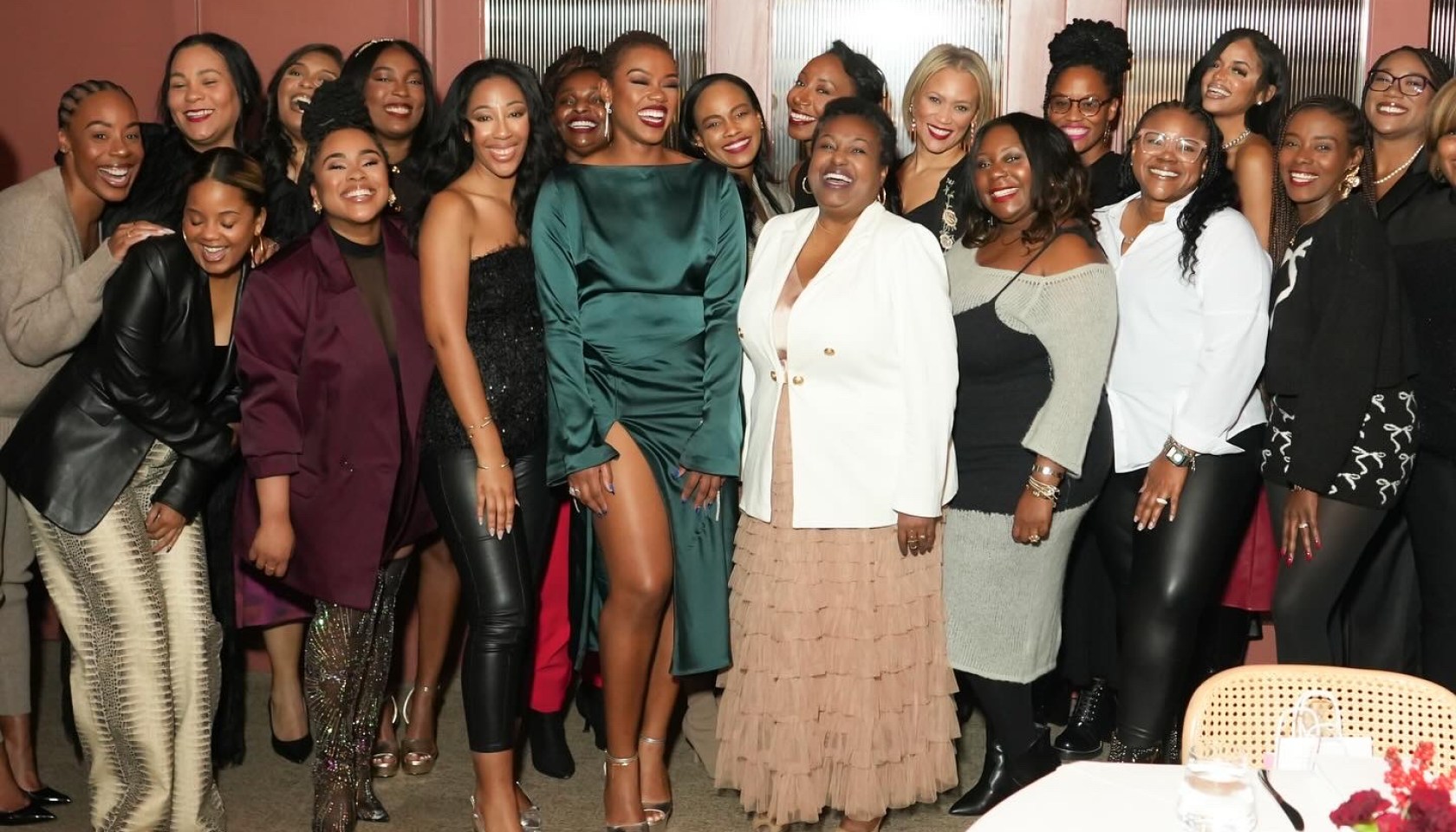
André 3000’s iconic declaration, “the South got something to say,” continues to resonate, extending beyond music to influence culture and philanthropy. Today, a quiet revolution is unfolding beneath the Mason-Dixon Line, led by Black women who are redefining generosity through collective giving circles. They are transforming philanthropy from a distant, institutional practice into a community-driven force for change.
Bringing Philanthropy Back Home
In contrast to the often distant and institutional nature of traditional philanthropy, Black women across the South are bringing giving back to its grassroots roots. Rooted in relationships and community, collective giving has always been a cornerstone of Black culture, reflecting a generosity measured not just by wealth but by the willingness to act. From church collections to neighborly support, this spirit of giving is now being recognized and organized on a larger scale.
These Southern giving circles, including Geaux Girl Giving, the Society of Clotilda, and HERitage, are challenging the historical reality that minority-led nonprofits receive significantly less funding than majority-led organizations. By pooling resources, building trust, and centering community voices, they are creating new rules for philanthropy, prioritizing shared power, accountability, and love over traditional top-down models.
More Than Grants: Building Ecosystems of Support
The impact of these circles extends beyond financial grants. They are actively nurturing ecosystems of support that encompass mentorship, civic education, leadership development, and intergenerational community building. These initiatives are not just creating funders but fostering networks of care that strengthen communities from within.
The author shares a personal experience of receiving crucial support from a Black women’s giving circle when launching their nonprofit, Black Women for Self. This early affirmation, trust, and uplift provided not only resources but also the confidence to expand their work, reinforcing the idea that philanthropy at its best is rooted in community. This experience highlights the power of collective giving, driven by unity, care, and shared vision.
Spotlight on Southern Giving Collectives
Several notable Black women-led giving collectives are making significant strides in the South:
- **Geaux Girl Giving (New Orleans, LA):** Focuses on supporting young Black girls and Black women by funding initiatives that nurture leadership, amplify creativity, and encourage mental wellness and civic engagement. Members invest both financially and with their time and expertise, building relationships and strengthening the city’s resilience.
- **Society of Clotilda (Mobile, AL):** Named after the last known slave ship, this circle anchors its giving in the wellness of Black women and children. They preserve African American heritage by supporting arts and culture makers who contribute to changing the wellness narrative, viewing their philanthropy as an act of justice and healing.
- **HERitage Giving Fund (Dallas, TX):** Addresses the chronic underfunding of Black-led nonprofits by pooling member contributions for grants, advocacy, and visibility. HERitage also invests in leadership development, encourages collaboration, and amplifies marginalized voices, challenging traditional power structures in philanthropy.
The Future of Black Philanthropy
As Black Philanthropy Month reminds us, generosity is about the “will to act, together.” Black women in the South are demonstrating that collective giving is a powerful force for freedom and lasting change. These giving circles are planting seeds of growth, and with dozens more across the region, they are shaping the future of philanthropy. Their clear message is that they are the givers, the visionaries, and the architects of change.
What are your thoughts on the impact of Black women-led giving circles? How can we further support these vital community initiatives? Share your insights in the comments below!
Leave a Reply