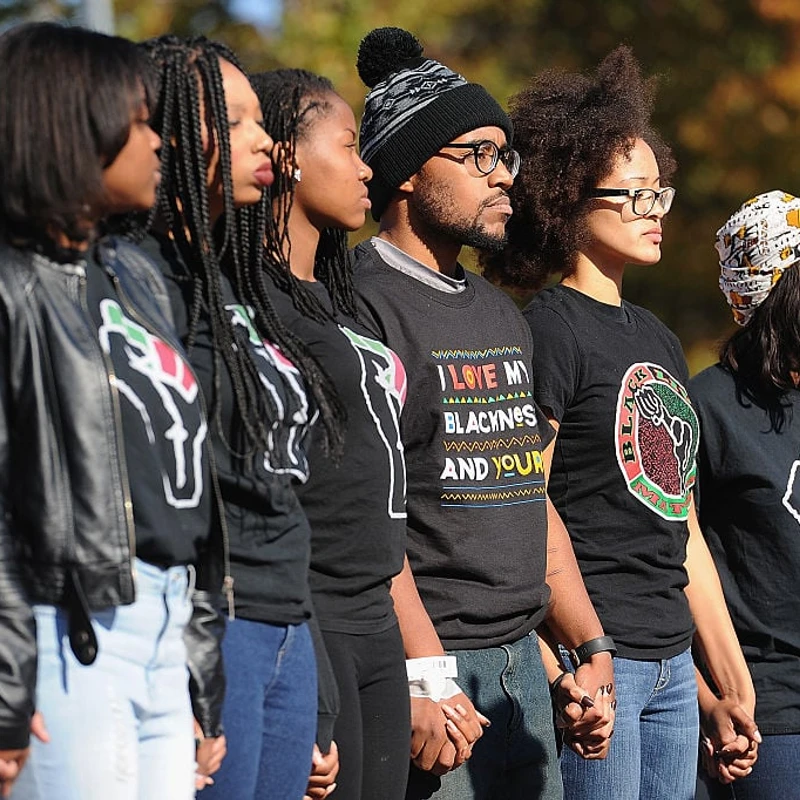
When the University of Missouri (Mizzou) decided to end designated funding for its historic Black student government, the Legion of Black Collegians (LBC), help arrived from an unexpected, yet deeply resonant, source: Alfred Street Baptist Church in Alexandria, Virginia. This Black institution, nearly 900 miles away, has stepped in to provide crucial financial support, demonstrating the power of community solidarity in the face of institutional cutbacks.
Community Steps In Where University Steps Back
The university cited federal restrictions tied to diversity, equity, and inclusion (DEI) programs as the reason for ending annual funding for the LBC and several other identity-based student organizations starting in July. However, Rev. Dr. Howard-John Wesley, senior pastor of Alfred Street Baptist Church, announced on Sunday that the church would fully fund the LBC. “Although they’ve been defunded by the government, we have decided we are not going to let that student organization fail to have programming,” Wesley stated in a video shared online.
This decision quickly gained traction on social media, symbolizing a powerful act of self-determination. “So I wanted to let you know that Alfred Street Baptist is funding the Legion of Black Collegians on the campus of the University of Missouri so that this government and this administration knows when you won’t support us, we will support our own,” Wesley continued. “We take care of our own people.”
The Impact of DEI Rollbacks on Campus
Mizzou’s decision, first reported in April, affects five multicultural student organizations, including the LBC, the Association of Latin American Students, the Asian American Association, the Queer Liberation Front, and FourFront. While the university stated these groups can still apply for funding, they will no longer receive direct, designated support. Officials pointed to a Department of Justice memo restricting DEI practices as a key factor.
For the LBC, founded in 1968 to provide a voice for Black students at Mizzou, this funding cut represents a significant blow. The organization views the move as “intentional erasure” and a calculated step to distance minority students from the university community. This sentiment is echoed by Black student organizations nationwide who are grappling with shrinking institutional support amid broader DEI program rollbacks.
A Legacy of Support and Resistance
Alfred Street Baptist Church’s intervention is more than just a donation; it’s a powerful reminder of the vital role Black churches, alumni networks, and community organizations have historically played in filling the gaps left by institutions that Black students are often expected to rely on. Across the country, colleges are dismantling or revising DEI programs under political and legal pressure, often framing these changes as compliance. However, for Black students, the impact is deeply personal: fewer resources, less protected space, and diminished visible support on campuses where they may already be underrepresented.
The situation at Mizzou carries particular weight due to the university’s history with Black student activism. In 2015, Black students’ protests against racism led to the resignation of the university system’s president. Nearly a decade later, the struggle over who funds and protects Black student life on campus continues, with Alfred Street Baptist Church now answering the call with decisive action.
What are your thoughts on universities cutting DEI funding and the role of community organizations in supporting student groups? Share your views in the comments below!
Leave a Reply