Tag: Finance

  • Virginia Church Funds Mizzou Black Student Gov’t After DEI Cuts

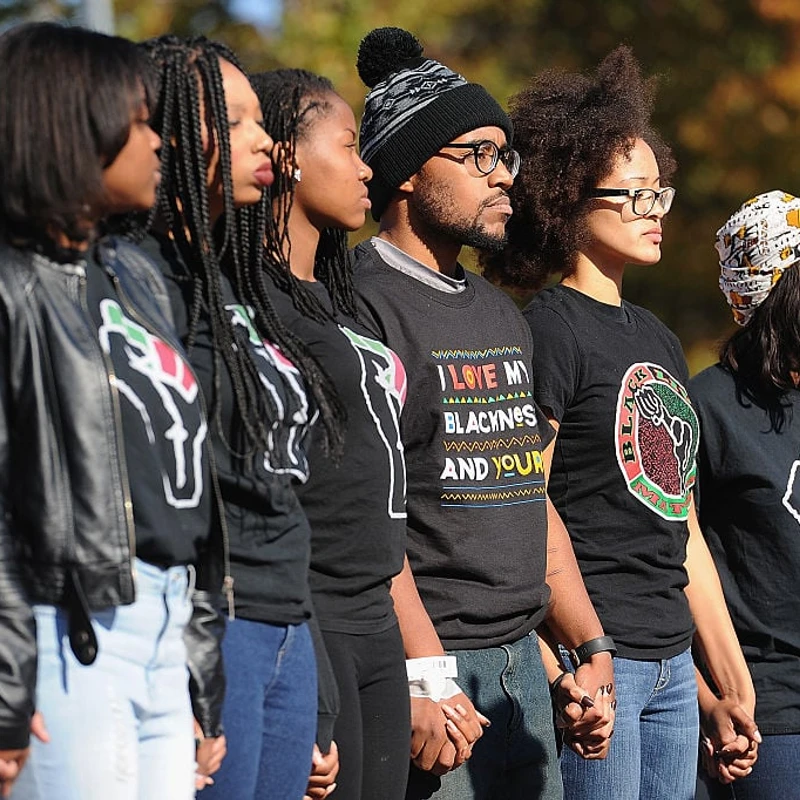
    When the University of Missouri (Mizzou) decided to end designated funding for its historic Black student government, the Legion of Black Collegians (LBC), help arrived from an unexpected, yet deeply resonant, source: Alfred Street Baptist Church in Alexandria, Virginia. This Black institution, nearly 900 miles away, has stepped in to provide crucial financial support, demonstrating the power of community solidarity in the face of institutional cutbacks.

    Community Steps In Where University Steps Back

    The university cited federal restrictions tied to diversity, equity, and inclusion (DEI) programs as the reason for ending annual funding for the LBC and several other identity-based student organizations starting in July. However, Rev. Dr. Howard-John Wesley, senior pastor of Alfred Street Baptist Church, announced on Sunday that the church would fully fund the LBC. “Although they’ve been defunded by the government, we have decided we are not going to let that student organization fail to have programming,” Wesley stated in a video shared online.

    This decision quickly gained traction on social media, symbolizing a powerful act of self-determination. “So I wanted to let you know that Alfred Street Baptist is funding the Legion of Black Collegians on the campus of the University of Missouri so that this government and this administration knows when you won’t support us, we will support our own,” Wesley continued. “We take care of our own people.”

    The Impact of DEI Rollbacks on Campus

    Mizzou’s decision, first reported in April, affects five multicultural student organizations, including the LBC, the Association of Latin American Students, the Asian American Association, the Queer Liberation Front, and FourFront. While the university stated these groups can still apply for funding, they will no longer receive direct, designated support. Officials pointed to a Department of Justice memo restricting DEI practices as a key factor.

    For the LBC, founded in 1968 to provide a voice for Black students at Mizzou, this funding cut represents a significant blow. The organization views the move as “intentional erasure” and a calculated step to distance minority students from the university community. This sentiment is echoed by Black student organizations nationwide who are grappling with shrinking institutional support amid broader DEI program rollbacks.

    A Legacy of Support and Resistance

    Alfred Street Baptist Church’s intervention is more than just a donation; it’s a powerful reminder of the vital role Black churches, alumni networks, and community organizations have historically played in filling the gaps left by institutions that Black students are often expected to rely on. Across the country, colleges are dismantling or revising DEI programs under political and legal pressure, often framing these changes as compliance. However, for Black students, the impact is deeply personal: fewer resources, less protected space, and diminished visible support on campuses where they may already be underrepresented.

    The situation at Mizzou carries particular weight due to the university’s history with Black student activism. In 2015, Black students’ protests against racism led to the resignation of the university system’s president. Nearly a decade later, the struggle over who funds and protects Black student life on campus continues, with Alfred Street Baptist Church now answering the call with decisive action.

    What are your thoughts on universities cutting DEI funding and the role of community organizations in supporting student groups? Share your views in the comments below!
  • MacKenzie Scott’s HBCU Gifts: Billions Given, List Missed

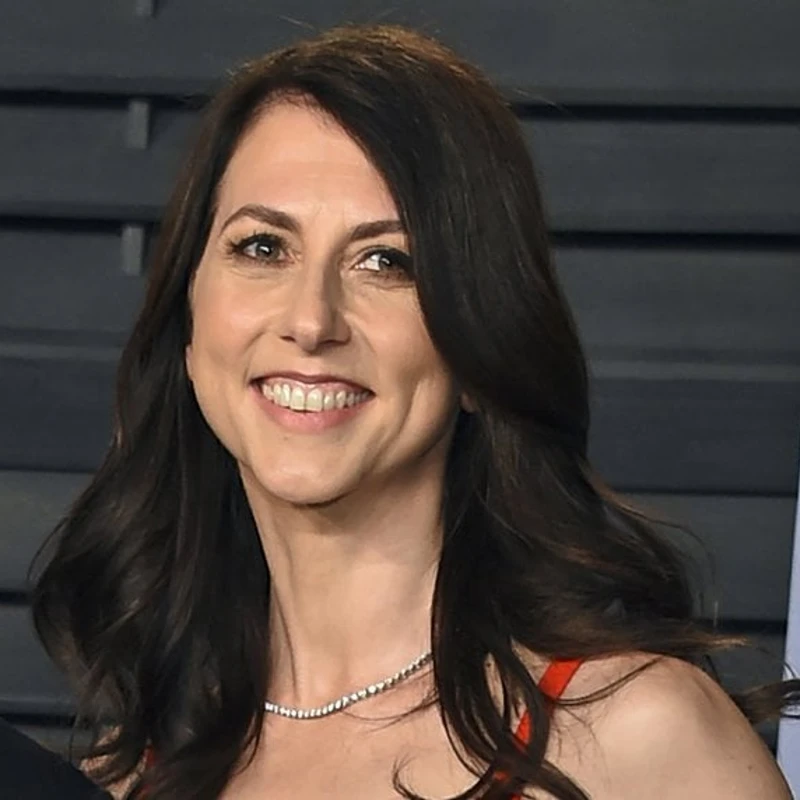
    MacKenzie Scott has been a powerhouse in the philanthropic world, making headlines for her massive donations. In 2025 alone, she reportedly gave away a staggering $7.2 billion, with over $1 billion specifically directed towards Historically Black Colleges and Universities (HBCUs). Yet, in a surprising turn of events, she was left off The Chronicle of Philanthropy’s prestigious Philanthropy 50 list. So, what’s the story behind this omission?

    The Mystery of the Missing Name

    According to AfroTech, the reason for Scott’s absence from the list wasn’t a lack of generosity. Instead, The Chronicle of Philanthropy cited insufficient public information regarding the amount of money Scott placed into donor-advised funds. This detail highlights a fundamental tension in the world of philanthropy: traditional rankings often depend on public disclosure and clear accounting, while Scott has cultivated a giving model centered on quiet, trust-based investments.

    Scott and her representatives reportedly declined to provide the necessary information for the ranking. This decision speaks volumes about her approach – she prioritizes moving quietly, offering substantial sums with minimal restrictions, and trusting organizations to understand and address their communities’ most pressing needs.

    Transformational Impact on HBCUs

    For HBCUs, Scott’s unique approach has been nothing short of revolutionary. As TheGrio has extensively covered, her substantial gifts have reshaped the landscape of philanthropic investment in Black higher education. In 2025 alone, reports highlighted her significant contributions, including an $80 million gift to Howard University, $38 million to Spelman College, $63 million to Morgan State University, and $50 million to Winston-Salem State University, among others.

    The impact goes beyond the dollar amount. Many of Scott’s donations are unrestricted, empowering institutions to allocate funds towards critical areas like strengthening endowments, supporting students, investing in faculty, and upgrading infrastructure. This freedom allows HBCUs, which have historically faced underfunding compared to predominantly white institutions, to pursue their own strategic goals without being constrained by external funding priorities.

    Prioritizing Impact Over Recognition

    Scott herself has pushed back against the notion that generosity should solely be measured by public rankings or sheer dollar totals. In a December 2025 essay, she wrote that while her $7.166 billion in donations was significant, it represented only a small fraction of the overall care being shared within communities. This perspective clearly explains why her absence from the Philanthropy 50 list is so complex.

    By traditional metrics, Scott is undoubtedly one of the nation’s most impactful philanthropists. However, her focus appears to be on the tangible results of her giving rather than the accolades. For the HBCUs that have benefited from her support, the true story isn’t about whether she made a list, but about what her unprecedented confidence and substantial financial backing are making possible for their future.

    What do you think about MacKenzie Scott’s approach to philanthropy? Does her absence from the list diminish her impact? Share your thoughts in the comments below!

  • Man Turns Barbie Camper into Gas-Saving Ride

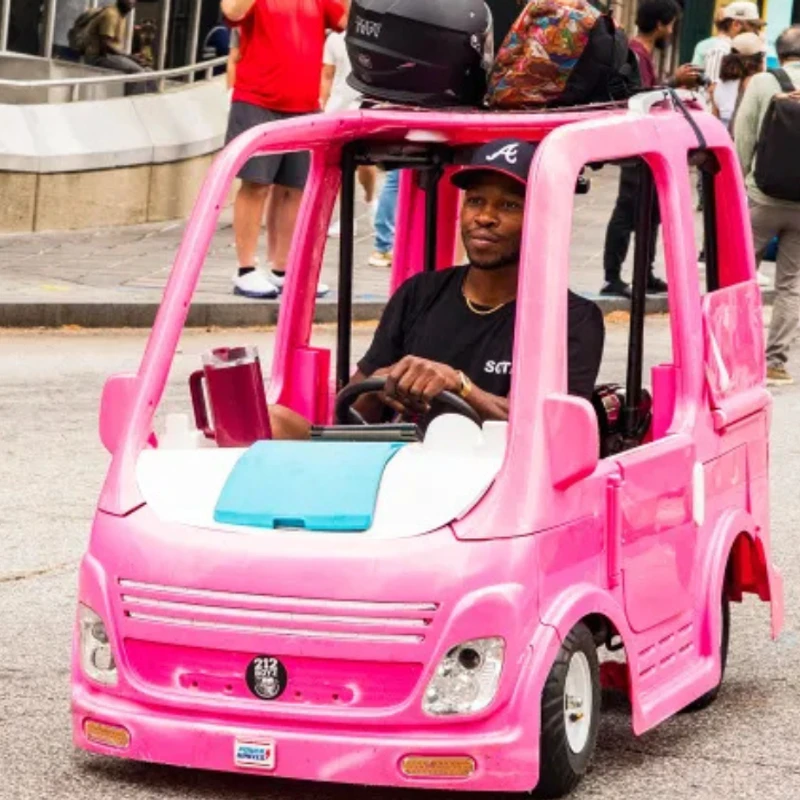
    With gas prices hitting wallets hard nationwide, people are getting creative to save money. Enter Mali Hightower, a handyman from Ellenwood, Georgia, who has turned a discarded child’s toy into a surprisingly functional, gas-powered ride. He took a broken pink Barbie Dream Camper and transformed it into a working mini-vehicle, proving that resourcefulness can be a powerful tool against rising costs.

    From Toy to Transportation

    Hightower, 30, found the discarded Barbie camper and decided to give it a new life. He stripped it down, welded it onto a go-kart frame, and installed a one-piston engine from a power washer. But he didn’t stop there! The mini-vehicle is now equipped with essential upgrades like brakes, lights, a horn, and even a sound system, making it suitable for running local errands.

    This budget-friendly engineering feat is a perfect commentary on the rising cost of everyday living. It resonates deeply because, let’s face it, who hasn’t looked at the gas pump lately and wished for an alternative?

    Impressive Speed and Savings

    Hightower shared that his unique creation can reach speeds of up to 55 mph and gets an impressive 40 miles per tank. The cost to fill up? A mere $3! Compare that to the roughly $90 it takes to fuel his 1996 Mercedes-Benz convertible, and the savings are undeniable. As of May 23, 2026, the national average for regular gas was reported at $4.529 per gallon, making Hightower’s solution even more appealing.

    This story is particularly poignant for Black families and working-class households already grappling with increased costs for food, rent, and childcare. The added expense of gas can force difficult decisions about daily commutes and errands.

    A Creative Mind at Work

    Known in his community as ‘Sota,’ Hightower is no stranger to creative builds. He’s previously turned old toy boats into functional vessels and has a knack for transforming “weird things into logical things.” His fiancée’s recent engagement announcement adds a personal touch, highlighting a working man creatively saving money as he prepares for a new life chapter.

    However, Hightower wisely cautions that this isn’t a DIY project for everyone. He advises leaving such complex tinkering to experienced individuals. For the rest of us, his creation serves as a vibrant reminder of the power of resourcefulness and the many ways we can find to save money on transportation, whether it’s through bikes, electric options, or, in this case, a hot pink Barbie camper.

    • Creator: Mali Hightower, handyman from Ellenwood, Georgia
    • Project: Converted broken Barbie Dream Camper into a gas-powered vehicle
    • Key Features: Go-kart frame, power washer engine, brakes, lights, horn, music
    • Performance: Up to 55 mph, 40 miles per tank
    • Cost to fill: Approximately $3
    • Warning: Not a project for amateurs; leave to experienced builders

    What do you think of Mali Hightower’s incredible Barbie camper conversion? Share your thoughts on this ingenious way to beat high gas prices in the comments below!

  • Killer Mike’s New Housing Plan for Atlanta

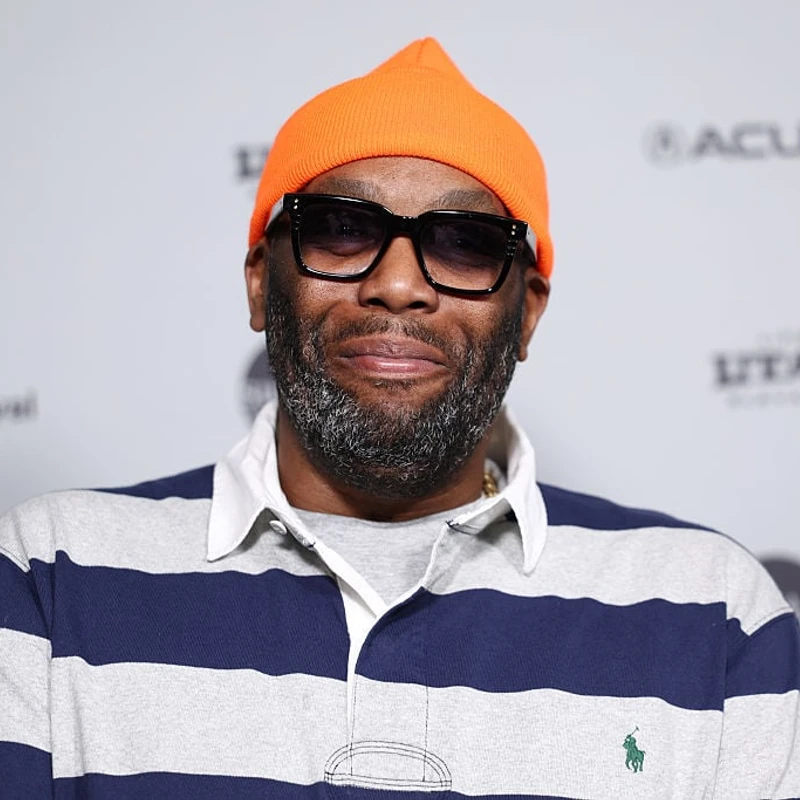
    What if building wealth in your own community was as simple as renting a home? For years, Grammy-winning artist and activist Killer Mike has been a vocal advocate for economic empowerment and closing the wealth gap, especially in his hometown of Atlanta. Now, he’s turning those powerful words into action with an exciting new housing initiative.

    Introducing the ‘Build-to-Ownership’ Program

    Killer Mike, whose real name is Michael Render, has teamed up with Bridge Tower and Blackmon Real Estate to launch a groundbreaking program called Build-to-Ownership (B2O). This initiative is specifically designed to create clearer pathways to homeownership for families in the metro Atlanta area.

    The core idea is simple yet revolutionary: offer residents the chance to lease newly constructed homes with a structured, clear option to purchase them down the line. This isn’t just about getting keys to a house; it’s about building equity and securing long-term financial stability in a market where owning a home can feel like a distant dream.

    Empowering Atlanta Families

    Render himself emphasized the program’s goal: “This initiative is about bringing homeownership within reach for people who crave the stability that ownership offers,” he stated. “This will ultimately create stronger communities. It will also help families build wealth.”

    He further connected the project to a larger mission of community investment and economic access in Atlanta, famously stating, “Wealth is defined by the ability to own land.” Through B2O, he aims to ensure that the very people who contribute to Atlanta’s vibrancy have a tangible stake in its future.

    Strategic Focus and Phased Rollout

    The B2O program plans to kick off in high-growth areas across Greater Atlanta. The focus will be on neighborhoods that offer convenient access to employment centers, public transit, and bustling retail hubs. This strategic approach ensures that new homeowners are well-positioned for success and community integration.

    The rollout is set to occur in phases, with the first acquisition announcements anticipated in the coming months. This measured approach allows for careful planning and execution, ensuring the program’s long-term viability.

    Beyond Music: A Commitment to Community

    This housing initiative is the latest in Killer Mike’s expanding ventures beyond music. The Atlanta native has increasingly dedicated his efforts to financial literacy, cooperative economics, and Black ownership. His past projects have touched on banking, workforce development, and affordable housing, all contributing to his vision of a more equitable Atlanta.

    Atlanta has long been recognized as a hub for Black economic success. However, rising home prices and rapid neighborhood changes have made it challenging for many long-time residents to maintain their roots. The B2O model directly addresses this tension by creating a viable pathway for renters to become stakeholders, rather than being displaced.

    What are your thoughts on Killer Mike’s Build-to-Ownership initiative? How important is rent-to-own for building community wealth? Let us know in the comments!

  • Real Housewives: A Financial Literacy Lesson?

    Think reality TV is just about drama and lavish lifestyles? Think again! For nearly two decades, ‘The Real Housewives’ franchise has been serving up more than just entertainment; it’s been an unintentional, and often chaotic, crash course in financial literacy. From navigating bankruptcy to building empires, these women are inadvertently teaching us valuable lessons about money.

    Bankruptcy and Real Estate Realities

    Take the recent episode of ‘Real Housewives of Atlanta,’ where Slutty Vegan founder Pinky Cole openly discussed considering bankruptcy. After temporarily losing control of her brand and filing for Chapter 11 to reorganize debts, Cole shared her experience, normalizing a financial tool many are too ashamed to discuss. Fellow castmate Kelli Ferrell, dealing with divorce fallout, admitted she’s contemplating the same, highlighting how personal circumstances can impact financial stability.

    The show also doesn’t shy away from real estate drama. Porsha Williams explained her decision to sell her first home to maintain her newer, larger residence post-divorce. These conversations, often happening over cocktails, reveal the complex decisions involved in managing assets, especially after major life changes like divorce.

    Normalizing Financial Conversations

    Across various ‘Real Housewives’ franchises, viewers have witnessed the full spectrum of financial journeys: launching businesses, moving homes, upgrading possessions, building wealth, experiencing losses, and rebuilding. The show normalizes discussions about topics many consider private, such as debt, credit repair, downsizing, fraud, child support, and the risks of entrepreneurship. Entire storylines have revolved around the fundamental question: “Where is the money actually coming from?”

    We’ve seen Shereé Whitfield’s years-long journey building Chateau Shereé, complete with construction delays and public scrutiny, eventually leading to its completion. Cynthia Bailey openly discussed relying on budget retailers like TJ Maxx to maintain appearances during her ex-husband’s financial struggles, proving that even reality stars face similar challenges.

    Lessons from Potomac and Atlanta

    In Potomac, Karen Huger’s family navigated a significant tax lien and back taxes, ultimately selling their mansion and finding financial footing again. Robyn Dixon’s story arc involved understanding how her husband’s financial decisions impacted their fortune, leading to multiple brand launches and a remarriage under more stable circumstances. These narratives underscore the importance of financial transparency within relationships.

    Then there’s Kandi Burruss, a standout example of diversified income streams. Her ventures in restaurants, music, Broadway, product lines, production deals, and real estate serve as a masterclass in building generational wealth beyond a television paycheck. Her consistent financial savvy provides a blueprint for long-term success, especially within a blended family structure.

    Authenticity and Relatability

    What makes these financial discussions so impactful is their authenticity. Figures like Pinky Cole approach topics like bankruptcy not as a failure, but as a practical financial tool. In a society often burdened by financial shame, the Housewives’ willingness to share their struggles and triumphs makes these complex topics more accessible.

    Furthermore, the show has been instrumental in normalizing the presence of wealthy Black women on screen, many of whom represent first-generation wealth. Their experiences, often lived and learned in real-time alongside the audience, demonstrate that financial success is rarely a straight line. The messy, yet honest, reflections offered by ‘The Real Housewives’ provide a valuable, albeit dramatic, look at the realities of managing money in America.

    What financial lessons have you learned from watching ‘The Real Housewives’? Share your thoughts and favorite financial moments in the comments below!

  • Single Americans Need $90K for Comfort

    Feeling the pinch of rising prices? You’re not alone. As inflation continues its upward climb, the amount of money needed to live comfortably is also skyrocketing. For single Americans aiming for financial comfort in 2026, the target salary is now a hefty $80,000 to $90,000 annually.

    What Does ‘Financial Comfort’ Really Mean?

    This isn’t just about having enough to get by; it’s about achieving a baseline of financial security. According to financial experts, true comfort often means being able to follow the 50/30/20 budget rule. This popular guideline suggests allocating your net income as follows:

    • 50% for Needs: This covers essentials like rent or mortgage, groceries, utilities, and transportation.
    • 30% for Wants: This is your discretionary spending – entertainment, dining out, hobbies, and non-essential purchases.
    • 20% for Savings & Debt Repayment: This crucial portion goes towards retirement accounts, emergency funds, and paying down debts like credit cards.

    The $80,000-$90,000 income range is seen as the minimum needed to consistently meet these targets without undue financial stress.

    Location, Location, Location (and Inflation!)

    It’s important to remember that this national average can fluctuate significantly depending on where you live. Major metropolitan areas with high housing costs and transportation expenses can push the required income much higher. In some of these expensive cities, a single adult might need at least $85,000 annually just to feel secure.

    And for families? The numbers climb dramatically. A family of four in a high-cost city could face a minimum salary requirement nearing $200,000 to maintain a comfortable lifestyle while still funding their savings goals. Analysts project these figures considering an estimated 3-4% annual inflation rate, which continuously erodes purchasing power.

    The Impact of Inflation and Interest Rates

    This persistent inflation, combined with sustained higher interest rates, means households need to earn more just to maintain their current economic standing. The financial bar is constantly being raised, making it a challenge for millions of Americans to achieve and maintain that coveted state of financial comfort.

    Does the $80,000-$90,000 figure surprise you? How do you manage your budget to stay financially comfortable? Share your tips and thoughts in the comments below!

  • Black-Owned Bank Launches AI Tool for Wealth Building

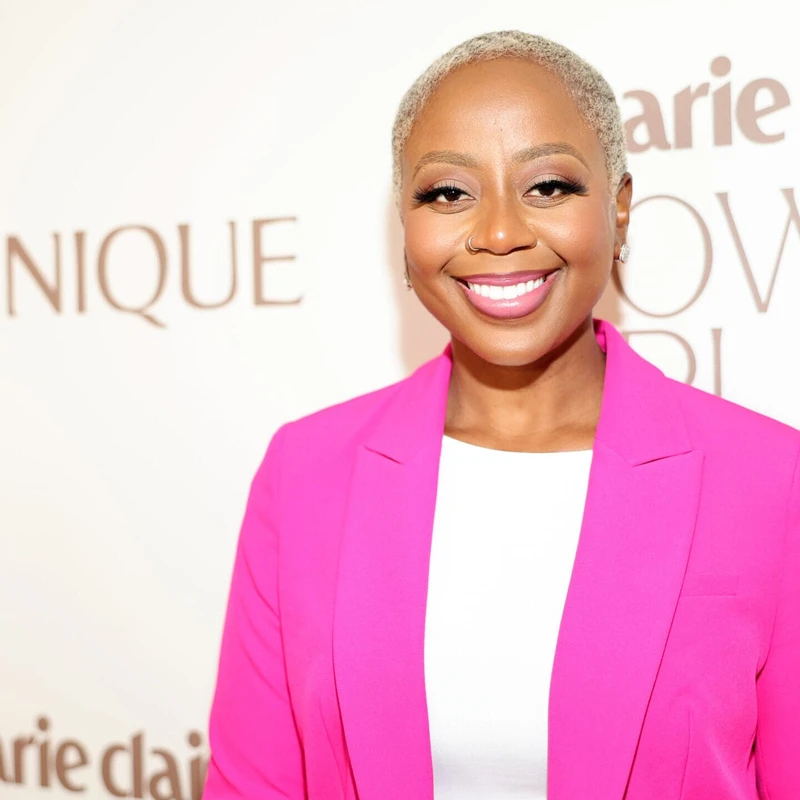
    In a significant move to empower Black consumers, America’s largest Black-owned bank, OneUnited, has launched an innovative AI-powered tool called WiseOne. This new platform is designed to provide personalized financial guidance, aiming to help users build wealth and improve their financial literacy. Terri Williams, President and COO of OneUnited, believes this technology is a game-changer for the community.

    WiseOne: Your AI Financial Navigator

    WiseOne offers custom insights into spending, saving, and financial progress, acting much like a GPS for your financial goals. Whether you want to save more or pay off debt, the tool provides direction and resources. “The idea of it is to use AI for good, to help our community build wealth and become more financially literate,” Williams stated in an interview with theGrio.

    While major financial institutions like Goldman Sachs and Citigroup are also adopting AI, Williams emphasizes the massive potential for AI to address the specific financial challenges faced by Black communities. She pushes back against the stereotype that Black consumers mismanage money, asserting, “We are very good with money. We just have had a lot of hurdles in our history that have stopped us from being as wealthy.”

    Leveling the Playing Field with AI

    Williams sees AI as a tool that can disrupt historical inequalities. “We are starting at an even playing field with everybody else,” she explained. “The reality is Black folks don’t know how to use AI, white folks don’t know how to use AI. And so by us running into this with speed and with our ingenuity, with our creativity, the sky is the limit in terms of how we can use it to benefit our community and to build wealth.”

    OneUnited is partnering with Google to offer WiseOne to 10,000 new users. Those who join the waitlist by December 31, 2025, will receive the first year of the service, normally priced at $9.95 per month, for free. The tool is accessible to both OneUnited customers and non-members alike.

    Embracing the Fourth Industrial Revolution

    Williams is confident that the Black community will embrace AI, citing their history as early adopters of new technologies like social media and smartphones. This proactive approach aligns with the vision of tech leaders like Robert F. Smith, who has called technological disruption the “fourth industrial revolution” and emphasized the need for African Americans to be beneficiaries of these advancements.

    Despite economic challenges, OneUnited remains committed to serving its community, having issued over a billion dollars in loans with minimal losses. The bank aims to empower individuals by helping them understand their financial value, fostering a mindset shift away from negative historical narratives. “Our community pays us back. So, I think we gotta flip the switch and say, ‘Okay, let’s not let’s not believe what they’re saying about us.’”

    OneUnited’s WiseOne tool represents a significant step forward in financial empowerment. Are you excited about the potential of AI in personal finance? Sign up for the WiseOne waitlist and share your thoughts on how technology can help build wealth in our communities in the comments below!

  • Cory Booker Engaged to Alexis Lewis

    Big news from the political world: Senator Cory Booker is officially engaged! The Democratic senator from New Jersey announced on September 2 that he proposed to his girlfriend of over a year, Alexis Lewis, during a romantic beachside proposal.

    Meet Alexis Lewis: A Woman of Accomplishment

    While the proposal photos show a beaming Booker and a glowing Lewis, many are curious about who the future Mrs. Booker is. Alexis Lewis is far from just a political figure’s girlfriend; she boasts an impressive professional background of her own.

    Currently, Lewis serves as a Senior Vice President of Investments at Brasa Capital Management, where she plays a key role in shaping investment strategies and overseeing capital market activities. Her career journey also includes a significant stint in public service as an Economic Policy Manager in the Los Angeles Mayor’s Office of Economic Development, where she championed initiatives for commercial development in South L.A. and co-led the Evolve Entertainment Fund.

    Education and a Blind Date Romance

    Lewis’s educational background is equally impressive. She earned her Bachelor’s in Marketing from NYU before obtaining her MBA from Cornell University’s SC Johnson College of Business, specializing in hospitality and real estate development. The couple’s romance began with a blind date in May 2024, set up by a mutual friend, and their connection quickly deepened.

    Booker introduced Lewis to his inner circle, and by August 2025, he was ready to pop the question. Booker shared his joy, calling Lewis “one of the greatest unearned blessings of my life” and noting how she has helped him “center my inner life.”

    Addressing Longstanding Rumors

    For years, Senator Booker has faced persistent rumors about his sexuality, fueled by his bachelor status in Washington D.C. However, firsthand accounts from women who have dated him dismiss these speculations as baseless. One ex-partner emphatically stated, “HELL NO. Cory’s not gay,” while another described him as a “player” who dated many women, including famous ones.

    This aligns with Booker’s public dating history, which includes a long-term relationship with actress Rosario Dawson. Alexis Lewis represents a significant personal and public step for Booker, bringing credibility and polish with her established career in finance and entertainment.

    What are your thoughts on Cory Booker’s engagement to Alexis Lewis? Share your comments below!

  • High-Paying Majors & HBCUs: Your Career Guide

    In today’s economy, where student debt is a major concern and career paths can seem uncertain, selecting the right college major is more critical than ever. Your degree choice influences not only your first job but also the long-term trajectory of your career, financial stability, and overall social mobility. While passion remains vital, potential salary and job security are increasingly important factors in college decisions.

    Degrees That Pave the Way to Wealth

    Not all degrees offer the same path to financial success. While wealth accumulation isn’t solely tied to a major, certain fields consistently lead to high-paying roles. Data suggests that engineering degrees are a strong indicator, with 11% of millionaires having studied some form of engineering. The technical and problem-solving skills developed in these programs are highly transferable and crucial for innovation and entrepreneurship in high-demand sectors like technology, energy, and infrastructure.

    Other lucrative degrees include MBAs (12.1% of high-net-worth individuals), economics (8.2%), and law (4.7%). These fields equip graduates with essential skills for leadership, strategy, and financial management, preparing them to navigate complex corporate environments and drive organizational change.

    The CEO’s Common Denominator: Degrees for Leadership

    While the path to becoming a CEO isn’t solely determined by a major, certain degrees provide a strong foundation. Engineering, economics, and business administration are frequently held by CEOs. Business administration, in particular, offers direct relevance to leadership, strategy, and financial management, teaching students to think on both macro and micro levels. Economics degrees foster analytical thinking and efficiency, crucial for navigating corporate challenges and driving change.

    Engineering degrees also contribute to a CEO’s perspective by focusing on scalability and technological possibilities, helping leaders identify market opportunities and drive innovation.

    Degrees Shaping the Future: Earning Potential and Job Security

    For students prioritizing earning potential and job security, fields like computer science, finance, economics, and health care administration stand out. Computer science is a leading choice due to the growth of AI and tech companies, boasting a 23% job growth projection through 2032. Finance and economics majors translate insights into strategic business decisions, commanding above-average median salaries of $96,220 and $113,940, respectively.

    Health care administration is also rapidly advancing due to increasing public health concerns, offering significant career growth potential. With a $113,940 median salary and a 28% growth projection by 2032, this major ensures long-term career viability. Selecting a major that aligns with industries poised for future growth, such as automation, digital transformation, sustainability, and advanced healthcare, is key to long-term value.

    High-Paying Majors at HBCUs

    HBCUs have a rich history of producing leaders and innovators. Many popular HBCUs offer programs that consistently lead to high-paying careers. Here are some top options:

    • **Engineering:** Graduates often start with salaries between $70,000–$80,000, with strong long-term earning potential into the six figures. HBCU engineering alumni are making significant contributions in aerospace, energy, construction, and tech. (Recommended HBCUs: North Carolina A&T, Howard University, Florida A&M)
    • **Computer Science:** Prepares graduates for roles in software development, data analytics, and tech entrepreneurship. CS graduates from HBCUs often compete successfully in the booming tech industry, with average starting salaries around $74,000. (Recommended HBCUs: Howard, Morehouse, Spelman)
    • **Finance & Economics:** Strong programs at many HBCUs lead to careers in banking, asset management, consulting, and government policy, with high mid-career salaries and potential for executive or entrepreneurial roles. (Recommended HBCUs: Howard University, Xavier University)
    • **Business Administration:** A versatile major leading to careers in marketing, operations, project management, and human resources. Many graduates pursue MBAs, potentially earning over $150,000 annually in leadership positions. (Recommended HBCUs: Hampton University, Clark Atlanta University)
    • **Health & Pre-Med:** HBCUs are recognized for producing a high number of African American graduates entering medicine, dentistry, or pharmacy, all offering six-figure salaries. Other options include nursing (starting around $65,000 with advancement opportunities) and public health. (Recommended HBCUs: Xavier University of Louisiana)

    What major are you considering or what advice do you have for students choosing their path? Share your thoughts in the comments below!