Tag: DEI

  • Trump’s DEI Policies Harm Public Health: Report

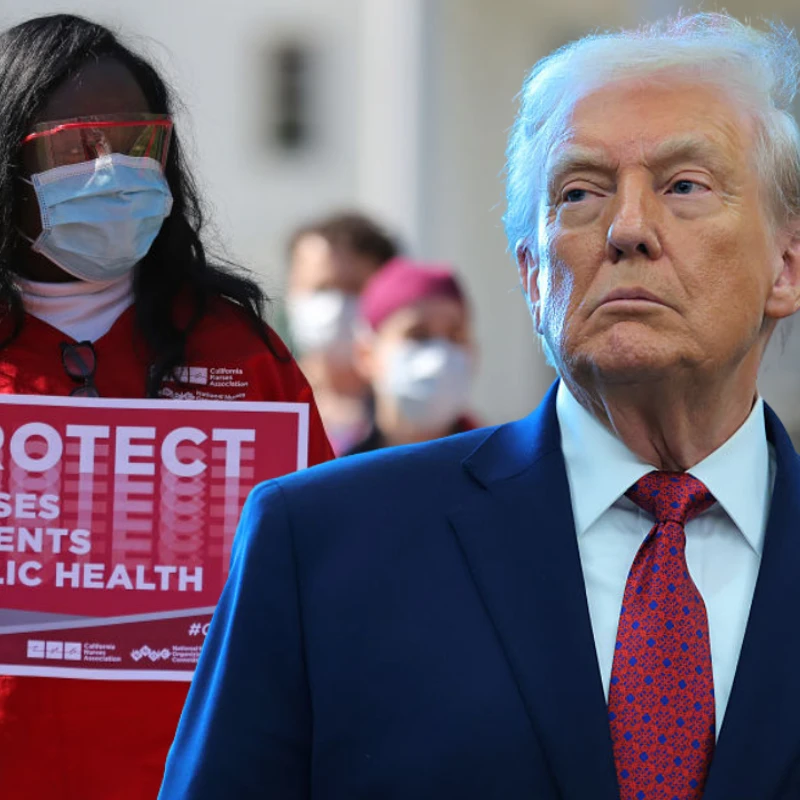
    The fight for diversity, equity, and inclusion (DEI) is not just a social issue; it’s increasingly being linked to the very foundation of our nation’s health. A new, eye-opening report from the Center for American Progress (CAP) suggests that former President Donald Trump’s executive actions targeting DEI have significantly weakened America’s public health infrastructure, making the country less healthy and safe.

    A Sweeping Rollback of Public Health Capacity

    The CAP analysis reveals a concerning trend: a combination of anti-DEI policies, changes to student loan access for medical degrees, and federal budget cuts have led to what the report calls “the most significant rollback of public health capacity and infrastructure since the creation of modern disease surveillance systems.” This is a stark warning about the long-term consequences of these policy shifts.

    Authored by CAP’s government affairs experts Peter Gordon and Alexandra Cogan, the report details how, during Trump’s second term, over 1,700 research and federal grants were terminated. Crucially, major cuts were made to health equity programs, including a vital team at the Centers for Disease Control and Prevention (CDC) focused on monitoring maternal mortality—a crisis that disproportionately affects Black women.

    Impact on Healthcare Careers and Economic Stability

    The Trump administration also imposed new restrictions on federal student loans for health professions. By reclassifying public health and nursing degrees as ‘nonprofessional,’ critics argue this move severely restricts the pipeline of future healthcare workers. This not only impacts the economic stability these careers provide, especially for Black professionals, but also has ‘severe economic consequences’ for the nation.

    Furthermore, the ‘One Big Beautiful Bill Act,’ a signature tax and spending law, enacted substantial cuts to health programs. The report estimates these cuts will cost American taxpayers billions in preventable healthcare expenses, ultimately making all communities less safe.

    Weakening Disease Surveillance and Global Health Ties

    The report points out that these policy decisions make it harder for public health professionals to implement crucial interventions, such as environmental justice monitoring. This could leave communities vulnerable to threats like contamination, reminiscent of the lead poisoning crisis in Flint, Michigan. The decision to withdraw from the World Health Organization (WHO) and eliminate the U.S. Agency for International Development (USAID) has also dismantled essential disease surveillance systems, critical tools used during the COVID-19 pandemic.

    While the targeting of DEI is often framed as an ideological battle, CAP emphasizes that the cuts to health services disproportionately harm Black and Brown communities, with ripple effects that impact everyone. The report warns that this creates a less prepared and informed public health system, potentially leading to emerging threats escalating into national emergencies.

    Deprived of the data needed to guide interventions, the next disease outbreak or pandemic will spread for longer before detection; environmental contamination will go unnoticed until children bear the consequences; and maternal mortality will continue rising, particularly in underserved areas. This policy-driven ignorance will cost lives and money. — Center for American Progress Report

    What are your thoughts on the findings of this report? How do you think DEI initiatives impact public health? Share your perspective in the comments below!
  • ABA Faces Pressure to Roll Back DEI Standards

    The American Bar Association (ABA) is finding itself in the crosshairs of a political debate, facing significant pressure from conservatives and allies of former President Trump to potentially roll back its diversity, equity, and inclusion (DEI) standards for accredited law schools. This push comes at a time when Black lawyers remain notably underrepresented in the legal profession.

    The Controversy Around Standard 206

    At the heart of the controversy is ABA Standard 206, a rule that requires accredited law schools to actively demonstrate their commitment to diversity and inclusion through concrete actions. This standard was notably suspended shortly after President Trump took office and is not slated to be reinstated until at least August 2027. However, the debate has intensified, with the ABA’s Accreditation Council recently voting to repeal the standard entirely.

    This proposal now moves to the ABA House of Delegates for consideration. Critics, including Florida Attorney General James Uthmeier, argue that the ABA has become politically biased, taking stances on issues like abortion rights and transgender protections that they view as left-wing activism. The pressure extends to federal levels, with reports of federal officials barring political appointees from renewing ABA memberships and the U.S. Education Department reviewing the ABA’s accreditation authority.

    Persistent Racial Disparities in Law

    The timing of this debate is particularly significant given the persistent racial disparities within the legal profession. According to the ABA’s own 2020 Profile of the Legal Profession, Black attorneys constitute a mere 5% of all lawyers in the U.S., a figure that has remained stagnant for a decade. This starkly contrasts with Black Americans making up 13.4% of the national population.

    The report also highlights broader underrepresentation for other minority groups, with non-Hispanic white attorneys making up 86% of the profession despite comprising roughly 60% of the U.S. population. Hispanic lawyers represent about 5% of the profession, while Hispanics account for 18.5% of the U.S. population. Supporters of DEI standards argue these numbers underscore the continued necessity of such efforts in legal education.

    The Broader National Battle Over DEI

    Conversely, opponents contend that accreditation should strictly focus on academic and professional standards, not institutional diversity goals. This conflict within the ABA mirrors the larger national struggle over DEI programs in universities, workplaces, and public institutions, as Republican-led states and conservative groups actively push for rollbacks across the country.

    What are your thoughts on the ABA’s diversity standards? Do you believe they are necessary given the current representation in the legal field? Share your perspective in the comments below!

  • Virginia Church Funds Mizzou Black Student Gov’t After DEI Cuts

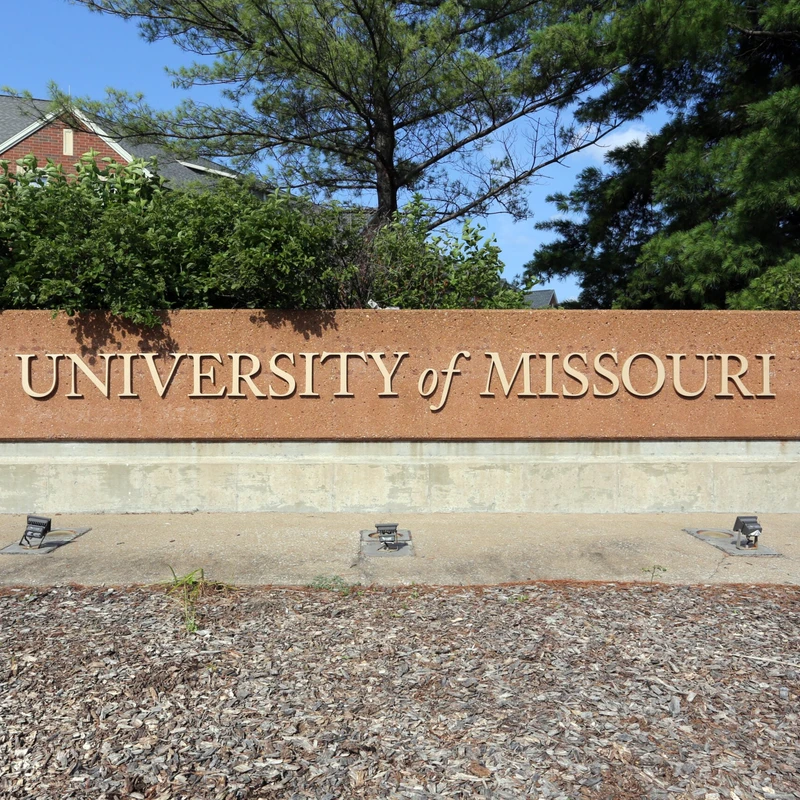
    When the University of Missouri (Mizzou) decided to end designated funding for its historic Black student government, the Legion of Black Collegians (LBC), help arrived from an unexpected, yet deeply resonant, source: Alfred Street Baptist Church in Alexandria, Virginia. This Black institution, nearly 900 miles away, has stepped in to provide crucial financial support, demonstrating the power of community solidarity in the face of institutional cutbacks.

    Community Steps In Where University Steps Back

    The university cited federal restrictions tied to diversity, equity, and inclusion (DEI) programs as the reason for ending annual funding for the LBC and several other identity-based student organizations starting in July. However, Rev. Dr. Howard-John Wesley, senior pastor of Alfred Street Baptist Church, announced on Sunday that the church would fully fund the LBC. “Although they’ve been defunded by the government, we have decided we are not going to let that student organization fail to have programming,” Wesley stated in a video shared online.

    This decision quickly gained traction on social media, symbolizing a powerful act of self-determination. “So I wanted to let you know that Alfred Street Baptist is funding the Legion of Black Collegians on the campus of the University of Missouri so that this government and this administration knows when you won’t support us, we will support our own,” Wesley continued. “We take care of our own people.”

    The Impact of DEI Rollbacks on Campus

    Mizzou’s decision, first reported in April, affects five multicultural student organizations, including the LBC, the Association of Latin American Students, the Asian American Association, the Queer Liberation Front, and FourFront. While the university stated these groups can still apply for funding, they will no longer receive direct, designated support. Officials pointed to a Department of Justice memo restricting DEI practices as a key factor.

    For the LBC, founded in 1968 to provide a voice for Black students at Mizzou, this funding cut represents a significant blow. The organization views the move as “intentional erasure” and a calculated step to distance minority students from the university community. This sentiment is echoed by Black student organizations nationwide who are grappling with shrinking institutional support amid broader DEI program rollbacks.

    A Legacy of Support and Resistance

    Alfred Street Baptist Church’s intervention is more than just a donation; it’s a powerful reminder of the vital role Black churches, alumni networks, and community organizations have historically played in filling the gaps left by institutions that Black students are often expected to rely on. Across the country, colleges are dismantling or revising DEI programs under political and legal pressure, often framing these changes as compliance. However, for Black students, the impact is deeply personal: fewer resources, less protected space, and diminished visible support on campuses where they may already be underrepresented.

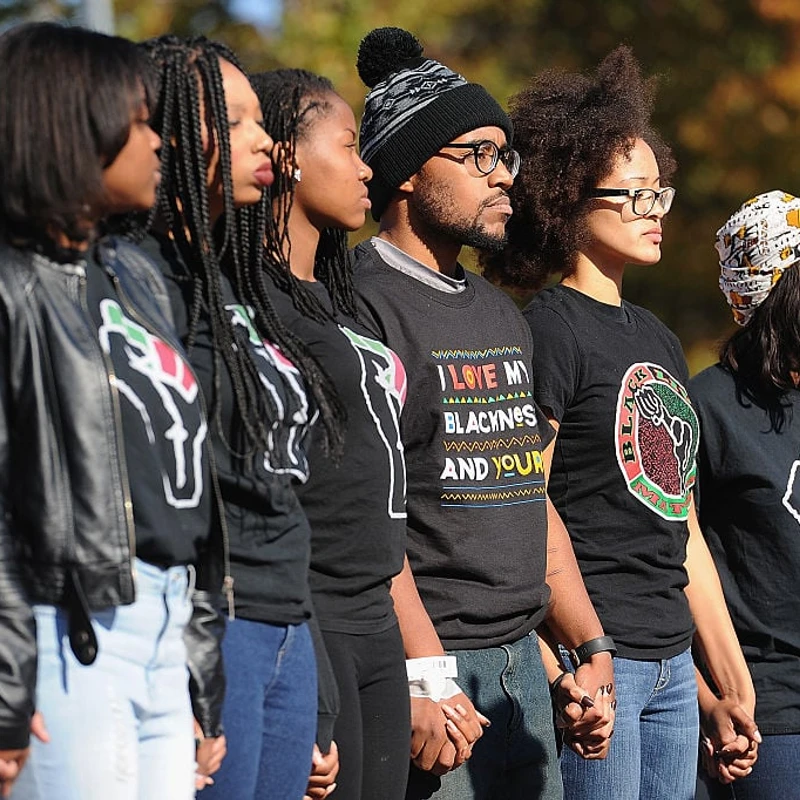
    The situation at Mizzou carries particular weight due to the university’s history with Black student activism. In 2015, Black students’ protests against racism led to the resignation of the university system’s president. Nearly a decade later, the struggle over who funds and protects Black student life on campus continues, with Alfred Street Baptist Church now answering the call with decisive action.

    What are your thoughts on universities cutting DEI funding and the role of community organizations in supporting student groups? Share your views in the comments below!

  • ABA Weakens DEI Standards for Law Schools

    In a move that’s sparking significant debate, the American Bar Association (ABA) has voted to weaken its long-standing diversity, equity, and inclusion (DEI) standards for law schools. This decision comes after considerable pressure, potentially reshaping the landscape of legal education in America.

    What Changed and Why?

    The ABA recently approved changes to its accreditation policies, dialing back requirements that previously pushed law schools to actively build diverse student bodies and faculty, and to cultivate inclusive learning environments. Officials stated the goal was to “simplify the requirements and reduce burden on law schools,” while also responding to scrutiny from the U.S. Department of Education.

    This shift occurs amidst a broader wave of political attacks targeting DEI initiatives across various sectors, including higher education and the legal industry. The Trump administration has been particularly vocal, urging the ABA to eliminate these diversity requirements or face potential loss of its accrediting authority.

    Concerns for Representation in Law

    Legal educators and civil rights advocates are sounding the alarm, warning that this rollback could negatively impact representation within the legal profession. They fear it might reduce opportunities for Black students and other historically marginalized groups, who already face disparities in hiring, leadership roles, and judicial appointments.

    The ABA’s decision mirrors a trend seen in corporate America and law firms, where many have been scaling back DEI programs and fellowships due to mounting political and legal pressure. This move by the ABA could signal a significant shift in how diversity is prioritized within legal education and the profession at large.

    The Broader Impact

    The ABA plays a critical role in setting the standards for nearly 200 law schools across the United States. Weakening DEI requirements could have far-reaching consequences, potentially leading to less diverse incoming classes and, over time, a less diverse legal profession overall. This is a developing story with significant implications for the future of law in America.

    What are your thoughts on the ABA’s decision to weaken DEI standards for law schools? Share your perspective in the comments below!

  • Equity Arc Festival Returns to D.C. for Young Classical Musicians

    Get ready, D.C.! A vibrant group of young classical musicians is set to grace the Washington, D.C. area once again for the highly anticipated Equity Arc Festival. This return is particularly meaningful, coming exactly one year after their planned performance was unfortunately canceled due to a presidential executive order.

    A Resilient Return to the Stage

    Last year, Equity Arc’s plans to perform alongside the United States Marine Band were halted by an executive order from President Donald Trump that banned Diversity, Equity, and Inclusion (DEI) initiatives in government and military sectors. This setback didn’t deter the organization or its talented young members.

    Now, over 100 musicians, ranging in age from 12 to 21, are back and ready to showcase their skills. They are part of Equity Arc, a non-profit organization committed to providing specialized mentoring and support for musicians of color, helping to build a more inclusive future for classical music.

    Festival Ensembles Concert: A Celebration of Talent

    The highlight of their return is the Festival Ensembles Concert, scheduled for Sunday, May 3rd, from 2 p.m. to 4 p.m. at Capital One Hall in Tysons, Virginia. This concert is the culmination of Equity Arc’s National Convening & Festival Ensembles, a multi-day event designed to unite young musicians, educators, and industry leaders.

    The program will feature performances by the Pathways Orchestra and other Festival Ensembles, offering a glimpse into the evolving sound and look of classical music, as redefined by these emerging artists. It’s a chance to witness firsthand the passion and innovation these young talents bring to the genre.

    Fostering Inclusivity and Mentorship

    Equity Arc itself is a collaborative network of organizations dedicated to creating equitable opportunities for aspiring classical musicians from underrepresented communities. Stanford Thompson, the Executive Director of Equity Arc, expressed his enthusiasm for returning to the D.C. area, a place that has significantly contributed to the organization’s growth.

    This concert is not only a celebration of extraordinary talent, but a reflection of what’s possible when we invest in young musicians and create meaningful pathways for them to thrive. — Stanford Thompson, Executive Director of Equity Arc

    The weekend’s activities also include insightful panels, workshops, and a keynote luncheon featuring Bryan Stevenson, founder and executive director of the Equal Justice Initiative. These events aim to spark conversations about access, mentorship, and achieving excellence within the classical music world.

    The impact of Equity Arc is deeply felt by its participants. Ugochukwu Nwakanma, an Equity Arc Fellow, shared his excitement: “Being part of Equity Arc has already changed my life in a multitude of ways, and having the privilege to perform alongside 100 other incredibly talented musicians is a blessing.” He added, “There’s something truly powerful about coming together like this, each of us bringing our own stories and experiences, and creating something bigger than ourselves.”

    Are you excited to see the future of classical music unfold? Get your tickets for the Equity Arc Festival and support these incredible young artists! What are your thoughts on the importance of DEI in the arts?

  • Florida Bans DEI Funding, DeSantis Cites ‘Disfavored’ White Men

    Florida Governor Ron DeSantis has signed a new law, SB 1134, that prohibits local governments from funding or promoting diversity, equity, and inclusion (DEI) initiatives. DeSantis declared that white men have become the most “disfavored” group due to DEI policies, framing the legislation as a necessary step against what he calls taxpayer-funded “identity politics.”

    What the New Law Prohibits

    The new law specifically bars local governments from establishing DEI offices, appointing DEI officers, or implementing DEI programs. It also prevents taxpayer money from being used for DEI-related initiatives or for contractors promoting such efforts. Grant recipients will be required to certify that public funds will not support DEI activities, and local officials found in violation could face removal from office.

    During the bill signing in Jacksonville on April 22nd, DeSantis stated, “Floridians should not be forced to pay for radical climate agendas or identity politics with their hard-earned tax dollars.” He further added, “Today in Jacksonville, I signed two important bills to limit government overreach and prevent local authorities from imposing carbon taxes and discriminatory DEI mandates on Floridians.”

    Supporters vs. Civil Rights Advocates

    Supporters of the bill, including state Sen. Clay Yarborough, argued that local governments have spent millions on what they deem “divisive programming” instead of focusing on essential services. Yarborough stated, “The bill is necessary because cities and counties have been funding and promoting divisive activities under the guise of DEI. Decisions related to individuals and actions should be based on merit.”

    However, civil rights advocates have strongly pushed back against DeSantis’s claims. Evelyn Foxx, president of the NAACP branch in Gainesville, dismissed the governor’s argument, telling AP, “If you talked to 100 white men, they wouldn’t feel the same way. The governor is out of touch with people, and that is the bottom line.” Genesis Robinson, executive director of the Florida-based nonprofit Equal Ground, expressed concern that the law jeopardizes programs crucial for minority communities, such as those helping access public contracts and address historical inequities. He stated, “Supporters will claim this is about ‘merit.’ It is not. We know what ‘merit’ looks like in systems that were never designed with us in mind.”

    What are your thoughts on Florida’s new law banning DEI funding? Do you agree with Governor DeSantis’s reasoning, or do you side with the civil rights advocates? Share your perspective in the comments below!
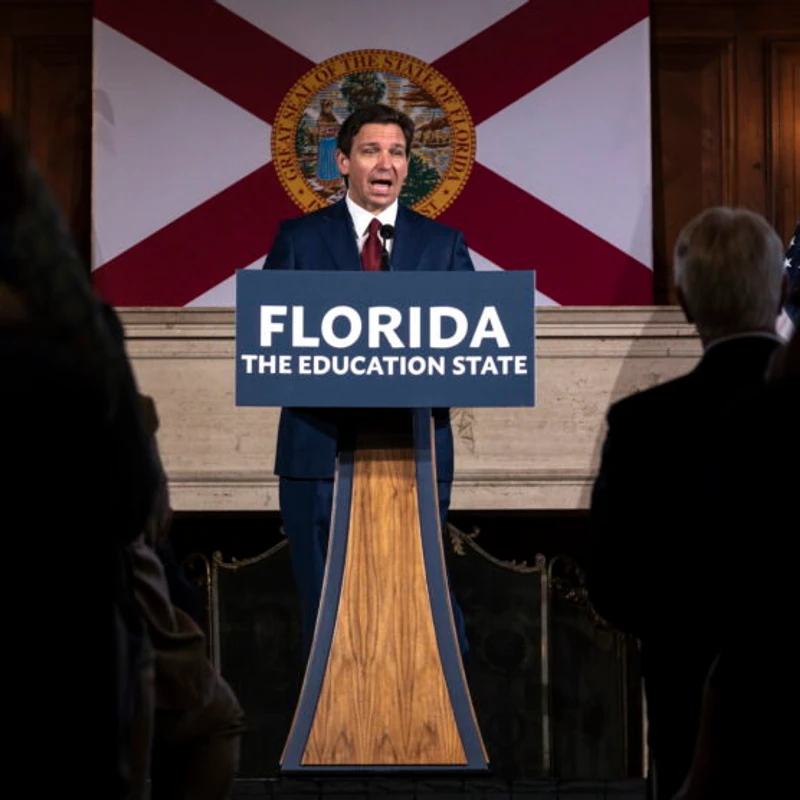
  • Florida Bans DEI Programs: DeSantis Cites ‘Disfavored’ White Men

    Florida is making headlines again as Governor Ron DeSantis has signed a new law that effectively eliminates Diversity, Equity, and Inclusion (DEI) programs at the local level. This move is the latest in a series of actions by the governor aimed at reshaping the state’s approach to these initiatives, building on the controversial ‘Stop WOKE Act’ signed in 2022.

    DeSantis’s Rationale for the Ban

    During a press conference on April 22, 2026, DeSantis defended the legislation, characterizing DEI programs as an “ideological construct.” He argued that these programs promote a specific political agenda that, in his view, disadvantages certain groups. Specifically, he stated that white men are among the “disfavored groups” who have allegedly faced discrimination.

    “The disfavored groups, No. 1, obviously, would be white males, and I think they’ve been discriminated against,” DeSantis remarked. He emphasized his belief that this alleged discrimination is unacceptable, stating, “No, it’s not fine. It’s wrong.”

    Criticism and Potential Impact

    The decision has already drawn sharp criticism. Evelyn Foxx, president of the Gainesville NAACP chapter, expressed strong disagreement with the governor’s perspective. “If you talked to 100 white men, they wouldn’t feel the same way as DeSantis,” Foxx stated, adding, “The governor is out of touch with people, and that is the bottom line.”

    While the law won’t officially take effect until January 2027, after DeSantis’s current term concludes, its implications could be far-reaching. It may influence how local governments manage public events, support nonprofits, distribute grants, and implement hiring policies across Florida. Offices like the Office of Equal Opportunity in Palm Beach County and various LGBTQ+ groups that collaborate with local governments could be directly affected.

    Echoes of the ‘Stop WOKE Act’

    This latest legislation follows the path of the ‘Stop WOKE Act’ from 2022. That law placed significant restrictions on how race, gender, and racism could be discussed in educational institutions and businesses throughout Florida. At the time, DeSantis championed the law, advocating for “education” over “indoctrination” and emphasizing the “freedom from having oppressive ideologies imposed upon you without your consent.”

    Critics, including many Democratic leaders, have raised concerns about the constitutionality of such laws. They point out that residents could sue entities found to be in violation, and local officials might face removal from office if they are found to have funded DEI initiatives, creating a complex legal and political landscape.

    What are your thoughts on Florida’s new law eliminating local DEI programs? Share your perspective in the comments below!
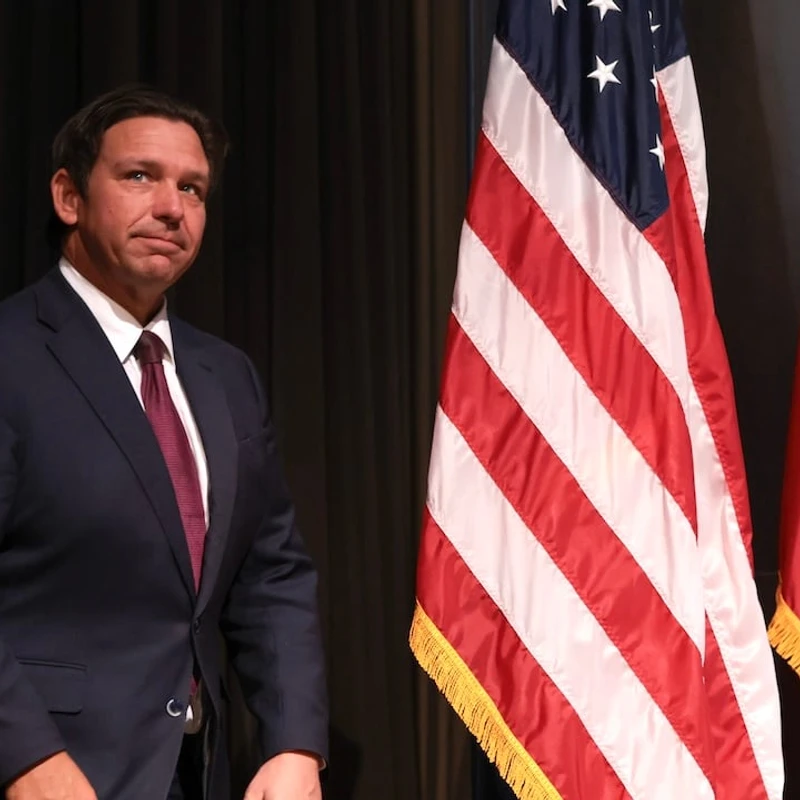
  • Trump’s Cabinet: Merit or Missteps?

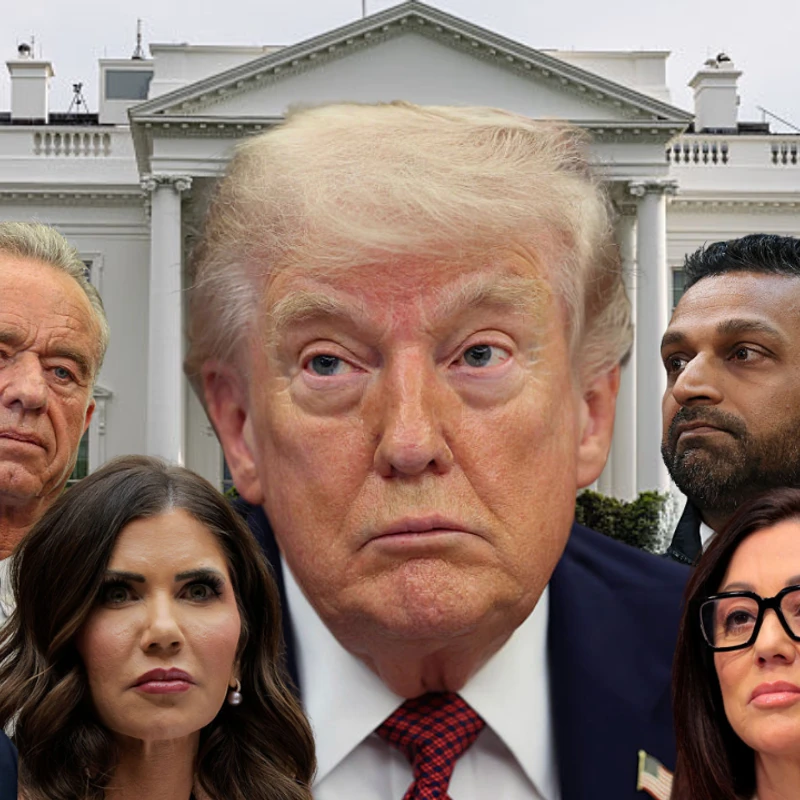
    When Donald Trump returned to the White House, he wasted no time in criticizing Diversity, Equity, and Inclusion (DEI) initiatives, arguing they hindered merit-based hiring. He promised a cabinet filled with the ‘best and brightest,’ focusing on ‘merit-based opportunity.’ However, a string of high-profile departures and controversies within his administration is now putting that promise to the test.

    Questions Arise Over Cabinet Competence

    After three prominent Cabinet members resigned within a mere two months, and with more expected to follow, questions are swirling about the president’s commitment to qualified leadership. Critics argue that the administration’s focus has been on loyalty rather than competence, leading to a series of public failures.

    Svante Myrick, president and CEO of People For the American Way, didn’t hold back, stating, ‘He didn’t even keep to his promise to end DEI because his cabinet is clearly DEI for dumb people.’ He further elaborated that initial impressions of incompetence were, unfortunately, accurate, with some members also facing accusations of corruption and ineptitude.

    High-Profile Departures and Allegations

    The recent resignations paint a concerning picture. Labor Secretary Lori Chavez-DeRemer stepped down amid allegations of abuse of power and workplace misconduct, including claims of an inappropriate relationship with a subordinate and using staff for personal errands. This follows the firing of U.S. Attorney General Pam Bondi, who faced scrutiny over her handling of the Jeffrey Epstein case files.

    Earlier still, former Homeland Security Secretary Kristi Noem was embroiled in controversy over a $220 million TV ad campaign, with questions raised about taxpayer funds going to companies linked to her political allies. She also faced criticism for her oversight of the administration’s immigration enforcement policies.

    DEI as a Stand-In for Exclusion?

    Democratic strategist Joel Payne suggests that Trump’s anti-DEI stance and cabinet choices were never truly about merit. He posits that DEI was used as a proxy to signal opposition to opportunities for minorities, people of color, women, and the LGBTQ+ community. ‘DEI was a stand-in for ‘I believe that minorities, people of color, women, LGBT people, people from historically underrepresented populations and communities, have been given too much opportunity,’ Payne explained.

    Payne further argues that individuals outside the traditional demographic of ‘cisgender white, straight male’ face skepticism, implying that expertise from diverse backgrounds is often dismissed. This perspective suggests a pattern of prioritizing loyalty and a specific worldview over proven qualifications.

    Potential Future Exits and Shifting Strategies

    Whispers in Washington suggest that other controversial figures might soon follow suit. Names like FBI Director Kash Patel, Health and Human Services Secretary Robert F. Kennedy Jr., and Defense Secretary Pete Hegseth have all faced significant criticism and reports of misconduct or questionable qualifications. Patel has reportedly struggled with alcohol abuse on the job, Hegseth settled a sexual misconduct case, and RFK Jr. has faced backlash for promoting medical conspiracy theories and making controversial remarks about Black children.

    Myrick likens the cabinet more to a ‘liquor cabinet,’ suggesting that many appointees were the ‘least qualified people for their respective positions’ from the outset. This approach, critics contend, came at the expense of addressing critical issues like racial disparities in employment, housing, and healthcare.

    However, some signs point to a potential shift. The recent nomination of Dr. Erica Schwartz, a Black woman, as the CDC director—a move that would make her the first Black woman to lead the agency—suggests a possible change in strategy. Payne notes that Schwartz ‘certainly seems to have more bona fides than other nominees,’ indicating that the administration might be recognizing the need for more qualified candidates amidst shifting political winds.

    What are your thoughts on the qualifications and controversies surrounding President Trump’s cabinet appointments? Share your perspective in the comments below!
  • Universities Quietly Dismantling Black Student Life

    Imagine pouring your heart and soul into building vibrant communities on campus, only to see them systematically dismantled, not with a bang, but with a quiet policy shift. This is the reality facing Black student life at many universities. Instead of outright bans, institutions are using a seemingly neutral policy language to weaken the very ecosystems that help marginalized students thrive.

    The University of Missouri’s Funding Cuts

    A prime example is the University of Missouri, where administrators announced that major multicultural student organizations, including the Legion of Black Collegians and the Association of Latin American Students, would lose their direct university funding starting July 2026. These groups, which have historically received tens of thousands of dollars annually, are being reclassified as standard “Recognized Student Organizations.”

    This means they’ll now have to compete with over 600 other clubs for limited funds in a shared pool. Student leaders argue that this shift makes it nearly impossible to sustain their programming and operations, effectively starving these vital student ecosystems.

    Using Federal Guidance as Cover

    University officials claim this move is necessary to comply with federal guidance related to diversity, equity, and inclusion (DEI) policies, particularly a memo from the U.S. Department of Justice. This memo, stemming from the Trump administration, suggests schools risk losing federal funding if they maintain DEI programs. However, the author points out that this memo is nonbinding guidance, not law.

    This interpretation allows universities to preemptively dismantle programs, withdraw funding, and restructure systems, presenting these choices as inevitable. The author argues this isn’t reluctant compliance but rather alignment with a pre-existing willingness to move away from DEI initiatives, using federal pressure as a convenient, neutral-sounding justification.

    A Coordinated Rollback Across Higher Education

    What’s happening at Missouri isn’t an isolated incident; it’s part of a broader, coordinated shift across American higher education. The approach is often subtle: simple emails, policy shifts, and quiet reclassifications, rather than inflammatory announcements. This bureaucratic sleight of hand makes the damage harder to identify and name.

    The University of Michigan, for instance, shut down its DEI office entirely after facing federal funding threats. Dozens of universities have cut ties with programs supporting underrepresented students, and federal agencies are proposing to cut research partnerships with universities that don’t comply with anti-DEI directives. Reports indicate over 300 universities are revising or scaling back DEI policies nationwide.

    The Strategy: Attrition, Not Elimination

    The cuts disproportionately affect student organizations, which are vital hubs for community, information sharing, mentorship, and protection for Black, Latino, and queer students. These spaces operate with a degree of independence that institutions find difficult to control. By removing funding, universities aren’t necessarily banning these groups outright, but rather starving them of the resources needed for continuity, programming, and visibility.

    This strategy leads to attrition. Organizations don’t disappear overnight, but they slowly shrink, become harder to lead, and exhaust the very students they aim to support. The goal is to weaken the ecosystems that help marginalized students survive on predominantly white campuses, reducing their ability to gather, respond, and build collective power—all under the guise of fairness or neutrality.

    A Familiar Strategy: Student Loans

    This strategy of quiet re-engineering is also evident in recent changes to student loans. Longstanding repayment plans have been eliminated, borrowers are being forced onto new paths with fewer options and longer timelines, and access to borrowing is being tightened. These changes are framed as simplification or reform, but the outcome is a system that becomes harder to access and survive.

    The author emphasizes that this shift isn’t solely driven by conservative politics. Universities, regardless of their branding, are complicit. They are institutions built to preserve themselves, and instead of investing in the changing demographic reality of their student bodies, they are restructuring higher education to minimize material investment in these students.

    The Consequences of Stagnation

    Universities don’t have to explicitly state they don’t want to fund Black, Latino, or queer student life; they can engineer its decline by redefining support until it barely exists. They can hide behind policy, maintaining an illusion of neutrality while participating in a racist outcome: a higher education system less resourced and less survivable for the students it claims to serve.

    Hollowing out the communities that sustain campus life will not keep institutions vibrant. Starving the students who represent the future enrollment demographic will lead them to take their talent and trust elsewhere. Institutions that refuse to adapt to a changing student body don’t preserve themselves; they lose relevance and credibility, eventually withering on the vine not from attack, but from a choice of stagnation over transformation.

    What are your thoughts on how universities are handling DEI and student organization funding? Share your perspective in the comments below!
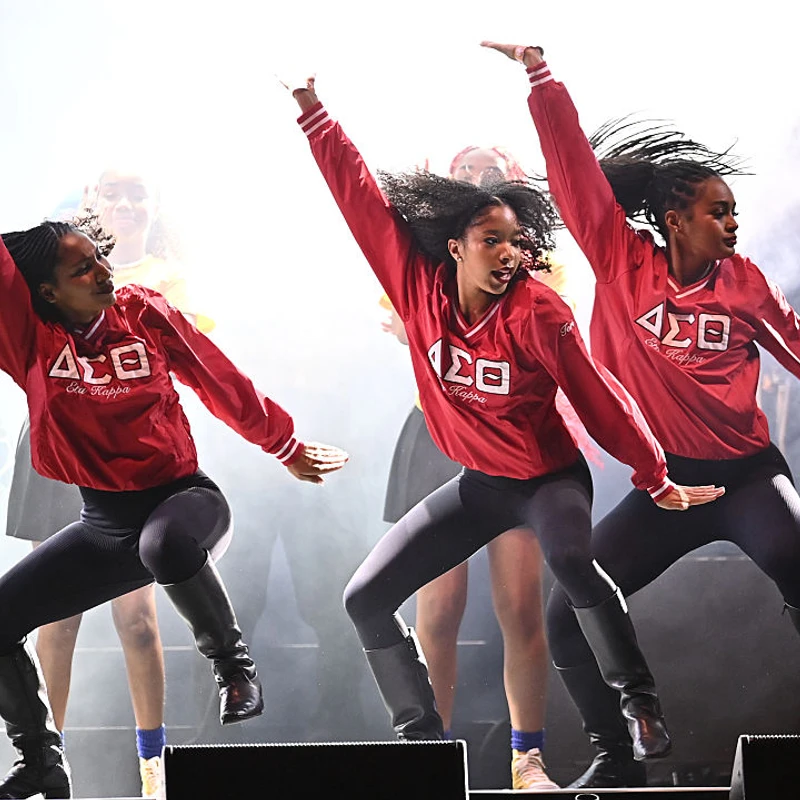
  • Student Orgs Fight Back Against DEI Funding Cuts

    Across college campuses nationwide, a battle is brewing. Universities are increasingly gutting funding and recognition for minority student organizations, often citing federal pressure and anti-DEI directives from the Trump administration. But students aren’t backing down – they’re fighting back against what they see as erasure and a dismantling of vital support structures.

    The University of Missouri’s Controversial Decision

    At the University of Missouri (Mizzou), the historic Legion of Black Collegians (LBC), the nation’s only Black student government, found itself stripped of its funding and university-sponsored status. This move, along with similar cuts to four other minority-focused groups, was framed by administrators as a compliance issue. However, for LBC president Amaya Morgan, it felt like a deliberate attempt to silence and marginalize Black students.

    Founded in 1968, the LBC has a long legacy of advocating for Black students’ rights and experiences on campus. It played a pivotal role in the 2015 movement that led to the resignation of the university president following racist incidents. Losing its university-sponsored status means the LBC may no longer have the required administrative engagement, potentially pushing their concerns ‘to the wayside.’

    Justification and Student Pushback

    University spokesperson Christopher Ave stated that the decision was made to comply with the Department of Justice’s new restrictions on DEI, referencing a memo that guides public institutions. Failure to comply, he warned, could risk significant federal funding. However, students quickly pointed out that the DOJ memo is guidance, not binding law.

    This isn’t the first time Mizzou has targeted the LBC. The university previously dissolved its Division for Inclusion, Diversity and Equity and attempted to force the LBC to rename its popular ‘Welcome Black BBQ’ event. When the LBC refused, the event was canceled altogether. The LBC expressed their frustration, stating the university is taking ‘calculated steps to push minority students further away.’

    A Wider Pattern: University of Alabama and Beyond

    This situation mirrors actions taken at other universities. Weeks prior, students at the University of Alabama filed a federal lawsuit challenging the suspension of their student-led Black and women-focused campus magazines, ‘Nineteen Fifty-Six’ and ‘Alice.’ The university also cited Attorney General Pam Bondi’s non-binding DEI memorandum as justification.

    Represented by the Legal Defense Fund (LDF), the ACLU of Alabama, and the Southern Poverty Law Center (SPLC), the students argue that suspending these publications constitutes viewpoint discrimination and violates the First Amendment. They emphasize that these magazines provide crucial spaces for exploring culture, building community, and reflecting on lived experiences, and silencing them sends a damaging message.

    The actions at Mizzou and Alabama are not isolated incidents but part of a broader pattern. While some institutions and corporations seem to be preemptively complying with anti-DEI pressures, the resilience and determination of young people fighting for their rights offer a refreshing counter-narrative. As the LBC put it, ‘This is the time to be loud, to fight, and to activate.’

    What are your thoughts on these university funding cuts impacting student organizations? Share your views in the comments below!