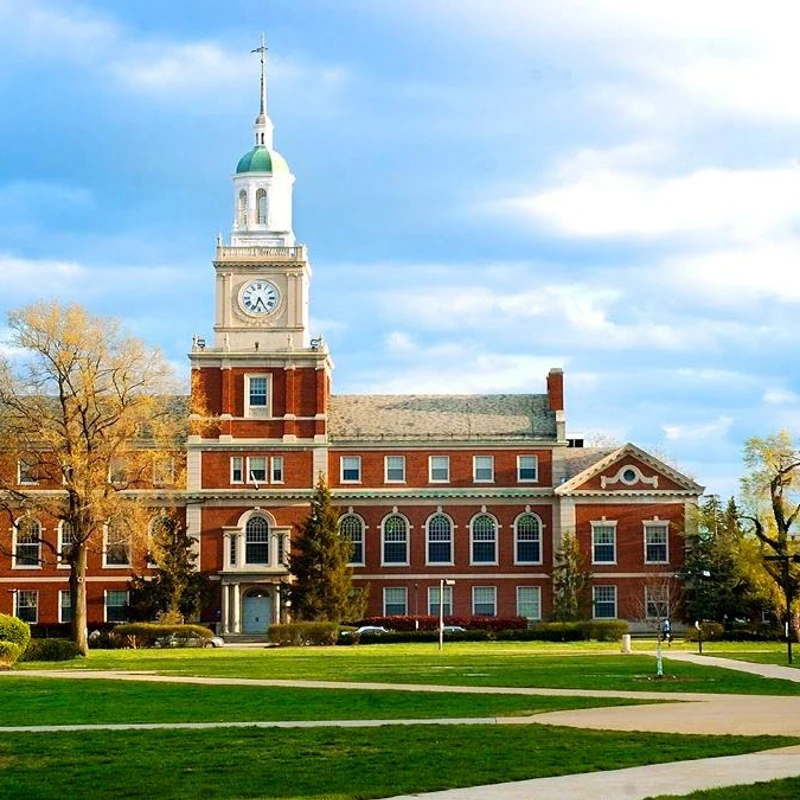
A significant development is underway in the world of higher education as 15 historically Black colleges and universities (HBCUs) have united to form the Association of HBCU Research Institutions (AHRI). This groundbreaking coalition aims to amplify research capabilities, increase access to federal funding, and propel more HBCUs toward the prestigious R1 research classification.
Strengthening HBCU-Led Research
AHRI’s core mission is to bolster HBCU-led research across critical areas impacting communities nationwide, including health, science, education, justice reform, agriculture, technology, and economic development. This initiative is a crucial step for HBCUs, which have historically produced vital research despite receiving a disproportionately smaller share of national research investments.
The coalition is designed to equip member institutions with the tools to enhance their research infrastructure, attract top faculty talent, expand research opportunities for students, and successfully compete for larger grants. Achieving higher research classifications can significantly influence how universities are perceived, funded, and supported, often leading to greater access to federal grants, corporate partnerships, and national academic influence.
Addressing Funding Disparities
The launch of AHRI comes at a time when discussions about equity in higher education and research funding are more critical than ever. A 2025 report highlighted a stark reality: HBCUs received only 0.91 percent of federal research and development expenditures in fiscal year 2023, despite representing 3.2 percent of all four-year degree-granting institutions. AHRI aims to directly address this disparity.
For HBCUs, increasing research capacity is also a matter of representation. More Black scholars, students, and communities will have the opportunity to shape the research questions, solutions, and policies that influence the nation.
Founding Members and Leadership
The founding members of AHRI represent a significant portion of HBCU research activity. They include Morgan State University, Clark Atlanta University, Delaware State University, Florida A&M University, Hampton University, Jackson State University, North Carolina A&T State University, Prairie View A&M University, South Carolina State University, Southern University, Tennessee State University, Texas Southern University, Virginia State University, the University of Maryland Eastern Shore, and Howard University. Notably, Howard University is the only HBCU currently holding the top R1 research designation, while many others possess R2 status (high research activity).
The coalition’s leadership includes Morgan State President David K. Wilson as the inaugural board chair, Prairie View A&M President Tomikia P. LeGrande as vice chair, and Howard University Interim President Wayne A. I. Frederick as interim president. This leadership team brings substantial experience and influence to the organization. AHRI will also partner with the Association of American Universities (AAU), with its offices co-located with AAU to foster closer collaboration.
Support for Research Infrastructure
A crucial boost for AHRI comes in the form of a three-year, $1.05 million grant from the Harvard & the Legacy of Slavery Initiative. This funding, along with technical support from Harvard’s Office of the Vice Provost for Research, will help member schools strengthen their research administration, compliance systems, grant processes, and overall infrastructure. This support is vital for addressing long-standing resource gaps and enabling HBCUs to compete effectively.
Why R1 Status Matters
The R1 classification signifies “very high research activity” and a robust doctoral research enterprise. For HBCUs, achieving this status means more than just prestige; it unlocks access to larger grants, fosters stronger partnerships, expands graduate programs, and creates new opportunities for students. Furthermore, increased research capacity can lead to significant economic benefits, including patents, startups, policy changes, and advancements in technology and workforce development.
HBCUs often focus on critical issues like health disparities, environmental justice, and education gaps that may be overlooked elsewhere. More funding for their research means more support for solutions grounded in the lived experiences of affected communities.
A New Era for HBCU Innovation
The formation of AHRI challenges outdated perceptions of HBCUs, highlighting their significant contributions to science, engineering, medicine, and policy. This coalition provides a unified platform for HBCUs to showcase their research prowess, secure necessary resources, and build lasting research strength. It sends a clear message to government agencies, corporations, and philanthropies that investing in HBCU research is an investment in national innovation and problem-solving.
The impact for students could be transformative, offering more lab opportunities, paid research positions, graduate school preparation, and clearer career pathways in high-demand fields where Black talent is often underrepresented. The inaugural AHRI research symposium, “Expanding the Research Mission of HBCUs,” marks the beginning of this ambitious journey, with future efforts focused on measurable outcomes like increased grant applications and expanded student opportunities.
What are your hopes for the future of HBCU research now that this coalition has launched? Share your thoughts in the comments below!
Leave a Reply