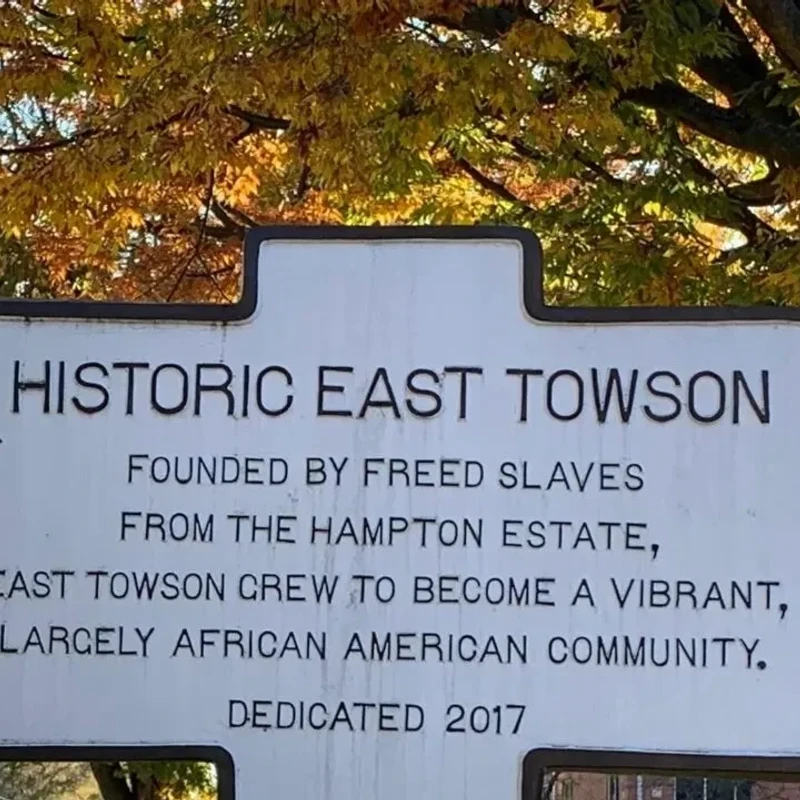
In East Towson, Maryland, a battle is brewing over land that holds deep historical significance. This historically Black community, founded by formerly enslaved people in the 1850s, is now fighting to protect its last remaining forest and wetlands from a proposed housing development. Residents argue this project threatens not only their environment but also generations of history and community preservation.
A Legacy Under Threat
East Towson stands as a powerful symbol of Black resilience and self-determination. However, recent development pressures are casting a shadow over this legacy. The proposed “Red Maple Place” project, a 56-unit affordable housing development, has already faced a temporary halt from the Maryland Department of the Environment due to state permit violations. For residents, this pause is a small victory in a much larger, ongoing struggle.
The development, planned for a mere 2.5 acres, could have significant environmental consequences. Advocates point out that it would drastically reduce the required forest buffer from 100 feet to just 25 feet. This reduction raises serious concerns about increased flooding and environmental degradation, especially in an area already susceptible to stormwater runoff. Residents like Martha Levene have already witnessed visible issues with drainage and standing water since early site clearing began.
Concerns Over Process and Impact
Beyond environmental worries, community members feel excluded from the decision-making process. Michele Yendall, a nearby resident, expressed concern about the structural integrity of her property’s support wall, which has shown changes since construction started. She also noted the lack of legally required public notices prior to construction, a concern seemingly supported by a Maryland Department of the Environment report detailing violations like missing stormwater permits and environmental plans.
State Sen. Mary L. Washington, representing the district, views this situation as part of a long-standing pattern of disproportionate development burdens on East Towson. She highlighted decades of infrastructure and housing projects since the 1960s that have reshaped the community, often at the expense of its residents, including the replacement of a Negro League baseball field with a utility substation. Washington stresses that protecting these natural areas is crucial not just for the community but also for the region, as they play a role in managing stormwater and protecting waterways feeding into the Chesapeake Bay.
Differing Perspectives on Development
The developer, Homes for America, maintains that the project followed all necessary approval channels and complied with permit requirements once notified. CEO Dana Johnson stated, “We believe that affordable housing builds community,” emphasizing the need for housing options for essential workers, seniors, and people with disabilities.
However, for many East Towson residents and advocates, the core issue isn’t the need for affordable housing itself, but rather its location and the potential cost to a community that has already endured significant loss. As Sen. Washington calls for greater public attention and environmental accountability, the fight for East Towson’s future hangs in the balance, questioning whether this historic Black community will continue to be preserved or further diminished.
What are your thoughts on the development in East Towson and the importance of protecting historic Black communities and their natural resources? Share your views in the comments below!
Leave a Reply