Tag: Maryland

  • Teen Stabbed Before Graduation: A Community Mourns

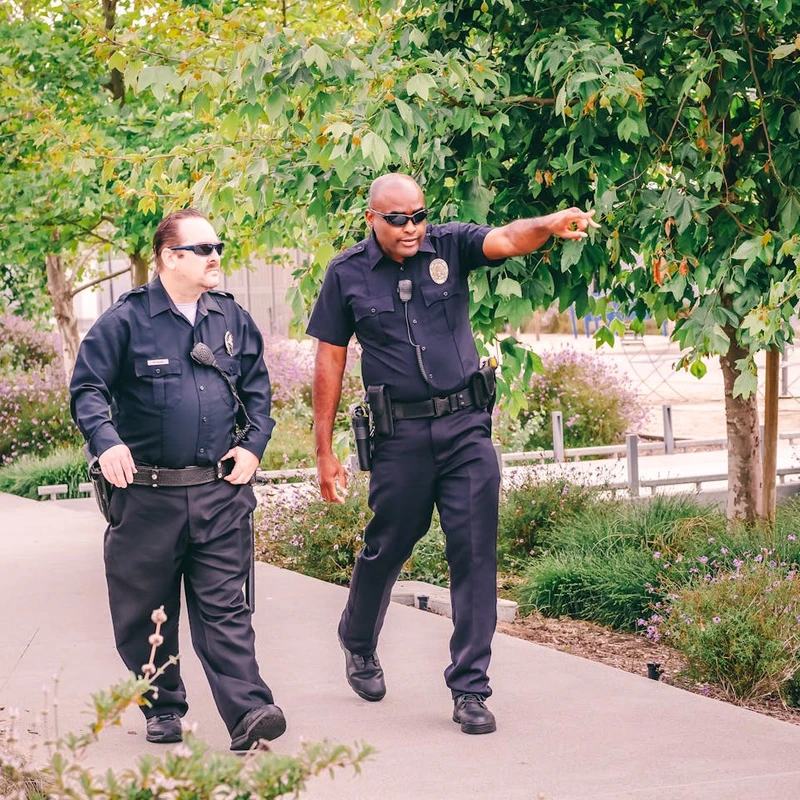
    Imagine the excitement of finishing high school, the pride of your family, and the anticipation of starting your next chapter. For 17-year-old Amari Clarke, this dream was shattered just weeks before his graduation day. A bright future, set to begin with trade school to become an elevator technician, was tragically cut short when he was fatally stabbed outside his home.

    A Life Full of Promise, Cut Short

    Amari was more than just a student; he was described by his grandmother as the “sweetest boy you’ve ever seen” with a “kind heart.” He was scheduled to graduate from Suitland High School on June 1st. His stepfather poignantly shared the heartbreak, stating, “I lost a 17-year-old. And that shouldn’t happen to no 17-year-old.”

    The senseless violence that claimed Amari’s life occurred outside the Marlow Towers Condominiums on St. Barnabas Road in Hillcrest Heights. According to his family, the assailant not only took Amari’s life but also stole his phone and shoes before fleeing the scene.

    Witness Accounts and a Plea for Justice

    Witnesses to the altercation described a brutal scene. One witness recounted seeing Amari on the ground, being repeatedly punched by an individual. Another witness urged the attacker to stop. The suspect was reportedly wearing a yellow shirt.

    As of now, no arrests have been made. The Prince George’s County Police Department is actively seeking information from the public and urges anyone who may have witnessed the incident or has any details related to Amari’s death to come forward. Justice for Amari and his grieving family is paramount.

    A Community in Mourning

    This heartbreaking incident casts a shadow over Prince George’s County, which has recently faced other tragedies. Just days before, a four-year-old girl tragically fell from a 10th-floor apartment building, marking the third such incident at the Seven Springs Apartments complex in less than a year. These events underscore the deep pain felt within the community.

    The loss of Amari Clarke is a profound tragedy. What are your thoughts on the rise of senseless violence affecting young people? Share your perspective in the comments below.

  • Marker Honors Black Boys at Maryland Reform School

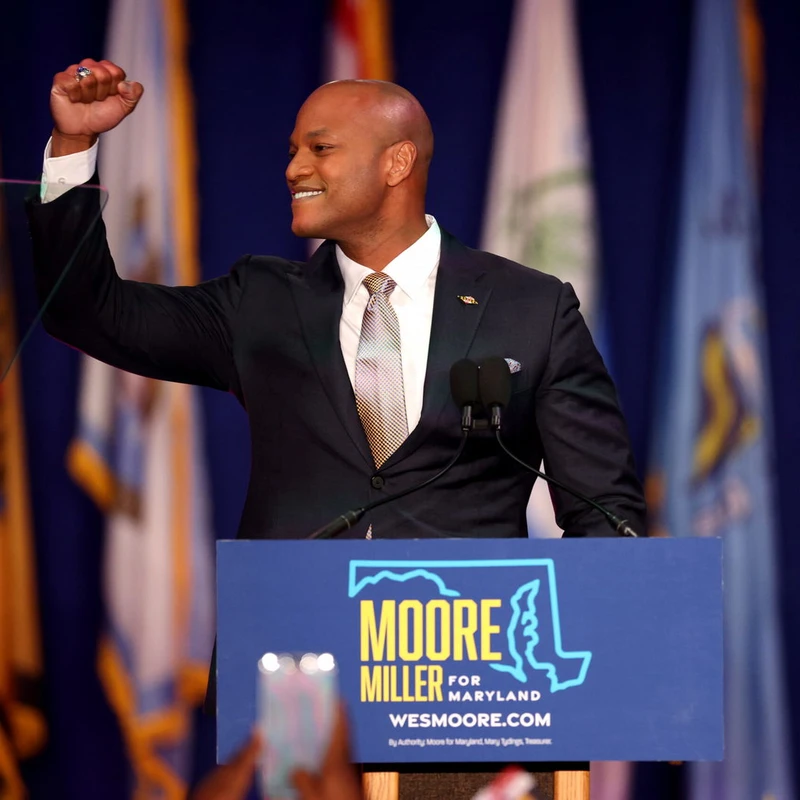
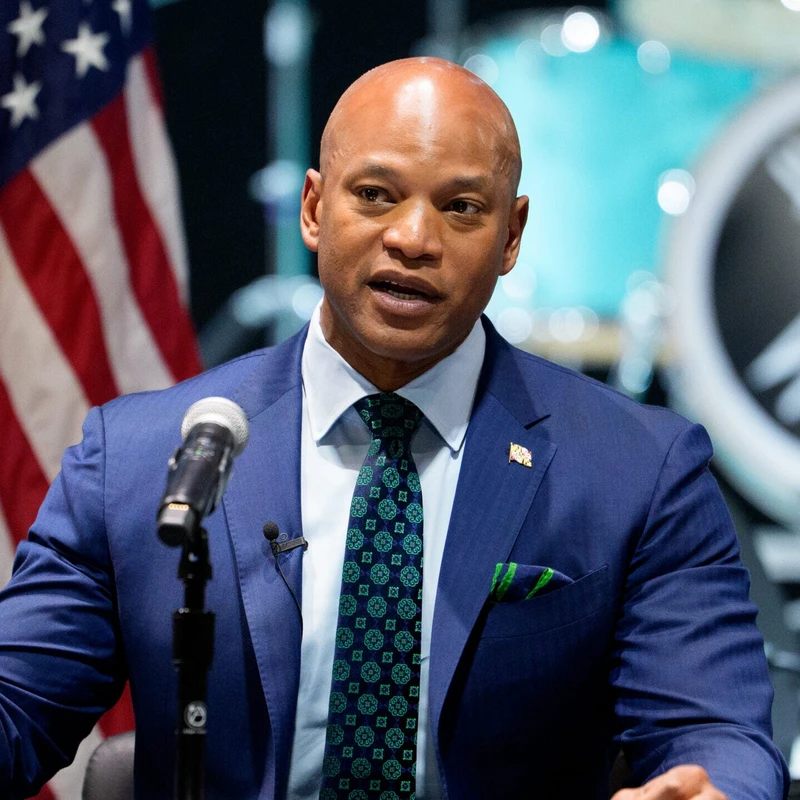
    Imagine a place where young lives were lost, their stories silenced, and their final resting places unmarked. That’s the somber reality of the House of Reformation and Instruction for Colored Children in Maryland. But on May 7, 2026, a significant step was taken to change that narrative when Governor Wes Moore unveiled a historical marker to honor the Black boys who were buried near this former segregated juvenile detention facility.

    This isn’t just about a marker; it’s about confronting a painful chapter of Maryland’s racial history. The House of Reformation, which operated in the late 19th and early 20th centuries, is now recognized as a site where many children endured abuse, neglect, and harsh conditions. Recent investigations have brought to light the disturbing evidence of unmarked graves connected to the institution, making this memorial a crucial act of remembrance.

    Uncovering Forgotten Stories

    Governor Moore, Maryland’s first Black governor, has consistently championed the effort to acknowledge and address the state’s difficult past. During the unveiling ceremony, he stressed the importance of remembrance and accountability, ensuring these young lives are no longer forgotten. This initiative is part of a larger movement across Maryland to document and publicly acknowledge the state’s history of racial injustice.

    The House of Reformation was established during the Jim Crow era as a segregated institution. Shockingly, many of the boys sent there weren’t convicted of serious crimes. Instead, they were institutionalized for minor offenses or social infractions, highlighting a systemic issue of disproportionate punishment.

    A Step Towards Healing and Transparency

    Researchers believe that over 200 children may have tragically died while in the custody of this facility. The unveiling of the historical marker is a powerful public acknowledgment of this long-overlooked tragedy. It reflects a growing national conversation about preserving Black history and ensuring that the experiences of historically marginalized communities are recognized and included in our collective memory.

    Maryland lawmakers are also actively involved, proposing legislation to further investigate the site and support memorialization efforts. Advocates see this marker as a vital step towards healing and a testament to the resilience of communities seeking truth and justice.

    Why This Matters

    This event is more than just historical commemoration; it’s a vital part of understanding how systemic racism has impacted lives for generations. By bringing these stories to light, Maryland is setting an example for how to confront uncomfortable truths and work towards a more equitable future. It’s a reminder that every life has value and deserves to be remembered.

    What are your thoughts on this important historical marker and the ongoing efforts to uncover and preserve Black history? Share your perspective in the comments below!

  • Maryland Limits Rap Lyrics in Court Cases

    In a significant move for artistic freedom and criminal justice reform, Maryland has passed a new law that restricts how prosecutors can use rap lyrics as evidence in criminal cases. This groundbreaking legislation, known as the PACE Act, makes Maryland the third state to enact such protections, joining California and Louisiana.

    What the PACE Act Means for Artists

    The Protecting Artists’ Creative Expression (PACE) Act, passed on April 9th, sets stricter standards for admitting lyrics and other creative works into court. Before lyrics can be used, a judge must determine they meet specific criteria. Crucially, prosecutors must prove the lyrics were intended as literal statements directly related to the case and are material to a disputed fact.

    This law doesn’t outright ban the use of rap lyrics, but it significantly raises the bar for prosecutors. They must now demonstrate, by a preponderance of the evidence, that the creative expression is relevant and not merely used to prejudice a jury against the defendant. This is a major victory for artists whose work has often been misinterpreted or weaponized in legal proceedings.

    A Growing National Movement

    The passage of the PACE Act is part of a larger, nationwide effort to address concerns that using rap lyrics in court can unfairly bias juries and undermine free speech. High-profile cases involving artists like Young Thug and Lil Durk, where lyrics were included in indictments, have brought this issue to the forefront.

    Harvey Mason Jr., CEO of the Recording Academy, hailed the law as an “important victory for music creators,” stating that “silencing any genre or form of artistic expression is an attack on creative freedom.” Music industry veteran Kevin Liles, a key advocate for the Maryland bill through the Free Our Art campaign, expressed hope that this success will inspire other states, with New York being the next target.

    As a kid growing up in Baltimore, music found me and hip-hop saved my life. When this bill is signed, we’re turning our attention to New York State next, and we hope to have two bills passed this year. — Kevin Liles

    With federal legislation also having been introduced multiple times, the movement to protect artists’ creative expression in the courtroom is gaining significant momentum across the country.

    What are your thoughts on using rap lyrics in court? Do you think this law will set a precedent? Share your views in the comments below!

  • Homeowner Accused of ICE Tip-Off; Agents Deny Caller Involvement

    A controversial incident in Maryland has ignited a firestorm on social media, with a homeowner accused of reporting Guatemalan contractors to U.S. Immigration and Customs Enforcement (ICE). However, ICE agents are now stating that the enforcement operation was targeted and not initiated by a tip from the homeowner, complicating the narrative and drawing criticism towards both parties.

    The Viral Video and Allegations

    The controversy gained traction after a video, recorded by one of the workers, Bryan Polanco, circulated online. The footage shows ICE agents arresting a group of workers at a Cambridge home remodeling site. Polanco, speaking in Spanish, expressed the shock of experiencing such an event firsthand, noting the difference between seeing videos and living through it.

    Adding another layer to the situation, reports suggest the homeowner may owe the workers approximately $10,000 for their three-day job. Under Maryland state law, withholding wages after inducing consent through threats or wrongful use of law enforcement notification can lead to legal consequences. This detail has fueled further outrage against the homeowner.

    ICE’s Official Statement

    Despite the widespread accusations against the homeowner, an ICE official has refuted the claim that the operation stemmed from an internal tip. According to TMZ, the spokesperson described the March 23 event as a “targeted enforcement operation” resulting in the arrest of six individuals with alleged final orders of removal or prior convictions for illegal reentry.

    The ICE spokesperson further stated that the individuals “refused to comply with lawful orders, taunted officers and attempted to flee” before being taken into custody. The agency also promoted its voluntary departure program, encouraging undocumented immigrants to “take control of their departure” with incentives like financial assistance and flights.

    Social Media Reacts

    Regardless of the official account, the social media backlash has been intense. Comment sections have been flooded with criticism directed at both the homeowner and ICE agents. Users expressed hopes that the homeowner would find no peace, while others imagined retaliatory actions, like undoing the completed work, had they been in the workers’ position.

    • A Maryland homeowner is accused of calling ICE on Guatemalan contractors.
    • A viral video shows ICE agents arresting workers at a job site.
    • Reports suggest the homeowner may owe the workers $10,000, potentially violating state law.
    • ICE claims the operation was targeted and not initiated by a tip from the homeowner.
    • The agency stated those arrested had final orders of removal or prior convictions.
    • The incident has sparked significant backlash on social media.

    This incident highlights the complex and often contentious issues surrounding immigration enforcement, labor disputes, and the role of social media in shaping public opinion. The conflicting accounts leave many questions unanswered, but the emotional response online underscores the deep divisions on these sensitive topics.

    What are your thoughts on this controversial incident? Do you believe the homeowner’s alleged actions or ICE’s official statement? Share your perspective in the comments below!

  • Maryland Black Community Fights Wetlands Development

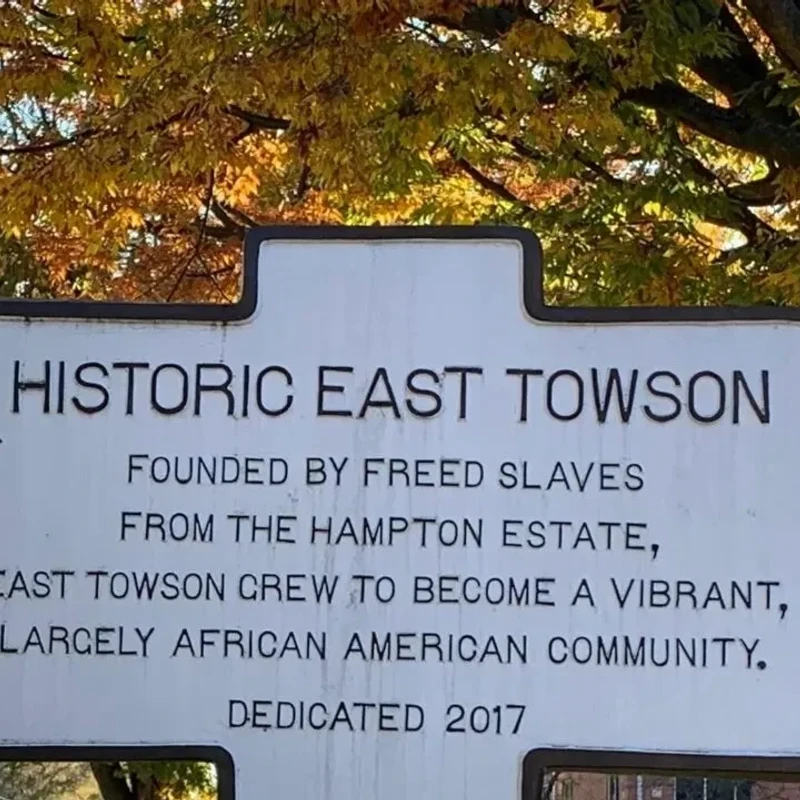
    In East Towson, Maryland, a battle is brewing over land that holds deep historical significance. This historically Black community, founded by formerly enslaved people in the 1850s, is now fighting to protect its last remaining forest and wetlands from a proposed housing development. Residents argue this project threatens not only their environment but also generations of history and community preservation.

    A Legacy Under Threat

    East Towson stands as a powerful symbol of Black resilience and self-determination. However, recent development pressures are casting a shadow over this legacy. The proposed “Red Maple Place” project, a 56-unit affordable housing development, has already faced a temporary halt from the Maryland Department of the Environment due to state permit violations. For residents, this pause is a small victory in a much larger, ongoing struggle.

    The development, planned for a mere 2.5 acres, could have significant environmental consequences. Advocates point out that it would drastically reduce the required forest buffer from 100 feet to just 25 feet. This reduction raises serious concerns about increased flooding and environmental degradation, especially in an area already susceptible to stormwater runoff. Residents like Martha Levene have already witnessed visible issues with drainage and standing water since early site clearing began.

    Concerns Over Process and Impact

    Beyond environmental worries, community members feel excluded from the decision-making process. Michele Yendall, a nearby resident, expressed concern about the structural integrity of her property’s support wall, which has shown changes since construction started. She also noted the lack of legally required public notices prior to construction, a concern seemingly supported by a Maryland Department of the Environment report detailing violations like missing stormwater permits and environmental plans.

    State Sen. Mary L. Washington, representing the district, views this situation as part of a long-standing pattern of disproportionate development burdens on East Towson. She highlighted decades of infrastructure and housing projects since the 1960s that have reshaped the community, often at the expense of its residents, including the replacement of a Negro League baseball field with a utility substation. Washington stresses that protecting these natural areas is crucial not just for the community but also for the region, as they play a role in managing stormwater and protecting waterways feeding into the Chesapeake Bay.

    Differing Perspectives on Development

    The developer, Homes for America, maintains that the project followed all necessary approval channels and complied with permit requirements once notified. CEO Dana Johnson stated, “We believe that affordable housing builds community,” emphasizing the need for housing options for essential workers, seniors, and people with disabilities.

    However, for many East Towson residents and advocates, the core issue isn’t the need for affordable housing itself, but rather its location and the potential cost to a community that has already endured significant loss. As Sen. Washington calls for greater public attention and environmental accountability, the fight for East Towson’s future hangs in the balance, questioning whether this historic Black community will continue to be preserved or further diminished.

    What are your thoughts on the development in East Towson and the importance of protecting historic Black communities and their natural resources? Share your views in the comments below!

  • Maryland Ends Foster Youth Hotel Stays After Teen’s Death

    In a significant move prompted by a heartbreaking tragedy, Maryland has officially ended the practice of housing foster youth in hotels. This decision comes after the devastating death of 16-year-old Kanaiyah Ward, whose suicide in a Baltimore hotel highlighted critical failures in the state’s child welfare system.

    A Deadline Met After Tragic Loss

    The Maryland Department of Human Services announced on November 24th that all foster children have been removed from hotel placements across the state. This fulfills a deadline set in October by Human Services Secretary Rafael López, just weeks after Ward’s death.

    Lillian Price, a spokeswoman for the department, confirmed that no youth are currently staying in hotels, shelters, or offices. When the current administration took office, over 40 youth were residing in hotels, making the end of this practice a top priority.

    The Tragic Case of Kanaiyah Ward

    Kanaiyah Ward, who had been in foster care for several years, died by suicide on September 22nd. Records indicate her assigned chaperone was told by other staff that Ward was a “heavy sleeper” when she couldn’t be woken for school. The chaperone left the hotel, only to return hours later to find Ward unresponsive.

    An autopsy revealed Ward died by suicide, with an empty bottle of diphenhydramine (the active ingredient in Benadryl) found near her. Her family’s attorney, Thomas Doyle, stated that Ward struggled with mental health but came from a loving home and that her relatives had been actively trying to get her out of the hotel placement.

    Demands for Accountability and Systemic Change

    Ward’s family and their attorney are demanding answers and accountability, emphasizing the urgent need for systemic change within the foster care system. “If we’re not protecting the children, then we’re all failing,” Doyle stated, highlighting the moral imperative to safeguard vulnerable youth.

    In response to the tragedy, Secretary López issued a directive prohibiting hotels as placements for youth. The department has been working to reduce reliance on unlicensed settings since 2023, including improving data systems to better track placements.

    Between fiscal years 2023 and 2024, at least 280 Maryland foster youth spent time in hotels. All children previously in these settings have now been moved to licensed accommodations, such as kinship caregivers, foster homes, and congregate care facilities.

    The work is far from over. We will not rest until every child in our state is safe, residing in a permanent home and surrounded by loving family. — Lillian Price, Maryland Department of Human Services spokeswoman

    What are your thoughts on the changes being made in Maryland’s foster care system? Share your views in the comments below!

  • Maryland Sisters Fight to Reclaim Ancestral Land

    In the heart of Potomac, Maryland, a powerful story of resilience and determination is unfolding. The Gasaway sisters—LaTisha Gasaway-Paul, Teresa Gasaway-Gleaton, and LaTrice Gasaway-Johnson—are leading a bold fight to reclaim ancestral land that was unjustly taken from their family. Their mission is not just about recovery; it’s about building economic power, fostering community coalitions, and creating a vision for affordable housing rooted in their history.

    A Legacy of Ownership Stripped Away

    The story begins in the late 19th century with William Dove, a man born into slavery who made an extraordinary investment in his family’s future by purchasing 36 acres of land for $210. Though he didn’t live to see its full impact, his descendants understood the profound meaning of his choice. Tragically, over time, this land was systematically stripped away through eminent domain and discriminatory practices that routinely dispossessed Black landowners. By the time Dove’s great-great-granddaughters were born, every acre had been absorbed by Montgomery County and private developers.

    Raised on the stories of this injustice, the Gasaway sisters heard the pain in their grandmother’s voice but also her unwavering determination. They promised not to forget, and that promise has transformed into a powerful mission. Today, they are not only running Montgomery County’s largest Black-owned childcare company but also hosting the region’s most significant Juneteenth festival, drawing thousands since 2021.

    Economic Power as a Foundation

    Their most ambitious endeavor is a plan to reclaim county-owned parcels that once belonged to William Dove, with the goal of developing affordable homes for families descended from those who were displaced. It’s a lofty undertaking, but their approach is steady and intentional. Teresa Gasaway-Gleaton emphasized the strategic advantage of their business success: ‘The business has given us something our ancestors didn’t have: economic power.’

    Revenue generated from their childcare company fuels their Juneteenth festival and supports their long-term fight for the land. The sisters live by the philosophy that ‘ownership is power,’ a principle passed down from William Dove, who, despite losing his land, showed them the true value of having a stake in their future. This philosophy guides their work in Scotland, a historic Black settlement in Montgomery County, aiming to reverse the cycle of erasure that has plagued so many similar communities.

    A Vision for the Future

    LaTrice Gasaway-Johnson envisions homes on the reclaimed land that reflect the community’s identity: ‘This won’t look like every other development. It will look like us.’ Their advocacy has gained traction, earning recognition from Montgomery County leaders, Governor Wes Moore, Congressman Jamie Raskin, and Senator Angela Alsobrooks. However, progress hasn’t come easily; it’s the result of years of persistent meetings and meticulous planning.

    ‘Let me be clear: it isn’t easy, and it isn’t a handout,’ Teresa noted. ‘We’re fighting this fight every single day. But we’re powered by attorneys, architects, and our village, and we’re one step closer.’ Their Juneteenth festival has become a crucial tool for community mobilization, fostering a sense of collective power. This year, they united over a dozen historic Black communities for what they believe is the first ‘Kinship Communities Dinner,’ highlighting the shared struggles and the immense strength found in collaboration.

    Our great-great-grandfather invested $210 in our future. We’re investing everything—our time, our resources, our very beings—in making sure his investment pays dividends for generations to come. — LaTisha Gasaway-Paul

    What are your thoughts on the Gasaway sisters’ fight to reclaim their ancestral land? How important is it to preserve and rebuild historic Black communities? Share your views in the comments below!

  • Gov. Moore Challenges Trump on Redistricting

    Maryland Governor Wes Moore is making a bold move to counter what he describes as a ‘redistricting scheme’ influenced by former President Donald Trump and Republican leaders. By establishing a bipartisan commission, Moore aims to draw ‘fair maps’ in Maryland, potentially challenging the state’s sole Republican congressional seat and pushing back against partisan gerrymandering efforts seen in other states.

    Challenging the Status Quo

    During an appearance on “Face the Nation with Margaret Brennan,” Governor Moore questioned the fairness of playing by different rules than states like Texas, Florida, and Ohio, which have been accused of partisan redistricting. He emphasized Maryland’s commitment to fighting back, stating, “I want this bipartisan commission to be able to actually speak with the people and to be able to go through their process and just simply say that if other states are going to go through this process, that we’re not just going to sit on our hands because Donald Trump tells us to.”

    Moore announced the formation of the commission in early November 2025, with the explicit goal of creating ‘fair maps.’ This initiative stands in contrast to actions taken by Republican-led states, such as Texas in July 2025, which redrew districts to favor the GOP, prompting Democratic leaders to protest by leaving the state to avoid a vote.

    Navigating Legal and Political Hurdles

    Maryland law typically assigns the drawing of congressional maps to the state Assembly, which is dominated by Democrats. For Moore’s plan to move forward, he would need to convene a special session of the Assembly. The commission itself is chaired by Maryland Senator Angela Alsobrooks and includes key figures like Senate President Bill Ferguson, Maryland House Speaker Adrienne A. Jones, former Attorney General Brian Frosh, and Cumberland Mayor Raymond Morriss.

    However, the redistricting effort faces internal opposition. Senate President Bill Ferguson has expressed concerns about the legal risks and potential negative consequences for Democrats, citing these in a letter. He argued that mid-cycle redistricting presents “catastrophic” downside risks and could undermine the certainty of the existing map. Despite these concerns, Moore maintains that preserving democracy requires bold action.

    A Call for Democratic Preservation

    Moore views the current political climate as one demanding urgency and a willingness to fight. He stated, “Where we differ is the urgency that this moment requires, the fight that this moment requires. And I personally am someone who is not going to allow Donald Trump to determine whether or not Maryland follows this idea of saying, are we going to do everything we can to make sure we’re preserving our democracy.” This stance echoes a broader trend, seen in California’s Proposition 50, where voters approved giving the state Legislature control over congressional maps until an independent commission takes over in 2030.

    What are your thoughts on Governor Moore’s decision to form a redistricting commission? Do you believe it’s a necessary step to protect democracy? Share your views in the comments below!

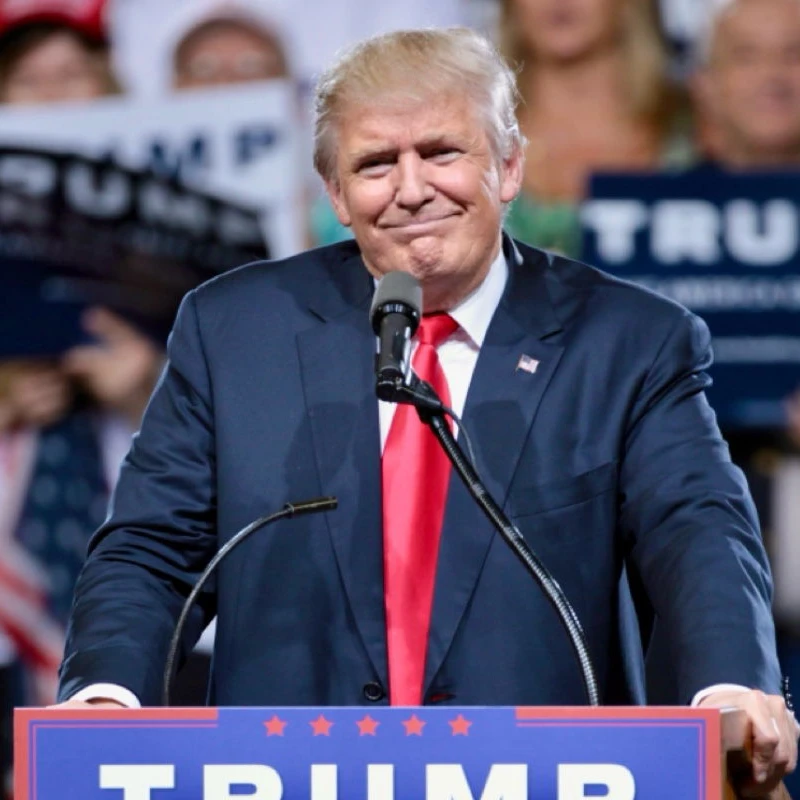
  • Trump Booed at NFL Game: A Divided Reception

    In a moment that captured the nation’s attention, President Donald Trump made a rare appearance at a regular-season NFL game, becoming the first sitting president in nearly 50 years to do so. However, his presence at the Washington Commanders vs. Detroit Lions game on Sunday, November 9, 2025, was met with a chorus of boos from a significant portion of the crowd.

    A Divided Reception for the Commander-in-Chief

    The Commanders ultimately lost to the Lions with a score of 44-22, but the game’s narrative was heavily influenced by Trump’s attendance. Loud jeers echoed through the stadium during the first half when Trump was shown on the videoboard alongside House Speaker Mike Johnson. These boos resurfaced with even more intensity during halftime when he was formally introduced and led a brief military oath ceremony.

    Trump, who arrived late in the first half after landing at Joint Base Andrews, commented on the situation to reporters, referencing the ongoing government shutdown and stating, “The country’s doing well. The Democrats have to open it up.” His remarks, however, did little to quell the audible disapproval from many attendees.

    Social Media Reacts to the Boos

    The incident quickly sparked widespread discussion on social media platform X (formerly Twitter). Political figures like Jasmine Crockett weighed in, with one tweet suggesting, “Thank you to each person at the game that understood the assignment.” Others humorously noted the intensity of the boos, with one user tweeting, “That boo had surround sound 💀 even the popcorn joined in.”

    Athletes’ Subtle and Overt Responses

    The divided sentiment wasn’t limited to the stands. Before Trump’s arrival, Lions receiver Amon-Ra St. Brown celebrated a touchdown by performing the viral “Trump dance,” a gesture that had gained popularity among athletes. St. Brown later commented that he decided to “have some fun” knowing the president would be in attendance, acknowledging the rarity of such a presidential visit.

    Lions coach Dan Campbell and quarterback Jared Goff offered more diplomatic responses, acknowledging the significance of the President’s presence. Goff recalled seeing Trump’s plane fly low over the stadium, calling it “awesome that he was here.”

    A Pattern of Sports Appearances

    Trump departed before the game concluded, continuing a pattern of appearances at major sporting events. This visit followed his attendance at the Ryder Cup, Daytona 500, and the U.S. Open, as well as becoming the first sitting president to attend a Super Bowl earlier in the year. He also took the opportunity to praise plans for a new Commanders stadium, expressing enthusiasm for the redevelopment project.

    What do you think about the crowd’s reaction to President Trump’s appearance at the NFL game? Share your thoughts in the comments below!

  • Maryland Speed Cameras: Fines Up to $425

    Drivers in Maryland, take note! A new law that went into effect on October 1st has significantly increased the potential cost of speeding. If you’re caught by a speed camera exceeding the limit, you could be looking at a fine as high as $425. It’s a stark change from the previous flat $40 ticket, so it’s crucial to be aware of these new penalties.

    Understanding the New Fine Structure

    The fines now vary based on how much you’re speeding. While exceeding the limit by up to 15 mph still results in a $40 ticket, the costs escalate quickly. Driving 16-19 mph over the limit will cost you $70, and going 20-29 mph over incurs a $120 fine. Push it further to 30-39 mph over, and you’re facing a $230 fine.

    The most significant jump is for those caught traveling 40 mph or more over the posted speed limit – that will land you with a hefty $425 ticket. This tiered system is part of Maryland’s effort to crack down on “super speeders,” drivers who frequently or significantly exceed speed limits and pose a greater risk to public safety.

    Safety and Responsibility

    Lawmakers emphasize that the rationale behind these increased fines is simple: higher speeds lead to more severe injuries. Montgomery County Executive Marc Elrich stated, “The math is simple; the higher the speeds, the higher the injury, whether you’re in a car, walking, or riding a bike.” The cameras capture images of speeding vehicles and automatically send tickets to the registered owner, meaning you might not even know you’ve been ticketed until it arrives in the mail.

    It’s also important to remember that vehicle owners are responsible for fines incurred, even if they lent their car to someone else. This underscores the importance of ensuring anyone driving your vehicle is aware of and adheres to traffic laws. Furthermore, a separate law enacted last month increased penalties for reckless driving, defined as going at least 30 mph over the speed limit, which can now result in jail time, significant fines, and license points.

    These new speed camera fines in Maryland are substantial. How do you feel about these increased penalties? Do you think they will encourage safer driving? Share your thoughts in the comments below!