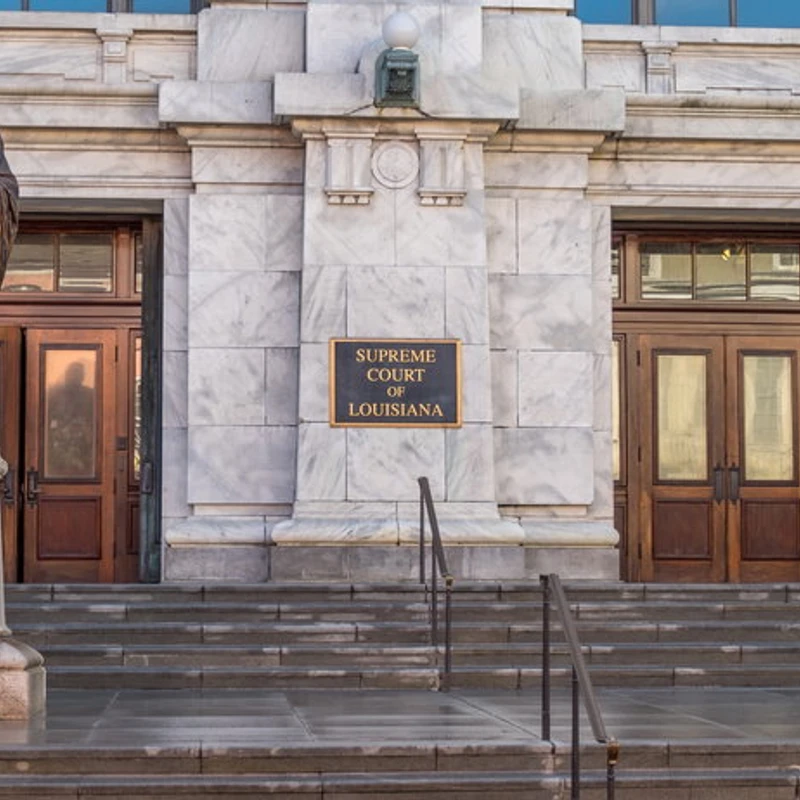
In a landmark decision that could reshape political representation, the Supreme Court has struck down a majority Black congressional district in Louisiana. The ruling, issued on April 29, significantly weakens Section 2 of the Voting Rights Act of 1965, a law originally designed to ensure minority representation in government.
The Louisiana v. Callais Case
The case, Louisiana v. Callais, centered on the state’s Sixth Congressional District, currently represented by Democratic Rep. Cleo Fields. The conservative majority on the court, in a 6-3 decision, deemed the district an “unconstitutional gerrymander.” Justice Samuel Alito, writing for the majority, argued that the district’s racial basis was improper, with Chief Justice John Roberts describing its shape as a “snake” connecting disparate areas across the state.
This decision challenges the very foundation of the Voting Rights Act, which has been instrumental in increasing minority representation since its passage 60 years ago. While President Lyndon B. Johnson hailed the act as a “triumph for freedom,” today’s conservative justices appear to hold a different view.
Dissenting Opinions and Future Implications
Liberal justices strongly dissented, with Justice Elena Kagan stating the court’s decision “gutting of Section 2 puts that achievement in peril.” Leaders from Black Voters Matter echoed this sentiment, calling the ruling an “allegiance to the white supremacist’s movement” and a step back towards an era where constitutional rights are not equally applied.
While the ruling may not immediately affect this year’s congressional races due to filing deadlines, Louisiana Gov. Jeff Landry has already announced plans to suspend the May 2026 primary elections to allow for the creation of a new congressional map. This suggests a swift move to capitalize on the court’s decision, potentially impacting future elections and minority representation.
Reactions and Political Divide
The decision has drawn sharp reactions. Conservatives, including some Black Republicans, celebrated the ruling. Rep. Josh Williams of the Ohio State House, who represents a majority-white district, called the idea of special districts for Black Americans “complete nonsense” and “blatantly unconstitutional.” The White House also issued a statement commending the court, calling it a “complete and total victory for American voters” and an end to the “unconstitutional abuse of the Voting Rights Act.”
Conversely, organizations like Black Voters Matter view this as a deliberate effort to increase and enshrine white political power, drawing parallels to the Dred Scott decision. The ruling highlights the deep political and ideological divide surrounding voting rights and representation in the United States.
What are your thoughts on the Supreme Court’s decision regarding Louisiana’s congressional district? How do you think this ruling will impact future elections and minority representation? Share your views in the comments below!
Leave a Reply