Tag: Louisiana

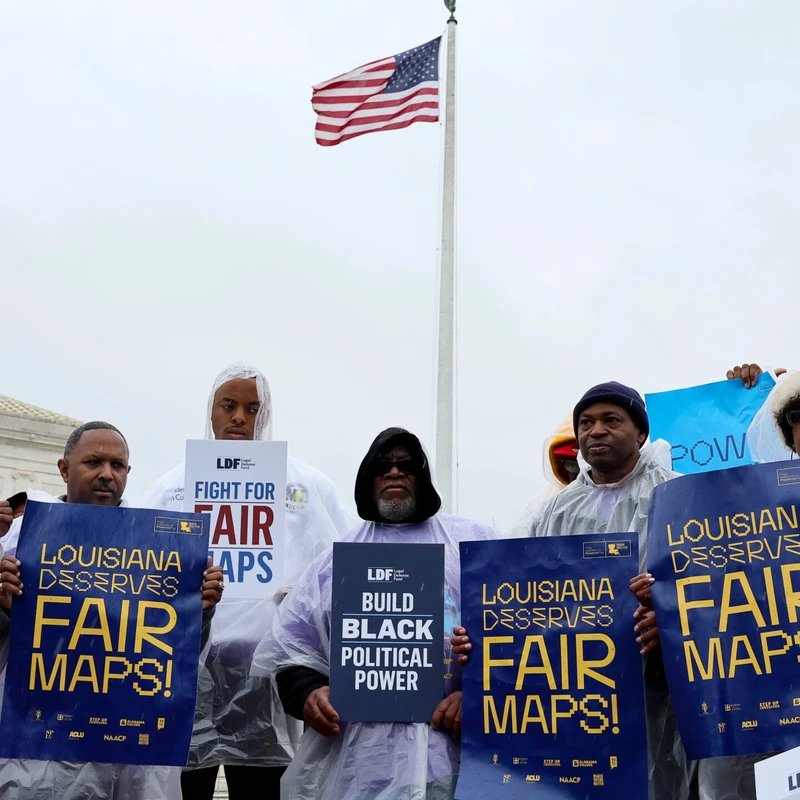
  • Louisiana Redistricting: Black Congressional Seat at Risk

    A significant political battle is unfolding in Louisiana as Republican lawmakers push forward with a new congressional map that could drastically alter the state’s representation. This proposed map threatens to eliminate one of the state’s two majority-Black congressional districts, raising serious concerns about voting rights and the future of Black representation in Congress.

    The Impact of a Supreme Court Ruling

    This contentious redistricting effort comes on the heels of a recent Supreme Court ruling in *Louisiana v. Callais*. The decision struck down the state’s previous map, deeming it an unconstitutional racial gerrymander. Crucially, the ruling also made it significantly harder to prove future Voting Rights Act claims, effectively opening the door for states like Louisiana to redraw maps in ways that could diminish Black representation.

    Following the ruling, Louisiana’s Republican Governor Jeff Landry moved swiftly to suspend primary elections. This move, coupled with the advancement of the new map by the state Senate, signals a determined push to reshape the congressional delegation before the upcoming midterms. The proposed map could shift the state’s congressional advantage from a 4-2 Republican split to a formidable 5-1.

    A Fight for Two Black Districts

    The current map protects two majority-Black districts, represented by Democratic Congressmen Troy Carter (anchored in New Orleans) and Cleo Fields (representing a district that includes Baton Rouge). The new proposal preserves Carter’s seat but significantly alters Fields’ district, potentially forcing both Black Democrats into the same district and setting up a member-versus-member primary.

    Republicans reportedly rejected a plan that would have maintained both Democratic seats and chose not to consider a proposal that would have eliminated both. This strategic advancement of a map that targets one specific district highlights the political maneuvering at play. The map still needs a full Senate vote and approval from the state House to become law.

    If you tell me that I got to jump a certain height, I could probably do that. Tell me I got to run a certain distance, I could probably do that too. But if you tell me I have to be white to serve in Congress from Louisiana, I can’t do nothing about that. — Rep. Cleo Fields

    This situation underscores the ongoing struggle for equitable representation. As Black legislators and civil rights advocates across the South resist these changes, the fight for fair maps and the protection of the Voting Rights Act continues. This is the third set of congressional maps Louisiana has drawn since the last census, indicating the contentious nature of redistricting in the state.

    What are your thoughts on the Louisiana redistricting map and its potential impact on Black representation? Share your views in the comments below!

  • Shreveport Mourns 8 Children Lost in Tragic Shooting

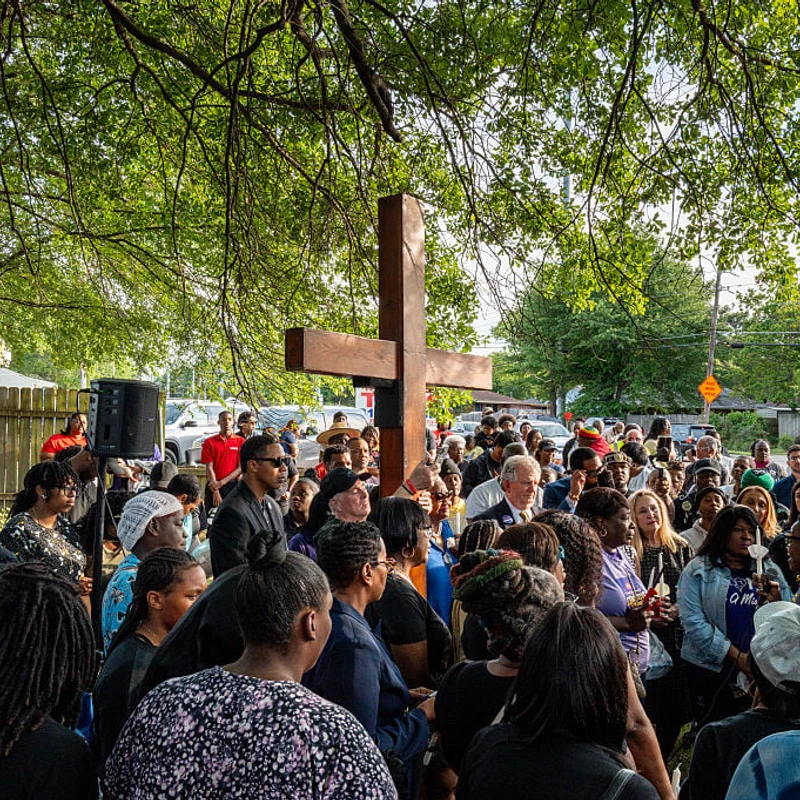
    Imagine a community grappling with unimaginable loss. This past Mother’s Day weekend, the heart of Shreveport, Louisiana, was heavy with sorrow as residents came together for the funeral of eight precious children, victims of a horrific shooting spree that shook the nation.

    A Community’s Grief and Solidarity

    The service, held at Summer Grove Baptist Church, was a somber testament to the profound tragedy. Dignitaries like Shreveport Councilwoman Tabatha Taylor, Councilman James Green, Mayor Tom Arceneaux, and former U.S. Rep. Gabby Giffords were present, standing in solidarity with the grieving community. The sight of eight small white caskets, adorned with gold crowns and white flowers, each bearing a photo of the child they represented, was a stark and heartbreaking reminder of the lives lost.

    In a gesture of national mourning, Louisiana Governor Jeff Landry ordered flags to be flown at half-staff for a full week, a poignant tribute to the young lives tragically cut short. Pastor and gospel singer Kim Burrell offered words of comfort and faith, reminding attendees that even in the face of such devastation, hope can endure.

    The Devastating Details of the Tragedy

    This incident marked the deadliest mass shooting in the U.S. since 2024, sending shockwaves far beyond Shreveport. The perpetrator, identified as 31-year-old Shamar Elkins, tragically killed seven of his own children, whose ages ranged from three to 11. An eighth child, a cousin or family friend attempting to help, was also killed while trying to escape the violence.

    The violence didn’t stop there. Elkins also shot his wife, 34-year-old Shaneiqua Pugh, who was reportedly planning to divorce him, and another woman, identified as his girlfriend. Both women sustained serious injuries. Tragically, another child managed to survive by jumping from a roof.

    This is not a freaking joke. This is real, and this is the result when someone snaps. — Shreveport Councilwoman Tabatha Taylor

    A Call to Action Against Domestic Violence

    Authorities are investigating this horrific event as a case of domestic violence, a stark reminder of the devastating consequences when such issues are not addressed. Councilwoman Taylor passionately urged the community to take domestic violence seriously, emphasizing its real and deadly impact. She highlighted the urgent need for community support, including mental health resources, to help navigate such profound grief and prevent future tragedies.

    The shooter, Shamar Elkins, died following a police pursuit, with investigations ongoing into whether his death was a result of police action or self-inflicted. The community’s plea is clear: we must confront domestic violence head-on and provide the necessary support systems to protect families and children.

    What are your thoughts on the impact of domestic violence in our communities? Share your perspective in the comments below.

  • Essence Fest: Calls to Leave New Orleans Grow

    A significant debate is brewing around the future of the Essence Festival of Culture. Following a controversial U.S. Supreme Court decision regarding Louisiana’s congressional districts, some prominent voices are calling for the iconic festival to leave its longtime home in New Orleans.

    Supreme Court Ruling Sparks Relocation Calls

    The Supreme Court recently overturned a lower court’s order that would have mandated a second Black-majority congressional district in Louisiana for the 2024 elections. This ruling allows the state to proceed with a redistricting map that critics argue dilutes the voting power of Black residents. This decision has ignited outrage and prompted calls for economic action, including boycotts.

    Online figure Damian Wheeler and Baltimore Mayor Brandon Scott are among those advocating for the festival’s relocation. They believe the festival should move to a state that better “respects Black voices.” Mayor Scott directly appealed to Essence, suggesting Baltimore as a potential new home, even referencing the possibility of hosting both the CIAA and Essence Festival.

    Economic Impact vs. Political Concerns

    The Essence Festival is more than just a cultural celebration; it’s a massive economic driver for New Orleans and the state of Louisiana. The festival attracts hundreds of thousands of visitors each July, generating an estimated $300 million in economic impact, according to Essence’s own analysis. For city officials and local businesses, the potential loss of this revenue is a significant concern.

    However, activists argue that the festival’s presence in a state government perceived as actively working against Black voters creates a conflict. They contend that the festival provides substantial tax revenue and global prestige to a state whose political decisions may be seen as disenfranchising the very community the festival celebrates. This places the festival at the center of a complex political and economic tug-of-war.

    What’s Next for Essence Fest?

    As of early May 2026, Essence Ventures has not made any official announcements regarding plans to move the festival. While New Orleans remains a Democratic stronghold, the state-level redistricting decisions have put the festival in a difficult position. The coming weeks and months will likely reveal whether the calls for relocation gain more traction or if the festival will continue its tradition in the city known for its vibrant culture.

    Should the Essence Festival of Culture relocate from New Orleans? What are your thoughts on the impact of the Supreme Court’s redistricting ruling? Share your opinions in the comments below!

  • Supreme Court Strikes Down Louisiana Black District

    In a landmark decision that could reshape political representation, the Supreme Court has struck down a majority Black congressional district in Louisiana. The ruling, issued on April 29, significantly weakens Section 2 of the Voting Rights Act of 1965, a law originally designed to ensure minority representation in government.

    The Louisiana v. Callais Case

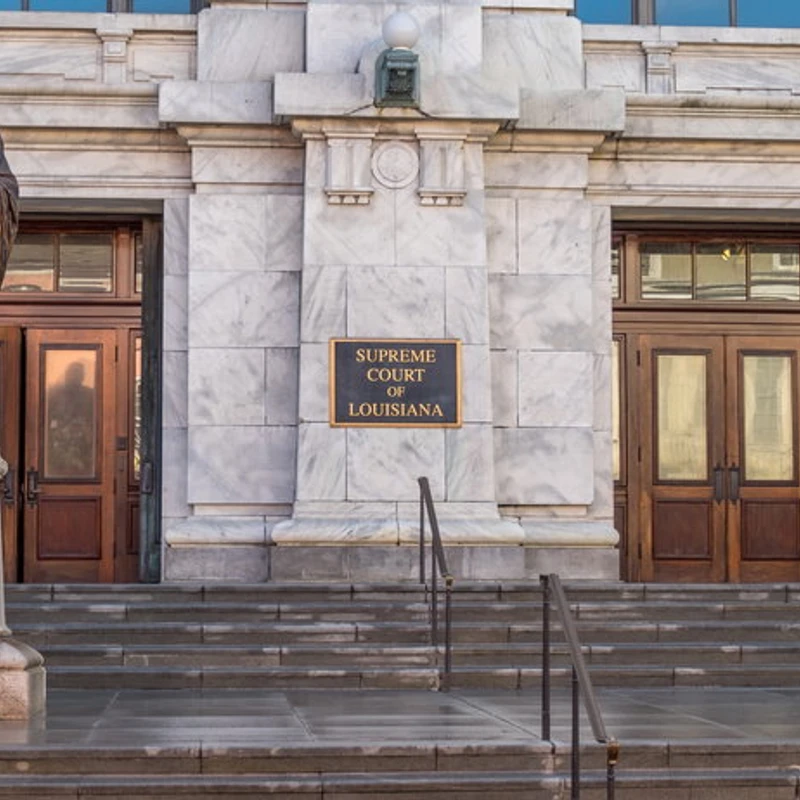
    The case, Louisiana v. Callais, centered on the state’s Sixth Congressional District, currently represented by Democratic Rep. Cleo Fields. The conservative majority on the court, in a 6-3 decision, deemed the district an “unconstitutional gerrymander.” Justice Samuel Alito, writing for the majority, argued that the district’s racial basis was improper, with Chief Justice John Roberts describing its shape as a “snake” connecting disparate areas across the state.

    This decision challenges the very foundation of the Voting Rights Act, which has been instrumental in increasing minority representation since its passage 60 years ago. While President Lyndon B. Johnson hailed the act as a “triumph for freedom,” today’s conservative justices appear to hold a different view.

    Dissenting Opinions and Future Implications

    Liberal justices strongly dissented, with Justice Elena Kagan stating the court’s decision “gutting of Section 2 puts that achievement in peril.” Leaders from Black Voters Matter echoed this sentiment, calling the ruling an “allegiance to the white supremacist’s movement” and a step back towards an era where constitutional rights are not equally applied.

    While the ruling may not immediately affect this year’s congressional races due to filing deadlines, Louisiana Gov. Jeff Landry has already announced plans to suspend the May 2026 primary elections to allow for the creation of a new congressional map. This suggests a swift move to capitalize on the court’s decision, potentially impacting future elections and minority representation.

    Reactions and Political Divide

    The decision has drawn sharp reactions. Conservatives, including some Black Republicans, celebrated the ruling. Rep. Josh Williams of the Ohio State House, who represents a majority-white district, called the idea of special districts for Black Americans “complete nonsense” and “blatantly unconstitutional.” The White House also issued a statement commending the court, calling it a “complete and total victory for American voters” and an end to the “unconstitutional abuse of the Voting Rights Act.”

    Conversely, organizations like Black Voters Matter view this as a deliberate effort to increase and enshrine white political power, drawing parallels to the Dred Scott decision. The ruling highlights the deep political and ideological divide surrounding voting rights and representation in the United States.

    What are your thoughts on the Supreme Court’s decision regarding Louisiana’s congressional district? How do you think this ruling will impact future elections and minority representation? Share your views in the comments below!
  • Louisiana Governor Targets Black Congressmen After SCOTUS Ruling

    In a move that has sparked significant controversy, Louisiana Governor Jeff Landry has suspended the state’s upcoming primary elections. This decision comes just days after the U.S. Supreme Court issued a ruling that struck down Louisiana’s current congressional map, deeming it racially discriminatory against white voters. The governor’s action is seen by many as an attempt to redraw the map and target the state’s two Black Democratic congressmen.

    SCOTUS Ruling and its Ramifications

    The Supreme Court’s decision in Louisiana v. Callais declared that the state’s existing map, which included a second majority-Black congressional district, was unconstitutional. This district was originally drawn to comply with the Voting Rights Act of 1965, aiming to give Black voters, who constitute one-third of Louisiana’s population, a better chance to elect their preferred representatives. However, the Court’s conservative majority ruled that this district did not meet the protections of Section 2 of the VRA and violated the 14th Amendment’s Equal Protection Clause for white voters.

    Furthermore, the ruling now requires claims of racial discrimination in voting practices to be proven as intentional. The Court’s reasoning suggests that because Black voters predominantly support Democrats, gerrymandering based on partisanship cannot be considered racist. Damon Hewitt, executive director at the Lawyers’ Committee for Civil Rights Under Law, commented, “The court is saying…you can’t say that gerrymandering that the state says is partisan is somehow racist, because Black people tend to vote for Democrats anyway.” This shift in jurisprudence potentially opens the door for states to dismantle majority-Black districts previously protected under the Voting Rights Act.

    Targeting Black Representatives

    Governor Landry’s decision to halt the May 16 primary, just two days before early voting was set to begin, directly impacts U.S. Representatives Troy Carter (2nd Congressional District) and Cleo Fields (6th Congressional District). Both are Black Democrats, and the redrawing of districts could either lead to their defeat in the midterm elections or force them to run against each other.

    Congressman Fields, whose district was central to the Supreme Court case, noted that he has “never served a day in Congress without a lawsuit in the Supreme Court.” He expressed the impossibility of meeting a potential requirement to be white to serve Louisiana, stating, “If you tell me that I have to be white to serve in Congress from Louisiana, I can’t do nothing about that.”

    A Threat to Democracy?

    Congressman Carter emphasized the broader implications of this ruling, stating, “This is bigger than Louisiana. This is bigger than the Congressional Black Caucus. This is about our democracy.” He warned that the impacts extend far beyond Louisiana, affecting congressional districts, school boards, and city councils across the nation. This ruling fuels a nationwide gerrymandering battle, exacerbated by efforts to maintain Republican control in Congress.

    Carter urged Americans to unite against what he described as “Trump-led gerrymandering.” He implored citizens who “care about justice, freedom, and fair elections” to join the fight to “defend our Constitution” and ensure that no single individual can unilaterally manipulate the electoral scales. The congressman concluded, “If you care about justice, freedom, and fair elections, you should be as upset as we are.”

    What are your thoughts on the Supreme Court’s ruling and Governor Landry’s actions? How can we protect voting rights and ensure fair representation? Share your views in the comments below!
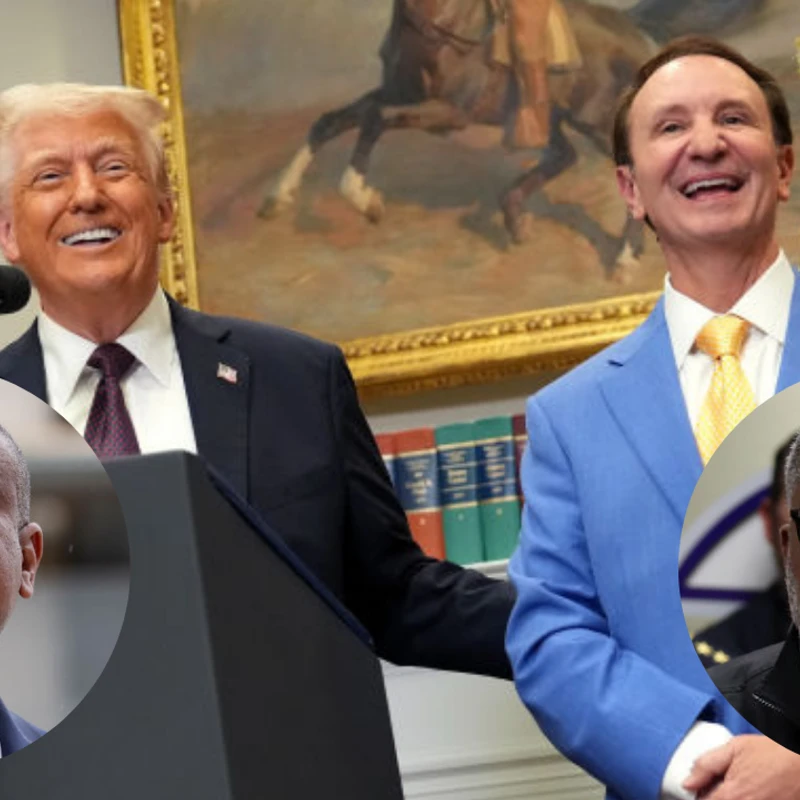
  • Gene Therapy Offers New Hope for Sickle Cell Patients

    Imagine a life where a chronic condition doesn’t dictate your dreams. For a 23-year-old in Louisiana, that future is looking brighter than ever thanks to a revolutionary gene therapy for sickle cell disease. He’s the first in his state to undergo this cutting-edge treatment, and the early results are incredibly promising!

    A Glimmer of Hope for Sickle Cell Warriors

    Sickle cell disease is a tough inherited condition that affects red blood cells, turning them into a rigid, sickle shape. This can lead to agonizing pain, serious organ damage, and a shorter lifespan. For years, this has been the reality for our patient, Daniel Cressy, whose daily life was often overshadowed by chronic pain.

    But now, there’s a new reason for optimism. After a complex procedure, Daniel was discharged from the hospital following a six-week stay. Doctors are closely monitoring his progress, and the initial signs suggest this gene therapy could offer a long-term, perhaps even permanent, solution.

    How Does This Groundbreaking Therapy Work?

    The process is quite intricate. First, doctors extracted Daniel’s own stem cells. These cells were then sent overseas for gene editing. Once modified, they were reintroduced into his body after chemotherapy had cleared out his existing bone marrow.

    The ultimate goal? To retrain his body to produce healthy, round red blood cells instead of the problematic sickle-shaped ones. Dr. Ben Watkins of LCMC Health shared that early indicators are positive, with Daniel’s body showing signs of generating new hemoglobin and rebuilding his immune system. These are crucial steps showing the therapy is taking hold.

    A Milestone in Medical Advancement

    This isn’t just a personal victory for Daniel; it’s a significant leap forward for medical science. This gene therapy has been performed on fewer than 100 patients worldwide, making it a truly pioneering treatment. While Daniel is still in his recovery phase, the medical community is buzzing with optimism about the long-term potential.

    Soaring Towards a Dream

    Beyond the medical implications, this treatment could be life-changing for Daniel on a personal level. He’s always dreamed of becoming a pilot, a goal that was previously out of reach due to his sickle cell disease. Even during his hospital stay, he kept his dream alive, practicing on a flight simulator.

    Now, with his health prospects looking up, Daniel is eager to pursue his aviation ambitions. He’s also bravely sharing his journey, hoping to inspire other individuals living with sickle cell disease to explore these innovative treatment options. His story is already giving hope to those who were once hesitant about gene therapy, showcasing the incredible possibilities as this technology becomes more accessible.

    What are your thoughts on the potential of gene therapy for sickle cell disease? Share your hopes and questions in the comments below!

  • Man Charged in Fatal Shooting of 8 Children

    A devastating mass shooting in Louisiana, which claimed the lives of eight children, has led to federal charges against a 56-year-old man. Charles Ford is accused of illegally possessing and providing the assault-style pistol used in the horrific crime that has left a community reeling.

    Federal Charges Filed Against Ford

    The United States Attorney’s Office for the Western District of Louisiana announced that Ford faces federal charges for being a felon in possession of a firearm and making false statements to federal agents. If convicted, he could face up to 20 years in federal prison. Investigators allege that Ford supplied the weapon used by 31-year-old Shamar Elkins, who carried out the massacre before dying in a shootout with police.

    Denials and Admissions

    Court documents reveal that Ford initially denied possessing the firearm. However, he later admitted to having it and claimed that Elkins must have stolen it from his truck in the weeks prior to the shooting. The original purchaser of the firearm also informed law enforcement that she had given the weapon to Ford, leading investigators to him.

    Holding Enablers Accountable

    Special Agent Joshua Jackson of the Bureau of Alcohol, Tobacco, Firearms, and Explosives (ATF) emphasized the commitment to holding individuals accountable for illegal firearm access. “Holding people accountable does not stop with the person who pulled the trigger but also includes those who give access to and proliferate firearms that are later used in violent crime,” Jackson stated.

    The Tragic Scale of the Shooting

    The shooting itself is described as “beyond comprehension.” It resulted in the deaths of seven of Elkins’ own children, along with one of their cousins. The young victims ranged in age from 3 to 11 years old. Two women, including Elkins’ wife, were also shot and remain hospitalized. A ninth child miraculously escaped the massacre by jumping from the roof of the home.

    U.S. Attorney Zachary A. Keller stated that even though Elkins cannot face trial, federal prosecutors are dedicated to holding accountable those who enabled such violence. This case underscores the critical importance of responsible firearm ownership and the severe consequences when weapons fall into the wrong hands.

    What are your thoughts on the charges against Charles Ford? Do you believe the legal system is adequately addressing the issue of illegal firearm access? Share your views in the comments below.

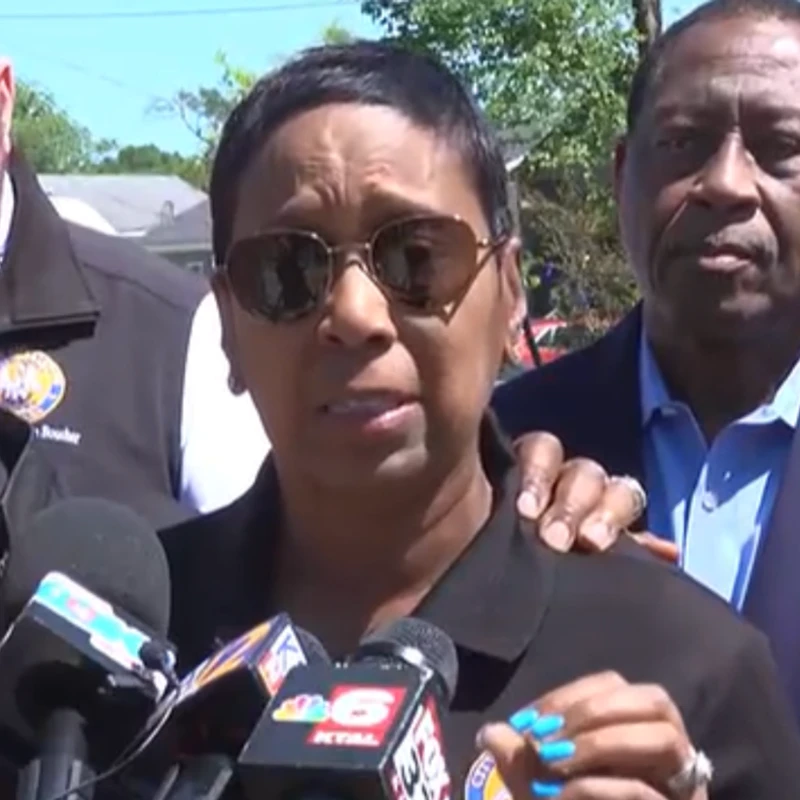
  • Councilwoman’s Tearful Plea After Louisiana Tragedy

    In the face of unimaginable tragedy, words often fail us. Shreveport Councilwoman Tabatha Taylor found herself in such a moment, sharing a raw and tearful display of vulnerability as she addressed the horrific murders of eight children in Louisiana on Sunday. Her heartfelt plea resonated deeply, highlighting the profound impact of such violence on a community.

    A Mother’s and Community’s Grief

    Standing before reporters, Taylor struggled to find the words to comfort a grieving community. “I can’t be strong for you. I think about the mother and what this family has lost. I think about this community and what this community has lost, and I don’t have the words to give you, and I’m sorry,” she confessed, her voice thick with emotion. The sheer horror of the act—harming innocent children—left her searching for answers.

    The Devastating Details of the Attack

    The incident involved 31-year-old Shamar Elkins, who tragically killed seven of his own children, aged 1 to 14, along with another individual. The killings occurred across three different homes in an execution-style manner. Elkins also critically injured his wife, Shaneiqua Pugh, who was hospitalized with serious wounds. The scale of the violence has been described by Shreveport Mayor Tom Arceneaux as potentially the “worst tragic situation we’ve ever had.”

    The Added Horror of Domestic Violence

    Councilwoman Taylor emphasized that the domestic nature of the killings made the tragedy “even more horrific.” She spoke passionately about the ongoing fight against violence and the deep pain caused when such acts occur within families. “I pain and I grieve for this family. I grieve for the lives that are lost,” she stated, urging the community to utilize available resources.

    Elkins, who was fatally shot by police during a pursuit, reportedly suffered from mental health issues and had a history of legal troubles, including convictions for DWI and illegal weapon use. This context underscores the complex factors contributing to such devastating events.

    A Call for Help and Healing

    Taylor made a powerful appeal to the Shreveport community, urging them to seek help and support. “I’m going to ask the community, along with prayer, with every mental health consultant, counselor that is out here, this family and this community, need you. I need you,” she implored. Her message was clear: this is a real crisis, and collective action is needed to prevent such horrors from happening again.

    How can communities better support families and individuals struggling with domestic violence and mental health crises? Share your thoughts and suggestions in the comments below.

  • 7 Restaurants Celebrating National Crawfish Day

    Happy National Crawfish Day! Today, April 17th, we’re celebrating one of Louisiana’s most beloved culinary treasures – the humble crawfish. Once considered a simple food for the masses or even just bait, crawfish have ascended to gourmet status, becoming a symbol of Cajun and Creole heritage. Chefs across the nation are honoring this journey with both traditional and innovative dishes. Let’s dive into seven restaurants serving up incredible Bayou-inspired flavors!

    A Taste of Tradition and Innovation

    The history of crawfish as a food source dates back centuries to Indigenous communities. It wasn’t until the mid-20th century, with events like the Breaux Bridge Crawfish Festival and the rise of commercial farming, that crawfish truly became a celebrated delicacy. Today, these restaurants showcase the versatility and deliciousness of crawfish, from classic Creole comfort to modern fusion.

    1. Harold & Belle’s (Los Angeles, CA)

    This family-owned Creole institution has been serving authentic New Orleans traditions since 1969. As one of LA’s oldest Black-owned dining spots, Harold & Belle’s is famous for its signature crawfish étouffée. Their slow-cooked gravy offers a perfect blend of generational recipes and a spicy kick, keeping their legacy of soul and seafood alive.

    2. Stick Talk Cajun Hibachi (Houston, TX)

    Pioneering a unique fusion of Southern and Asian culinary styles, Stick Talk Cajun Hibachi brings high-heat Japanese hibachi techniques to Louisiana staples. Their standout crawfish dirty rice perfectly embodies this hybrid approach, combining traditional Cajun flavors with the smoky essence of a teppanyaki grill. It’s a must-try for adventurous eaters!

    3. Trap Fusion (Memphis, TN)

    In Memphis, Trap Fusion is reimagining Cajun flavors through the lens of urban comfort food. Founded by Markeith W. McCoy and Chef J. Gardner, they’re known for their Dnawlin Jambalaya Pasta. This rich, creamy Alfredo dish features crawfish, shrimp, and sausage, masterfully uniting Southern ingredients with contemporary pasta preparation.

    4. CheSa Bar & Bistro (Chicago, IL)

    Chef CheSa’s Chicago restaurant offers elevated comfort food, and their crawfish tortellini has earned national recognition. By blending Italian pasta techniques with bold Cajun seasonings, CheSa Bar & Bistro creates a sophisticated yet accessible bridge between European and Gulf Coast cuisines. It’s a delightful example of culinary fusion.

    5. Filé Gumbo Bar (New York, NY)

    Located in Manhattan’s West Village, Filé Gumbo Bar is an authentic Cajun-Creole destination owned by Eric McCree. Since opening in 2022, it’s become a go-to spot for Southern flavors in NYC. Their creamy crawfish macaroni and cheese is a standout, showcasing the incredible versatility of crawfish within a beloved American comfort food classic.

    6. Djuan’s New Orleans Bistro (Atlanta, GA)

    Near Atlanta, Djuan’s New Orleans Bistro offers a full-service Cajun and Creole experience with a modern twist. Owned by Donald Williams, this bistro is particularly celebrated for its unique crawfish beignets. Since opening in 2020, it has become a vital cultural and culinary hub for the region’s Black-owned dining scene.

    7. Neyow’s Creole Cafe (New Orleans, LA)

    A true staple in New Orleans’ Mid-City neighborhood since 2010, Neyow’s Creole Cafe, founded by Tanya and Timothy Dubuclet, is dedicated to homestyle Louisiana heritage. Their Savory Crawfish Balls are a testament to this commitment, featuring crawfish tails wrapped in seasoned crab meat and fried to golden perfection – a true masterclass in Creole seafood.

    Whether you’re craving a traditional étouffée or an inventive crawfish pasta, these restaurants offer a delicious way to celebrate National Crawfish Day. Each spot brings its unique flair to this beloved ingredient, honoring its rich history and culinary significance.

    Which of these restaurants will you be visiting to celebrate National Crawfish Day? Let us know your favorite crawfish dishes in the comments below!

  • Ethylene Oxide: A Medical Tool Poisoning Black Communities

    Imagine a chemical essential for saving lives—sterilizing the very equipment that keeps us healthy—also posing a grave threat to the communities living nearby. This is the reality of ethylene oxide (EtO), a vital medical sterilizer now at the center of a public health crisis. A proposed rollback of environmental protections by the EPA could allow this known carcinogen to continue poisoning Black communities, once again asking them to bear the disproportionate cost of essential industries.

    The Danger of Ethylene Oxide

    Ethylene oxide is indispensable for sterilizing critical medical supplies like pacemakers, surgical gowns, and syringes. However, the EPA’s own scientists have found it to be significantly more carcinogenic than previously understood—30 times more in adults and 60 times more in children. Despite this alarming data, the Trump administration proposed gutting a 2024 rule designed to drastically cut EtO emissions from sterilization facilities. This rollback threatens to undermine a 90% reduction in cancer risk that the original rule aimed to achieve.

    The implications are stark: nearly 14 million Americans live within 5 miles of a commercial sterilization facility, with over 10,000 schools and childcare centers falling into these high-risk zones. The current argument prioritizing “industry continuity” and “supply chains” over community health and the fundamental right to breathe clean air is a devastating dismissal of human well-being.

    Environmental Justice and Mental Health Toll

    This issue hits close to home for Dr. Rachel Bervell, a psychiatry resident in New Orleans, and climate activist Wanjiku “Wawa” Gatheru. Bervell lives near “Cancer Alley,” an 85-mile stretch along the Mississippi River corridor notorious for its concentration of petrochemical plants. Gatheru, founder of Black Girl Environmentalist, highlights that science is now confirming what these communities have long known: chronic toxic exposure isn’t just a physical health crisis; it’s a profound mental health burden.

    The constant anxiety of living in a designated “sacrifice zone,” the helplessness of watching neighbors suffer from preventable illnesses, and the compounding trauma of being ignored by authorities create a deep, often unnamed dread. This chronic stress, coupled with the uncertainty of exposure levels and the “structural abandonment” felt when protections disappear, takes a significant toll. The lack of national data on eco-anxiety in frontline communities reflects a systemic failure to value their experiences.

    A Legacy of Systemic Harm

    The disproportionate burden on communities of color is not accidental; it’s the result of decades of deliberate decisions regarding facility siting, complaint investigations, and prioritizing profit over people’s health. The environmental justice movement, largely pioneered by Black and Indigenous women like Hazel Johnson, Beverly Wright, and Sharon Lavigne, has long fought against this systemic injustice. Yet, Black girls and women, who often bear the brunt of environmental harm, remain under-resourced and under-platformed in the climate movement.

    Repair, as Bervell and Gatheru argue, requires concrete action: resourcing frontline organizations, centering impacted communities in solution-building, and supporting community-led data collection. The EPA’s public comment period on the ethylene oxide rollback is currently open, offering a crucial opportunity for voices to be heard. As Audre Lorde wisely stated, “the master’s tools will never dismantle the master’s house.” Remaining silent, however, only serves to reinforce its walls.

    Learn more about organizations like Rise St. James, the Deep South Center for Environmental Justice, and Black Girl Environmentalist. Submit your comment to the EPA during the public comment period. What steps do you believe are necessary to ensure environmental justice for all communities? Share your thoughts below.