Category: Hip-Hop and Rap Culture

  • RZA on Wu-Tang Tour, Hip-Hop Beefs, and Second Chances

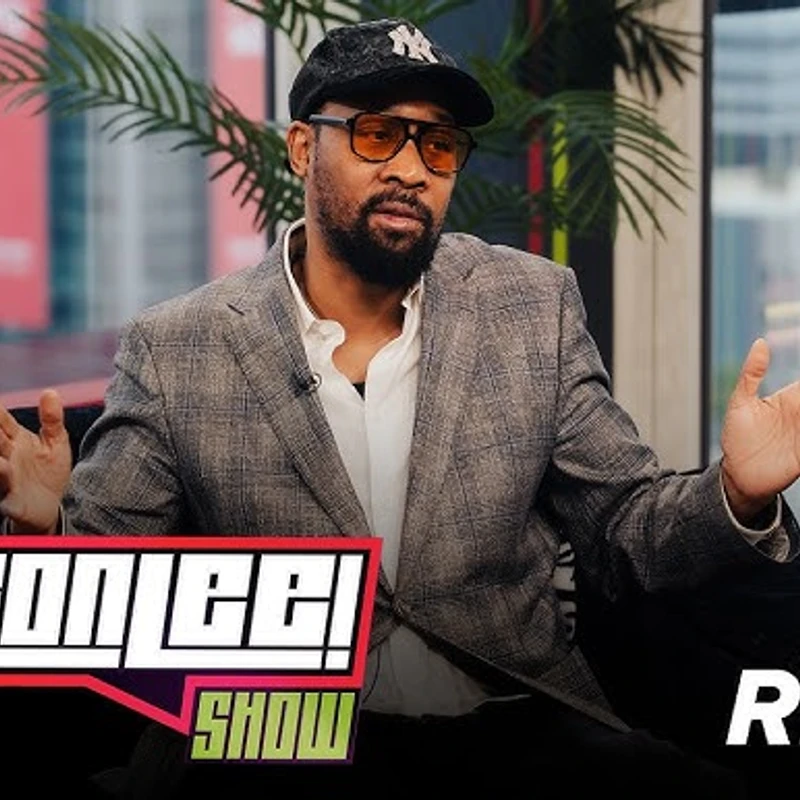
    Robert Fitzgerald Diggs, better known as RZA, the mastermind behind the iconic Wu-Tang Clan, recently joined Jason Lee on ‘The Jason Lee Show’ to share insights into his multifaceted career. From the foundational days of Wu-Tang to his ventures in filmmaking and his personal journey, RZA offered a candid look at his evolution as an artist and entrepreneur.

    Building a Legacy: Wu-Tang Clan and Staten Island

    RZA delved into the intentionality behind building Wu-Tang Clan, discussing the unique slang, swagger, and flavor of Hip-Hop they brought to the mainstream. He reminisced about the artists from Staten Island who paved the way, including Force MCs (later Force MDs), The UMCs, Shyheim “The Rugged Child,” and Milk D, acknowledging their contributions before Wu-Tang put Staten Island, or Shaolin, on the map. He also paid homage to Hip-Hop pioneers like The Cold Crush Brothers and Grandmaster Flash and the Furious Five.

    Reflecting on his early life, RZA shared his philosophy on creating Wu-Tang and spoke about learning from Hip-Hop heroes like Prince Rakeem. He also touched upon his past struggles with street crime, describing it as trying to be an entrepreneur with the “wrong product.” This led to a pivotal moment in his early twenties when he faced attempted murder charges. Ultimately acquitted, RZA credits his mother’s disappointment and advice for inspiring him to seek a “second chance” and “zig-zag” back in the right direction. This led to sobriety and a renewed focus on music, with many of the beats from that period forming the basis of the seminal album, ’36 Chambers.’

    Aggression, Cohesion, and Hip-Hop’s Evolution

    When discussing Wu-Tang’s signature sound – characterized by aggression, loud fashion, and strong cohesion on tracks like “C.R.E.A.M.” and “Wu-Tang Clan Ain’t Nuthing Ta F’ Wit” – RZA suggested that while some may have feared them, their peers often appreciated the raw energy. He believes this strength was an integral part of Hip-Hop’s appeal. RZA also highlighted the transformative impact of Method Man and Mary J. Blige’s Grammy-winning collaboration, “I’ll Be There For You / You’re All I Need To Get By,” noting its role in bridging Hip-Hop and R&B.

    The conversation then shifted to RZA’s work in film, particularly his collaboration with Quentin Tarantino on ‘Kill Bill.’ RZA shared how their friendship grew from a shared passion for movies, leading to his role as composer and orchestrator. He also discussed his latest directorial project, ‘One Spoon of Chocolate,’ an action-thriller starring Shameik Moore, Blair Underwood, Paris Jackson, and RJ Cyler, which explores themes of redemption and fighting back against corruption.

    Reflections on ODB, Rap Beefs, and Legacy

    RZA spoke fondly of his late cousin and Wu-Tang groupmate, Ol’ Dirty Bastard (ODB), sharing childhood memories and acknowledging the spiritual and mental presence ODB maintains. He also mentioned including ODB’s son, Young Dirty Bastard (YDB), in his new film and even featuring one of ODB’s songs. RZA also reflected on his older cousin, GZA, calling him “the light” for the group.

    Addressing the current landscape of rap beefs, RZA views competition as a vital sport within Hip-Hop that can push artists and the genre forward. However, he expressed a nuanced view on the recent Drake and Kendrick Lamar feud, describing its outcome as “gray.” He explained that without knowing the artists personally, it’s difficult to discern what’s real versus fabricated in their lyrics, leading to an “ugly” space reminiscent of the Tupac and Notorious B.I.G. era.

    Towards the end of the interview, RZA touched upon Wu-Tang Clan’s upcoming ‘Wu-Tang Forever: The Final Chamber’ tour and their induction into the 2026 Rock & Roll Hall of Fame. He also shared his honor at Rihanna and A$AP Rocky naming their son RZA Athelston Mayers, seeing it as a sign of respect and blessing. The interview concluded with RZA playing ‘Name Drop,’ reminiscing about figures like Nas, Damon Dash, Kanye West, and Oliver “Power” Grant.

    What are your favorite RZA or Wu-Tang Clan moments? Share your thoughts in the comments below!
  • T.I. Sues Cinq Music Over $52M Master Recording Dispute

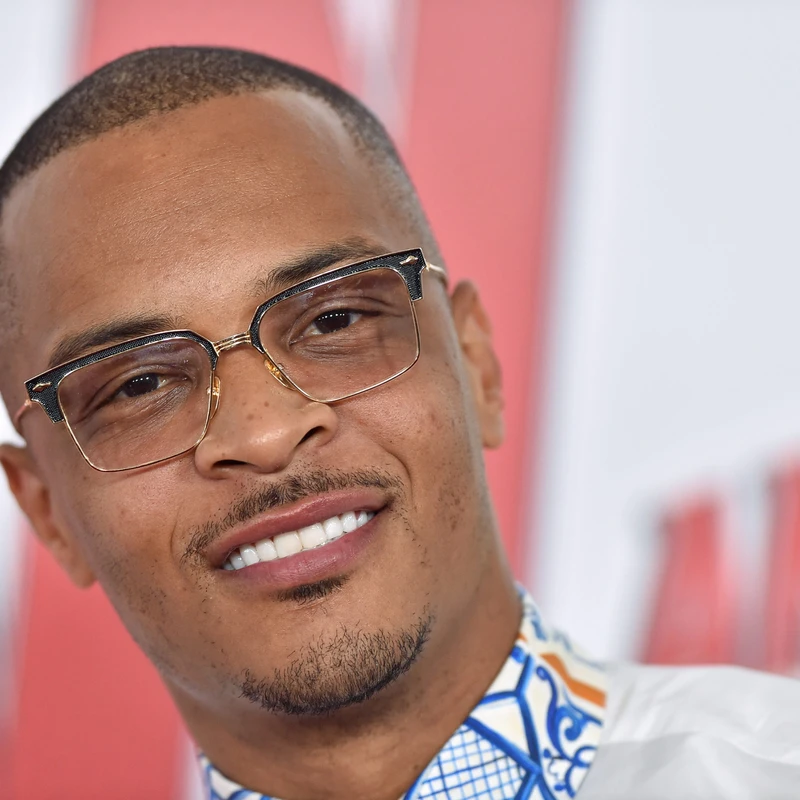
    It looks like T.I. is heading back to court, this time accusing Cinq Music of trying to drastically inflate the price of his own master recordings. The Grammy-winning artist claims the company is refusing to honor an agreement that would allow him to repurchase his catalog at a much lower, pre-negotiated price.

    A Catalog Deal Gone Sour

    The whole situation goes back to a 2017 deal where Cinq Music acquired the rights to a significant portion of T.I.’s music from his Atlantic Records era. According to court documents, T.I. (legal name Clifford Joseph Harris) only agreed to the sale because the contract included a crucial option: the right to buy back his albums later under what he describes as “very favorable” terms. This catalog includes major hits like ‘King,’ ‘T.I. vs. TIP,’ and ‘Paper Trail.’

    Fast forward to 2024, when T.I. decided to exercise this buy-back option. However, instead of honoring the original terms, the lawsuit alleges that Cinq Music attempted to dramatically increase the repurchase price by altering the agreed-upon pricing formula.

    From $3 Million to $52 Million?

    T.I.’s attorney, Robert Jacobs, stated that Cinq Music “regretted that it had agreed to the [option terms], and, therefore… did everything it could to frustrate plaintiffs’ efforts to complete the purchase.” The rapper argues that the original formula should have capped the repurchase price at no more than $3 million. Shockingly, he claims Cinq Music came back demanding a whopping $52 million – nearly 20 times the agreed-upon amount!

    The lawsuit further points out that the contract specifically excluded revenue from digital streaming platforms like Spotify when calculating the sale price. T.I. contends that Cinq improperly included income from streaming, foreign sources, and other revenue streams that were explicitly not permitted under the original agreement. This exclusion, the lawsuit argues, was significant given that streaming was already a major driver of music industry revenue in 2017.

    What Happens Next?

    As of the time of reporting, Cinq Music had not publicly responded to these allegations. It’s important to note that Atlantic Records is not involved in this lawsuit and is not accused of any wrongdoing.

    What are your thoughts on this legal battle between T.I. and Cinq Music? Let us know in the comments!

  • Rap Lyrics Used for Death Sentence: James Broadnax’s Case

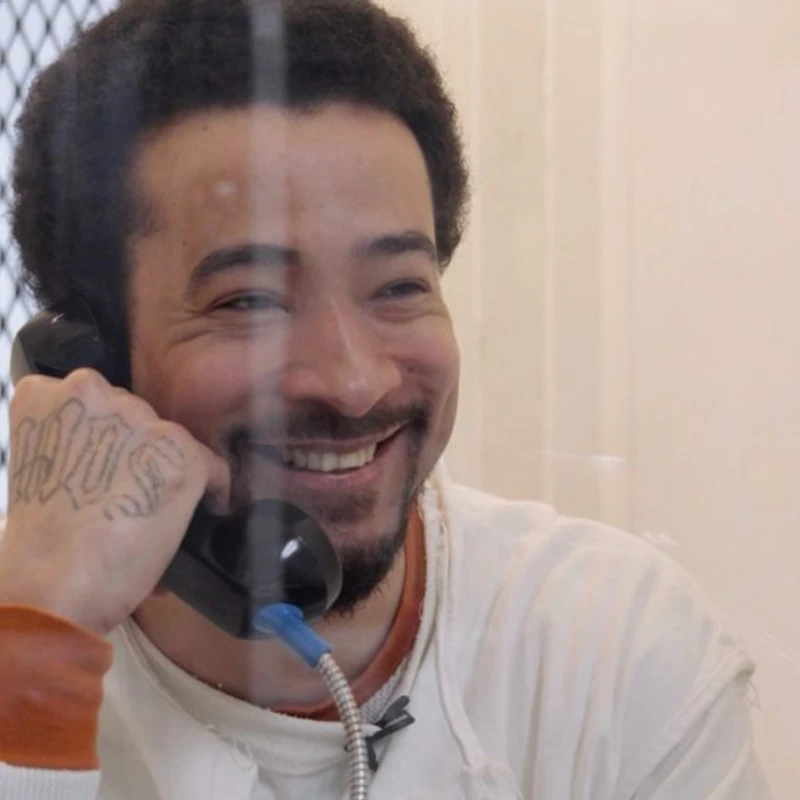
    Imagine facing the ultimate penalty – execution – based not on concrete evidence of your direct actions, but on the lyrics of songs you wrote. This is the grim reality for James Broadnax, a 37-year-old Black man in Texas, who is scheduled for execution on April 30th unless Governor Greg Abbott intervenes. His case highlights a disturbing trend: the increasing use of rap lyrics as evidence in criminal proceedings, often leading to severe sentences, including the death penalty.

    A Tainted Trial and a Controversial Sentence

    Broadnax was convicted of murder for his involvement in a 2008 robbery near Dallas that resulted in the deaths of Matthew Butler and Stephen Swan. While it’s acknowledged that Broadnax was present and involved in the robbery, the prosecution’s case for the death penalty hinged on proving “future dangerousness.” This proved challenging, as Broadnax was only 19 at the time of the crime, had a history of abuse, and possessed only a minor marijuana charge.

    To meet this burden, prosecutors introduced 40 pages of Broadnax’s rap lyrics. Despite many containing themes of redemption and love, the State selectively presented lyrics focused on violence and illicit behavior, aiming to paint him as a “psychopathic killer.” Crucially, these lyrics were never used during the trial itself, raising questions about their relevance to the murder charges. The jury, which was nearly all-white after an initial attempt to exclude Black jurors, asked to review the lyrics multiple times before returning a death sentence.

    The Weaponization of Art

    This reliance on artistic expression as evidence is not unique to Broadnax’s case. Research uncovered by Killer Mike and Erik Nielson reveals over 800 cases since the late 1980s where rap lyrics were used against defendants, including more than 30 death penalty cases. This practice disproportionately affects young Black and Latino men, raising serious First Amendment concerns and highlighting racial inequities within the justice system.

    The use of rap lyrics is particularly concerning because no other fictional or musical genre faces such scrutiny in court. While political polarization often divides opinions, both conservatives alarmed by First Amendment violations and progressives concerned about racial injustice have found common ground in advocating for reform. States like California and Louisiana have already enacted laws to regulate the admission of creative expression as evidence, aiming to ensure prosecutors rely on relevant, meaningful evidence rather than artistic works.

    A Cousin’s Confession and a Plea for Mercy

    Adding another layer of complexity, Broadnax’s cousin, Demarius Cummings, who is serving a life sentence for his role in the crime, has recently come forward with a sworn affidavit admitting he was the shooter. This confession is supported by physical evidence, including DNA found on the murder weapon’s grip belonging only to Cummings, not Broadnax. This new information raises serious questions about the original trial’s findings and the basis for Broadnax’s death sentence.

    Broadnax has reportedly been a model prisoner since his conviction, further challenging the “future dangerousness” assessment. As the execution date looms, a coalition of artists, including Young Thug, T.I., Fat Joe, and Travis Scott, have filed amicus briefs urging the Supreme Court to stay his execution. The plea now rests with Governor Abbott to show mercy and uphold the principles of the First Amendment, recognizing that Broadnax’s art was weaponized, stripping away his humanity.

    What are your thoughts on the use of rap lyrics in court and James Broadnax’s case? Share your opinions in the comments below.