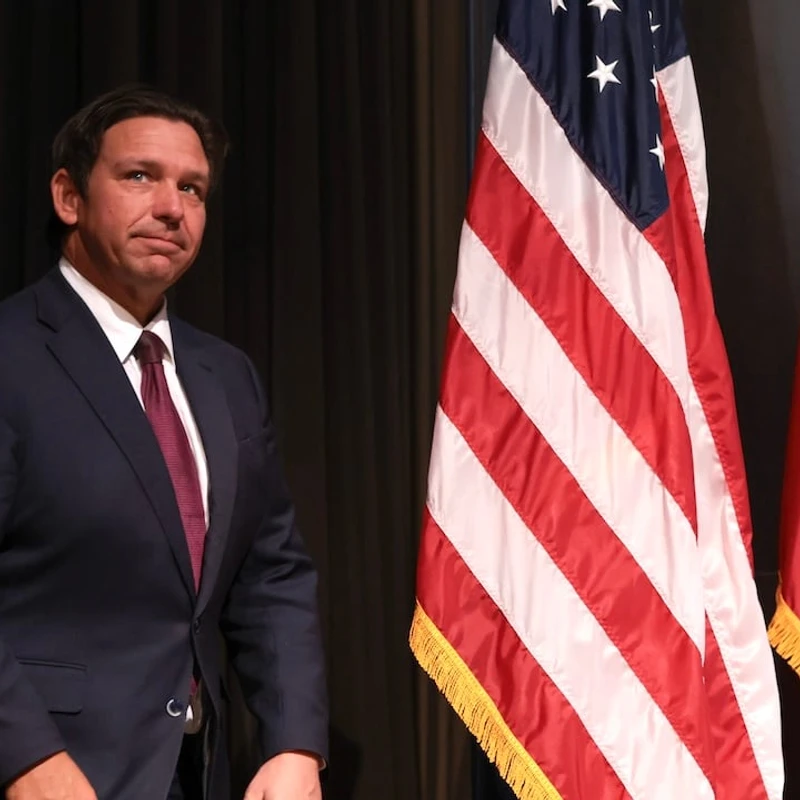
Florida is making headlines again as Governor Ron DeSantis has signed a new law that effectively eliminates Diversity, Equity, and Inclusion (DEI) programs at the local level. This move is the latest in a series of actions by the governor aimed at reshaping the state’s approach to these initiatives, building on the controversial ‘Stop WOKE Act’ signed in 2022.
DeSantis’s Rationale for the Ban
During a press conference on April 22, 2026, DeSantis defended the legislation, characterizing DEI programs as an “ideological construct.” He argued that these programs promote a specific political agenda that, in his view, disadvantages certain groups. Specifically, he stated that white men are among the “disfavored groups” who have allegedly faced discrimination.
“The disfavored groups, No. 1, obviously, would be white males, and I think they’ve been discriminated against,” DeSantis remarked. He emphasized his belief that this alleged discrimination is unacceptable, stating, “No, it’s not fine. It’s wrong.”
Criticism and Potential Impact
The decision has already drawn sharp criticism. Evelyn Foxx, president of the Gainesville NAACP chapter, expressed strong disagreement with the governor’s perspective. “If you talked to 100 white men, they wouldn’t feel the same way as DeSantis,” Foxx stated, adding, “The governor is out of touch with people, and that is the bottom line.”
While the law won’t officially take effect until January 2027, after DeSantis’s current term concludes, its implications could be far-reaching. It may influence how local governments manage public events, support nonprofits, distribute grants, and implement hiring policies across Florida. Offices like the Office of Equal Opportunity in Palm Beach County and various LGBTQ+ groups that collaborate with local governments could be directly affected.
Echoes of the ‘Stop WOKE Act’
This latest legislation follows the path of the ‘Stop WOKE Act’ from 2022. That law placed significant restrictions on how race, gender, and racism could be discussed in educational institutions and businesses throughout Florida. At the time, DeSantis championed the law, advocating for “education” over “indoctrination” and emphasizing the “freedom from having oppressive ideologies imposed upon you without your consent.”
Critics, including many Democratic leaders, have raised concerns about the constitutionality of such laws. They point out that residents could sue entities found to be in violation, and local officials might face removal from office if they are found to have funded DEI initiatives, creating a complex legal and political landscape.
What are your thoughts on Florida’s new law eliminating local DEI programs? Share your perspective in the comments below!
Leave a Reply