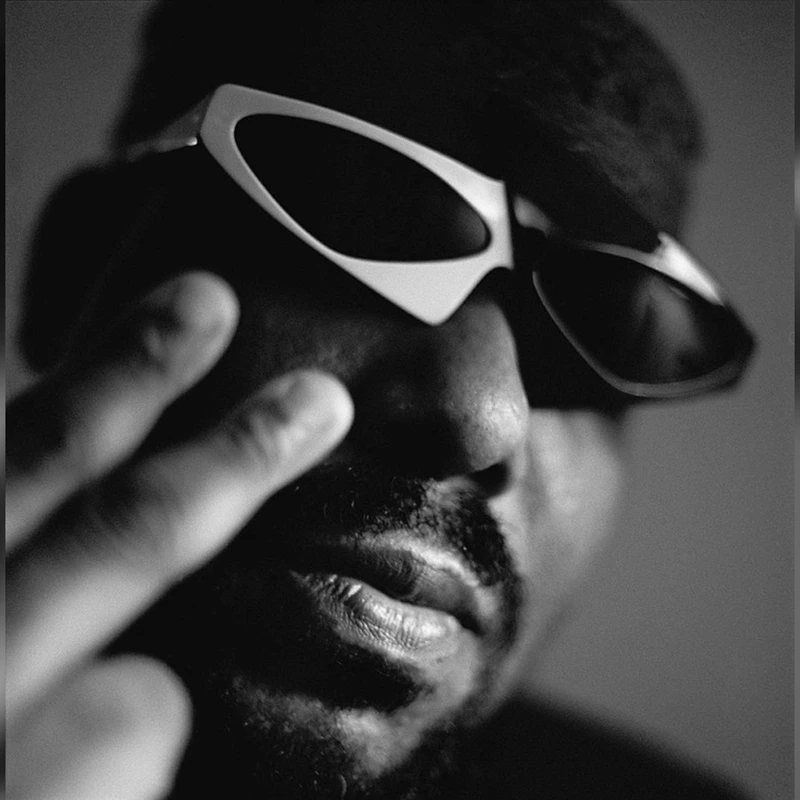
The news of Afrika Bambaataa’s death at age 67 has sent ripples through the music world, eliciting a complex mix of reactions. While many acknowledge his undeniable contributions to the birth and evolution of hip-hop, his passing has also brought renewed attention to decades-old allegations of sexual abuse.
A Complex Legacy
Bambaataa, born Lance Taylor in 1957, was a true pioneer. He rose from the South Bronx block parties of the 1970s, co-founding the Universal Zulu Nation and shaping hip-hop’s core principles. His 1982 hit “Planet Rock” is widely considered a landmark track that defined the genre’s early sound.
However, Bambaataa’s legacy is deeply complicated by numerous allegations of sexual abuse involving young boys, primarily dating back to the 1980s and ’90s. These accusations resurfaced significantly in 2016 and led to him stepping down from his leadership role in the Universal Zulu Nation. In 2025, a default judgment was issued against him in a lawsuit filed by an anonymous accuser.
Social Media Reactions and Accountability
News of his death, attributed to cancer complications, quickly spread across social media. While some outlets and organizations, like the Hip Hop Alliance, issued statements acknowledging his foundational role in hip-hop, they also noted the “complex” nature of his legacy without detailing the abuse allegations. This approach drew criticism from many users.
On platforms like X (formerly Twitter), users were quick to highlight the accusations. Journalist Philip Lewis shared the news, prompting responses that directly addressed the abuse claims. Many expressed hope that survivors could find healing, with some users referencing Hassan Campbell, a prominent YouTuber and former Universal Zulu Nation member who has publicly accused Bambaataa of abuse.
A Difficult Conversation
For some, the allegations of sexual abuse were not widely known until the news of his death prompted discussion. This highlights a broader challenge within the culture: how to reconcile the artistic contributions of figures with deeply troubling personal histories. The Hip Hop Alliance’s statement attempted to navigate this by stating the importance of holding space for all voices while protecting the community.
Afrika Bambaataa’s passing forces a difficult but necessary conversation about accountability, the impact of abuse, and how we remember complex figures in cultural history. His musical innovations are a permanent part of hip-hop’s foundation, but the shadow of the abuse allegations cannot be ignored.
How do you reconcile Afrika Bambaataa’s musical legacy with the serious allegations against him? Share your thoughts and perspectives in the comments below.
Leave a Reply