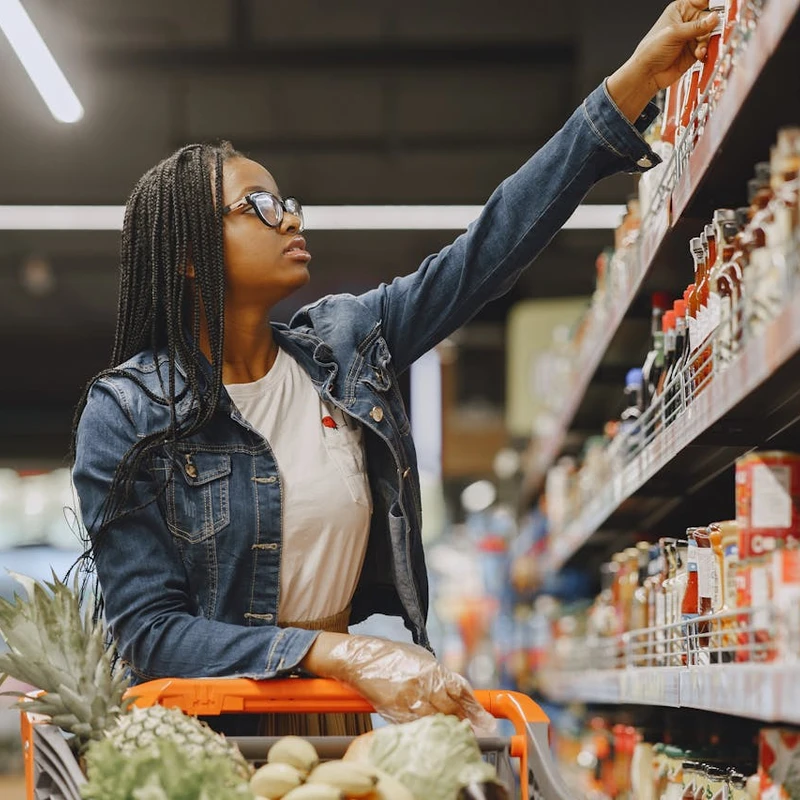
Inflation has been a hot topic in economic discussions, and for good reason – it directly impacts our wallets. While recent inflation spikes have begun to cool, the effects are still being felt, especially when it comes to the cost of groceries. For consumers and businesses alike, understanding these shifts is key to navigating the changing economic landscape. While shoppers and retailers might expect some relief from soaring prices, manufacturers of consumer packaged goods (CPGs) face persistent challenges.
The Grocery Price Puzzle: Below Inflation?
Data from the USDA’s Food Price Outlook offers some interesting insights. Between July and August 2025, the overall Consumer Price Index (CPI) rose by 0.3%, with a year-over-year increase of 2.9%. Surprisingly, grocery prices (food-at-home) increased at a slightly lower rate, at 2.7% year-over-year. This is in contrast to food-away-from-home prices, which jumped by 3.9%. Restaurants and food service providers are facing inflationary pressures across various areas, including energy, rent, and wages, leading them to raise prices more significantly than grocery stores.
This disparity presents a unique opportunity for CPG brands. With dining out becoming increasingly expensive, cooking at home is a more appealing alternative for many consumers. Brands can capitalize on this by marketing products that promise restaurant-quality meals at home. Cross-merchandising with retailers can also help guide consumers toward product combinations that recreate the dining-out experience, such as pairing premium pasta sauce with fresh pasta or high-grade meats with complementary sauces.
Navigating Supply Chain Shocks and Volatility
Supply chain disruptions, fueled by factors like inflation and unforeseen events, can dramatically impact pricing. Eggs serve as a prime example. After peaking in early 2023, prices saw a historic high in March 2025, largely due to supply chain issues stemming from a bird flu outbreak. Such volatile price swings can be an existential threat to manufacturers.
To mitigate these risks, brands can adopt a two-pronged strategy. Diversifying their supplier base provides flexibility and reduces exposure to unpredictable price movements. Additionally, developing alternative product formulations allows manufacturers to swap out key ingredients if they become prohibitively expensive. Brands that plan for these supply chain shocks can maintain product availability and acceptable prices, giving them an edge over competitors facing stock-outs or forced price hikes.
Managing Import Volatility: The Coffee Example
Imported commodities present their own set of supply chain uncertainties. Coffee, a widely purchased product primarily imported from overseas, illustrates this challenge. Coffee prices have experienced significant fluctuations, with recent spikes driven not just by inflation but also by factors like tariffs. For instance, prices surged in late 2024 and early 2025, reaching an average of $9.13 per pound by September 2025, partly due to tariffs on imports from Brazil. When these tariffs were eliminated, prices dropped.
This demonstrates how external factors can impact prices independently of domestic inflation. Instead of simply raising prices, which can alienate consumers, brands can employ Price Pack Architecture (PPA). This involves adjusting aspects of a product, like reducing pack size while maintaining the price point, or switching to a value blend. PPA offers a way for CPG manufacturers to navigate import volatility without sacrificing profit margins or driving away customers.
The Private Label Threat and Brand Equity
With inflation likely to persist, consumers are increasingly looking for ways to save money. This often means turning to private label brands, which are sold by retailers themselves and typically offer lower prices. Competing solely on price with private labels is rarely a viable strategy for national brands.
Instead, national brands must invest in innovation and build strong brand equity to justify their premium pricing. This could involve PPA, behind-the-scenes manufacturing improvements, or more strategic supply chain negotiations. Brands that rely solely on price increases are more vulnerable to the private label threat, especially in a climate shaped by inflation and other external factors like tariffs and non-economic issues such as avian flu.
How are you adapting your grocery shopping habits in response to inflation? Share your tips and strategies in the comments below!
Leave a Reply