Tag: Inflation

  • Inflation, Mortgage Rates Squeeze Black Households

    Black households are facing a double whammy as inflation and mortgage rates climb, creating a significant financial strain under the current economic climate. Recent economic data paints a challenging picture, indicating that these burdens are likely to persist, further widening existing wealth and wage gaps.

    Inflation Hits Hardest

    The latest figures show a concerning rise in the price index for consumer expenditures (PCE), hitting a nearly three-year high of 3.8%. This surge is largely driven by increased costs for essential goods and services, including gasoline, energy, housing, and utilities. Americans collectively spent an additional $111.1 billion in April alone. Compounding this issue, personal income saw a slight decrease month-to-month, meaning households have less disposable income to cope with rising prices.

    For Black households, who already navigate systemic disadvantages like wealth gaps, wage disparities, and limited access to well-paying jobs, these rising costs are particularly devastating. As Cantrell Dumas, a senior researcher at The Joint Center for Political and Economic Studies, stated, ‘Higher mortgage rates and rising inflation are a one-two punch for Black households.’

    Mortgage Rates Push Homeownership Further Away

    Adding to the financial pressure, the average rate for a 30-year fixed mortgage has climbed to 6.65%, its highest point since August 2025. This increase is causing many potential homebuyers to postpone their plans, leading to an 8.5% drop in mortgage applications. For Black families, who are already less likely to own homes and have limited financial savings, this trend makes the dream of homeownership increasingly unattainable.

    Dumas further explained, ‘Rising mortgage rates can push homeownership further out of reach. At the same time, higher prices for food, rent, utilities, and transportation leave families with less money to save.’ This creates a cycle where essential costs consume income, hindering the ability to build financial security.

    Broader Economic Impacts and Blame

    A report from The Joint Center highlighted that Trump’s economic policies, including attacks on DEI initiatives and federal workforce cuts, are contributing to a ‘Black recession.’ Public opinion reflects these concerns, with a New York Times/Sienna poll indicating that 83% of Black Americans disapprove of Trump’s job performance and 89% view the economy as poor or fair under his administration.

    Nadine Smith, president and CEO of Color Of Change, criticized the administration’s approach, stating, ‘The administration keeps pouring gasoline on the economy and then blaming families for getting burned.’ She added that policies related to wars and tariffs are driving up prices, disproportionately impacting Black families who are already facing higher costs for basic necessities and limited support.

    Alphonso David, president and CEO of the Global Black Economic Forum, echoed these sentiments, noting that an economy cannot work for everyone when families face simultaneous increases in living and borrowing costs. ‘For Black households, this is a double squeeze,’ he said, emphasizing the compounded pressure from inflation, higher mortgage rates, wage gaps, and limited access to affordable housing, ultimately leading to less savings, mobility, and opportunity.

    How are rising inflation and mortgage rates impacting your household finances? What steps do you believe can be taken to alleviate these pressures on Black families? Share your thoughts in the comments below!
  • Trump: Americans’ Finances Not My Concern

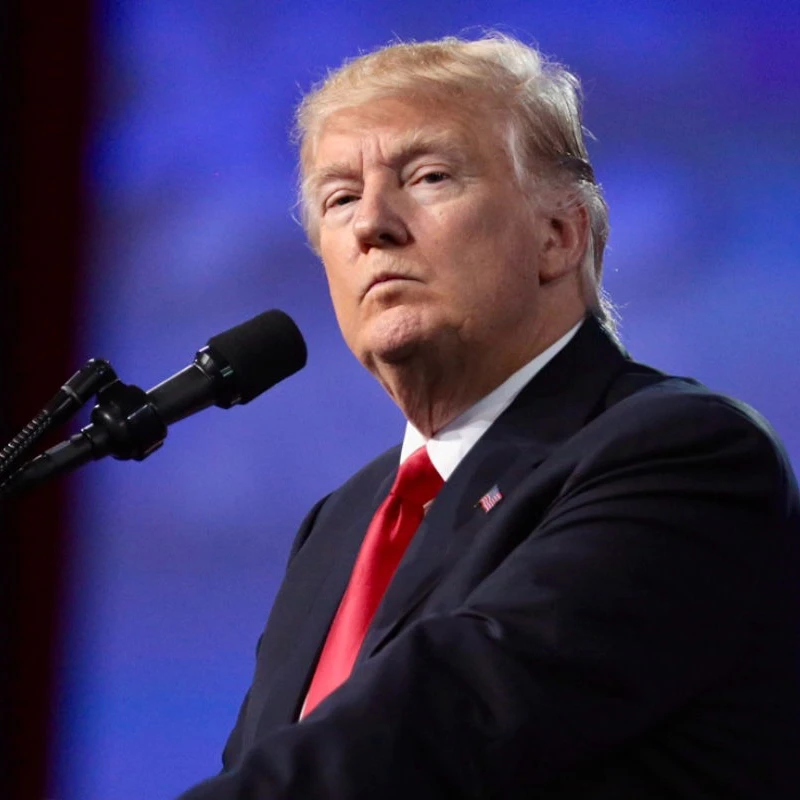
    In a statement that’s raising eyebrows, President Donald Trump has declared that Americans’ financial struggles are not on his radar. This comes at a time when inflation is climbing and Black households, in particular, are reporting increasing economic pressure across the country.

    Focus on Foreign Policy, Not Finances?

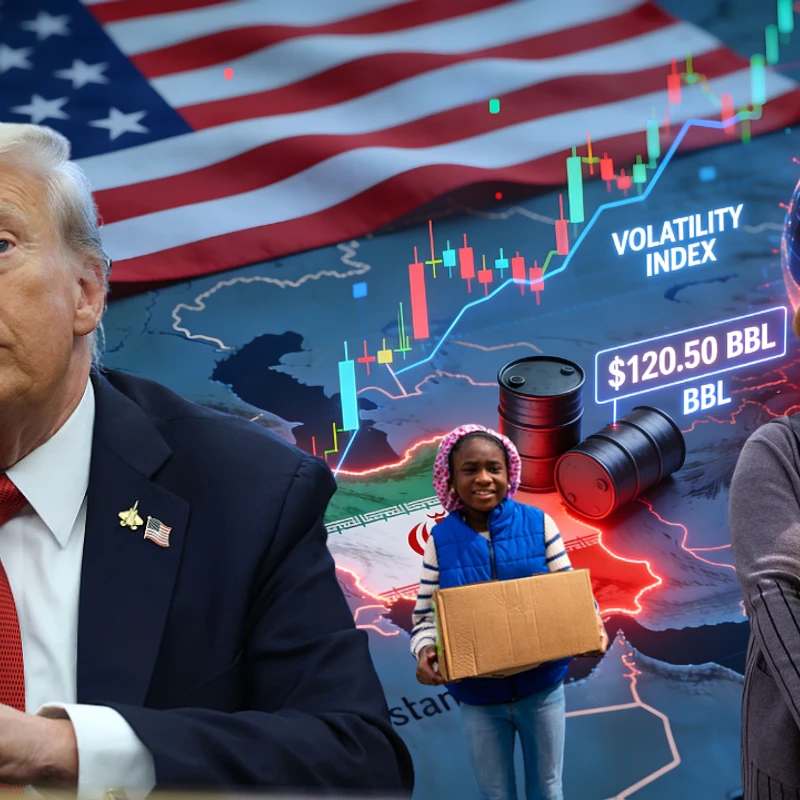
    During recent comments regarding the U.S. conflict with Iran, Trump told reporters that his administration’s focus is on military and diplomatic efforts abroad. When asked about the economic impact on Americans, he stated he wasn’t considering it ‘even a little bit.’ His exact words were, ‘I don’t think about Americans’ financial situation. I don’t think about anybody.’

    This statement comes on the heels of new federal data revealing that inflation rose 3.8% in April compared to the previous year, marking the highest increase in three years. The rising costs of essentials like gas, food, and housing are significantly impacting household budgets nationwide.

    Disproportionate Impact on Black Households

    The economic strain is hitting Black Americans particularly hard. Analysts and advocacy groups point to long-standing wealth and wage gaps that exacerbate the effects of rising living costs. The U.S. Department of Labor reported that Black unemployment recently climbed to 7.3%, remaining near pandemic-era recovery levels.

    Civil rights organizations are sounding the alarm, arguing that the increasing cost of living is worsening existing economic inequalities within Black communities. This situation makes the President’s comments about not considering financial situations even more concerning for these demographics.

    Criticism from Political Leaders

    Political figures have been quick to criticize Trump’s stance. Hakeem Jeffries, the Democratic leader in the U.S. House of Representatives, accused the administration of ignoring the financial realities faced by working-class Americans. He told The Grio, ‘The reckless Republican war of choice in Iran is crushing the financial situation of the American people. Donald Trump just made clear he doesn’t give a damn.’

    NAACP President Derrick Johnson echoed these sentiments, directly blaming Trump for the rising consumer costs and financial strain. Johnson stated, ‘Life is getting more and more unaffordable every single day, and you bet that all of us will send Donald Trump a clear message in November when we head to the polls.’

    How do President Trump’s comments about American finances sit with you, especially with rising inflation? Share your thoughts in the comments below!
  • Gas Prices Down? Karoline Leavitt’s Claim Sparks Backlash

    White House Press Secretary Karoline Leavitt recently made a claim that has ignited a firestorm online: that gas prices have decreased under the current administration. However, data and public reaction suggest a starkly different reality, leading many to label her statement a “bald-faced lie.”

    A Contradictory Claim

    During a press briefing on April 15, Leavitt stated, “Thank goodness we have a president in an administration that believes in American energy dominance in bringing down prices at the pump.” She further claimed, “Look at how gas prices decreased over the past year since this president was in office.”

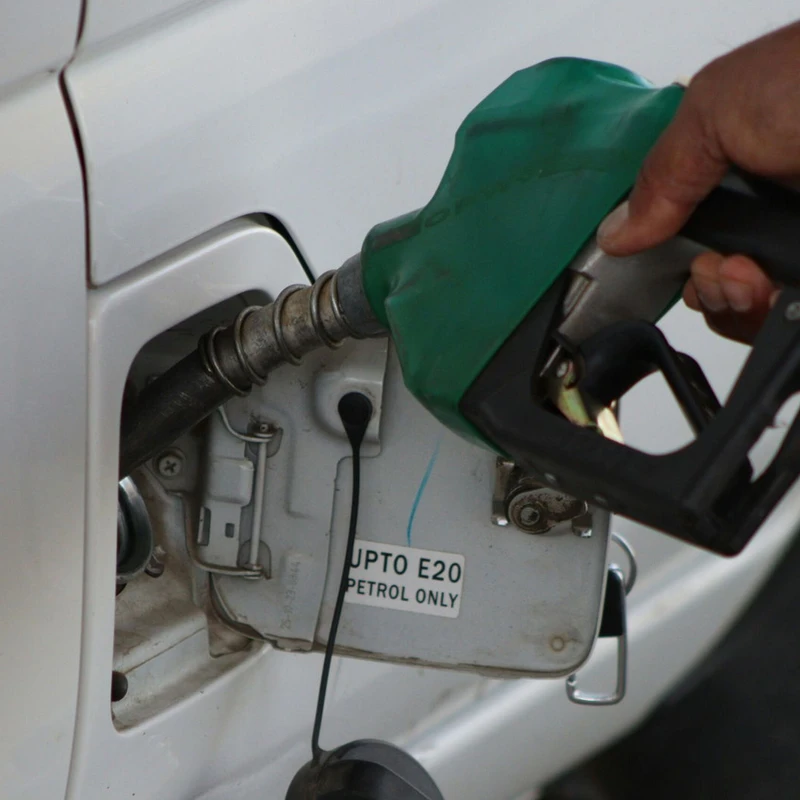
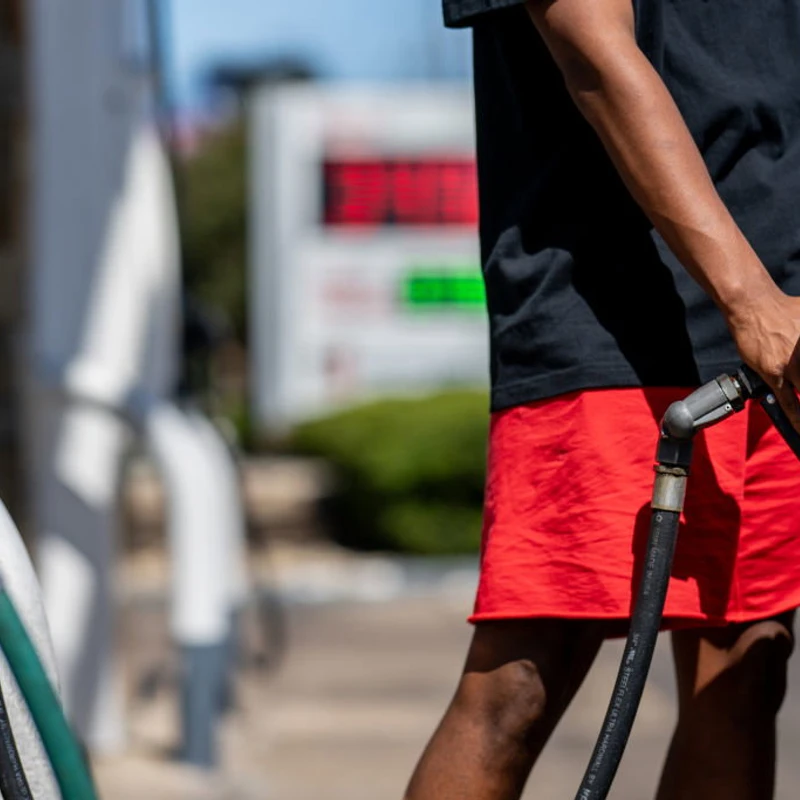
    This assertion directly contradicts current market conditions. Global fuel prices have surged, partly due to the ongoing conflict involving Iran and disruptions in shipping traffic through the Strait of Hormuz. Data from AAA shows that U.S. gas prices have seen their largest monthly jump in over six decades, increasing by more than 21% since February, with the national average now exceeding $4 per gallon.

    Public and Political Backlash

    The internet quickly reacted to Leavitt’s statement. Commenters on social media platforms like Instagram and X (formerly Twitter) expressed disbelief and anger. One user wrote, “They gaslight more than my ex,” while another stated, “These people are so shameless and despicable. Gasoline is up 33% to 50%, depending on where you live.”

    Congressman Shri Thanedar also weighed in, calling the statement “ridiculous” and “insulting.” He posted on X, “Gas prices have increased 30% over the past year, yet Trump’s Press Secretary has the audacity to lie to you and claim that they’ve gone down. The absolute lack of shame is appalling.”

    Treasury Secretary’s Optimism

    In contrast to Leavitt’s assertion, Treasury Secretary Scott Bessent expressed a more cautious optimism during the same press conference. He stated he is “optimistic that during the summer we will see gas with a 3 in front of it sooner rather than later.” This suggests that even within the administration, there’s an acknowledgment of current high prices, with hopes for future decreases.

    Leavitt’s claim has fueled public frustration over rising costs and raised questions about the administration’s transparency regarding economic conditions. The stark contrast between her statement and available data highlights a significant disconnect.

    What are your thoughts on Karoline Leavitt’s statement about gas prices? Do you agree with the public’s reaction? Share your perspective in the comments below!

  • Consumers Frustrated By Rising Surcharges

    Feeling the pinch lately? It’s not just inflation and rising oil prices. Americans are facing a growing wave of added fees from businesses, and the frustration is reaching a boiling point. New research shows that consumers are fed up with these hidden charges as companies pass on increasing costs.

    Record Low Consumer Sentiment on Surcharges

    A recent consumer survey released on April 10th by the University of Michigan revealed the lowest-ever sentiment regarding surcharges. These findings are actually worse than what was seen during the 2008 recession and even the height of the pandemic, signaling a significant and growing concern over these added prices.

    Corey Andrews, a 32-year-old market strategist from Denver, describes himself as a savvy consumer who tries to avoid extra fees. However, he notes, ‘When everything goes up, you run out of levers.’ While many consumers grudgingly accept these fees due to rising costs like fuel, Andrews argues that the current surge isn’t as justified or temporary as businesses claim.

    Changing Habits to Combat Hidden Costs

    In response to these rising costs, consumers like Andrews are adjusting their behavior. This includes avoiding restaurants with added service charges, skipping fee-heavy delivery apps, bundling purchases to dodge shipping fees, and strategically using credit cards with travel perks to offset expenses like baggage fees.

    The Impact of ‘Drip Pricing’

    How much a surcharge bothers consumers often depends on when it appears. Fees that are shown upfront tend to be better received than those mysteriously added at the very end of a transaction. This tactic, known as ‘drip pricing,’ has drawn the attention of regulators. The Federal Trade Commission even banned it for short-term lodging and live-event ticketing in 2025, citing concerns that low initial prices mislead consumers, even if the full costs are eventually disclosed.

    Ben Weinhart, a 27-year-old accountant from Cincinnati, feels that ‘COVID kind of opened the floodgates’ for these surcharges, many of which never returned to pre-pandemic levels. He now feels like he ‘needs to be [his] own detective’ to track all the added costs.

    The Rise of Credit Card Surcharges

    The trend is particularly noticeable with credit card fees. A 2025 study by J.D. Power found that 34% of small businesses now add credit card surcharges. Similarly, a report from the National Restaurant Association indicates that one in five restaurants include these extra fees, a significant jump from 16% in 2022.

    Experts like Vicki Morwitz from Columbia University explain this phenomenon partly through a ‘lock-in effect.’ Shoppers are less likely to abandon a purchase once fees appear at checkout, even if they feel tricked. ‘The next time I come back, I’m still drawn in by that initial low price,’ Morwitz explains, ‘Even if I may have felt tricked the first time.’

    Why Businesses Prefer Surcharges

    Companies often opt for surcharges over straightforward price hikes because they can shift blame to external factors. For instance, labeling a fee a ‘fuel surcharge’ makes it appear directly tied to rising costs rather than increased profit margins, according to Rebecca Hamilton of Georgetown University. Research suggests consumers are more accepting of increases framed this way, viewing them as more legitimate than direct price increases, even if the final cost is the same.

    Michael Weber, a finance professor at Purdue University, notes, ‘We all see it every day passing by the gas station.’ Weinhart highlights the appeal of all-inclusive pricing he experienced in Europe, where ‘the price was just the price.’ He expressed a willingness to pay more upfront to avoid the exhaustion of constantly being vigilant about hidden, last-minute fees.

    How do you feel about the increasing number of surcharges? Are you changing your spending habits because of them? Share your experiences and thoughts in the comments below!

  • Inflation’s Grip on Your Grocery Bill

    Inflation has been a hot topic in economic discussions, and for good reason – it directly impacts our wallets. While recent inflation spikes have begun to cool, the effects are still being felt, especially when it comes to the cost of groceries. For consumers and businesses alike, understanding these shifts is key to navigating the changing economic landscape. While shoppers and retailers might expect some relief from soaring prices, manufacturers of consumer packaged goods (CPGs) face persistent challenges.

    The Grocery Price Puzzle: Below Inflation?

    Data from the USDA’s Food Price Outlook offers some interesting insights. Between July and August 2025, the overall Consumer Price Index (CPI) rose by 0.3%, with a year-over-year increase of 2.9%. Surprisingly, grocery prices (food-at-home) increased at a slightly lower rate, at 2.7% year-over-year. This is in contrast to food-away-from-home prices, which jumped by 3.9%. Restaurants and food service providers are facing inflationary pressures across various areas, including energy, rent, and wages, leading them to raise prices more significantly than grocery stores.

    This disparity presents a unique opportunity for CPG brands. With dining out becoming increasingly expensive, cooking at home is a more appealing alternative for many consumers. Brands can capitalize on this by marketing products that promise restaurant-quality meals at home. Cross-merchandising with retailers can also help guide consumers toward product combinations that recreate the dining-out experience, such as pairing premium pasta sauce with fresh pasta or high-grade meats with complementary sauces.

    Navigating Supply Chain Shocks and Volatility

    Supply chain disruptions, fueled by factors like inflation and unforeseen events, can dramatically impact pricing. Eggs serve as a prime example. After peaking in early 2023, prices saw a historic high in March 2025, largely due to supply chain issues stemming from a bird flu outbreak. Such volatile price swings can be an existential threat to manufacturers.

    To mitigate these risks, brands can adopt a two-pronged strategy. Diversifying their supplier base provides flexibility and reduces exposure to unpredictable price movements. Additionally, developing alternative product formulations allows manufacturers to swap out key ingredients if they become prohibitively expensive. Brands that plan for these supply chain shocks can maintain product availability and acceptable prices, giving them an edge over competitors facing stock-outs or forced price hikes.

    Managing Import Volatility: The Coffee Example

    Imported commodities present their own set of supply chain uncertainties. Coffee, a widely purchased product primarily imported from overseas, illustrates this challenge. Coffee prices have experienced significant fluctuations, with recent spikes driven not just by inflation but also by factors like tariffs. For instance, prices surged in late 2024 and early 2025, reaching an average of $9.13 per pound by September 2025, partly due to tariffs on imports from Brazil. When these tariffs were eliminated, prices dropped.

    This demonstrates how external factors can impact prices independently of domestic inflation. Instead of simply raising prices, which can alienate consumers, brands can employ Price Pack Architecture (PPA). This involves adjusting aspects of a product, like reducing pack size while maintaining the price point, or switching to a value blend. PPA offers a way for CPG manufacturers to navigate import volatility without sacrificing profit margins or driving away customers.

    The Private Label Threat and Brand Equity

    With inflation likely to persist, consumers are increasingly looking for ways to save money. This often means turning to private label brands, which are sold by retailers themselves and typically offer lower prices. Competing solely on price with private labels is rarely a viable strategy for national brands.

    Instead, national brands must invest in innovation and build strong brand equity to justify their premium pricing. This could involve PPA, behind-the-scenes manufacturing improvements, or more strategic supply chain negotiations. Brands that rely solely on price increases are more vulnerable to the private label threat, especially in a climate shaped by inflation and other external factors like tariffs and non-economic issues such as avian flu.

    How are you adapting your grocery shopping habits in response to inflation? Share your tips and strategies in the comments below!

  • Gas Prices Drop Below $3 A Gallon

    Amidst ongoing economic concerns like inflation and layoffs, there’s a bright spot for American consumers: gas prices have hit their lowest average in years! For the first time since 2021, the national average for a gallon of gas has dipped below the $3 mark.

    On December 2nd, the average price across the United States settled at an impressive $2.998 per gallon. This is a significant milestone, bringing much-needed relief to wallets as people continue to navigate the rising cost of living. It’s a welcome change from the pandemic era when prices were last this low.

    A Look at the Numbers

    The year-over-year comparison shows an even more favorable picture. Last December, the average gas price stood at $3.05 per gallon. Now, not only is the national average below $3, but several states are seeing even lower prices, with averages around $2.75 per gallon in regions spanning from New Mexico to South Carolina and Colorado.

    This drop in prices can be attributed to a few key factors. One significant influence is the deregulation of fossil fuel extraction and energy production, a policy championed by former President Donald Trump, who had promised to keep gas prices low through such measures.

    Factors Driving Down Prices

    Beyond policy, global market dynamics are also playing a crucial role. The cost of crude oil barrels has significantly decreased, dropping from $81 to a current rate of $59. This decline is partly due to increased oil production from both OPEC and the U.S., leading to a situation where supply is outpacing demand.

    If this trend of increased supply and lower crude oil costs continues, we could see gas prices become even more affordable in the near future. It’s a welcome development, even as Americans continue to face higher prices for groceries and other essential goods.

    A Silver Lining Amidst Challenges

    While inflation remains a concern, hovering around 3%, the lower gas prices offer a much-needed respite. This affordability crisis is a complex issue, but the decrease at the pump is a positive sign for household budgets across the nation. It’s a reminder that even in challenging economic times, there can be areas of relief.

    • National average gas price drops below $3 a gallon for the first time since 2021.
    • Average price reached $2.998 on December 2nd.
    • Some states are seeing averages as low as $2.75 per gallon.
    • Factors include deregulation policies and decreased crude oil prices.
    • Increased oil production from OPEC and the U.S. is boosting supply.

    How have lower gas prices impacted your budget? Are you seeing these prices in your area? Share your thoughts in the comments below!

  • Inflation: The Retirement Killer

    Planning for retirement involves many calculations, but one factor that can significantly impact your nest egg is often overlooked: inflation. As the cost of goods and services steadily rises each year, the purchasing power of your hard-earned savings diminishes over time. If your retirement savings aren’t outpacing inflation, you could be falling behind without even realizing it.

    The Silent Erosion of Savings

    Patrick Huey, principal advisor at Victory Independent Planning, calls inflation ‘the silent pickpocket of our financial lives.’ When your savings sit in low-interest accounts while prices climb, you’re losing ground month after month. Consider this: with average savings account interest rates hovering around 0.62% and the Consumer Price Index at 2.9%, your money is losing value.

    The impact of inflation is felt across various sectors. For August, shelter costs rose by 0.4%, food and apparel by 0.5%, energy by 0.7%, and used cars by 1%. These increases vary by region, with California, New Jersey, and Hawaii experiencing the highest price hikes. Compounding these issues, the U.S. dollar’s decline in 2025 and new tariffs have further driven up the cost of imports, making it harder for consumers to keep pace.

    Strategies to Combat Inflation’s Impact

    Given that higher inflation seems persistent, how can you protect your retirement plans? Here are four key strategies:

    • **Invest in Hard Assets:** Consider tangible assets like real estate or commodities (e.g., gold). Unlike money, which can be printed, the supply of these assets is limited, potentially helping their value hold steady or increase during inflationary periods.
    • **Utilize Treasury Inflation-Protected Securities (TIPS):** These government-issued bonds adjust their principal value based on the Consumer Price Index (CPI), offering a hedge against rising prices.
    • **Adjust Retirement Calculations:** Research firms like Morningstar suggest accounting for inflation by potentially delaying retirement, reducing spending, or adjusting withdrawal rates annually based on inflation levels.
    • **Maximize Cash Reserves:** Ensure the cash portion of your portfolio works harder. High-yield savings accounts, especially those offered by online or mobile banks, can provide yields of 4% or more, potentially outpacing the current 2.9% inflation rate and allowing your cash reserves to grow.

    Daniela Jones, a financial planner with Intrinsic Wealth Counsel, advocates for high-yield savings accounts, noting their ease of setup and transfer capabilities. ‘Why not let your emergency funds earn you a few extra hundred dollars a year? It takes maybe 10 minutes to set up — that’s a great return on your time investment,’ she advises.

    What strategies are you using to protect your retirement savings from inflation? Share your tips in the comments below!

  • Walmart Thanksgiving Meal: Cheaper or Smaller?

    As the Thanksgiving holiday approaches, there’s been a lot of talk about the economy, particularly concerning the cost of our holiday feasts. President Trump and the White House recently made headlines, claiming that Walmart’s Thanksgiving meal is significantly cheaper this year, even touting it as a sign of economic prosperity under his administration.

    The Claims Made

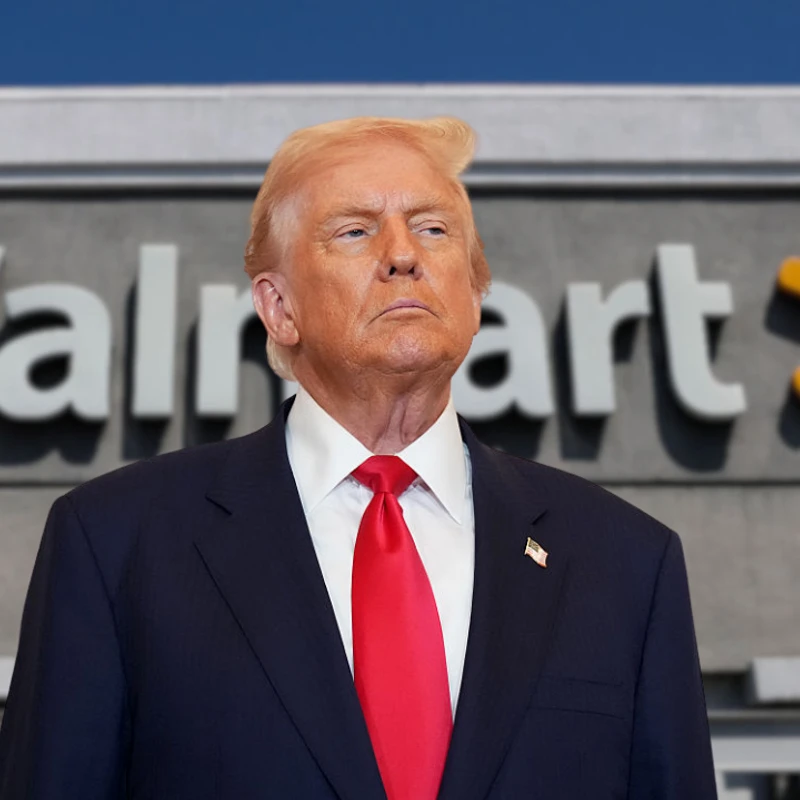
    On Truth Social, Trump stated, “Walmart just announced that Prices for a Thanksgiving Dinner is now down 25% since under Sleepy/Crooked Joe Biden, in 2024.” He emphasized that “AFFORDABILITY is a Republican Stronghold.” The White House echoed this sentiment in a press release, noting that “Walmart’s Thanksgiving meal costs 25% less than last year — with its lowest turkey price since 2019.” They highlighted that the meal feeds ten people for just under $4 per person.

    Digging Deeper: What’s Really Happening?

    However, a closer look at these claims reveals a different story. Fact-checkers have pointed out that the advertised savings might be missing some crucial context. While the price might seem lower, the actual contents of the Walmart Thanksgiving meal have changed.

    The 2025 Walmart Thanksgiving meal package includes 15 items, whereas the 2024 meal contained 21 items. Furthermore, many of the brand-name products featured in last year’s meal have been replaced with Great Value store-brand items. For instance, popular items like Jiffy Corn Muffin Mix and Ocean Spray Jellied Cranberry Sauce, which were part of the 2024 offering, are not included in the 2025 meal.

    The Broader Economic Picture

    These adjustments come at a time when many Americans are feeling the pinch of inflation. Despite claims of an economic “golden age,” the costs of essential goods like food, gas, and energy remain high. Data from the U.S. Bureau of Labor Statistics shows that average grocery prices have increased by 3% compared to last year, with meats, poultry, fish, and eggs seeing a significant jump of 5.2%.

    While the Walmart Thanksgiving meal might appear cheaper on the surface due to a reduced number of items and the use of store brands, the overall economic reality for many consumers points to rising costs rather than widespread affordability. It’s always a good idea to look beyond the headlines and check the details when evaluating economic claims.

    What are your thoughts on the cost of Thanksgiving groceries this year? Have you noticed changes in the items or prices at your local stores? Share your experiences in the comments below!

  • Small Business Owners Less Confident About Profits

    As the final quarter of 2025 approaches, a crucial period for many businesses, a recent survey from NEXT Insurance reveals a dip in confidence among small business owners regarding their year-end profits. This cautious outlook is a shift from the optimism seen last year, suggesting owners are navigating a more uncertain economic landscape.

    Declining Profit Expectations

    This year, just under half of business owners (49%) anticipate an increase in profits, a decrease from 55% in 2024. This six-point drop could be attributed to a combination of factors, including persistent inflation, rising costs, and a noticeable slowdown in consumer demand. These economic headwinds are making it tougher for small businesses to project strong financial growth.

    Interestingly, the number of business owners expecting no change in profits has jumped significantly, from 27% to 35%. This suggests a growing concern about growth stagnation, while slightly fewer owners (16% compared to 18% last year) are bracing for profit shortfalls. It’s a mixed bag, but the overall trend points towards a more conservative financial outlook.

    Investment and Hiring Trends

    Despite the cautious profit outlook, more business owners report having extra income available for reinvestment compared to last year. However, changes in the five key investment areas—customer acquisition, product development, equipment/technology, hiring, and risk management—have been nominal.

    A notable shift is occurring in hiring and retention, with a 3% increase reported. While the overall percentage of owners planning to hire remains steady, the number of employees businesses intend to bring on board has increased. A larger proportion of businesses are looking to hire 10 or more new workers, or six to 10, indicating a potential focus on scaling up operations for the crucial holiday season.

    Hiring Landscape Improves

    On a positive note, the challenge of finding employees seems to be easing. Only 8% of owners cited difficulty in hiring as a reason for not hiring in the final months of the year, a significant drop from 15% last year. This suggests the labor market might be becoming more favorable for employers.

    Looking at the first half of 2025, profit results were largely steady. While the percentage of businesses exceeding profit expectations saw a slight decrease (from 22% to 20%), the largest group (42%) reported profits meeting expectations. Fewer owners experienced worse-than-expected profits compared to 2024.

    Navigating Economic Uncertainty

    These findings align with broader economic trends, including reports from the Federal Reserve indicating that a significant portion of small businesses operated at a loss or saw revenue declines in 2024. While profits aren’t plummeting, the combination of slowing demand, increasing expenses, and general economic uncertainty means business owners are likely to remain cautious.

    How has your business been impacted by economic uncertainty this year? Are you feeling more or less confident about your year-end profits? Share your experiences in the comments below!