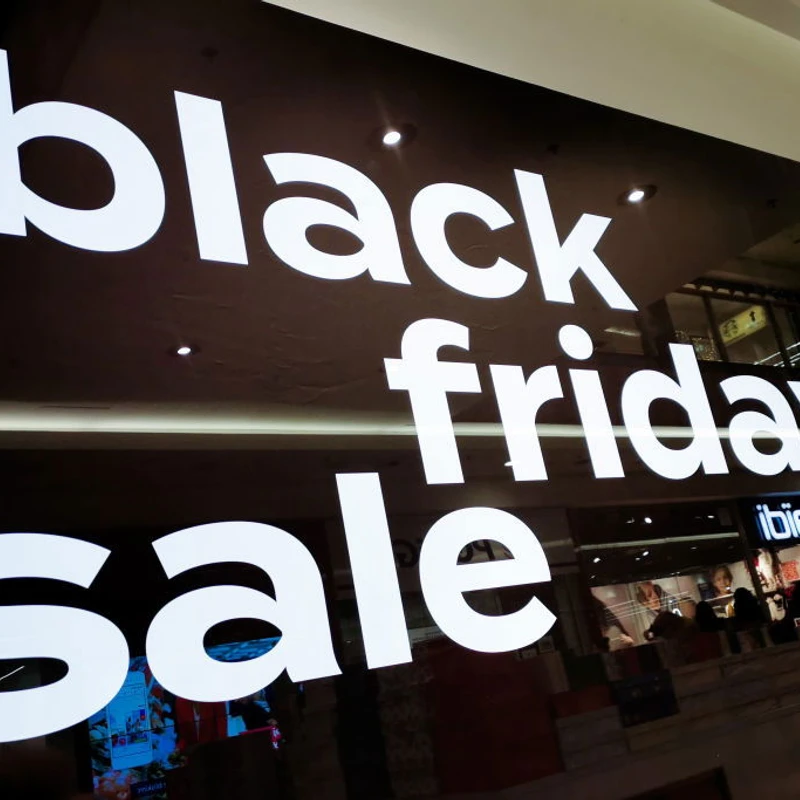
The dust has settled on another Black Friday, and the numbers are in. Retail sales saw a notable increase compared to last year, with a 4.1% rise in overall sales and an even more impressive 9.1% jump in online spending. While the White House might be touting these figures as evidence of a booming economy, some economists are urging caution, suggesting these numbers might be masking underlying economic weaknesses and flagging consumer confidence.
Inflation Clouds the Spending Surge
The key issue, according to economists like Rick Newman, is inflation. With goods costs rising due to inflation, that 4.1% increase in spending might translate to a much smaller real increase in purchasing power, potentially as low as 1%. This means Americans might be spending more, but they’re not necessarily buying significantly more goods or services. The Federal Reserve’s “Beige Book” also paints a complex picture, revealing that while higher earners are spending freely on luxury items and travel, those with lower and middle incomes are increasingly budgeting and cutting back.
This divergence in spending habits is a hallmark of the K-shaped economy. In this scenario, higher earners benefit from rising stock markets and property values, boosting their disposable income. Conversely, those on the lower end of the economic spectrum often live paycheck to paycheck, making them more vulnerable to economic downturns and more reliant on discounted deals, like those offered on Black Friday.
Consumer Confidence and Job Security Concerns
Consumer spending is a massive driver of economic activity, making up about two-thirds of the U.S. economy. The holiday season, therefore, serves as a critical indicator of how consumers are navigating the current economic climate. However, job security remains a concern for many. With rising costs for necessities like groceries and heating, and a job market that feels uncertain for some, many shoppers are likely to be more frugal this holiday season, as Newman suggests.
Retailers Face Their Own Challenges
The economic pressures aren’t just affecting consumers; retailers are also feeling the strain. Many are struggling to balance customer price expectations with the rising costs associated with President Donald Trump’s trade policies. The National Retail Federation reports that a significant majority of consumers anticipate higher prices due to tariffs, leading them to be more discerning about where they shop.
This environment has created winners and losers among retailers. Savvy businesses like Walmart and T.J. Maxx, known for their value-oriented offerings, are reportedly thriving. In contrast, retailers like Target and Bath & Body Works appear to be facing more challenges this holiday season, likely due to shifting consumer priorities and price sensitivities.
What are your thoughts on the Black Friday sales numbers? Do you think they reflect a strong economy or consumer caution? Share your perspective in the comments below!
Leave a Reply