
Tag: holiday shopping

  • TikTok Shop Surges with $500M Black Friday Sales

    TikTok Shop has shattered its previous records, raking in over $500 million in sales during the recent Black Friday–Cyber Monday weekend. This massive surge in revenue was significantly boosted by Black creators who leveraged the shopping frenzy to encourage consumers to support Black-owned businesses.

    Creators Championing ‘Buy Black’

    Influencers like Talia Cadet used their platforms to highlight Black-owned brands, urging followers to participate in the “Buy Black” movement. Cadet’s video, which garnered over 48,000 views, featured five Black-owned businesses, including Elle Vie’s body care products, Anima Iris’s leather bags, Danessa Myricks’ beauty sets, Elisa Johnson eyewear, and Oma the Label jewelry. She emphasized the holiday deals available, encouraging shoppers to stock up on gifts and personal favorites.

    Other creators, such as Fisayo OG, also spotlighted Black-owned beauty and shapewear brands like Meji Meji, Marviano Cosmetics, Fumi the Label, and Tarssee. The collective message from these creators was clear: make conscious choices to support Black entrepreneurs during the crucial holiday shopping season.

    Record-Breaking Sales Driven by Live Shopping

    The support for Black-owned businesses played a pivotal role in TikTok Shop’s success, contributing to a nearly 50% increase in U.S. shoppers compared to the previous year. The platform’s Live Shopping feature proved to be a major driver of these record-breaking results. Brands and creators found innovative ways to engage shoppers, entertain them, and foster brand loyalty through real-time interaction.

    Patrick Nommensen, head of strategic initiatives for TikTok Shop in the Americas, highlighted the power of Live Shopping: “Live Shopping is where brand love starts—it’s a dynamic, interactive experience that deepens how our users connect with brands on TikTok.” He noted that the immediate, real-time engagement helps build trust, strengthen community, and convert interest into long-term loyalty. Brands and sellers who hosted livestreams saw an impressive 84% increase in sales compared to the previous year.

    TikTok as a Discovery Platform

    TikTok continues to solidify its position as a go-to platform for product discovery, especially during the holiday season. Surveys indicate that one in three users turn to TikTok for holiday gift inspiration, and GlobalData reports that 83% of TikTok Shop shoppers discover new products there. As the holiday season progresses, the platform’s influence is expected to help Black-owned businesses reach even more consumers.

    Did you shop on TikTok this Black Friday–Cyber Monday weekend? What Black-owned businesses did you discover or support? Share your experiences in the comments below!

  • Beat Holiday Financial Stress: 9 Smart Tips

    The holidays are often painted as the ‘happiest time of the year,’ filled with joy, family, and festive cheer. But for many, the reality is a mounting pile of financial pressure. Between gift-giving, hosting parties, and covering seasonal expenses, the urge to spend can feel overwhelming, especially if you’re already navigating challenges like debt or unexpected costs.

    Recognizing the Signs of Financial Stress

    Financial stress during the holidays isn’t just about numbers; it impacts our well-being. Symptoms can range from sleepless nights and stress eating to feelings of sadness, anxiety, and guilt over spending. Nearly half of U.S. adults report that money negatively affects their mental health. If this sounds familiar, know that you’re not alone, and seeking support from a mental health professional can provide valuable tools.

    On average, Americans are projected to spend around $902 per person on holiday items like food, gifts, and decorations. With 58% of adults feeling stressed about overspending or lacking funds, it’s clear that managing holiday finances is a widespread concern.

    Nine Ways to Navigate Holiday Financial Anxiety

    Don’t let financial worries dim your holiday spirit! Here are nine practical strategies to help you manage stress and enjoy the season:

    • **Prioritize Your Mental Health:** Engage in self-care activities you enjoy, like walking, reading, or pursuing hobbies. This boosts your mood, reduces stress, and increases energy.
    • **Focus on Nonmaterial Joys:** Shift your focus from material purchases to creating meaningful experiences. Memories from travel, entertainment, or shared meals often bring more lasting satisfaction than material goods.
    • **Beat the Holiday Blues:** Recognize that increased anxiety during the holidays is common. Factors like gift-giving expectations, dietary changes, or being away from loved ones can impact mood. Be mindful and practice self-compassion.
    • **Set a Realistic Budget:** Determine exactly how much you can afford to spend on gifts, meals, and decorations, and stick to it. A clear budget provides a sense of control and reduces anxiety.
    • **Seek Financial Guidance:** If financial stress is impacting your health, organizations like the Foundation for Financial Planning offer free advice. Financial therapy can also help address the emotional aspects of money.
    • **Learn to Delegate:** Don’t feel you have to do everything alone. Sharing holiday tasks, like making it a potluck dinner, can save money and reduce your workload, making the season more enjoyable.
    • **Stay Hydrated:** Simple acts of self-care, like drinking enough water, can positively impact your mental health and help manage symptoms of depression and anxiety.
    • **Make Time to Relax:** Amidst the hustle, schedule downtime to savor traditions and recharge. Many people regret not taking time to relax and enjoy the holidays, often prioritizing others’ happiness over their own well-being.
    • **Recognize SAD Symptoms:** As days shorten, some experience Seasonal Affective Disorder (SAD). If you notice changes in mood or energy, consult a therapist, consider light therapy, exercise regularly, and build a strong support network.

    A Clinician’s Perspective

    Take a moment to turn inward and examine the “why” for the holiday stress. Is it the pressure to match the monetary level of gifts that you are giving and receiving? Do you feel obliged to host and buy new home items to make everything “perfect” for your guests? See if you can find the underlying reason and offer compassion for that part of yourself. — Ashley Ayala, LMFT, Clinical reviewer

    Understanding the root cause of your holiday stress—whether it’s pressure to spend, host perfectly, or meet external expectations—can help you approach the season with more self-compassion and intention.

    What are your go-to strategies for managing holiday financial stress? Share your best tips in the comments below!

  • Black Friday Sales: A Mixed Bag for the Economy?

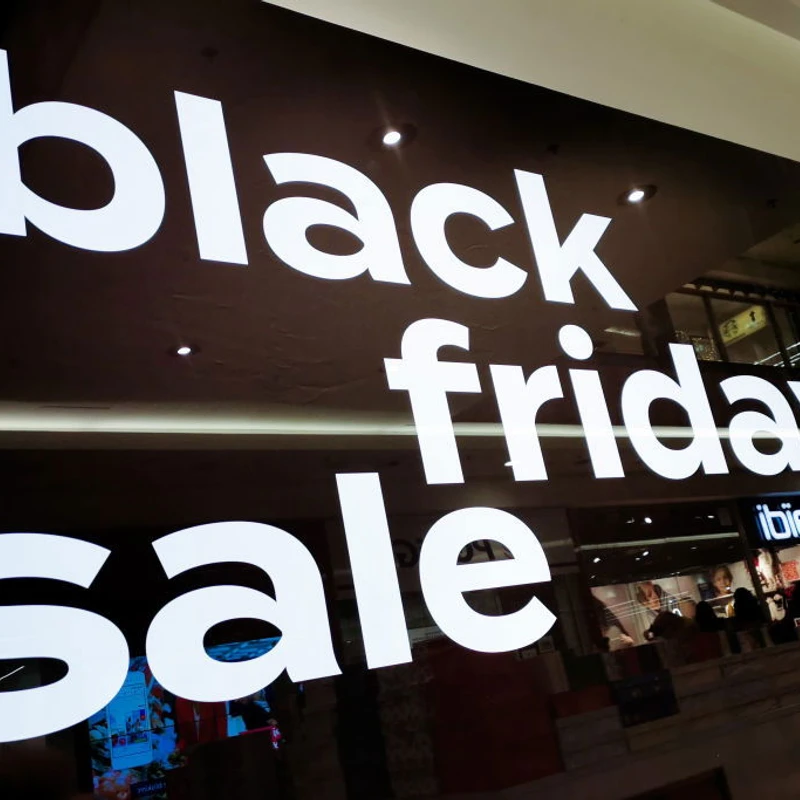
    The dust has settled on another Black Friday, and the numbers are in. Retail sales saw a notable increase compared to last year, with a 4.1% rise in overall sales and an even more impressive 9.1% jump in online spending. While the White House might be touting these figures as evidence of a booming economy, some economists are urging caution, suggesting these numbers might be masking underlying economic weaknesses and flagging consumer confidence.

    Inflation Clouds the Spending Surge

    The key issue, according to economists like Rick Newman, is inflation. With goods costs rising due to inflation, that 4.1% increase in spending might translate to a much smaller real increase in purchasing power, potentially as low as 1%. This means Americans might be spending more, but they’re not necessarily buying significantly more goods or services. The Federal Reserve’s “Beige Book” also paints a complex picture, revealing that while higher earners are spending freely on luxury items and travel, those with lower and middle incomes are increasingly budgeting and cutting back.

    This divergence in spending habits is a hallmark of the K-shaped economy. In this scenario, higher earners benefit from rising stock markets and property values, boosting their disposable income. Conversely, those on the lower end of the economic spectrum often live paycheck to paycheck, making them more vulnerable to economic downturns and more reliant on discounted deals, like those offered on Black Friday.

    Consumer Confidence and Job Security Concerns

    Consumer spending is a massive driver of economic activity, making up about two-thirds of the U.S. economy. The holiday season, therefore, serves as a critical indicator of how consumers are navigating the current economic climate. However, job security remains a concern for many. With rising costs for necessities like groceries and heating, and a job market that feels uncertain for some, many shoppers are likely to be more frugal this holiday season, as Newman suggests.

    Retailers Face Their Own Challenges

    The economic pressures aren’t just affecting consumers; retailers are also feeling the strain. Many are struggling to balance customer price expectations with the rising costs associated with President Donald Trump’s trade policies. The National Retail Federation reports that a significant majority of consumers anticipate higher prices due to tariffs, leading them to be more discerning about where they shop.

    This environment has created winners and losers among retailers. Savvy businesses like Walmart and T.J. Maxx, known for their value-oriented offerings, are reportedly thriving. In contrast, retailers like Target and Bath & Body Works appear to be facing more challenges this holiday season, likely due to shifting consumer priorities and price sensitivities.

    What are your thoughts on the Black Friday sales numbers? Do you think they reflect a strong economy or consumer caution? Share your perspective in the comments below!

  • Slash Holiday Spending: 12 Ways to Save Over $1 Trillion

    The holiday season is just around the corner, and with it comes the exciting, yet sometimes daunting, prospect of gift-giving and festive feasts. But get ready, because this year’s spending is projected to be HUGE – we’re talking over a trillion dollars! The National Retail Federation is predicting a record-breaking holiday season for U.S. consumers, even with economic uncertainties and rising prices. It’s easy to get caught up in the frenzy and overspend, but don’t worry, we’ve got your back with some savvy strategies to keep your wallet happy.

    Understanding the Spending Surge

    It’s no secret that holiday spending can get out of hand. Many shoppers fall into the trap of impulse buys or feel pressured to be overly generous, leading to a bigger dent in their finances than anticipated. The average consumer is expected to shell out close to $891 on gifts, food, and other holiday essentials this year, according to a recent survey. And if you look at broader spending, including travel and entertainment, some reports suggest Americans could spend nearly $2,800!

    This surge in spending is happening amidst a backdrop of inflation and price volatility, which can leave many feeling stressed. It’s no wonder then that a significant number of consumers, around 70%, are planning to set firmer budgets this year, and over 65% are adjusting their shopping habits due to factors like tariffs. Despite these challenges, there’s a sense of cautious optimism, with many Americans feeling secure about their financial situations.

    12 Ways to Keep Your Holiday Budget Intact

    The good news is that you can absolutely enjoy the holidays without accumulating a mountain of debt. By implementing a few smart strategies, you can significantly cut down on holiday splurging. Let’s dive into some practical tips that can help you manage your spending and start 2026 with less financial stress.

    1. **Set and Stick to a Budget:** Be super specific about how much you’ll spend on gifts, food, and decorations. Keep a running tally to ensure you’re staying on track.
    2. **Create a Detailed Shopping List:** Know exactly who you’re buying for, your spending limit per person, and specific gift ideas. This prevents impulse buys.
    3. **Shop Early for Deals:** Beat the rush and snag discounts before prices potentially climb. Early bird shopping can save you from last-minute, higher-priced purchases.
    4. **Use Cash or Debit Cards:** These methods make your spending tangible, helping you stay within your budget. Credit cards can easily lead to overspending.
    5. **Avoid Store Credit Cards:** While tempting for an initial discount, the high interest rates and fees can quickly add up and encourage more spending.
    6. **Resist Unplanned Purchases:** Stick to your list and budget. Don’t get swayed by impulse buys or add items you didn’t plan for.
    7. **Research Discounts and Sales:** Before you buy, check online prices, compare retailers, and look for Black Friday, Cyber Monday, and digital/paper coupons.
    8. **Organize a Gift Exchange:** Suggest a Secret Santa or a similar gift swap with family or friends. Set a spending limit for everyone involved.
    9. **Consider Homemade Gifts:** Thoughtful DIY gifts, like baked goods or personalized photo albums, can be incredibly meaningful and budget-friendly.
    10. **Explore Unconventional Shopping Spots:** Hit up yard sales, thrift stores, resale sites, and social media marketplaces for unique and affordable finds.
    11. **Utilize Unspent Gift Cards and Vouchers:** Don’t let those leftover gift cards or store credits go to waste. Use them for holiday purchases!
    12. **Seek Online Financial Advice:** Websites like Credit.com offer great tips and resources for managing holiday spending effectively.

    Making Smart Choices for a Stress-Free Holiday

    This holiday season, you have the power to make smart financial choices. By planning ahead, staying disciplined, and exploring creative solutions, you can enjoy all the festivities without the post-holiday financial hangover. Remember, the most valuable gifts are often the ones that come from the heart, not necessarily the most expensive ones.

    What are your go-to strategies for saving money during the holidays? Share your best tips in the comments below!

  • Beat Holiday Debt: Smart Travel Tips

    The holiday season is upon us, and while many are eager to travel and reconnect, there’s a looming concern: holiday debt. With economic uncertainties and rising inflation, budgets are tighter than ever. Yet, travel remains a priority for many, especially younger generations. But be warned: that end-of-year getaway could lead to months of financial struggle in 2026 if not planned carefully.

    The Travel Temptation

    PwC’s 2025 Holiday Outlook survey reveals that a significant portion of Americans, particularly Gen Z and Millennials (55%), plan to travel during the upcoming holidays. Despite overall spending dipping, travel budgets are actually up by 1%. This desire to travel, perhaps amplified after years of pandemic restrictions, can lead to overspending. A staggering 36% of people still grapple with holiday debt from the previous year, according to Consolidated Credit.

    Your Strategy for a Debt-Free 2026

    To avoid a financial hangover, it’s crucial to develop a strategy *before* the holidays hit. This approach helps you maximize card rewards, minimize expenses, and prevent debt from lingering into the new year. Current, a consumer fintech platform, suggests these smart moves:

    • **Book Smartly:** Last-minute bookings often mean higher prices. Aim to lock in travel plans as early as possible. For Christmas travel, the ‘sweet spot’ for booking is typically two weeks in advance, according to Skiplagged.
    • **Fly Cheaper:** The Monday before Thanksgiving (Nov. 24) and Christmas Eve (Dec. 24) are often the cheapest days to fly. Conversely, the Saturdays before Thanksgiving (Nov. 22) and Christmas (Dec. 20) are usually the most expensive.

    Tackling Debt Before You Travel

    Putting holiday travel expenses on high-interest credit cards (averaging 20%) can quickly spiral out of control and damage your credit. The smarter move? Save up as much as you can beforehand. Look for financial institutions offering the highest savings rates to help your money grow. Starting early for 2026 savings is also a wise move.

    Beware of Hidden Fees

    Banks and credit card companies often rely on fees for revenue. When traveling internationally, pay close attention to potential charges. Financial planner Tanner Merritt advises using cards that don’t charge foreign transaction fees, as these can add up quickly, especially on large purchases like hotels. Also, look for accounts with no overdraft fees (or overdraft protection) and a wide fee-free ATM network.

    Maximize Your Rewards

    Your credit cards can be powerful tools for saving money, not creating debt. Financial planner Mike Casey suggests reviewing which cards offer the best travel rewards or cash back. Use these cards strategically for flights, hotels, and gas. Many cards offer bonus points through their travel portals or for spending in specific categories, so focus your spending where it yields the most benefits.

    • **Check for Add-ons:** Many cards offer valuable extras like trip cancellation insurance or rental car coverage. Take advantage of these perks!

    By planning ahead and being mindful of your spending, you can enjoy your holiday travels without letting credit card statements cast a shadow over your new year. Remember, the goal is to create lasting memories, not lasting debt.

    What are your best tips for avoiding holiday debt during travel? Share them in the comments below!