Tag: Tariffs

  • Trump Focuses on Companies Not Seeking Tariff Refunds

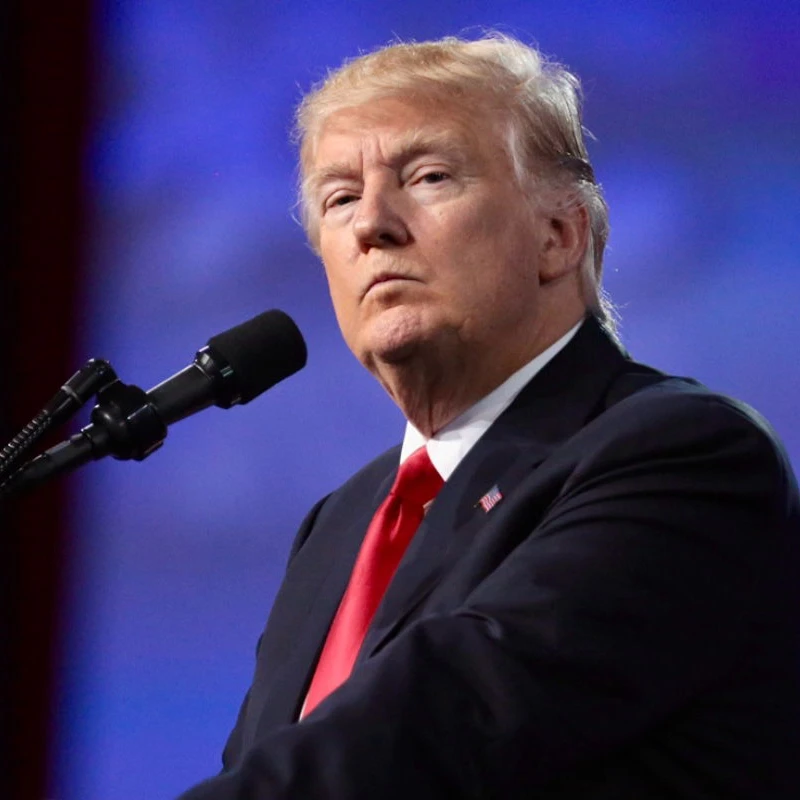
    In a surprising turn of events, the White House has agreed to reimburse companies for $166 billion in tariffs that were deemed illegal by the Supreme Court. However, President Donald Trump appears to be focusing his attention elsewhere, specifically on companies that have *not* sought these refunds, stating he will ‘remember them.’

    A Supreme Court Ruling and a Presidential Response

    The Supreme Court’s February ruling mandated the administration to pay back the substantial sum. During a recent interview on CNBC’s ‘Squawk Box,’ Trump voiced his displeasure with the decision, suggesting that the money was being ‘given back to countries that hate our country.’ This sentiment highlights his perspective on the impact of these tariffs.

    When questioned about major companies like Apple and Amazon potentially holding back on refund requests to avoid ‘offending’ the president, Trump responded positively. He called their potential actions ‘Brilliant’ and expressed that if they don’t seek refunds, ‘I’ll remember them.’ This suggests a strategic approach to rewarding loyalty or perceived support.

    The Refund Process and Company Reactions

    For companies looking to recoup their losses, the administration launched an online portal on April 20th to facilitate refund applications. Early applicants included major players like UPS and FedEx. Following their lead, large retailers such as Levi Strauss and Gap have also initiated the process.

    Levi’s Chief Financial Officer, Harmit Singh, indicated that the company anticipates receiving close to $80 million in refunds for tariffs paid on imported denim and apparel. Katrina O’Connell, CFO of Gap, mentioned that while the company has been clear about the significant impact tariffs have had on their performance, they are still seeking clarity on the specifics of when and how refunds will be realized.

    Broader Impact of Tariffs

    The Trump Administration’s imposition of tariffs, often starting at 10% on all imported goods and higher for specific commodities and countries, has significantly affected businesses, particularly small ones. Brian Barkley, sales manager at Poggesi, an outdoor furniture company, noted that tariffs are a constant topic of discussion with customers. His company estimates it will recoup about $300,000, which he described as a huge relief, allowing them to focus on design and projects rather than the added cost of imports.

    What are your thoughts on President Trump’s focus on companies not seeking tariff refunds? Let us know in the comments below!

  • Costco Sues Trump Admin for Tariff Refunds

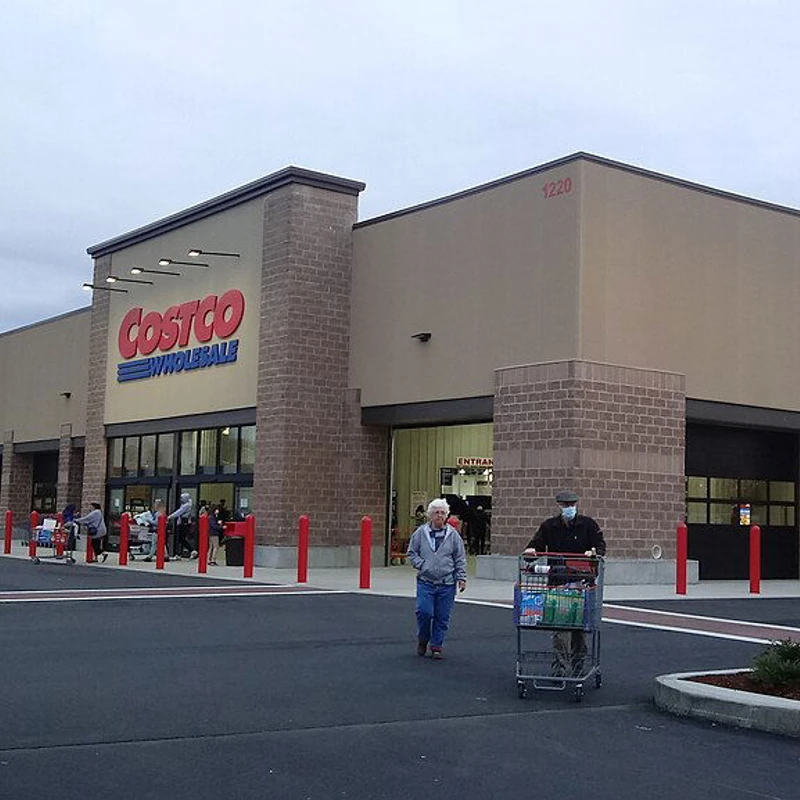
    Costco Wholesale is taking a bold step, suing the Trump administration to reclaim all the duties it paid under a specific executive order. The retail giant argues that these tariffs, imposed under the International Emergency Economic Powers Act (IEEPA), were unlawful and is seeking a full refund.

    Challenging the Lawfulness of Tariffs

    The lawsuit, filed over Thanksgiving weekend at the U.S. Court of International Trade, contends that IEEPA does not grant the President clear authority to set tariffs. Costco’s legal team argues that the challenged tariff orders should not stand, and therefore, the defendants were not authorized to implement and collect them. This legal challenge targets the very foundation of how these import duties were applied.

    This move comes as importers, including Costco, have collectively paid nearly $90 billion in IEEPA-related tariffs as of September, according to U.S. Customs and Border Protection data. While the exact amount Costco is seeking remains unclear, the company asserts that these tariffs have negatively impacted its business operations.

    A Precedent-Setting Case

    Notably, Donald Trump is the first president to utilize the IEEPA law for imposing import duties. This has led to legal scrutiny, with two lower courts already ruling that Trump exceeded his authority by using emergency powers for these tariffs. Although the tariffs remained in place during the appeals process, the case is now before the Supreme Court.

    Costco isn’t alone in this fight. Several other companies, including Revlon, EssilorLuxottica, Kawasaki, Yokohama Tire, and Bumble Bee, have filed similar lawsuits. They are all hoping to protect their rights to refunds should the Supreme Court ultimately strike down these tariffs. The outcome of this case could have significant implications for future trade policies and the use of emergency powers in economic matters.

    Key Points of the Lawsuit

    • Costco is suing the Trump administration for a full refund of tariffs paid under IEEPA.
    • The lawsuit argues that the President lacks clear authority under IEEPA to set tariffs.
    • Importers have paid nearly $90 billion in IEEPA-related tariffs.
    • Costco claims business has suffered due to the tariffs.
    • The case is heading to the Supreme Court, with other companies filing similar suits.

    Costco’s Chief Financial Officer, Gary Millerchip, previously noted that about a third of the company’s U.S. sales involve imported products. Filing the lawsuit before the December 15 deadline simplifies the process for Costco to potentially recover funds paid to the government, making this a crucial moment for the retail giant and other affected businesses.

    What are your thoughts on Costco’s lawsuit against the Trump administration regarding tariffs? Do you think the tariffs were justified? Share your opinions in the comments below!

  • Black Friday Sales: A Mixed Bag for the Economy?

    The dust has settled on another Black Friday, and the numbers are in. Retail sales saw a notable increase compared to last year, with a 4.1% rise in overall sales and an even more impressive 9.1% jump in online spending. While the White House might be touting these figures as evidence of a booming economy, some economists are urging caution, suggesting these numbers might be masking underlying economic weaknesses and flagging consumer confidence.

    Inflation Clouds the Spending Surge

    The key issue, according to economists like Rick Newman, is inflation. With goods costs rising due to inflation, that 4.1% increase in spending might translate to a much smaller real increase in purchasing power, potentially as low as 1%. This means Americans might be spending more, but they’re not necessarily buying significantly more goods or services. The Federal Reserve’s “Beige Book” also paints a complex picture, revealing that while higher earners are spending freely on luxury items and travel, those with lower and middle incomes are increasingly budgeting and cutting back.

    This divergence in spending habits is a hallmark of the K-shaped economy. In this scenario, higher earners benefit from rising stock markets and property values, boosting their disposable income. Conversely, those on the lower end of the economic spectrum often live paycheck to paycheck, making them more vulnerable to economic downturns and more reliant on discounted deals, like those offered on Black Friday.

    Consumer Confidence and Job Security Concerns

    Consumer spending is a massive driver of economic activity, making up about two-thirds of the U.S. economy. The holiday season, therefore, serves as a critical indicator of how consumers are navigating the current economic climate. However, job security remains a concern for many. With rising costs for necessities like groceries and heating, and a job market that feels uncertain for some, many shoppers are likely to be more frugal this holiday season, as Newman suggests.

    Retailers Face Their Own Challenges

    The economic pressures aren’t just affecting consumers; retailers are also feeling the strain. Many are struggling to balance customer price expectations with the rising costs associated with President Donald Trump’s trade policies. The National Retail Federation reports that a significant majority of consumers anticipate higher prices due to tariffs, leading them to be more discerning about where they shop.

    This environment has created winners and losers among retailers. Savvy businesses like Walmart and T.J. Maxx, known for their value-oriented offerings, are reportedly thriving. In contrast, retailers like Target and Bath & Body Works appear to be facing more challenges this holiday season, likely due to shifting consumer priorities and price sensitivities.

    What are your thoughts on the Black Friday sales numbers? Do you think they reflect a strong economy or consumer caution? Share your perspective in the comments below!

  • Trump’s NATO Ultimatum on Ukraine War

    Former President Donald Trump has laid out a bold, albeit conditional, plan to end the ongoing war in Ukraine. In a recent online statement, he made it clear that his support for NATO and efforts to resolve the conflict come with some significant demands for both the alliance and China.

    Trump’s Demands for NATO and China

    Trump’s core demand for NATO is straightforward: stop purchasing oil from Russia. He argues that continued energy trade with Moscow undermines the effectiveness of any sanctions imposed by the alliance. He believes that cutting off this revenue stream is crucial for weakening Russia’s ability to fund the war.

    Furthermore, Trump is calling for substantial tariffs on China, ranging from 50% to 100%. The goal here is to curb China’s influence over Russia and compel Beijing to play a role in ending the conflict. These tariffs, in his view, should remain in effect until the war is officially concluded.

    The ‘My Way or the Highway’ Approach

    In his statement, Trump asserted that the war “would never have started” under his presidency and placed blame on current President Joe Biden and Ukrainian President Volodymyr Zelenskyy, referring to it as “their war.” He positions himself as an intervener aiming to save lives, but his proposed solution is an ultimatum: follow his plan, or he won’t commit U.S. resources.

    • NATO members like Germany, France, and Turkey are still buying Russian oil, which Trump sees as a loophole in sanctions.
    • He wants to impose heavy tariffs on China to limit its support for Russia.
    • His message is clear: implement his strategy, or the U.S. will disengage.

    Potential Consequences and Challenges

    If NATO were to adopt Trump’s plan, the ripple effects could be significant. European energy prices might surge as countries scramble to find alternative oil suppliers. Global trade relations could become more strained, with potential retaliatory tariffs from China or disruptions to vital export markets.

    On the other hand, a halt in Russian oil revenue could indeed weaken Moscow’s war chest. However, some NATO allies might resist due to concerns about the economic impact on their own nations. If NATO rejects his demands, Trump could withhold U.S. sanctions, potentially slowing down international pressure on Russia and allowing him to shift blame for any prolonged conflict.

    A Bold Strategy Focused on Economic Pressure

    Trump’s strategy hinges on financial and trade leverage rather than solely on military aid or traditional diplomacy. It’s a high-stakes approach that could either corner Russia and China or create new geopolitical and economic challenges. Ultimately, his proposal forces NATO to confront a difficult choice: risk economic instability to follow his lead, or ignore his demands and potentially face accusations of prolonging the war.

    What do you think of Donald Trump’s plan for ending the Ukraine war? Share your opinions in the comments below!

  • Apple’s New iPhone: Price Hikes Expected?

    Get ready, Apple fans! Today’s unveiling of the next generation of iPhones is shrouded in the usual excitement, but this year, there’s a significant question mark hanging over one crucial detail: the price. With global trade tensions and tariffs in play, analysts are predicting that Apple might finally break its streak of steady pricing and introduce a price hike.

    The Impact of Tariffs and Trade Wars

    Since 2020, Apple has maintained a consistent price point: $800 for the base model iPhone and $1,200 for the top-tier offering. However, the current global trade landscape, particularly the tariffs imposed by the Trump administration aimed at bringing manufacturing back to the U.S., could change all that. Despite calls to manufacture iPhones domestically, the reality is that production largely remains in China and India.

    Analysts suggest that moving production to the U.S. would be incredibly complex and could potentially double or even triple the current average price of around $1,000 per iPhone. To navigate these challenges and maintain its profit margins, Apple might pass on the approximately 25% import duties to consumers, leading to a potential price increase of $50 to $100 on some new models.

    What to Expect from the New iPhone Lineup

    While the price might be a concern, the new iPhones, likely dubbed the iPhone 17 (following the traditional naming scheme, though Apple has recently experimented with naming its operating systems, like iOS 26), are not expected to be a radical departure from last year’s models. The iPhone 16 introduced a focus on AI features, but some promised advancements, like a more versatile Siri, have been delayed until next year.

    This year’s updates are likely to focus on the usual improvements: enhanced camera quality and better battery life. There might also be a slightly redesigned appearance. A significant new addition could be an ultra-thin model, potentially named “Air,” following Apple’s naming convention for its sleekest iPads and Mac computers.

    Innovation and Market Position

    The relatively minor updates to recent models raise questions about Apple’s pace of innovation in the rapidly evolving AI landscape. Analysts like Thomas Husson of Forrester Research see 2026 and 2027 as pivotal years for the company. Despite these concerns and the pressures of the trade war, Apple’s stock has shown resilience, partly due to a favorable court ruling that secures its lucrative deal with Google for search engine dominance on iPhones.

    • Potential price increase of $50-$100 on new models.
    • Likely named iPhone 17.
    • Focus on camera and battery improvements.
    • Possible introduction of an ultra-thin “Air” model.
    • Continued emphasis on AI features, with major Siri upgrades expected next year.

    Are you prepared for a potential price increase on the new iPhone? What features are you most hoping for? Share your thoughts in the comments below!

  • US Economic War on Russia: New Sanctions Planned

    Get ready, because the United States is gearing up for what could be the most intense economic showdown with Russia since the days of the Cold War. Treasury Secretary Scott Bessent has unveiled plans for a massive sanctions campaign aimed squarely at nations buying Russian oil. This isn’t just a minor tweak; it’s a major escalation designed to cripple Russia’s ability to fund its war efforts and hopefully push Vladimir Putin towards serious negotiations.

    Economic Warfare Takes Center Stage

    Bessent’s recent announcement signals a significant shift in how the U.S. is tackling the Ukraine crisis. Instead of leaning solely on military aid, the administration is now betting big on economic pressure as the primary tool to bring Putin to the table. This approach views the conflict through a financial lens, making economic strangulation the main weapon.

    This strategy relies heavily on unprecedented cooperation with European allies. Many of these nations still have strong economic ties to Russian energy exports, making diplomatic maneuvering crucial. Bessent acknowledged this challenge, stressing that American leadership is key to building the necessary consensus among allies who depend on Russian natural gas despite existing sanctions.

    A High-Stakes Gamble on Russian Collapse

    The Treasury Secretary framed the current situation as a race against time. The idea is that Ukraine’s military resilience needs to outlast Russia’s economic endurance. This perspective suggests the administration believes Putin’s regime is vulnerable to sustained financial pressure, even as Russia tries to diversify its economic partners and reduce reliance on Western markets.

    Intelligence reports indicate that Russia’s economy is already feeling the pinch from current sanctions. Inflation is higher than projected, and key industries are struggling with shortages of Western technology. The proposed intensification of sanctions would target these weak spots even more aggressively, potentially pushing Moscow into an unsustainable economic corner.

    India Faces Unprecedented Tariff Punishment

    In a move that sent shockwaves through international markets, the U.S. has imposed a hefty 50 percent tariff on Indian imports. This severe trade action directly targets India’s continued purchases of discounted Russian crude oil. It sends a clear message: neutrality in this conflict comes with significant economic consequences.

    Economists are warning about potential retaliation and broader trade disruptions. India’s government has criticized the tariff as counterproductive, arguing that their oil purchases help stabilize global energy markets during a volatile period. This action highlights the U.S.’s willingness to use tariffs as a powerful tool in its economic strategy.

    Legal Battles Threaten Tariff Authority

    However, the administration’s tariff strategy faces a significant hurdle: legal challenges. The U.S. Court of Appeals recently ruled that presidential emergency powers don’t extend to broad trade restrictions. If this decision is upheld by the Supreme Court, it could seriously undermine the entire economic pressure campaign.

    While Bessent expressed confidence in the administration’s legal standing, the potential financial fallout of an adverse ruling is substantial. Treasury officials estimate that reversing existing tariffs could require billions in refunds, adding pressure to the federal budget at a time when spending is already under scrutiny.

    Ukrainian Leadership Embraces Economic Pressure

    On the other side of the conflict, Ukrainian President Volodymyr Zelenskyy is a strong proponent of this escalating sanctions approach. He views economic warfare as absolutely essential for Ukraine’s survival. His endorsement of tariffs against Russian oil buyers reflects Kyiv’s growing frustration with nations that continue business with Moscow while Ukraine endures constant bombardment.

    Zelenskyy’s support provides crucial political backing for the administration’s aggressive tactics. It helps frame these sanctions not just as economic tools, but as a humanitarian imperative. This narrative has been effective in garnering congressional support for measures that might otherwise face considerable opposition.

    What do you think about the U.S. strategy of economic warfare against Russia? Share your thoughts and predictions in the comments below!

  • Auto Parts Tariffs Could Hike Car Insurance Costs

    If you’re already feeling the pinch of rising car insurance costs, get ready – things might be getting even more expensive. New tariffs proposed on imported auto parts could send your premiums soaring even higher by 2025. It’s a complex chain reaction that could impact drivers across the country, but some are more vulnerable than others.

    The Ripple Effect of Auto Parts Tariffs

    Here’s the breakdown: The U.S. has implemented a 25% tariff on assembled vehicles and is now looking at a similar 25% tariff on certain imported auto parts. Experts at Mitchell International predict these tariffs will drive up the cost of collision repairs, particularly for sophisticated electronics and Advanced Driver-Assistance Systems (ADAS) components. Naturally, insurers are expected to pass these increased repair costs onto drivers in the form of higher premiums.

    The process is straightforward: higher costs for parts mean more expensive repairs. More expensive repairs lead to larger payouts for insurance companies, which ultimately translates into increased premiums for policyholders. The National Law Review points out that affected parts include crucial and often costly components like engines, transmissions, electrical systems, and ADAS sensors.

    Key Numbers to Consider

    While the exact figures are still being calculated, estimates suggest that repairs involving tariffed parts could see an additional $20 to $50 increase per repair. This comes at a time when auto insurance premiums have already seen significant jumps. Data from the Bureau of Labor Statistics shows an 11.3% year-over-year increase in auto insurance premiums in 2024. Furthermore, a substantial portion of auto parts – over 30% – are imported from Mexico and Canada. While these parts are currently exempt under the USMCA, this could change.

    Which States and Drivers Are Most at Risk?

    The impact of these tariffs won’t be uniform across the country. States with already high auto insurance rates, such as Nevada, Florida, and Louisiana, are likely to feel the pinch more acutely. Since the tariff-related hikes are percentage-based, drivers in these areas could face larger dollar increases on their already expensive policies.

    States with a heavy reliance on imported parts, including major auto manufacturing hubs like Michigan, Texas, and California, are also at significant risk. These states depend on a steady supply of foreign components, making them susceptible to disruptions and cost increases.

    Demographic Groups Facing the Biggest Squeeze

    The financial strain of these potential premium hikes won’t be felt equally. Lower-income households, multivehicle families, and rural drivers are expected to bear the brunt of the increases. For households earning under $50,000, who already dedicate a significant portion of their income to transportation costs, any additional expense could be particularly challenging.

    Multivehicle families will see the impact multiply, as premium increases apply to each vehicle insured. Similarly, while urban drivers face higher base premiums, rural drivers might encounter compounded costs due to fewer repair shop options and potentially longer waits for parts, further driving up both repair and insurance expenses.

    Expert Projections and Consumer Impact

    Industry experts across insurance, economics, and government generally agree that these tariffs will lead to significant cost increases for consumers. Projections suggest potential premium hikes ranging from $35 to $120 per vehicle, depending on the car’s make, model, and repair needs. While some predict a slowdown in auto insurance price increases as claim inflation eases, data shows a surge in consumers actively shopping for better rates, indicating heightened sensitivity to rising costs.

    Navigating the Changes: What Drivers Can Do

    As insurance costs potentially climb, consumers are already adapting by shopping for better rates, adjusting their coverage, delaying car purchases, and cutting back on other expenses. These behavioral shifts underscore how federal policy changes can directly influence everyday financial decisions.

    Drivers can expect these tariff-driven price hikes to begin impacting their policies around mid-2025, with the full effects likely unfolding into 2026. Staying informed and taking proactive steps, such as comparing quotes from different insurers and reviewing your coverage options, will be crucial. While future supply chain improvements or tariff rollbacks could offer some relief, staying financially vigilant is key to navigating this potentially costly period.

    How are you preparing for potential increases in car insurance costs? Share your strategies and concerns in the comments below!

  • Trump Asks Supreme Court to Rule on Tariffs

    The Trump administration is taking its trade policy battle to the nation’s highest court. In a swift move, the government has asked the Supreme Court to quickly review a recent appeals court ruling that deemed President Donald Trump’s tariffs an illegal use of emergency powers. The administration argues that these tariffs are essential for ongoing foreign negotiations.

    The Case Against the Tariffs

    The U.S. Court of Appeals for the Federal Circuit ruled against the administration, finding that the 1977 International Emergency Economic Powers Act (IEEPA) does not grant the president the authority to usurp Congress’s power to set tariffs. While the tariffs remain in place for now, the administration is pushing for a swift intervention from the Supreme Court.

    Solicitor General D. John Sauer urged the justices to hear the case in early November, warning that the appeals court decision “casts a pall of uncertainty upon ongoing foreign negotiations… jeopardizing both already negotiated framework deals and ongoing negotiations.” He emphasized the high stakes involved, stating, “The stakes in this case could not be higher.”

    Impact on Businesses and Trade

    However, the situation looks different from the perspective of small businesses. Jeffrey Schwab, senior counsel at the Liberty Justice Center, stated, “These unlawful tariffs are inflicting serious harm on small businesses and jeopardizing their survival. We hope for a prompt resolution of this case for our clients.” These businesses have twice prevailed in court, highlighting the significant harm caused by the tariffs and their unpredictable rollout.

    The tariffs, justified by Trump through declarations of national emergency, have impacted trade with countries like Canada, China, and Mexico. While the administration collected $159 billion in tariff revenue by late August—more than double the previous year—critics fear higher prices and slower economic growth. The Constitution grants Congress the power to impose taxes, but lawmakers have increasingly delegated this authority to the president over the years.

    A Complex Legal and Economic Issue

    The government argues that if the tariffs are struck down, it could be forced to refund collected import taxes, potentially causing a significant financial blow to the U.S. Treasury. This case highlights the complex interplay between presidential power, congressional authority, international trade, and the economic well-being of businesses and consumers.

    What are your thoughts on the Trump administration’s push to have the Supreme Court review the tariffs case? Do you believe these tariffs are beneficial or harmful to the economy? Share your views in the comments below!

  • Courts Rule Trump Actions Illegal: A List of Rulings

    Federal courts have repeatedly found Donald Trump’s actions and those of his administration to be illegal, spanning various aspects of his presidency. The latest ruling declares the deployment of U.S. military into Los Angeles during immigration-related protests as unlawful, violating the Posse Comitatus Act, which prohibits federal military forces from performing domestic law enforcement functions without proper legal authorization like the Insurrection Act.

    Illegal Tariffs and Emergency Powers

    In a significant trade-related decision, a federal appeals court struck down Trump’s attempt to impose global tariffs using emergency powers under the International Emergency Economic Powers Act (IEEPA). The court ruled that the president cannot bypass Congress to alter economic policy, as tariff authority rests with Congress. The administration’s claim of a national emergency was deemed to lack legal basis, and this case is now heading to the Supreme Court.

    Misuse of the Alien Enemies Act for Deportations

    Another federal ruling found that the Trump administration could not use the Alien Enemies Act to deport Venezuelan immigrants without due process. The Act requires a formal declaration of war, which was never issued. A judge appointed by Trump himself ruled that the administration lacked the legal authority to conduct mass deportations using a statute intended for wartime enemies, halting these deportations and restoring due process rights.

    Multiple Executive Orders Deemed Likely Unconstitutional

    Court records indicate that over a dozen judges have flagged Trump-era policies as potentially illegal. These include efforts to defund diversity training in federal agencies, suspend asylum processes without congressional approval, and reallocate military funds without legal authority. Judges across the country, including Trump appointees, have ruled that the administration frequently acted without a legal basis, leading to temporary restraining orders and permanent injunctions against several actions.

    Potential for Criminal Charges

    While many court rulings have declared Trump’s actions illegal or unconstitutional in civil cases, these do not automatically lead to criminal charges. However, legal experts suggest that future investigations could uncover criminal liability if evidence shows knowing law-breaking or intent to violate the Constitution or statutes like the Posse Comitatus Act. Currently, no one has been criminally indicted in relation to these specific rulings, though Trump faces unrelated criminal indictments at state and federal levels.

    The legal system continues to push back against the overreach of presidential power, whether through unauthorized military use, circumventing legal processes for deportations, or exceeding trade authority. The growing number of unlawful policy rulings underscores the ongoing legal scrutiny surrounding Trump’s conduct.

    What are your thoughts on the courts’ rulings regarding President Trump’s actions? Share your perspective in the comments below!

  • Duty Drawback: Recovering Tariffs for E-Commerce

    In today’s evolving trade landscape, rising tariffs and stricter enforcement are significantly impacting global e-commerce brands. With the phase-out of de minimis exemptions and reciprocal tariffs reaching up to 50%, import costs have surged. Many brands are responding by increasing prices, a move that can hurt conversion rates during peak seasons. However, a powerful, often overlooked, strategy exists to recover these costs: duty drawback.

    Understanding Duty Drawback: A Cost Recovery Tool

    Duty drawback is a U.S. Customs program that allows importers to reclaim up to 99% of duties, fees, and tariffs paid on goods that are subsequently exported, returned, or destroyed. Despite billions in refunds being available annually, a vast majority of eligible e-commerce brands never file a claim. In the current trade environment, understanding and utilizing duty drawback is crucial for protecting profit margins.

    The increasing duty costs are driven by factors like Section 301 tariffs on Chinese goods, the elimination of de minimis exemptions, and reciprocal tariffs. For some products, total import fees can now exceed 40%-60% of the item’s value. Many brands fulfilling international orders from U.S. warehouses may find that a portion of their inventory, when shipped abroad (e.g., to Canada, the EU, UK, or Australia), qualifies for a U.S. duty drawback refund.

    Common Scenarios Qualifying for Drawback

    Several common e-commerce scenarios can make businesses eligible for duty drawback:

    • **International Fulfillment:** Goods imported into the U.S. and then shipped to customers overseas may qualify for unused merchandise drawback if not used domestically first.
    • **Returns:** Items returned by U.S. customers to overseas locations might be eligible, depending on whether they are re-exported or destroyed under Customs supervision.
    • **Manufacturing:** Imported materials used in products that are then exported can qualify for manufacturing drawback.
    • **Inventory Transfers:** Moving unsold stock from a U.S. warehouse to an international fulfillment center can also be eligible, provided proper export documentation is maintained.

    Why Brands Miss Out and How to File

    Many brands miss out on duty drawback due to a lack of awareness, the perceived complexity of the process, or the assumption that they are too small. However, even modest export volumes in high-tariff categories like apparel or electronics can lead to substantial refunds. Modern e-commerce-focused duty drawback providers simplify the process with AI-powered data matching and audit-ready documentation, often on a contingency basis (no upfront cost).

    To file a claim, businesses typically need entry records (like CBP Form 7501), export documentation, and proof of the goods’ condition (unused, unaltered, or destroyed). Brands can file directly or partner with a specialized broker. With a five-year window from the import date to file, businesses might be overlooking significant recoverable capital.

    Is your e-commerce business eligible for duty drawback? Explore your refund potential and boost your profitability, especially with peak season approaching. Share your thoughts or questions in the comments below!