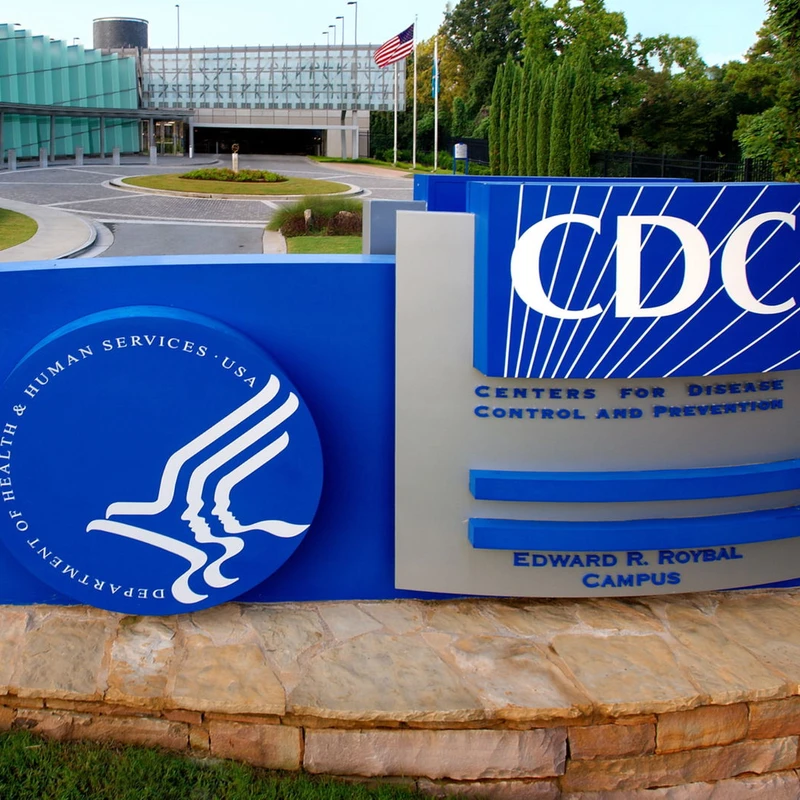
A significant shift in language on the Centers for Disease Control and Prevention (CDC) website has sparked widespread criticism from health leaders and public health experts across the country. The updated wording suggests that the link between vaccines and autism has not been definitively ruled out, a claim that contradicts decades of scientific consensus.
Reversal of Scientific Consensus
Previously, the CDC’s webpage clearly stated: “Studies have shown that there is no link between receiving vaccines and developing autism spectrum disorder (ASD). No links have been found between any vaccine ingredients and ASD.” However, as of November 19th, the language was altered to read: “studies have not ruled out the possibility that infant vaccines cause autism.”
This reversal has been met with strong disapproval from health officials in states like Illinois, New York, and Hawaii, with more joining in their criticism. Experts argue that this change promotes dangerous misinformation and undermines public trust in vaccines.
Experts Condemn the Change
Dr. Bill Cassidy, a medical doctor and Senator from Louisiana, took to X (formerly Twitter) to state, “What parents need to hear right now is vaccines for measles, polio, hepatitis B, and other childhood diseases are safe and effective and will not cause autism.” He added, “Any statement to the contrary is wrong, irresponsible, and actively makes Americans sicker.”
Leaders at the Center for Infectious Disease Research and Policy (CIDAP) at the University of Minnesota described the CDC’s change as a “tragic day” for public health, stating that the agency is no longer “trustworthy.” Dr. Sean O’Leary, head of the American Academy of Pediatrics’ infectious diseases committee, called the situation “madness,” emphatically stating, “They do not cause autism. Period.”
Ignoring Data and Undermining Trust
Alison Singer, President of the Autism Science Foundation, criticized the administration’s approach, noting, “The facts don’t change because the administration does.” She emphasized that the issue isn’t a lack of studies but a refusal to accept existing data. “You can’t just ignore data because it doesn’t confirm your beliefs, but that’s what the administration is doing,” Singer stated.
This shift in messaging from a leading public health agency is concerning, particularly given the abundance of scientific evidence confirming the safety and efficacy of vaccines and refuting any link to autism. Health professionals worry this could lead to increased vaccine hesitancy, potentially jeopardizing public health gains.
What are your thoughts on the CDC’s updated website language? Do you believe it’s important to reiterate the scientific consensus on vaccines and autism? Share your views in the comments below!
Leave a Reply