
Tag: CDC

  • Meet Dr. Erica Schwartz: Trump’s CDC Director Nominee

    President Donald Trump has put forward a new nominee to head the Centers for Disease Control and Prevention (CDC): Dr. Erica Schwartz. This nomination comes as the agency navigates ongoing debates surrounding vaccines, public health guidance, and its future direction. Dr. Schwartz, a former U.S. deputy surgeon general, is among several nominees tapped for senior roles at the CDC.

    A Strong Educational and Career Foundation

    Dr. Schwartz boasts an impressive educational background. She graduated from Brown University in Providence, Rhode Island, with a degree in Biomedical Engineering in 1994. She then pursued her medical degree at the Warren Alpert Medical School, earning it in 1998. This solid academic foundation has clearly prepared her for a career in public health leadership.

    Her career includes significant service within the U.S. Public Health Service Commissioned Corps (USPHSCC), where she achieved the rank of Chief Medical Officer. She also served in both the U.S. Navy and the U.S. Coast Guard, demonstrating a commitment to public service and national health initiatives.

    Experience in Public Health and Pandemic Response

    During Trump’s first term, Dr. Schwartz served as Deputy Surgeon General. In this role, she was actively involved in the federal government’s response during the initial stages of the COVID-19 pandemic. This experience provides her with direct insight into the challenges and complexities of managing a public health crisis at a national level.

    If confirmed by the Senate, Dr. Schwartz would become the fourth leader of the CDC during a period of significant public discourse on health matters. Her nomination signifies a potential new chapter for the agency, with her extensive background poised to influence its future trajectory.

    What are your thoughts on Dr. Erica Schwartz’s nomination as CDC Director? Do you believe her experience makes her a strong candidate? Share your views in the comments below!
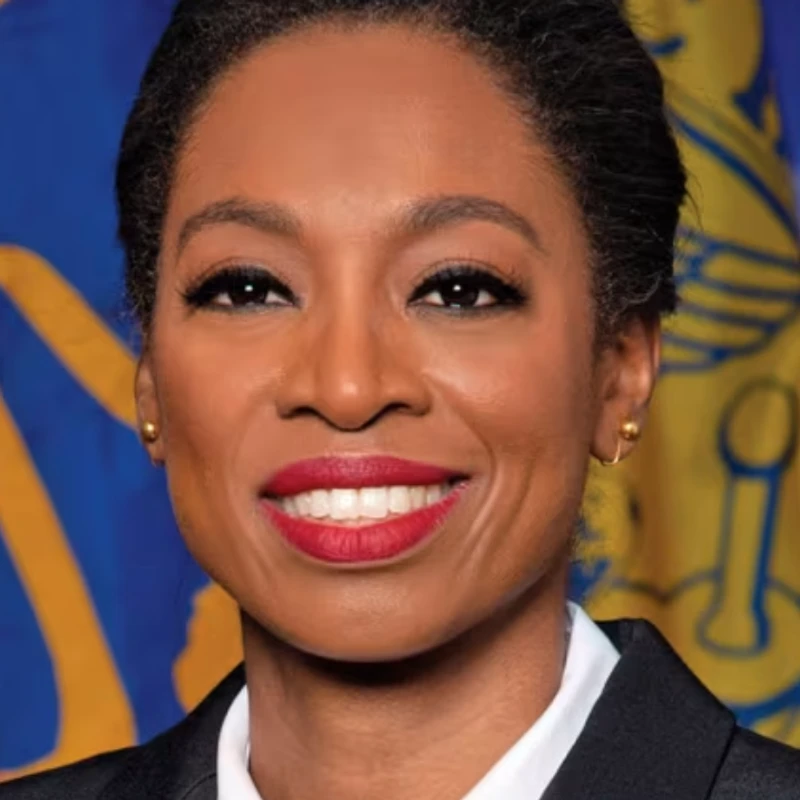
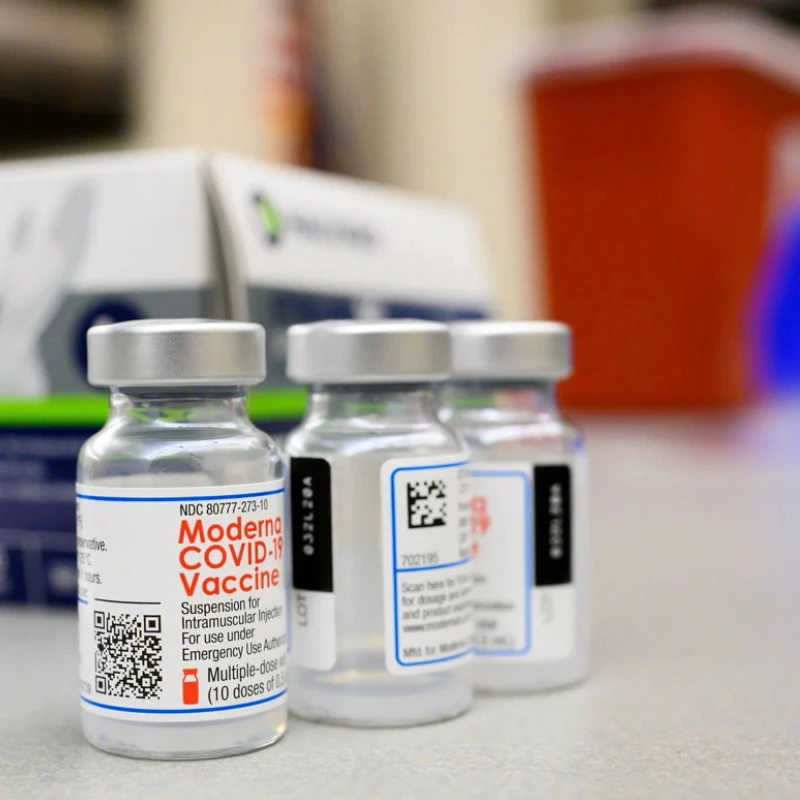
  • Dr. Erica Schwartz Tapped for CDC Director

    President Donald Trump has announced his choice for the next director of the Centers for Disease Control and Prevention (CDC), nominating Dr. Erica Schwartz. This nomination marks a potentially historic moment, as Dr. Schwartz could become the first Black woman to hold this critical public health position, pending Senate confirmation.

    A Decorated Career in Public Health and Military Service

    President Trump shared his enthusiasm for the nomination on Truth Social, highlighting Dr. Schwartz’s impressive background. “Erica graduated from Brown University for College and Medical School, and served a distinguished career as a Doctor of Medicine in the United States Military… and then served as my Deputy Surgeon General during my First Term,” he stated, calling her a “STAR!” Her nomination is already receiving praise from the medical community for her extensive experience and qualifications.

    Experience Under the First Trump Administration

    Dr. Schwartz is no stranger to high-level public health roles. She previously served as Deputy Surgeon General during the first Trump administration, a position she held until 2021. Dr. Brett Giroir, who was her superior at the time, described her to the New York Times as “wicked smart” and someone who “is not afraid to speak truth to power.” He emphasized her dedication to public health and prevention, expressing strong support for her candidacy.

    A Deep Dive into Dr. Schwartz’s Background

    Dr. Schwartz’s career spans decades of service. She is a veteran rear admiral in the U.S. Public Health Service Commissioned Corps. Her medical education includes Brown University for both college and medical school, and she later graduated from the University of Maryland School of Law. Her residency in occupational and environmental medicine was completed in 2001.

    Her military service included time in the U.S. Navy until 2005, followed by significant roles within the U.S. Coast Guard. From 2005 to 2013, she was the Chief of Preventive Medicine, and from 2013 to 2015, she served as Chief of Health Services at U.S. Coast Guard Headquarters. She was also appointed as the Coast Guard’s principal expert on flu pandemics.

    Leadership Roles and Pandemic Response

    In 2015, Dr. Schwartz achieved the rank of rear admiral and became the U.S. Coast Guard Chief Medical Officer. In this capacity, she oversaw the healthcare system for thousands, managing 41 clinics and 150 sick bays. Her responsibilities also extended to mishap prevention, response, investigation, child care programs, and health promotion initiatives.

    During the COVID-19 pandemic, Dr. Schwartz played a crucial role, leading the federal government’s program for drive-through testing sites. She also served as the point person for the Department of Health and Human Services during the presidential transition period. After leaving federal service, she moved into the private sector, serving as president of UnitedHealthcare’s insurance solutions and joining the boards of Aveanna Healthcare and Butterfly Network.

    Community and Professional Endorsements

    The American Public Health Association has lauded the nomination, describing Dr. Schwartz as a “well-trained and credentialed physician” with the “medical background and public health knowledge” necessary to lead the CDC. They noted her strong leadership skills demonstrated during her previous service and expressed anticipation for working with her to strengthen the nation’s public health system through evidence-based science.

    What are your thoughts on Dr. Erica Schwartz’s nomination for CDC Director? Share your opinions in the comments below!

  • CDC Director Delays COVID Vaccine Study

    A planned study from the Centers for Disease Control and Prevention (CDC) aimed at showcasing the benefits of COVID-19 vaccines has been put on hold. Acting Director Dr. Jay Bhattacharya has reportedly delayed the release of the report, citing concerns about its methodology. This decision has raised questions and sparked debate among public health experts.

    Concerns Over Study Methodology

    The study, originally slated for release in March 2026 in the CDC’s Morbidity and Mortality Weekly Report (MMWR), focused on the vaccine’s effectiveness in reducing hospitalizations and emergency department visits among healthy adults during the 2025 winter season. However, spokesperson Andrew Nixon stated that Dr. Bhattacharya “expressed concerns about the observational method used in this study to calculate vaccine effectiveness.”

    Nixon further explained, “It’s routine for CDC leadership to review and flag concerns about MMWR papers, especially relating to their methodology, leading up to planned publication.” He added that Dr. Bhattacharya wants to ensure the paper employs the most appropriate methodology. Despite these assurances, critics point out that the questioned method, known as a test-negative design, has been used for years to assess vaccine effectiveness against respiratory viruses and was even utilized in a 2021 New England Journal of Medicine study on similar topics.

    Broader Implications and Political Interference

    Dr. Bhattacharya was appointed to lead the CDC in February, serving until a permanent director is nominated by President Donald Trump. This delay comes at a time when leading health officials within the Trump administration have reportedly voiced criticism of traditional vaccine research methods. Many public health experts view this delay with suspicion.

    Dr. Fiona Havers, a former medical epidemiologist who resigned from the CDC, expressed concern that this action might be part of a larger effort to sow doubt about vaccine safety and accessibility. “I’m not saying that they haven’t stopped other publications or forced changes to them, but to wholesale stop this report from coming out, given that it is such a well-established platform and such a well-established methodology, does strike me as a new level of political interference into CDC’s scientific process,” she stated.

    This concern is further fueled by a previous call from former FDA regulator Vinay Prasad for new restrictions on approved COVID-19 vaccines from Novavax and Moderna. That controversy coincided with an announcement about more stringent vaccine approval guidelines, following reports of deaths allegedly linked to a COVID-19 vaccine.

    Ensuring Sound Science

    Despite the controversy, Nixon reiterated the CDC’s commitment to scientific integrity, stating that “Dr. Bhattacharya wants to make sure that the paper uses the most appropriate methodology for such a study” and that the CDC is “taking time to ensure analyses are methodologically sound and clearly communicated is always preferable to risking error.” The agency emphasizes that ensuring accuracy and clarity in their findings is paramount.

    What are your thoughts on the delay of the CDC’s COVID-19 vaccine study? Do you believe it’s due to methodological concerns or potential political interference? Share your perspective in the comments below!

  • Senator Blasts RFK Jr. Over Hepatitis B Vaccine Decision

    Tensions are high in the medical community following a controversial vote by a Centers for Disease Control and Prevention (CDC) advisory panel. For the first time since 1991, the panel has voted to end the recommendation for newborns to receive the Hepatitis B vaccine shortly after birth. This decision has drawn sharp criticism, particularly from U.S. Senator Angela Alsobrooks.

    A Vote That Risks Children’s Lives

    The Advisory Committee on Immunization Practices voted 8 to 3 to end the 34-year-old recommendation. This move is seen by critics as a direct result of Health and Human Services Secretary Robert F. Kennedy Jr.’s influence, given his long-standing skepticism about childhood vaccines. Senator Alsobrooks didn’t hold back, accusing Kennedy and his supporters of ‘risking children’s lives’ to push ‘cockamamie conspiracy theories.’

    Alsobrooks, who has previously called for Kennedy’s resignation, stated, ‘The federal government is supposed to improve American lives, not kill Americans.’ Her strong words highlight the deep concern over the potential public health implications of this policy shift.

    Understanding Hepatitis B and the Vaccine

    Hepatitis B is a serious and highly infectious virus that can lead to chronic liver disease, especially in children. For decades, the CDC has recommended that the first dose of the vaccine be given to newborns within 12 hours of birth if the mother is infected, and within 24 hours for all other infants. This early vaccination is a crucial step in preventing long-term health issues.

    The recent panel vote, which still requires approval from the CDC director, suggests that mothers who test negative for the virus should consult their healthcare provider to decide ‘when or if’ their child receives the vaccine at birth. This introduces a level of uncertainty and potential delay in vaccination.

    Concerns Over Leadership and Scientific Integrity

    The decision comes amid broader concerns about Secretary Kennedy’s leadership. It’s noted that he previously fired all 17 members of the vaccine panel in June, replacing them with individuals who reportedly share his skepticism towards vaccines. Senator Alsobrooks, a member of the U.S. House Committee on Health, Education, Labor and Pensions, emphasized this point.

    She urged Americans to rely on their doctors for health decisions, not on ‘handpicked conspiracy theorists’ who she believes have ‘zero interest in science, medicine, or saving American lives.’ Alsobrooks also called on her Republican colleagues to prioritize the American people over loyalty to the current administration.

    What are your thoughts on the CDC panel’s decision regarding the Hepatitis B vaccine for newborns? Do you believe this puts children at risk? Share your views in the comments below!
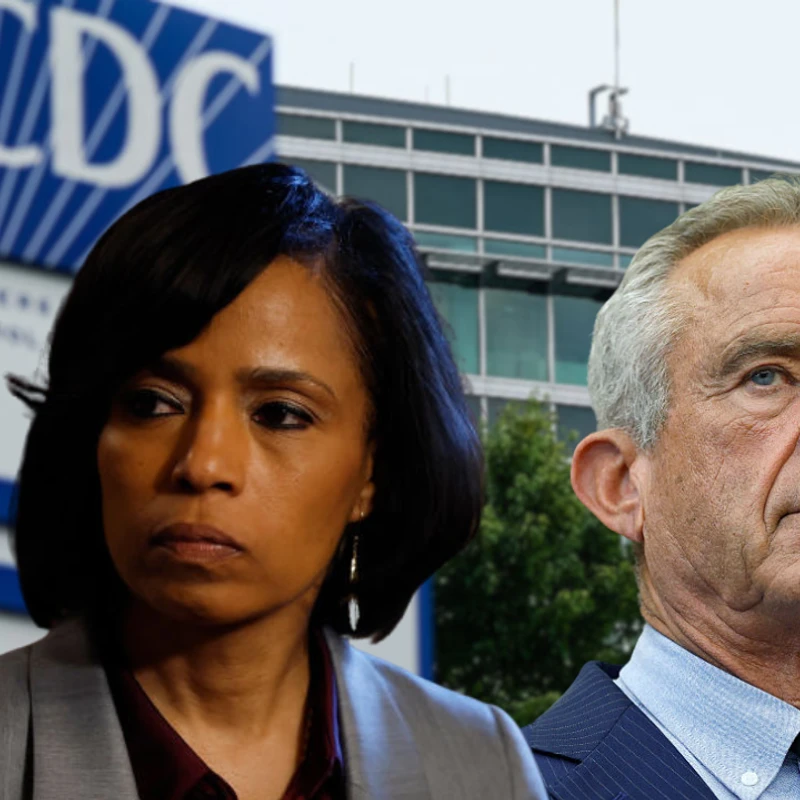
  • HHS Policy Leaves Disabled Employees Stranded

    Navigating the workplace can already be challenging, but for disabled employees at the Department of Health and Human Services (HHS), new remote work policies are reportedly creating significant confusion and distress. These changes are raising concerns about the accessibility of reasonable accommodations and the overall job security for affected individuals.

    New Hurdles for Remote Work Requests

    A new policy document, which has not been fully shared with the workforce, introduces stricter requirements for remote work, telework, or reassignment requests. Previously, approvals could be handled by Deputy Assistant Secretary Thomas J. Nagy Jr. Now, all such requests must be approved by an official at the assistant secretary level or higher. This significantly raises the approval threshold.

    Furthermore, the policy reportedly bans granting telework as a temporary accommodation without this same high-level approval. This change comes despite federal agencies being legally obligated to provide reasonable accommodations (RA) – such as interpreters or accessible technology – to disabled workers, unless doing so poses an “undue hardship.”

    Outcry from Unions and Advocates

    The new requirements have sparked considerable backlash from unions and disability advocates. Eric Pines, an attorney specializing in federal employment law, believes the elevated approval level will practically deter employees from seeking necessary accommodations. “If you are going to put the deciding level so high as the assistant secretary… you’re going to make it much, much harder, on a practical level, for reasonable accommodation requests to be handled in a timely manner,” he stated.

    With thousands of RA requests reportedly pending system-wide, including those crucial for disabled employees to perform their jobs effectively, the uncertainty is causing panic about job security. Pines warns that this situation could lead to a surge in discrimination lawsuits against HHS, which would be detrimental to both the agency and the affected employees.

    CDC’s Return-to-Office Mandate and Exceptions

    This policy shift follows controversy at the Centers for Disease Control and Prevention (CDC), an HHS agency, which faced criticism for requiring employees to return to the office full-time. While a mandate from the Office of Personnel Management included exceptions for disabilities or qualifying medical conditions, the new HHS policy seems to complicate the process for obtaining these necessary accommodations.

    Yolanda Jacobs, president of the American Federation of Government Employees Local 2883, condemned the new requirements, suggesting they could be influenced by the political climate. “We are looking at an agency that’s supposed to be at the forefront of public health, putting the health and safety of its workers with disabilities at risk,” she said, adding that political appointees seem to be overstepping by making medical recommendations instead of deferring to doctors.

    What are your thoughts on these new HHS policies affecting disabled employees? Do you think they create undue hardship for those seeking accommodations? Share your views in the comments below!

  • Health Leaders Slam CDC Over Vaccine-Autism Claims

    A significant shift in language on the Centers for Disease Control and Prevention (CDC) website has sparked widespread criticism from health leaders and public health experts across the country. The updated wording suggests that the link between vaccines and autism has not been definitively ruled out, a claim that contradicts decades of scientific consensus.

    Reversal of Scientific Consensus

    Previously, the CDC’s webpage clearly stated: “Studies have shown that there is no link between receiving vaccines and developing autism spectrum disorder (ASD). No links have been found between any vaccine ingredients and ASD.” However, as of November 19th, the language was altered to read: “studies have not ruled out the possibility that infant vaccines cause autism.”

    This reversal has been met with strong disapproval from health officials in states like Illinois, New York, and Hawaii, with more joining in their criticism. Experts argue that this change promotes dangerous misinformation and undermines public trust in vaccines.

    Experts Condemn the Change

    Dr. Bill Cassidy, a medical doctor and Senator from Louisiana, took to X (formerly Twitter) to state, “What parents need to hear right now is vaccines for measles, polio, hepatitis B, and other childhood diseases are safe and effective and will not cause autism.” He added, “Any statement to the contrary is wrong, irresponsible, and actively makes Americans sicker.”

    Leaders at the Center for Infectious Disease Research and Policy (CIDAP) at the University of Minnesota described the CDC’s change as a “tragic day” for public health, stating that the agency is no longer “trustworthy.” Dr. Sean O’Leary, head of the American Academy of Pediatrics’ infectious diseases committee, called the situation “madness,” emphatically stating, “They do not cause autism. Period.”

    Ignoring Data and Undermining Trust

    Alison Singer, President of the Autism Science Foundation, criticized the administration’s approach, noting, “The facts don’t change because the administration does.” She emphasized that the issue isn’t a lack of studies but a refusal to accept existing data. “You can’t just ignore data because it doesn’t confirm your beliefs, but that’s what the administration is doing,” Singer stated.

    This shift in messaging from a leading public health agency is concerning, particularly given the abundance of scientific evidence confirming the safety and efficacy of vaccines and refuting any link to autism. Health professionals worry this could lead to increased vaccine hesitancy, potentially jeopardizing public health gains.

    What are your thoughts on the CDC’s updated website language? Do you believe it’s important to reiterate the scientific consensus on vaccines and autism? Share your views in the comments below!
  • Boost Your Thanksgiving Plate with Powerhouse Greens

    When you think Thanksgiving dinner, turkey usually steals the spotlight. But what if I told you the true GOAT (Greatest Of All Time) of Thanksgiving veggies might be hiding in plain sight? Forget kale for a moment; a recent study by the CDC has identified some surprisingly ‘bougie’ green vegetables that deserve a prime spot on your holiday plate for their incredible nutritional power.

    The ‘Powerhouse’ Veggies Revealed

    A 2014 study from the Centers for Disease Control and Prevention (CDC) analyzed 47 fruits and vegetables to find the ultimate ‘powerhouse’ foods. The results? Leafy greens dominated the list! Topping it all off was watercress, the only vegetable to achieve a perfect nutrient density score of 100, meaning it provides the full daily value of key nutrients. Other top contenders included Chinese cabbage, chard, collard greens, arugula, beet greens, spinach, chicory, and leaf lettuce.

    While yellow and orange veggies like carrots and tomatoes, as well as citrus and berries, still offer valuable benefits, the cruciferous and leafy green vegetables truly outshone them in terms of nutrient density. So, if you’re aiming for a healthier Thanksgiving spread, these greens are your secret weapon.

    What’s So Special About Watercress?

    So, what makes watercress the reigning champion? This peppery green, often described as a mix between arugula and horseradish, is packed with vitamins. Dr. Amy Lee, Head of Nutrition for Nucific, highlighted its high levels of Vitamin A and potassium, even surpassing typical lettuce. It’s also a great source of Vitamin C, making it a perfect addition to your holiday meals.

    Dr. Lee suggests incorporating watercress into stir-fries for a unique twist, but advises against overcooking to preserve its vitamins. Finding it might be a bit of a treasure hunt, as it’s often available at specialty markets like Whole Foods rather than standard grocery stores.

    Delicious Alternatives: Chard and Chinese Cabbage

    Can’t find watercress? Don’t worry! Chinese cabbage and chard are fantastic alternatives, boasting impressive nutrient density scores of 91.99 and 89.227, respectively. These greens are rich in vitamins A, C, and K, plus fiber, antioxidants, and essential minerals like calcium and iron.

    • Sautéed chard with garlic and lemon for a bright side dish.
    • A vibrant Chinese cabbage slaw with cranberries and nuts for added crunch and color.
    • A hearty gratin combining both greens with cream and cheese for a comforting classic.

    These vegetables not only boost the nutritional profile of your Thanksgiving meal but also offer a refreshing, earthy flavor that beautifully balances the richness of traditional holiday dishes.

    Will you be adding watercress, chard, or Chinese cabbage to your Thanksgiving menu this year? What are your favorite ways to prepare these powerhouse greens? Share your ideas in the comments below!

  • CDC Layoffs Reversed After Trump Admin Error

    In a surprising turn of events amid the ongoing government shutdown, hundreds of employees at the Centers for Disease Control and Prevention (CDC) who received layoff notifications have had those terminations reversed. The initial wave of workforce reductions, which impacted multiple government agencies on October 10th, mistakenly led approximately 700 CDC staffers to believe their jobs were eliminated due to a significant coding error.

    A Blunder with Widespread Impact

    The error meant that many central CDC departments, including those responsible for publishing the agency’s flagship journal, Morbidity and Mortality Weekly Report, as well as critical areas like the National Center for Immunization and Respiratory Diseases, the Global Health Center, and the Public Health Infrastructure Center, were effectively left unstaffed on paper. Even officers from the Epidemic Intelligence Service, the nation’s first responders to disease threats, had their layoffs rescinded.

    Andrew Nixon, director of communications for the U.S. Department of Health and Human Services (HHS), released a statement acknowledging the mistake. “The employees who received incorrect notifications were never separated from the agency and have all been notified that they are not subject to the reduction in force,” CNN reported Nixon saying. This correction, while welcome, highlights significant managerial issues.

    Concerns Over Managerial Incompetence

    The incident has drawn sharp criticism from public health officials. Dr. Nirav Shah, who previously served as a principal deputy director at the CDC, called the situation “pure managerial incompetence.” He questioned whether the chaos was an unintended byproduct or a deliberate outcome, stating, “I used to think that chaos was the byproduct of this managerial incompetence. Now I start to wonder whether the chaos is the point.”

    Beyond the immediate confusion, the actual layoffs resulting from the shutdown are expected to cause significant problems for the CDC. These cuts have already faced legal scrutiny and public backlash. Shah warned that such reductions could critically delay responses to future health crises, costing precious time when immediate action is needed. “These cuts will mean that when the next health crisis comes along, precious days, weeks, months will be spent getting ready when we should have been ready,” he added.

    Wider Impact Across Federal Agencies

    The CDC is not the only federal agency affected by the shutdown-induced layoffs. The Department of Education also saw hundreds of employees laid off, particularly impacting its Office of Special Education and Rehabilitation Services, which could jeopardize crucial programming for individuals with disabilities. Other federal departments, including Commerce, Energy, Housing and Urban Development, Homeland Security, and Treasury, have also experienced workforce reductions.

    What are your thoughts on the managerial competence within federal agencies during times of crisis? Share your opinions in the comments below.

  • COVID Cases Rise: Vaccine Access Sparks Debate

    It looks like COVID-19 is making a comeback, and not in a good way. As the U.S. heads into the fall season, we’re seeing a noticeable increase in both cases and hospitalizations. Wastewater monitoring confirms that virus levels are climbing in many regions, particularly across the West, South, and Southeast. California, for instance, has already experienced a near doubling of hospitalizations.

    New Vaccine Policy Sparks Controversy

    This time around, the approach to fighting the virus is quite different. While updated vaccines are available, a new federal policy, spearheaded by Health Secretary Robert F. Kennedy Jr., has restricted access. Currently, only individuals aged 65 and older, or younger people with specific qualifying health conditions, are eligible for the updated shots.

    This restriction has ignited a firestorm of criticism from medical experts and patients alike. Many adults who wish to get vaccinated are finding it difficult, often needing prescriptions or insurance exceptions to access the shots. The current policy is creating significant hurdles for those seeking protection.

    Medical Community Pushes Back

    The backlash has been immediate and widespread. Major medical organizations, including the American Academy of Family Physicians, have publicly diverged from federal guidance. They are now recommending that all adults, children, and pregnant women should have access to COVID vaccines, emphasizing the importance of broad protection.

    Pediatric organizations have also raised serious concerns, warning that limited access could leave vulnerable groups, especially children, more exposed to the virus. This divergence highlights a growing tension between federal policy and the recommendations of frontline medical professionals.

    States and Localities Take Action

    Frustrated by the federal stance, states are stepping up to ensure their residents can get vaccinated. California, Oregon, and Washington are actively exploring their own regional vaccine guidance to broaden access. Some local governments are even establishing independent distribution networks, leading to a complex and varied landscape of vaccine availability across the country.

    Adding to the public health challenges, the federal government’s shake-up has led to the dissolution of the CDC’s advisory committee on immunizations. This committee has been replaced by individuals described as vaccine skeptics, a move that public health experts fear is eroding trust at a crucial time, especially with flu and RSV season looming.

    New Variant and Lingering Long COVID

    The situation is further complicated by the emergence of a new COVID variant, dubbed XFG or Stratus. Early reports suggest it’s more transmissible than previous strains, though not necessarily more severe. With fewer people protected by vaccines, even a moderate wave of this new variant could strain hospitals once again.

    And let’s not forget about long COVID. Millions are still dealing with persistent symptoms, and while a diagnostic blood test is in development, effective treatments remain elusive. This ongoing health crisis continues to impact a significant portion of the population.

    Navigating the Current Landscape

    For the average person, the message is confusing. Cases are rising, getting vaccinated is becoming more complicated, and public health decisions seem increasingly influenced by politics. One thing is certain: COVID-19 is still with us, and how the U.S. navigates this current surge will significantly shape the public health landscape for the coming months.

    What are your thoughts on the current COVID-19 situation and the vaccine access policies? Share your perspective in the comments below!

  • 1,000+ HHS Workers Demand RFK Jr. Resign

    A significant number of Health and Human Services (HHS) employees are making their voices heard, joining Senator Bernie Sanders in calling for the resignation of Secretary Robert F. Kennedy Jr. Over 1,000 current and former agency employees have signed a letter expressing deep concerns about his leadership and its potential impact on public health.

    Concerns Over Leadership and Policy

    The letter, addressed to Congress and Donald Trump, states, “Our oath requires us to speak out when the Constitution is violated and the American people are put at risk.” The signees accuse Kennedy of compromising the nation’s health through his actions, specifically mentioning his decision to cut funding for mRNA vaccine research and the dismissal of CDC Director Susan Monarez, which reportedly led to other resignations within the agency.

    The employees believe that Kennedy is allowing partisan politics to influence science-based health policy. “We believe health policy should be based on strong, evidence-based principles,” the letter emphasizes, “not political ideology.” This sentiment reflects a growing unease within the agency about the direction of public health initiatives under his leadership.

    Administration’s Defense and Mounting Criticism

    Despite the significant backlash, HHS Communications Director Andrew Nixon defended Kennedy, stating, “Secretary Kennedy has been clear: the CDC has been broken for a long time. Fixing it requires real reform.” The Trump administration has also publicly supported Kennedy, with White House Deputy Chief of Staff Stephen Miller calling him “a crown jewel of this administration.”

    However, the criticism is not new. A similar letter was sent in August, and former CDC directors have also voiced alarm, describing Kennedy’s actions as “unlike anything our country has ever experienced.” The pressure continues to build, but as of now, Kennedy shows no indication of stepping down.

    What are your thoughts on the demands for RFK Jr.’s resignation? Do you believe his policies are putting public health at risk? Share your opinions in the comments below!