Across the United States, from the sunny shores of Miami to the bustling streets of San Diego, schools are grappling with a noticeable decline in the enrollment of immigrant students. This trend, impacting districts large and small, is attributed to a complex mix of factors including deportations, families choosing to return home, and a general avoidance of public life due to heightened immigration enforcement.
A Stark Decline in Newcomers
The numbers paint a clear picture: districts that once welcomed thousands of new students each year are now seeing drastically reduced numbers. In Miami-Dade County Public Schools, for instance, enrollment of students from other countries has plummeted from nearly 14,000 last year to about 2,550 so far this school year. This dramatic drop has had a significant financial impact, erasing approximately $70 million from the district’s annual budget.
School board member Luisa Santos, herself a former immigrant student, described the situation as a “sad reality.” She emphasized the crucial role public schools played in her own journey, highlighting the support systems that are now being strained by these enrollment declines. This trend exacerbates existing challenges for many traditional public schools, which are already facing declining overall enrollment due to demographic shifts and a rise in alternative education choices like homeschooling and private schools.
Economic Impacts and Shifting Demographics
In areas like northern Alabama, where a growing Hispanic population has historically fueled economic prosperity, the impact is keenly felt. Albertville City Schools Superintendent Bart Reeves noted that his district, with a Hispanic student population making up about 60%, is seeing no new students enroll in its newcomer academy. Reeves attributes this directly to the “closure of the border” and anticipates the budget shortfall will lead to the loss of about 12 teaching positions.
The situation is forcing some families to make heartbreaking decisions. One immigrant mother, identified as Edna, shared how her friend from Guatemala, facing detention, had to send her seven children back to their home country. These children left behind friends, activities, and the only life they knew, leaving Edna to lament, “My house feels like a garden without flowers.”
Fear and Uncertainty Drive Departures
The declines are evident nationwide. Denver Public Schools saw a drop from 1,500 new-to-country students last summer to just 400 this year. In Houston, the Las Americas Newcomer School, dedicated to supporting new U.S. students, had to close its program due to enrollment falling from 111 to just 21 students.
In Chelsea, Massachusetts, a long-standing immigrant hub, the usual influx of newcomers has been replaced by a “much more quiet” atmosphere. Daniel Mojica, director of Chelsea’s parent information center, reported a significant decrease in new student sign-ups and an increase in students withdrawing from the district, with a growing number returning to their home countries. Mojica attributes this partly to the visible presence of Immigration and Customs Enforcement (ICE) officers, stating, “You can feel the fear in the air.”
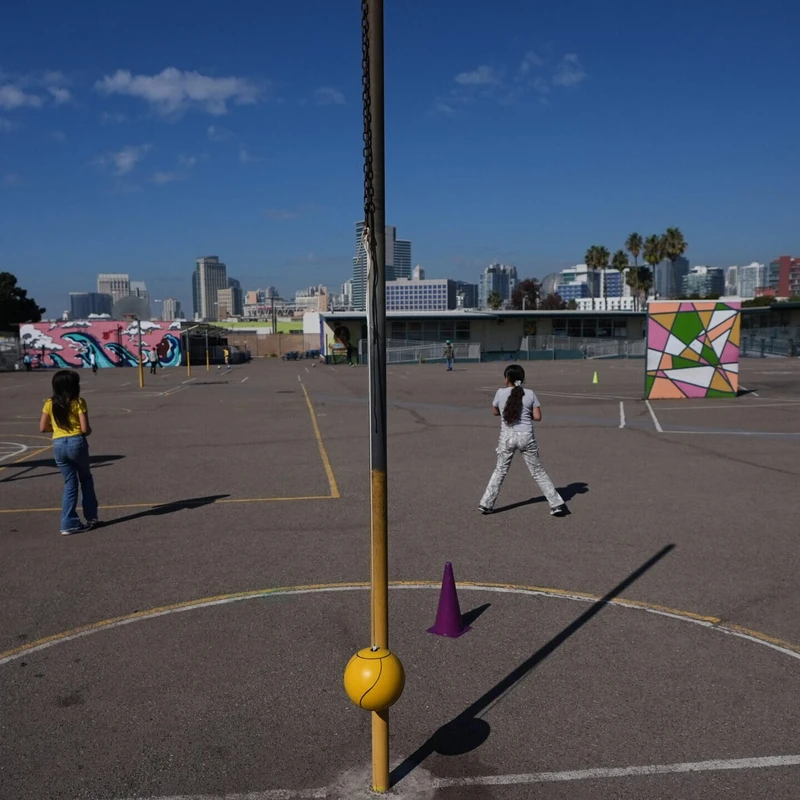
Educators worry about the broader consequences of these disruptions. Principal Fernando Hernandez of San Diego’s Perkins K-8 School, who has previously supported many newcomer students, has enrolled zero new students this school year. He fears that the lack of social interaction and integration could hinder students’ development of empathy and understanding, likening the isolation to that experienced during the pandemic.
What are your thoughts on the declining enrollment of immigrant students in US schools? Share your perspective in the comments below.
Leave a Reply