Tag: Immigration

  • Iowa School Leader Jailed for Citizenship Fraud

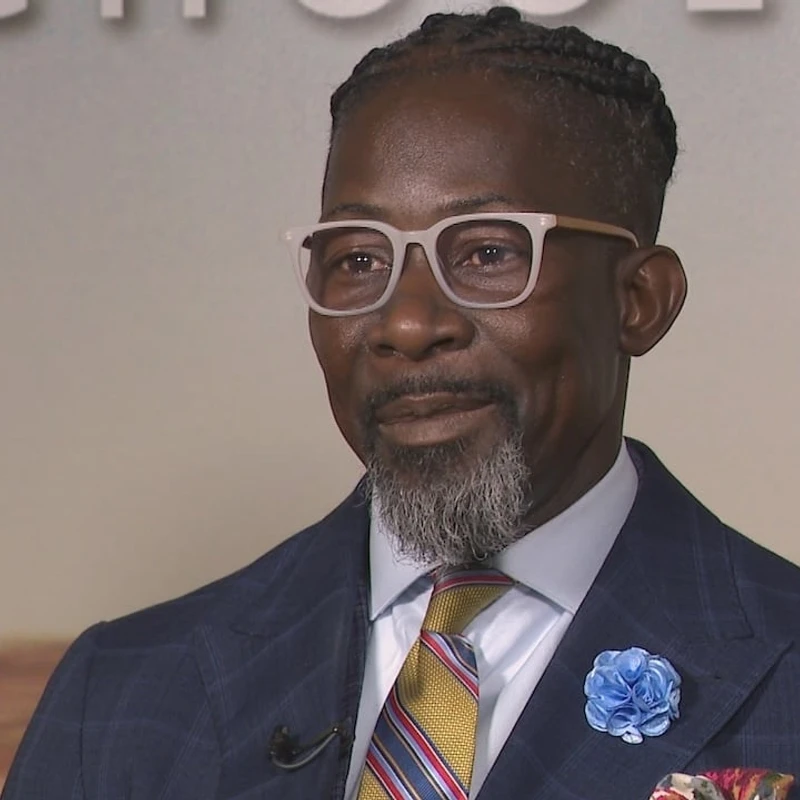
    Talk about a fall from grace! Ian Roberts, the former superintendent of Iowa’s largest school district, is heading to federal prison for two years. His crime? Falsely claiming to be a U.S. citizen throughout his nearly two-decade career in education and illegal possession of a firearm. This news sent serious shockwaves through the community he once led.

    A Career Built on a Lie

    Roberts, who previously led the Des Moines school district, was arrested in 2025. Prosecutors alleged that he used fraudulent employment authorization to secure his position. This revelation has undoubtedly shaken the trust placed in educational leaders.

    During his sentencing, Roberts tearfully addressed the judge, admitting his “poor choice” and “ethical lapse.” He expressed deep regret for letting the community down, stating, “I regret what I’ve done every single day.” His attorneys confirmed that after serving his sentence, he will be deported back to his native Guyana.

    The Arrest and Discovery

    The situation came to light when Roberts was pulled over in his school-issued vehicle on September 26th of last year. At that time, he was found to be in possession of a handgun, concealed within a towel, along with $3,000 in cash. This discovery was just the beginning.

    A subsequent search of his home uncovered three additional firearms. Roberts had initially arrived in the United States on a student visa back in 1999. At the time of his arrest and subsequent dismissal, he was earning a substantial annual salary of $286,716.

    Legal Battles and Residency Issues

    Roberts’ defense team argued that he was denied lawful permanent residency because he married a U.S. citizen but failed to disclose a prior arrest on his residency application. Roberts maintained that since those charges were dropped, he didn’t believe he needed to include that information.

    Prohibition for Roberts was not sufficient given that he lied to earn an ‘incredible position of trust.’ — U.S. District Judge Rebecca Goodgame Ebinger

    However, U.S. District Judge Rebecca Goodgame Ebinger emphasized the severity of his actions, stating that a lesser penalty wouldn’t suffice given the “incredible position of trust” he held and the lies he told to maintain it. Prosecutors had initially sought a three-year sentence, but the judge ultimately handed down the two-year term.

    What are your thoughts on this case? Share your perspective in the comments below!

  • Rep. Ilhan Omar Dismisses DOJ Probe as ‘Ridiculous’

    The political arena is no stranger to controversy, and Congresswoman Ilhan Omar is once again at the center of scrutiny. Following reports of a Department of Justice probe into her finances and immigration status, Omar has vehemently dismissed the allegations as “ridiculous,” questioning the basis and longevity of the investigation.

    Dismissing the Allegations

    The controversy gained traction after Vice President JD Vance mentioned at a White House briefing that the DOJ was reviewing allegations against the Minnesota congresswoman. In a direct interview with TMZ, Omar stated, “It’s ridiculous…. I always say if they had something they would have already shown their cards.” She pointed out that the DOJ has allegedly been attempting to investigate her since the Trump administration, suggesting that a lack of concrete evidence after so long indicates the claims are baseless.

    Vance himself alluded to “something fishy” regarding Omar’s marital status, referencing long-circulated conspiracy theories, including claims that she married her brother for citizenship. Omar has consistently and forcefully denied these accusations, labeling them a “very bigoted lie” and expressing disgust that such claims persist.

    Financial Disclosures and Renewed Scrutiny

    This renewed focus on Omar comes shortly after she amended her financial disclosure filings in April. Republicans had previously called for an investigation into her original filings, which initially listed companies co-owned by her husband, Tim Mynett, as potentially worth between $6 million and $30 million. Amended documents later revised the joint assets to a much lower range, valuing Mynett’s companies at “none.”

    A spokesperson for Omar explained at the time that an “accounting error” had created a misleading impression of wealth, clarifying that the congresswoman is not a millionaire. Despite these clarifications, the scrutiny continues.

    Targeting and Discrimination Claims

    Omar maintains that she has nothing to hide and that the ongoing narrative is “all fake.” When asked about cooperating with a potential DOJ investigation, she affirmed her willingness, while reiterating her innocence. She suggested that the prolonged nature of the investigation, without any charges or evidence, points to a targeted effort, possibly due to her identity as a Muslim woman in politics.

    “These people are disgusting, they believe in weird, creepy things,” Omar stated, expressing her frustration with what she perceives as politically motivated attacks rather than legitimate investigations.

    What are your thoughts on the reported DOJ investigation into Rep. Ilhan Omar’s finances and immigration status? Share your perspective in the comments below!

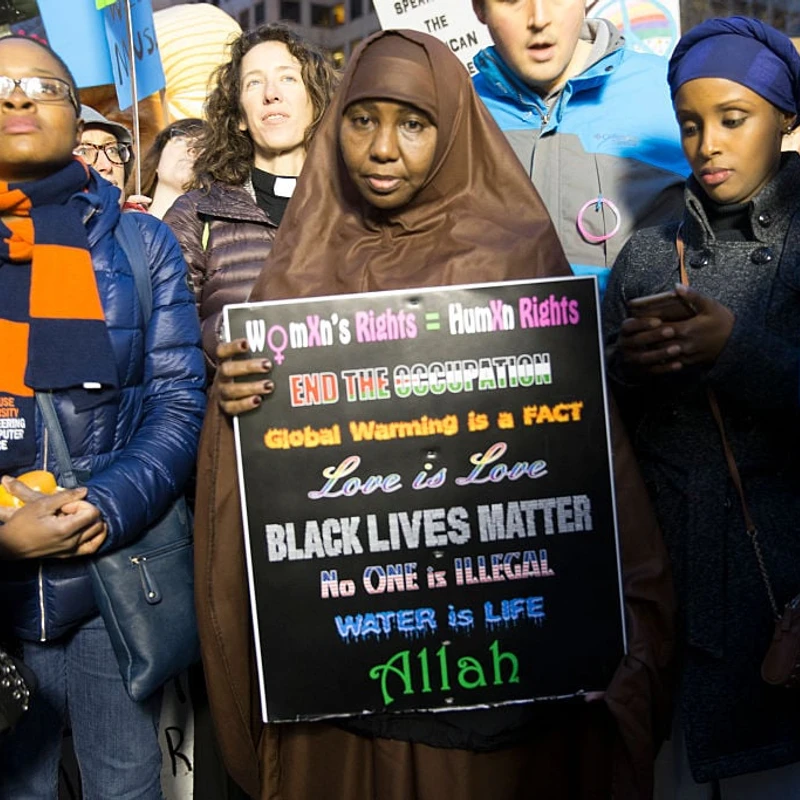
  • Immigration Enforcement’s Toll on Black Women

    In the complex landscape of immigration, the enforcement of laws and policies often carries a disproportionate weight on certain communities. Immigration attorney Jamene Christian, who has a deep personal and professional understanding of the system, highlights how gender, race, and income intersect to create unique challenges, particularly for Black women.

    Fear and Uncertainty: The Daily Reality

    Christian notes a significant shift away from more humanitarian approaches in immigration policy. She describes how individuals, including students, parents of U.S. citizens, and those actively seeking legal status, are facing detention and removal at alarming rates. For undocumented Black women, especially those married to U.S. citizens or green card holders, the fear of deportation and separation from their families is a constant source of anxiety.

    This pervasive fear leads many to limit their activities outside the home. Simple tasks like driving become fraught with worry over traffic stops, and even domestic air travel is often postponed due to concerns about ICE checks at airports. Christian recounts a heartbreaking case where a woman, fearing travel by car or plane, had to attend her father’s funeral remotely via Zoom.

    Carrying the Weight: Emotional and Financial Burdens

    Christian emphasizes that Black women often bear the primary responsibility for their families’ well-being, a role that is amplified when they are undocumented. The constant uncertainty of immigration laws, coupled with the need to care for family, run businesses, or simply show up for work, takes a significant emotional and physical toll, negatively impacting their mental and physical health.

    The financial implications are also severe. Black women in mixed-status families may face limited access to government assistance, even for their U.S. citizen children, due to fears of jeopardizing their own status. They also face risks of workplace exploitation or financial abuse from a U.S. citizen spouse. Furthermore, the cost of legal representation to navigate the complex immigration system adds another layer of financial strain.

    Navigating the System: Resources and Support

    Despite the daunting challenges, resources are available. Christian highlights organizations specifically dedicated to supporting Black immigrants, offering legal aid, emotional support, know-your-rights education, and community care. African and Caribbean churches often host workshops with pro-bono legal services.

    Organizations like the Black Alliance for Just Immigration (BAJI) provide Black-led and Black-centered support. Additionally, broader organizations such as the National Immigration Law Center and the Immigrant Legal Resource Center offer assistance to all undocumented individuals. For safe and anonymous legal advice, platforms like JustAnswer.com connect users with verified immigration lawyers.

    What are your thoughts on the impact of immigration enforcement on Black women and their families? What more can be done to ensure equitable treatment and support? Share your insights in the comments below!

  • Congress Extends TPS for Haitians, Bucking Trump

    In a major victory for immigrant rights advocates and Haitian communities across the U.S., the House of Representatives has voted to extend Temporary Protection Status (TPS) for Haitian migrants. This bipartisan decision directly challenges President Donald Trump’s administration’s move to terminate the program, offering a potential lifeline to over 350,000 individuals.

    A Bipartisan Push for Protection

    The vote, a bipartisan 224-204 with 10 Republicans joining Democrats, signifies a strong message to the Trump administration. U.S. Rep. Ayanna Pressley (D-Mass.), who spearheaded the discharge petition effort alongside Rep. Laura Gillen (D-N.Y.), called it a “monumental victory.” She emphasized the collaborative effort, stating, “Democrats and Republicans alike came together to pass our legislation and support the safety, dignity, and humanity of Haitian TPS holders.”

    The Department of Homeland Security had previously deemed the termination of TPS for Haitians “inconsistent with U.S. national interests.” Advocates argue that forcing Haitians to return to a nation plagued by deep poverty, violence, and political instability would be inhumane. Guerline Jozef, executive director of the Haitian Bridge Alliance, expressed immense gratitude, calling it a moment where “the impossible [became] possible.”

    The Fight for TPS Holders

    Groups like the Haitian Bridge Alliance, UndocuBlack, and SEIU have been actively lobbying members of Congress. Jozef described the discharge petition process as an “uphill battle,” but credited the “commitment and fierce advocacy” of Rep. Pressley and her staff for swaying Republican members, particularly those whose districts have significant Haitian American populations.

    Jozef, who was present on Capitol Hill during the vote, shared the emotional weight of the moment, especially as it coincided with her birthday. “I felt it was necessary for me to be there, standing in the gap for over 350,000 Haitian TPS holders and their families,” she told theGrio.

    What Happens Next?

    The bill now moves to the U.S. Senate, where its fate remains uncertain. Advocates are urging the public to contact their senators and encourage them to “stand on the right side of history” by voting yes. “We understand that this is a hard fight, but we are clear-eyed,” Jozef stated, underscoring the ongoing commitment to this cause.

    This congressional action clearly pushes back against the Trump administration’s policies, which have often targeted immigrants from majority Black and brown nations. Trump’s use of an isolated, tragic crime to generalize an entire community was widely condemned. Jozef noted, “We understand that the majority, if not all, of the policies coming from the White House are deeply centered in anti-Black racism, especially anti-Haitian prejudice… But this is a clear message to him and his administration… the people have spoken.”

    Legal Challenges and Future Outlook

    Supporters highlight the significant contributions of Haitian immigrants, particularly in healthcare, and their economic impact through taxes. If the bill successfully passes the Senate and reaches President Trump’s desk, his response remains unclear given his previous stance. However, a pending federal case challenging the termination of TPS for Haitians is currently before the U.S. Supreme Court. Both lower courts ruled the termination unlawful, and the Supreme Court’s decision could provide a crucial safeguard if legislative efforts falter.

    For now, Haitian immigrants are celebrating this legislative victory as a vital lifeline, allowing them to continue living and working in the United States, a country many now call home. As Jozef put it, “This work today tells them that their voices have been heard… that their lives really matter, and that we will continue to fight for them.”

    What are your thoughts on Congress extending TPS for Haitians? Do you believe the Senate will pass the bill? Share your opinions in the comments below!

  • Judge Halts D.C. Immigration Arrests Without Warrants

    Big news out of the nation’s capital! A federal judge has just put a stop to widespread immigration arrests in Washington, D.C., unless officers have a warrant or clear probable cause that someone is an imminent flight risk. This is a significant win for civil liberties and immigrant rights groups who have been fighting against what they describe as indiscriminate enforcement.

    What Does This Injunction Mean?

    U.S. District Judge Beryl Howell granted a preliminary injunction, essentially blocking the Trump administration from conducting broad immigration arrests without proper legal justification. This ruling comes after a lawsuit filed by groups like the American Civil Liberties Union (ACLU) and other attorneys representing immigrants.

    Generally, immigration officers need an administrative warrant to make civil arrests. The law does allow for warrantless arrests, but only if there’s probable cause to believe the person is in the U.S. illegally and is likely to flee before a warrant can be secured. Judge Howell’s decision emphasizes that this standard wasn’t being met.

    Arguments from the ACLU and Plaintiffs

    The plaintiffs argued that federal officers were frequently seen patrolling neighborhoods with large Latino immigrant populations in D.C. They claimed these patrols often led to checkpoints and indiscriminate stops and arrests. To back their case, they presented sworn statements from individuals who said they were arrested without warrants or the required flight risk assessment.

    They also pointed to public statements from administration officials, suggesting a disregard for the probable cause standard. While the administration’s attorneys denied having a policy that allowed for such arrests, the judge found the plaintiffs had shown a “substantial likelihood of an unlawful policy and practice.”

    The Judge’s Strong Words

    Judge Howell, who was nominated by President Barack Obama, stated that the government’s “systemic failure to apply the probable cause standard, including the failure to consider escape risk, directly violates” immigration law. This is a pretty clear statement about the administration’s actions.

    Defendants’ systemic failure to apply the probable cause standard, including the failure to consider escape risk, directly violates” immigration law and the Department of Homeland Security’s implementing regulations. — U.S. District Judge Beryl Howell

    Beyond blocking the policy, the judge mandated that any agent conducting a warrantless civil immigration arrest in D.C. must document the specific facts supporting their belief that the person was a flight risk. This documentation must then be shared with the plaintiffs’ attorneys. This adds a layer of accountability to the process.

    A Pattern of Legal Challenges

    This isn’t the first time the ACLU has been involved in similar legal battles. Similar rulings have come from federal lawsuits in Colorado and California. While a previous restraining order in Los Angeles aimed at preventing stops based solely on race, language, or location was eventually lifted by the Supreme Court, this D.C. injunction represents a significant victory for immigrant rights advocates.

    What are your thoughts on this judge’s ruling and its implications for immigration enforcement in D.C.? Share your perspective in the comments below!

  • Trump’s ‘Garbage’ Remarks on Immigrants Spark Outrage

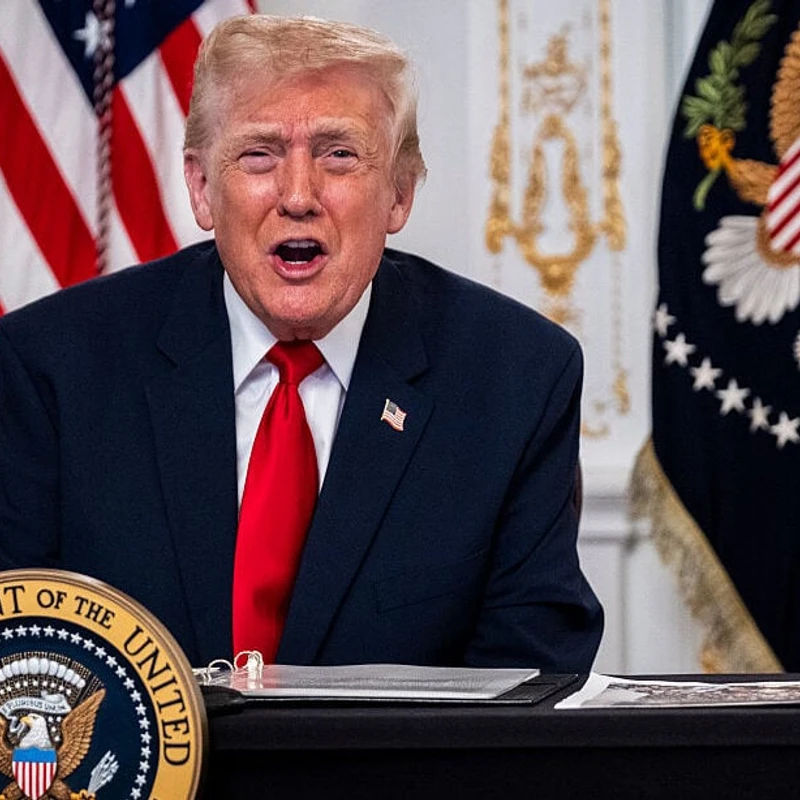
    President Donald Trump has once again ignited controversy with his sharp and personal attacks, this time targeting U.S. Rep. Ilhan Omar and immigrants from Somalia and other countries. During a cabinet meeting on Tuesday, Trump used deeply offensive language, referring to these individuals as “garbage” and suggesting they contribute nothing but complaints to the United States.

    Escalating Rhetoric on Immigration

    Trump’s remarks came in response to a question about a report detailing fraud committed by Somali immigrants in Minnesota. He stated unequivocally, “I don’t want them in our country. I’ll be honest with you, okay? Somebody will say, ‘Oh, that’s not politically correct.’ I don’t care. I don’t want them in our country.” He further disparaged their home countries, calling them “no good” and stating they “stink.”

    This escalation in rhetoric follows a recent incident where an Afghan migrant allegedly shot two National Guard troops. White House Press Secretary Karoline Leavitt framed this event as further justification for the president’s “mass deportation operation.”

    Direct Attacks on Congresswoman Omar

    The president then turned his attention directly to Congresswoman Omar, a Somali immigrant who arrived in the U.S. as a child refugee. “Ilhan Omar is garbage. She’s garbage. Her friends are garbage,” Trump declared. He accused them of being people who “do nothing but complain” and come from places where they “got nothing.”

    This is not the first time Trump has targeted Omar or other Black and Brown lawmakers with personal insults. He has previously referred to Rep. Jasmine Crockett as “low IQ,” despite her legal background. Trump asserted that immigrants who complain about the U.S. should “go back to where they came from and fix it.”

    Criticism from Political Strategists

    Democratic strategist Antjuan Seawright strongly condemned Trump’s language, telling theGrio, “Bigotry and hate are a drug that Trump is not only addicted to, but one he depends on for emotional satisfaction.” Seawright argued that Trump has built his MAGA movement on a foundation of racism and bigotry.

    Seawright suggested that these attacks on minority lawmakers, particularly women, serve as a tactic to distract from policy failures. “Maganomics continues to be a failure, and Trump’s economy continues to be inferior,” he stated, adding that Trump resorts to such strategies out of desperation and to energize his base.

    What are your thoughts on President Trump’s recent remarks about immigrants and Rep. Ilhan Omar? Do you believe this rhetoric is divisive or necessary? Share your perspective in the comments below.

  • Trump Vows to Pause Migration After Guard Shooting

    In a fiery late-night social media post on Thanksgiving, Donald Trump declared he would “permanently pause migration” from poorer nations. This strong anti-immigrant stance came in the wake of a tragic shooting that left two National Guard members deployed in Washington, D.C., injured, with one succumbing to his wounds.

    Trump’s Response to the National Guard Shooting

    The incident involved a 29-year-old Afghan national, who had previously worked with the CIA during the Afghanistan War and emigrated under a program for those who aided American troops. Trump took to his Truth Social platform to express his views, stating, “Only REVERSE MIGRATION can fully cure this situation.”

    He continued with a Thanksgiving greeting, but with a stark warning: “HAPPY THANKSGIVING TO ALL, except those that hate, steal, murder, and destroy everything that America stands for — You won’t be here for long!” This statement signals a potential major shift for a nation historically defined by its welcoming of immigrants.

    Economic and Social Implications of Trump’s Stance

    Trump’s promise to halt immigration could deal a significant blow to the U.S. economy. Foreign-born workers currently contribute to nearly 31 million jobs, according to the Bureau of Labor Statistics. His previous actions, including raids and deportations, have already disrupted communities across the country.

    The former president also made broad claims about immigrants, suggesting that “most” foreign-born U.S. residents are a burden, coming from “failed nations, or from prisons, mental institutions, gangs, or drug cartels.” He linked them to crime, a perception that academic research increasingly refutes.

    Challenging the Narrative on Immigration and Crime

    Contrary to Trump’s assertions, a review of academic literature in the Annual Review of Criminology found that high concentrations of immigrants are generally not associated with increased crime rates. Furthermore, a 2023 study indicated that immigrants are 60% less likely to be incarcerated than U.S.-born citizens, a trend observed for over 150 years.

    Despite this evidence, Trump’s social media post, which the White House deemed “one of the most important messages ever released by President Trump,” seemed to bypass policy debate. He pledged to end millions of admissions initiated under his predecessor, Joe Biden, and to revoke federal benefits for noncitizens.

    Rhetoric and Policy Proposals

    Trump also proposed denaturalizing individuals deemed to “undermine domestic tranquility” and deporting foreign nationals considered “non-compatible with Western Civilization.” He specifically targeted immigrants from Somalia, claiming they were “completely taking over” Minnesota, and used a derogatory slur to criticize the state’s governor.

    His rhetoric has intensified since the shooting. He called for a reinvestigation of all Afghan refugees admitted under the Biden administration. In response, the director of U.S. Citizenship and Immigration Services announced additional screening measures for individuals from 19 “high-risk” countries.

    Details of the Shooting Incident

    The suspect, Rahmanullah Lakanwal, is accused of traveling across the country to Washington and shooting two West Virginia National Guard members: Specialist Sarah Beckstrom, 20, and Staff Sgt. Andrew Wolfe, 24. Beckstrom tragically died from her injuries on Thursday, while Wolfe remains in critical condition. The suspect sustained non-life-threatening wounds and is in custody.

    When asked if he blamed all Afghans for the shootings, Trump stated, “No, but we’ve had a lot of problems with Afghans,” indicating a continued focus on this group.

    What are your thoughts on President Trump’s proposed immigration pause and his rhetoric? Share your views in the comments below!

  • Trump Admin Ends Haiti TPS: ‘State-Sponsored Cruelty’

    In a move that has ignited fierce backlash, the Trump administration has announced the termination of Temporary Protected Status (TPS) for Haitian nationals living in the United States. This decision comes at a particularly sensitive time, just before the Thanksgiving holiday, and while Haiti itself faces severe political and economic instability, along with widespread violence.

    ‘State-Sponsored Cruelty’ on Thanksgiving Eve

    Guerline Jozef, executive director of the Haitian Bridge Alliance, a leading advocacy group for Haitian rights, did not hold back in her condemnation. She labeled the administration’s decision as ‘state-sponsored cruelty,’ especially given that the U.S. government itself categorizes Haiti as a ‘do not travel’ destination due to its ongoing crisis. Jozef also highlighted the devastating impact this will have on families in Haiti who rely on remittances from relatives in the U.S.

    Homeland Security Cites ‘National Interests’

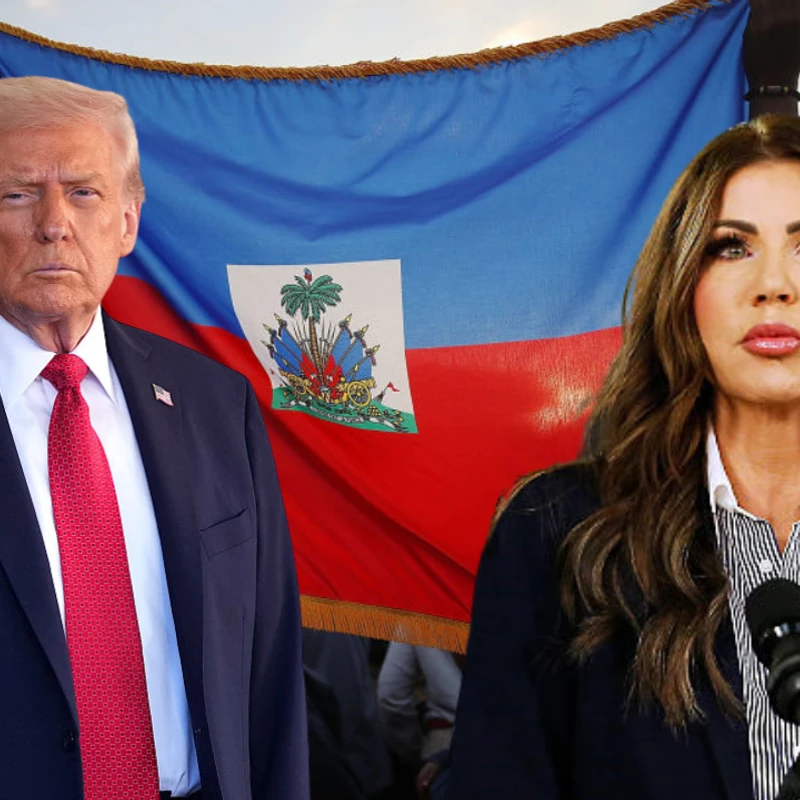
    The U.S. Department of Homeland Security announced that TPS for Haitians will officially end on February 3, 2026. Secretary Kristi Noem stated that Haiti ‘no longer meets the statutory requirements for TPS,’ based on a review by U.S. Citizenship and Immigration Services and other government agencies. The department memo indicated that allowing Haitian nationals to remain in the U.S. is deemed ‘inconsistent with U.S. national interests.’

    Incentives for Departure and Past Reversals

    The administration is urging the approximately 353,000 Haitians currently under TPS to voluntarily depart using the CBP Home mobile app. They are offering incentives such as a complimentary plane ticket, a $1,000 ‘exit bonus,’ and the possibility of future legal immigration opportunities. This marks the second attempt by the Trump administration to end TPS for Haitians; a previous effort was blocked by a federal judge in July.

    Jozef vehemently rejected the notion that immigrant communities must continually justify their right to safety and stability. She emphasized that TPS represents the ‘bare minimum of protection,’ and its removal is a profound injustice. The Haitian Bridge Alliance is committed to organizing and resisting what they see as the weaponization of migration against the most vulnerable populations.

    Ending TPS for Haiti is not a policy decision — it is an act of violence against immigrant families and their children who have called the U.S home for over a decade. — Guerline Jozef, Haitian Bridge Alliance

    With millions displaced by violence and in need of humanitarian aid in Haiti, this decision raises serious concerns about the well-being of those who will be forced to return. The move underscores a contentious debate about immigration policy and the treatment of vulnerable populations.

    What are your thoughts on the termination of TPS for Haitians? Share your perspective in the comments below!

  • Rick Fox Launches Bid for Bahamian Parliament

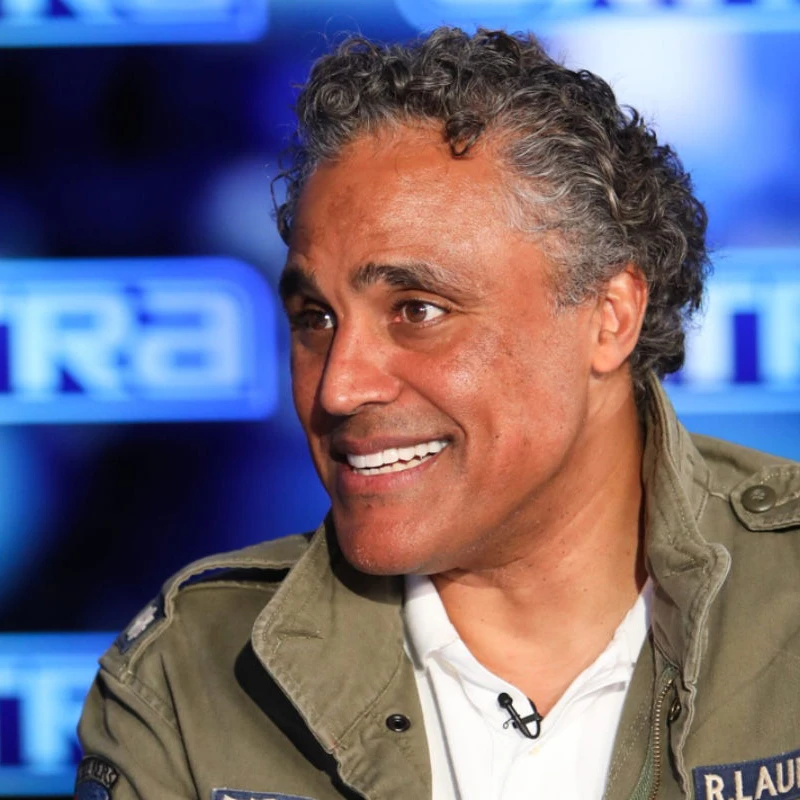
    Get ready for a new player in Bahamian politics! Rick Fox, the former NBA star celebrated for his role in the Los Angeles Lakers’ three championship wins, has announced his intention to run for a parliamentary seat in the Bahamas. This move marks a significant transition from the basketball court to the political arena.

    Addressing National Challenges

    Fox’s announcement comes at a critical time for the island nation. The Bahamas is currently navigating a complex landscape marked by corruption controversies, concerns over irregular migration, and the ongoing rebuilding efforts following the devastating Hurricane Dorian in 2019. Fox aims to bring a fresh perspective to these pressing issues.

    In a Facebook statement on November 24th, Fox expressed his desire to address the frustrations he’s heard from citizens across the country. He stated his goals are to foster “more transparency, a modern economy that prioritizes affordability and security,” and to ensure that “opportunity is our reality, not just a promise” for Bahamians.

    A Diverse Background Beyond Basketball

    While widely recognized for his NBA career, Fox’s experience extends far beyond the court. Before retiring from basketball, he developed interests in entertainment and later became a notable figure in the burgeoning esports industry. He co-founded the gaming organization Echo Fox in 2015, making him an early mainstream sports figure to invest heavily in competitive gaming.

    Fox’s connection to the Bahamas is deeply personal. Born in Toronto to a Canadian mother and a Bahamian father, he spent formative years of his childhood on the islands, shaping his sense of identity and community. These strong ties are a key motivator for his decision to enter public service during this challenging period for the nation.

    A High-Profile Candidacy

    Drafted by the Boston Celtics in 1991 and later becoming a key player for the Lakers during their early 2000s championship dynasty, Fox brings a high level of name recognition to the political race. His pitch to voters centers on reform and opportunity, aiming to lead with a focus on modernizing the economy and increasing transparency.

    Fox’s entry into the political landscape is expected to make the upcoming general election fiercely contested. His move from sports stardom to politics has already garnered significant national and international attention, raising questions about whether voters will embrace the former athlete’s bid for public office.

    • Former NBA champion Rick Fox is running for a parliamentary seat in the Bahamas.
    • He aims to bring transparency, economic modernization, and opportunity to the nation.
    • Fox’s announcement comes amid corruption controversies and rebuilding efforts post-Hurricane Dorian.
    • He has a diverse background including esports and entertainment.
    • Fox has deep personal ties to the Bahamas, having spent part of his childhood there.

    What are your thoughts on Rick Fox’s transition into politics? Do you think his background makes him a strong candidate for the Bahamian Parliament? Share your opinions in the comments below!

  • Deported After 30 Years: Edrisse Michelin’s Struggle in Haiti

    Imagine living in a country for nearly three decades, building a life, a career, and a family, only to be sent back to a place you barely remember. This is the harsh reality for Edrisse Michelin, a 32-year-old man who was deported to Haiti after serving time for a federal conviction. After spending almost 30 years in South Florida, Michelin now finds himself in a country he left as a toddler, struggling to navigate a life that feels foreign and unsettling.

    A Life Upended by One Mistake

    Michelin arrived in South Florida at the age of three and spent his entire life there. He graduated high school, attended college, and established a career as a real-estate agent and insurance broker, all while being a lawful permanent resident. However, a single conviction for securing an illegal Paycheck Protection Program (PPP) loan in 2020 changed everything. He served over two years in federal prison, followed by nine months in immigration detention, before being deported to Haiti earlier this month.

    The Painful Reality of Deportation

    The journey back to Haiti was described by Michelin as physically painful and humiliating. He recounted being shackled at the feet and hands, with instructions on using safety equipment for a potential plane crash adding to the distress. Upon arrival in Cap-Haïtien, deportees were given a mere $100 and released. Michelin’s wife, Iyamille, an American citizen, met him there, highlighting the complex reality of mixed-status families affected by such policies.

    Struggles in a Familiar, Yet Foreign Land

    Adjusting to life in Haiti has been incredibly difficult. Michelin admits he struggles with the language, speaking only a little Creole. He and his wife have been moving between towns, currently staying with relatives in Petit-Goâve, trying to adapt to daily life, which he describes as a constant effort to overcome obstacles. He worries about the thousands of other Haitian nationals in the U.S. whose Temporary Protected Status is set to expire, potentially leading to similar uprooting and overwhelming the limited resources in Haiti.

    Reuniting a Family and Seeking a Future

    The Michelins are documenting their challenges on Instagram, hoping to shed light on the realities of deportation for mixed-status families. Their primary goal is to secure a visa elsewhere to reunite their blended family of eight children – children Edrisse hasn’t seen in years. However, with few countries actively processing applications from Haitians, they remain in a difficult limbo, caught between the life they knew and an uncertain future.

    What are your thoughts on Edrisse Michelin’s story and the broader implications of deportation policies? Share your perspective in the comments below.