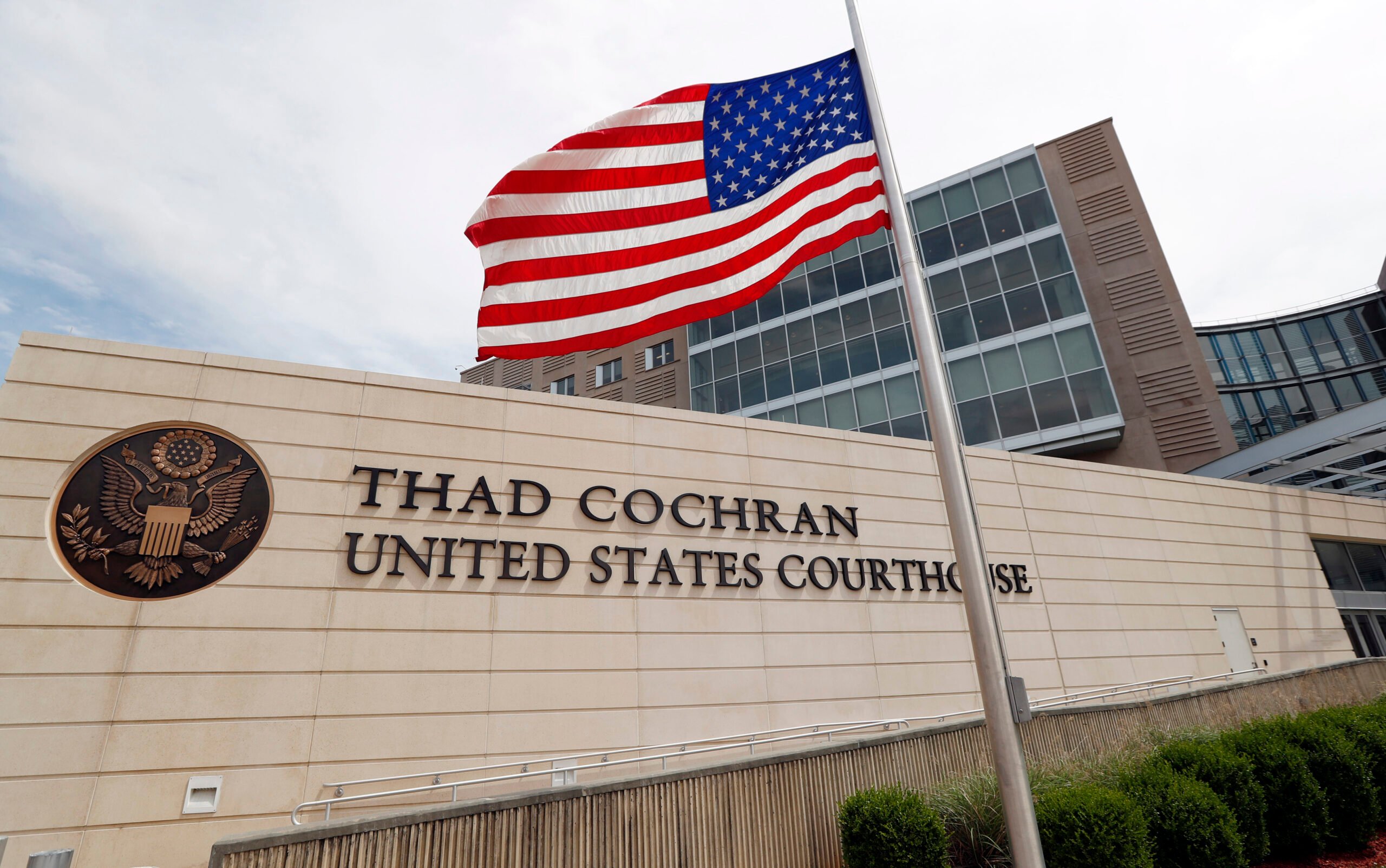
In a significant ruling, a federal judge has blocked portions of Mississippi’s recently enacted ban on diversity, equity, and inclusion (DEI) practices in public schools. U.S. District Judge Henry Wingate issued a preliminary injunction, finding that the law, as written, conflicts with the First Amendment and the state’s public interest.
Key Provisions Blocked by the Court
The blocked provisions specifically target discussions of “divisive concepts” related to race, sex, gender identity, sexual orientation, and national origin. The law also aimed to prevent public schools from maintaining DEI programs, courses, or offices, and banned diversity training requirements. Judge Wingate’s ruling means these specific prohibitions cannot be enforced while the lawsuit challenging the law proceeds.
However, other parts of the law remain in effect. These include provisions that prohibit schools from giving preferential treatment based on race, sex, color, or national origin, and those that penalize students or staff for refusing to embrace DEI concepts. The law, which took effect in April, was intended to prevent discriminatory practices by banning DEI initiatives, with violations potentially leading to a loss of state funding.
First Amendment and Academic Freedom Concerns
The lawsuit was filed by a group of teachers, parents, and students who argue that the law infringes upon their First and Fourteenth Amendment rights. Judge Wingate’s ruling echoed these concerns, stating the law is “unconstitutionally vague,” fails to be viewpoint-neutral, and poses “serious risks of terrible consequences with respect to the chilling of expression and academic freedom.”
The injunction applies statewide, as Judge Wingate also granted the plaintiffs’ request to add class-action claims. This means the ruling impacts teachers, professors, and students across Mississippi. Jarvis Dortch, executive director of the ACLU of Mississippi, praised the ruling, stating, “The Court sees the law for what it plainly is — an attempt to stop the proper exchange of ideas within the classroom.”
The plaintiffs’ lawyers had argued that the law’s vagueness left educators and students uncertain about what speech was permissible, potentially leading to self-censorship. Professor Cliff Johnson of the University of Mississippi Law School testified that he feared being unable to teach crucial topics related to civil rights and historical events due to the law’s ambiguity, leaving him feeling “paralyzed.”
What are your thoughts on the ruling regarding Mississippi’s DEI ban? Share your perspective in the comments below!
Leave a Reply