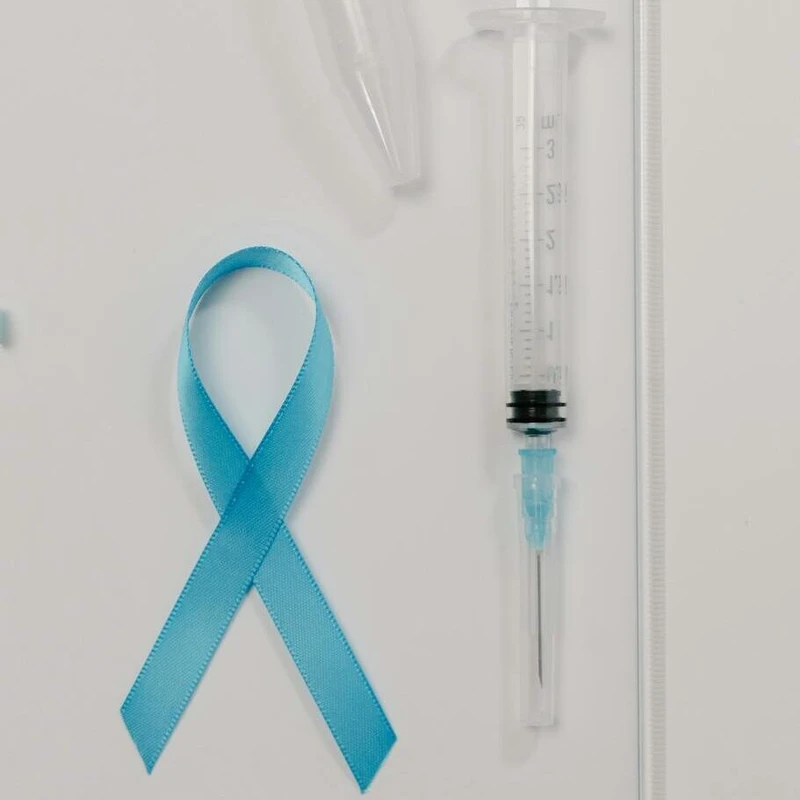
What if you could treat prostate cancer with just a couple of office visits instead of weeks of daily hospital trips? A promising new study suggests that a shorter, more intense course of radiation therapy might be a safe and effective option, potentially offering significant benefits, especially for Black men who face higher rates of prostate cancer.
The Promise of Short-Course Radiation
Researchers presented findings from a small pilot clinical trial indicating that delivering radiation in two larger doses over eight days yielded similar side effect rates to the standard five-dose course spread over two weeks. This approach, sometimes called ‘hypofractionated’ radiation therapy, could drastically reduce the disruption of treatment for patients.
Dr. Sian Cooper, the lead researcher, highlighted the convenience factor: “For patients, a two-session treatment course would be far less disruptive than the weeks of daily hospital visits that radiotherapy has traditionally required. This convenience comes with clear benefits for work, leisure, family life, and travel.” The study found minimal impact on patients’ quality of life after two years.
Benefits for Black Men Facing Prostate Cancer
This development is particularly significant for Black men, who experience the highest incidence and mortality rates of prostate cancer in the U.S. They are also more likely to be diagnosed at younger ages and with more aggressive forms of the disease. Barriers like work schedules, caregiving duties, transportation issues, and financial strain can make accessing and completing standard, lengthy treatments challenging.
A shorter treatment schedule could help mitigate these barriers, potentially improving adherence and outcomes. While the study noted slightly lower rates of erectile dysfunction in the two-dose group compared to the standard five-dose group, overall side effects were comparable. Importantly, the use of MRI-guided precision targeting helped protect surrounding healthy tissue.
Considerations and Future Directions
While the results are promising, experts caution that this technology is currently available in a limited number of specialized centers. Matthias Guckenberger, president of ESTRO, noted that while these MRI-guided devices are rapidly growing in availability, more research is needed to confirm the long-term effectiveness of shorter radiation courses against prostate cancer.
It’s crucial to remember that treatment decisions are individualized, depending on cancer stage, overall health, age, and personal preferences. Although this study suggests shorter schedules can be safe and effective for many, ongoing studies will continue to examine long-term outcomes. Patients should always discuss the best treatment plan with their healthcare provider.
What are your thoughts on these advancements in prostate cancer treatment? If you or a loved one are facing prostate cancer, talk to your doctor about all available treatment options. Share your questions and experiences in the comments below!