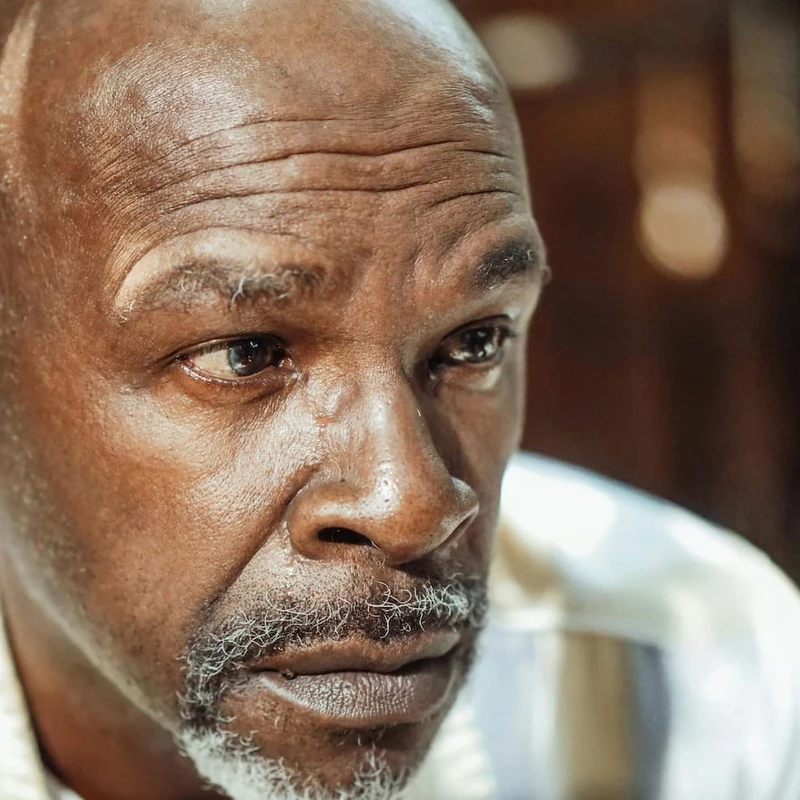
Receiving a prostate cancer diagnosis can be overwhelming, but it’s important to remember that this is often a slow-developing cancer, giving you time to understand your options and plan your next steps. Black men are disproportionately affected by prostate cancer, making awareness and informed action even more critical.
This diagnosis marks the beginning of a journey, and knowing what to expect can make a significant difference. From consulting specialists to making lifestyle adjustments, here’s a guide to help you navigate this new path.
Finding the Right Specialist
While an oncologist may have delivered your diagnosis, seeking out a specialist who focuses specifically on prostate cancer is highly recommended. These experts are often at the forefront of emerging treatments and have a deep understanding of the unique challenges patients face.
Start by asking for recommendations from trusted friends, family, or your current doctor. A specialist can provide tailored advice and ensure you’re exploring all the most effective treatment avenues available.
Anticipating Further Tests
Your initial diagnosis is just the beginning. To create the most effective treatment plan, your doctor will likely order more tests. These can include blood tests, CT scans, ultrasounds, and MRIs to get a clearer picture of the cancer’s type and stage.
If there’s suspicion that the cancer may have spread, biopsies and bone scans might also be necessary. Always ask your doctor about upcoming tests during your appointments so you can be fully prepared.
Lifestyle Adjustments: Smoking, Nutrition, and Activity
Your overall health plays a significant role in your fight against cancer. Quitting smoking is paramount, as it impacts your immune and circulatory systems, hindering your body’s ability to heal and fight the disease. If quitting is a challenge, discuss options with your doctor.
Nutrition is also key. While there’s no single “prostate cancer diet,” focusing on whole foods like berries and tomatoes while limiting processed and high-fat items is generally beneficial. Supplements might help if eating is difficult, but always consult your doctor first.
Physical activity, even if modified due to treatment, offers numerous benefits, including better sleep, improved mental health, and a stronger body. Ask your doctor for recommendations on how to stay active safely.
Preparing for Treatment and Recovery
Prostate cancer treatments can come with side effects like nausea, fatigue, and changes in sexual function. It’s vital to discuss these with your doctor and your loved ones so everyone is aware and can offer support. Having a plan for managing these side effects is crucial.
If surgery is part of your treatment plan, especially for later stages, having a recovery plan in place is essential. This includes arranging for help getting home, daily care, and transportation to follow-up appointments.
Staying Vigilant for the Long Term
Even after treatment, vigilance is key. Prostate cancer can recur, or you might be at higher risk for other cancers. Regular follow-up assessments will likely be part of your life. Discuss with your doctor which other health conditions you might be more susceptible to and what signs to watch for.
While the diagnosis can be daunting, remember that prostate cancer is often treatable, especially when caught early. Open and honest communication with your healthcare team is your most powerful tool. Knowing what to expect and having a clear treatment plan will empower you on your journey to recovery.
If you or someone you know has been diagnosed with prostate cancer, what steps are you taking? Share your experiences and advice in the comments below to help others navigate this journey.
Leave a Reply