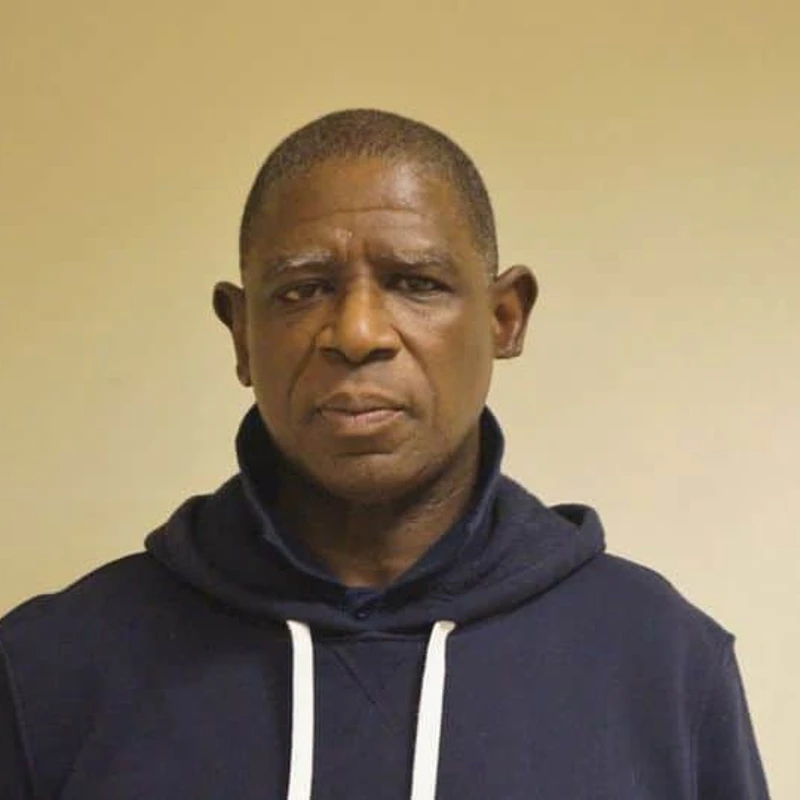
For many men, the thought of a prostate exam can be daunting, often met with hesitation or embarrassment. But for Gilly Morgan, a routine check-up in 2014 turned into a life-saving encounter, proving that facing these fears can make all the difference. His story is a powerful reminder of why regular screenings are crucial, especially for Black men who face higher risks.
The Fear Factor and a Life-Saving Discovery
Morgan, then 56, was initially apprehensive about the prostate exam, a procedure involving a digital rectal exam. “I’ve heard about this, I’ve heard about a finger up the backside! It’s a fear factor,” he recalled. However, his doctor’s detection of elevated prostate-specific antigen (PSA) levels signaled that something was wrong, prompting Morgan to proceed.
The exam revealed prostate cancer. Morgan credits the simple act of the exam with saving his life, emphasizing, “Those two fingers saved my life. I’m here to this day.” He learned that many men avoid these exams due to embarrassment, a factor that tragically leads to delayed diagnoses and poorer outcomes.
The Importance of Regular Check-ups and Breaking the ‘Macho’ Stigma
Morgan’s initial prognosis was grim: an estimated 36 months to live if left untreated. His proactive approach led to successful treatment, but he recognizes that many men aren’t as fortunate. The reluctance to see a doctor, particularly to discuss sensitive health issues, is a significant problem in the Black community and beyond.
Morgan shared his father’s experience, who denied his own prostate cancer diagnosis even after seeing his medical records. “We’re too macho for that, and that’s why a lot of men die. They’re too proud to go and get advice,” Morgan stated, highlighting the cultural barrier that prevents men from seeking necessary medical attention.
Sharing His Story to Inspire Others
After his diagnosis, Morgan struggled to find other Black men willing to share their experiences with prostate cancer, which inspired him to share his own story. This decision motivated his childhood friend, Michael Crowe, to get his own health checked.
Crowe, initially shocked by Morgan’s diagnosis, was prompted to discuss prostate cancer with his doctor. Routine screenings led to the detection of potentially cancerous cells. After considering his options—leaving the prostate as is, chemotherapy, or removal—Crowe opted for surgery, which resulted in nearly invisible scars.
Raising Awareness: Statistics and Recommendations
Morgan and Crowe are now dedicated to raising prostate cancer awareness within the Black community. Statistics show that prostate cancer is the most commonly diagnosed cancer among Black men in the U.S., accounting for a significant percentage of their cancer diagnoses. While the general recommendation for screening is age 50, Black men are often advised to start at age 45, or even 40 if they have a family history.
- Black men are more likely to be diagnosed with aggressive forms of prostate cancer at younger ages.
- Screening at age 45 for Black men can significantly decrease the likelihood of dying from prostate cancer.
- Early stages of prostate cancer often show no symptoms, making screening essential.
Prostate cancer often progresses silently in its early stages. Potential symptoms, though not always present, can include frequent urination (especially at night), weak urine flow, blood in the urine, or erectile dysfunction. If you experience any concerning symptoms or wish to discuss your risk factors, consulting a doctor is paramount.
Have you or a loved one faced prostate cancer? Share your experiences and encourage others to get screened in the comments below!
Leave a Reply