Imagine a life where a chronic condition doesn’t dictate your dreams. For a 23-year-old in Louisiana, that future is looking brighter than ever thanks to a revolutionary gene therapy for sickle cell disease. He’s the first in his state to undergo this cutting-edge treatment, and the early results are incredibly promising!
A Glimmer of Hope for Sickle Cell Warriors
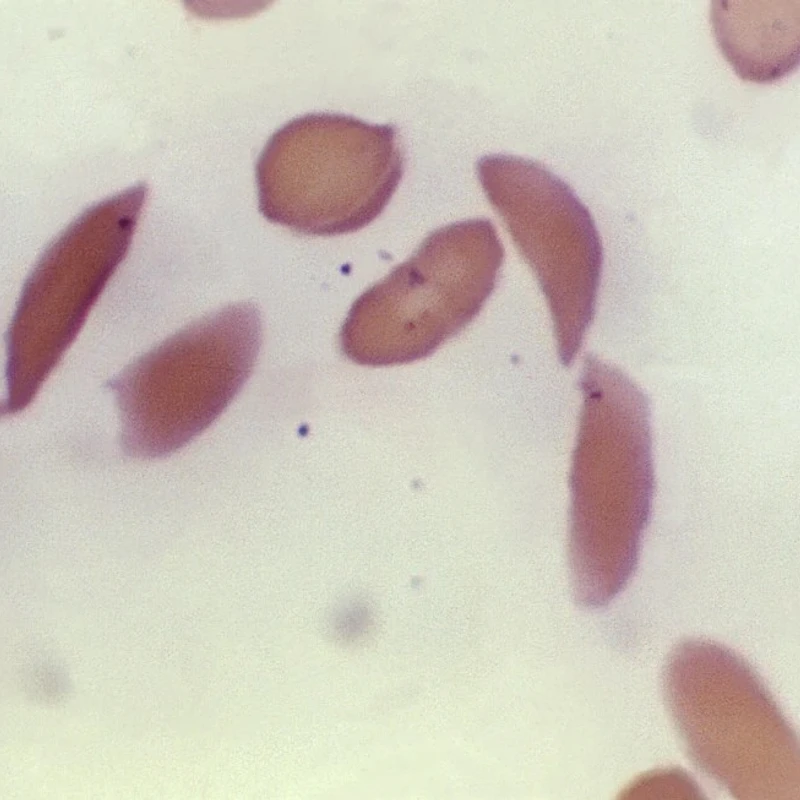
Sickle cell disease is a tough inherited condition that affects red blood cells, turning them into a rigid, sickle shape. This can lead to agonizing pain, serious organ damage, and a shorter lifespan. For years, this has been the reality for our patient, Daniel Cressy, whose daily life was often overshadowed by chronic pain.
But now, there’s a new reason for optimism. After a complex procedure, Daniel was discharged from the hospital following a six-week stay. Doctors are closely monitoring his progress, and the initial signs suggest this gene therapy could offer a long-term, perhaps even permanent, solution.
How Does This Groundbreaking Therapy Work?
The process is quite intricate. First, doctors extracted Daniel’s own stem cells. These cells were then sent overseas for gene editing. Once modified, they were reintroduced into his body after chemotherapy had cleared out his existing bone marrow.
The ultimate goal? To retrain his body to produce healthy, round red blood cells instead of the problematic sickle-shaped ones. Dr. Ben Watkins of LCMC Health shared that early indicators are positive, with Daniel’s body showing signs of generating new hemoglobin and rebuilding his immune system. These are crucial steps showing the therapy is taking hold.
A Milestone in Medical Advancement
This isn’t just a personal victory for Daniel; it’s a significant leap forward for medical science. This gene therapy has been performed on fewer than 100 patients worldwide, making it a truly pioneering treatment. While Daniel is still in his recovery phase, the medical community is buzzing with optimism about the long-term potential.
Soaring Towards a Dream
Beyond the medical implications, this treatment could be life-changing for Daniel on a personal level. He’s always dreamed of becoming a pilot, a goal that was previously out of reach due to his sickle cell disease. Even during his hospital stay, he kept his dream alive, practicing on a flight simulator.
Now, with his health prospects looking up, Daniel is eager to pursue his aviation ambitions. He’s also bravely sharing his journey, hoping to inspire other individuals living with sickle cell disease to explore these innovative treatment options. His story is already giving hope to those who were once hesitant about gene therapy, showcasing the incredible possibilities as this technology becomes more accessible.
What are your thoughts on the potential of gene therapy for sickle cell disease? Share your hopes and questions in the comments below!
Leave a Reply