Tag: Lifestyle

  • 25 Black-Owned Vendors for Your Dream Wedding

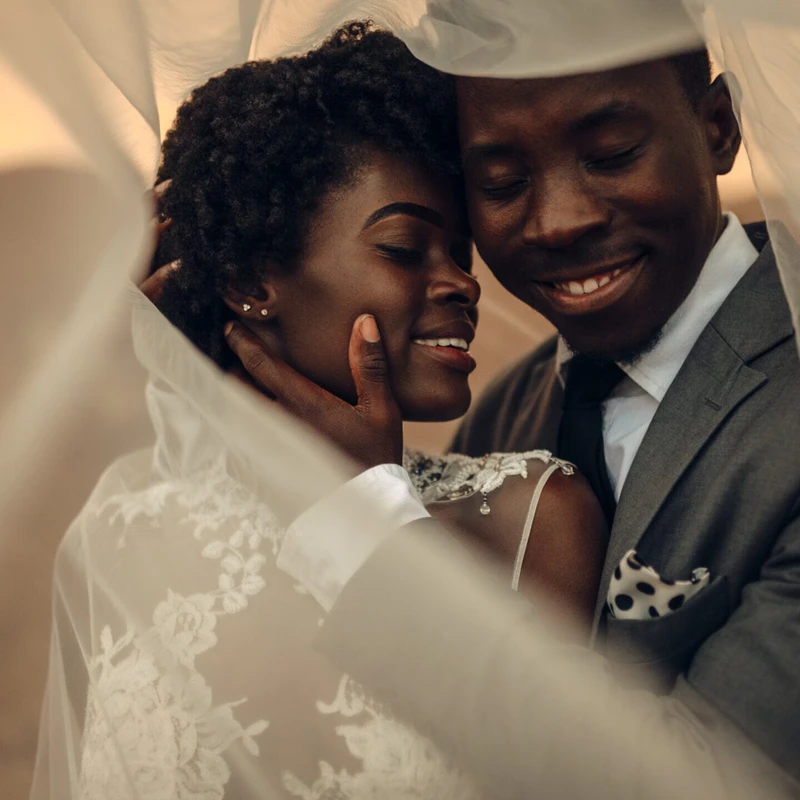
    Planning a wedding is an exciting journey, and for many, it’s also an opportunity to align their celebration with their values. If you’re looking to infuse your big day with a touch of Black excellence, you’re in luck! The wedding industry is brimming with talented Black-owned businesses ready to make your celebration unforgettable. From stunning attire to delicious catering and breathtaking photography, here’s a guide to vendors who can help you create a wedding that’s uniquely yours.

    Say ‘I Do’ to Black-Owned Attire

    Finding the perfect wedding attire is a cornerstone of planning. Whether you’re the bride, groom, or part of the wedding party, these Black-owned brands offer exquisite options:

    • **Laury Bride:** Founded by Project Runway alum Lauren Underwood, this Chicago-based boutique offers custom design and styling services.
    • **Alonuko Bridal:** Based in London, UK, Gbemi Okunlola’s luxury bridal boutique has been dressing fashion-forward brides for over a decade.
    • **Don Morphy:** For sharp menswear, Daniel Mofor’s Dallas-based brand offers everything from ready-to-wear tuxedos to dazzling custom suits.
    • **Sharp, Crisp, and Clean:** This Miami-based menswear brand ensures you’ll look impeccable, offering custom suits and a full range of accessories.

    Glam Squad Goals: Beauty Services

    Looking and feeling your best on your wedding day is paramount. These talented artists specialize in bridal beauty:

    • **B For Beaute:** Atlanta-based makeup artist Bee Gandy offers services for brides, engagement shoots, and bridal parties.
    • **Mia Mo Styles:** Los Angeles-based Mia Moore provides polished, camera-ready makeup and hairstyling for a timeless bridal look.
    • **Darling Bridal Co.:** This New Jersey team, founded by Dominique Hudson, offers on-site hair and makeup services for brides and their parties.

    Setting the Scene: Decor & Florals

    From stunning floral arrangements to cohesive event styling, these vendors create magical atmospheres:

    • **Wander + Whimsy:** This boutique floral studio in the DMV area, led by Haylie Ahart, also offers full-service event styling.
    • **À votre service events:** Marie Danielle Vil-Young’s New York-based luxury business specializes in bespoke floral and event styling nationwide.
    • **K. Hancock Events:** Kiara Hancock offers everything from floral design to full wedding coordination in the Tacoma, WA area.
    • **Black Girl Florists:** An online directory to help you find Black floral designers in your local area.

    Delicious Delights: Catering & Cakes

    Savor the flavors of your celebration with these talented culinary artists:

    • **Chops by Rera LLC:** Chef Rera offers custom menus and catering services for weddings and events in the DMV area.
    • **Whimsy Cakes:** Taneka Weldon’s DMV-based bakery creates stunning custom cakes and desserts.
    • **Alévri & Co:** Tampa-based cake artist Dawn Konofaos crafts beautiful wedding cakes and pastries.
    • **Le Rouge Cuisine:** Houston-based Chef Amber Williams provides plated dinners and custom menus for weddings and events.

    Invitations & Stationery

    Set the tone for your wedding with beautifully designed paper goods:

    • **By Dami Studios:** Damilola Okuboyejo’s New York-based luxury stationery brand offers elegant invitations, signage, and menus.
    • **Fingers in Ink:** Nicole Fingers’ DMV-based studio specializes in personalized custom wedding paper goods.
    • **Woosah Bride:** Shonte’ Parrish-Norgriff created this brand offering planners and organizational tools to make wedding planning smoother.

    Thoughtful Gifts & Home Accents

    Looking for the perfect wedding gift or items to start your new life together?

    • **Be Rooted:** Jasmin Foster’s lifestyle brand offers vibrant planners, journals, and desk accessories centered around Black women.
    • **Harlem Candle Co.:** Teri Johnson’s luxury candles are inspired by Harlem’s rich heritage, making for an elegant gift.
    • **The Black Home:** Interior designer Neffi Walker’s brand offers décor pieces rooted in modern Black luxury and personal storytelling.

    Capturing Your Memories: Photographers & Videographers

    Preserve your special moments with these talented visual storytellers:

    • **KEJ Films:** This husband-and-wife duo offers cinematic, story-driven wedding videography worldwide.
    • **Mesus Studios:** Miguel Mesus’s DMV-based studio provides photography and videography services.
    • **Amarachi Ikeji Photography & Films:** Based in Chicago, Amarachi Ikeji captures ceremonies, destination weddings, and cultural celebrations.
    • **Kiyah C Photography:** Kiyah Crittendon’s Atlanta and DMV-based studio specializes in wedding and engagement photography.

    Planning a wedding that truly reflects you and your partner is a beautiful process. By choosing Black-owned vendors, you not only get exceptional service and products but also contribute to the growth and visibility of incredible entrepreneurs within the community. Happy planning!

    Are you planning a wedding or know someone who is? Which of these Black-owned vendors are you most excited about? Share your thoughts in the comments below!
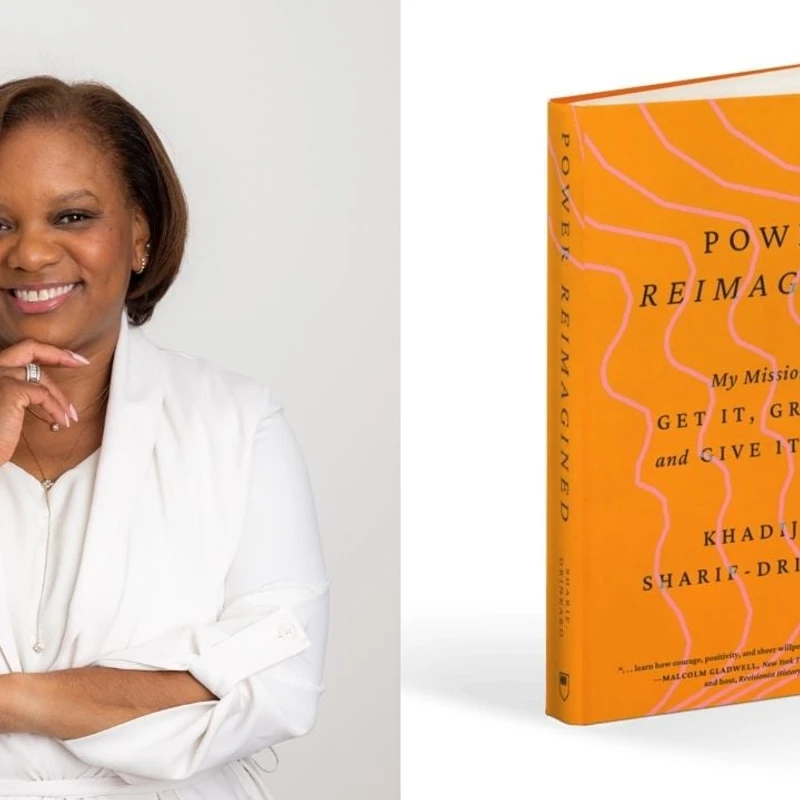
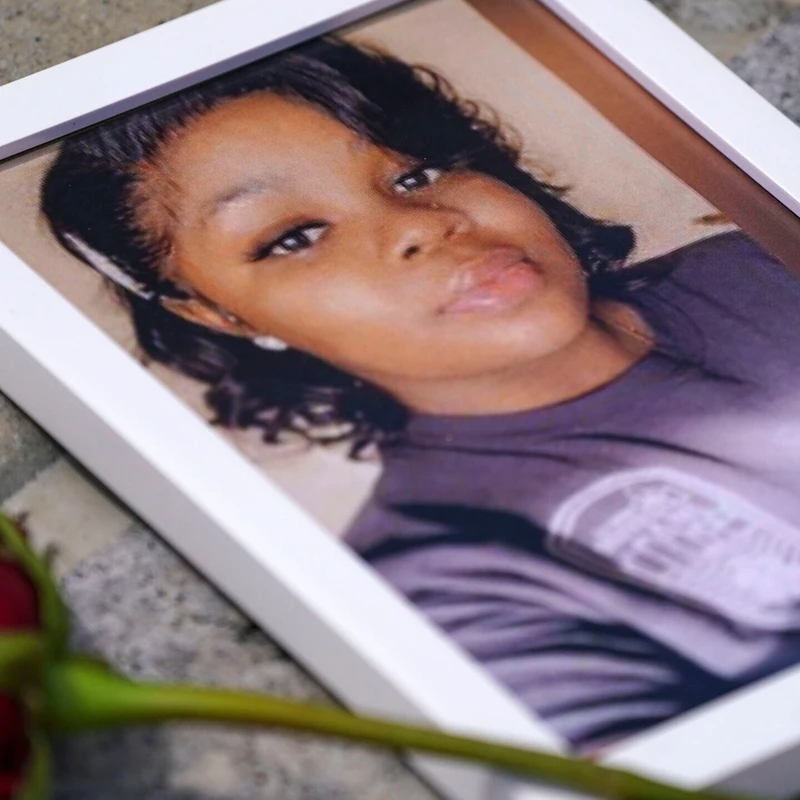
  • Khadijah Sharif-Drinkard: Reclaiming Power for Black Women

    In a world that often feels overwhelming, especially for Black women, Khadijah Sharif-Drinkard is offering a beacon of hope and a practical guide. Her new book, “Power Reimagined: My Mission to Get It, Grow It, and Give It Away,” is a powerful call to action for reclaiming personal strength and influence.

    Finding Power in Community and Resilience

    Sharif-Drinkard, a senior vice president at ABC News and a seasoned executive, draws from her own life experiences, including her upbringing in Harlem and her career in media. She notes that many Black women currently feel despondent and powerless, a sentiment she recognized growing over the past few years. Her book aims to counter this by reminding readers of their inherent strength.

    A key takeaway from the book is the vital role of resilience, which Sharif-Drinkard calls a “superpower” for Black women. However, she also cautions that resilience can sometimes be a double-edged sword. She stresses the importance of community and mutual support, stating, “Black women are going to save Black women. We’re going to help each other. We’re going to save ourselves and save each other.”

    Redefining What Power Looks Like

    Sharif-Drinkard challenges the conventional, often grandiose, definition of power – one associated with immense wealth or fame. She argues that power is fundamentally the “ability to effect change in your life or in someone else’s life.” This change can be quiet, steady, or even appear static, but it is power nonetheless.

    By unlearning societal definitions that associate power only with the wealthy or famous, individuals can recognize their own capacity to influence their lives and communities. “Power actually belongs to all of us,” she asserts, encouraging people to embrace it rather than fear it or feel excluded from it.

    Wielding Power in Everyday Life

    So, where can we find and wield this power? Sharif-Drinkard emphasizes the significance of community engagement. “Get out there and be in community,” she advises. This involves articulating goals, asking for help, and being open to opportunities. She also highlights the power found in elevating others, stating that a significant part of power is understanding one’s purpose, owning their value, and winning strategically.

    • Understand your purpose.
    • Own your value and self-worth.
    • Win strategically and courageously.
    • Elevate others.
    • Practice resilience-based leadership.

    The Business of Love and Relationships

    The book also delves into personal relationships, including Sharif-Drinkard’s unique approach to marriage. She describes a process that involved vetting her now-husband, including interviews and reference checks, which her publisher initially hesitated to include. However, she argues that understanding the “business of love” and relationships is crucial, moving beyond just “chemistry and butterflies.”

    Her advice for women, particularly Black women, seeking partners is to implement a vetting process, ask better questions, and be intentional. “We can’t be afraid to be alone for a minute,” she notes, stressing the importance of self-knowledge and confidence in advocating for one’s needs and dreams. Black women, she insists, “don’t have to fold themselves up to fit into someone else’s life.”

    A Call to Stay in the Game

    Sharif-Drinkard felt compelled to write “Power Reimagined” because she saw too many people, especially Black women, feeling hopeless. She wants to instill a sense of hope and encourage everyone to “stay in the game.” This involves doing the internal work to recognize one’s power and ability to shape their lives, viewing adult dreaming as a “revolutionary act.”

    Her ultimate advice for regaining power is simple yet profound: “Be still long enough to figure out what it is [you] should be doing.” By identifying what fuels you, what brings joy, and what drains you, you can redirect energy towards life-giving pursuits and remove personal “power sucks.”

    What does ‘power’ mean to you? How do you practice reclaiming your strength in your daily life? Share your insights in the comments below!

  • Trump Rollbacks Undermine Criminal Justice Reform

    Remember the wave of criminal justice reform that swept across the nation? Fueled by the tragic deaths of George Floyd, Breonna Taylor, and so many others, communities pushed for change, demanding an end to state-sanctioned violence. They organized, they advocated, and they won significant victories. But now, those hard-won gains are under serious threat.

    Dismantling Accountability: The Trump Administration’s Actions

    In just sixteen months, the Trump administration has taken several alarming steps that systematically dismantle the progress made. On its first day back in office, the National Law Enforcement Accountability Database (NLEAD) was scrapped. This crucial system tracked federal officer misconduct, aiming to prevent officers fired for abuse from being rehired elsewhere.

    Furthermore, Biden-era restrictions on dangerous no-knock warrants—the same tactic used in Breonna Taylor’s killing—were rescinded. In April 2025, over 370 Department of Justice grants, totaling more than $800 million, were terminated. These funds supported vital community violence intervention, gun violence prevention, victim services, and crime reduction programs.

    The Real Danger of Eliminating NLEAD

    The elimination of NLEAD isn’t just an abstract policy change; it has real-world consequences. Consider Timothy Loehmann, the officer who shot and killed 12-year-old Tamir Rice. Fired for falsifying his application, he was later hired by another department. Without a national database to track such misconduct, officers with problematic histories can simply move to new communities, posing a continued threat.

    This lack of transparency leaves the public vulnerable and without recourse. The data is clear: communities thrive not with more police, but with more resources. Investing in stable housing, quality schools, accessible healthcare, and trusted community organizations demonstrably reduces violence far more effectively than increased policing.

    Community Investments vs. State Violence

    The termination of community violence intervention (CVI) grants is particularly concerning. These programs are not mere feel-good initiatives; they are proven to yield significant community benefits. Studies show that for every dollar invested in violence prevention, communities see a return of $7 to $19. Cities like Newark and Detroit have seen dramatic drops in violent crime and significant cost savings directly linked to these CVI programs.

    These rollbacks are happening concurrently with aggressive ICE operations, which Human Rights Watch has documented as violent and racially targeted. The data consistently shows that investing in community care, not state violence, is the path to safety. The argument that reduced police presence automatically leads to more crime is simply not supported by evidence.

    The real question isn’t about police versus no police; it’s about whether we’re willing to fund the conditions that foster true safety. Pouring billions into a system that data shows consistently fails the communities it’s meant to serve is not a sustainable solution. We owe it to the victims of unchecked law enforcement and to future generations to demand better and build the community safety we deserve.

    What steps do you believe are most crucial for building safer communities? Share your thoughts and ideas in the comments below!

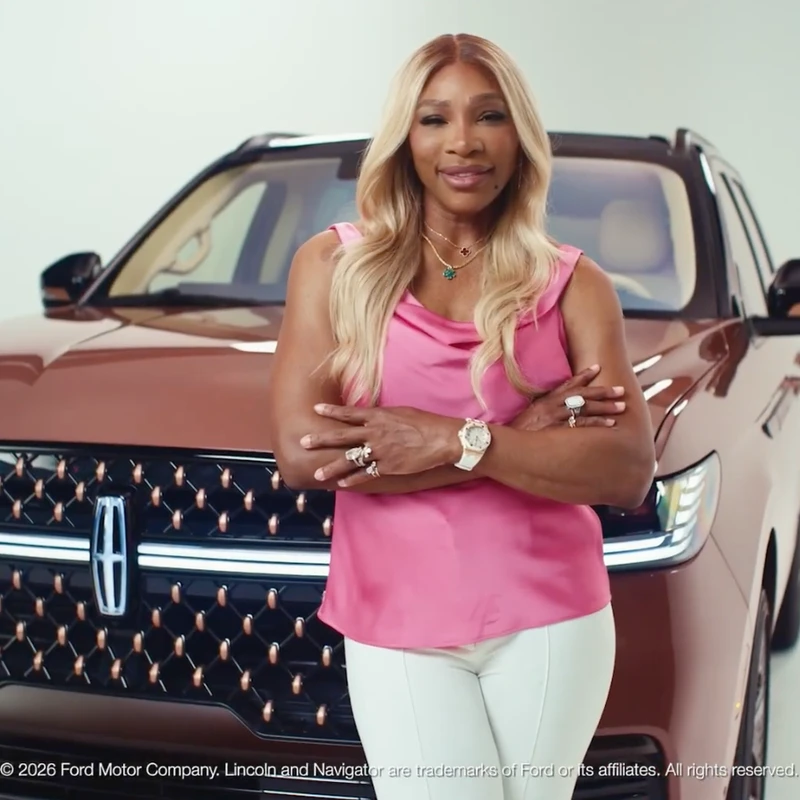
  • Serena Williams’ Lincoln Navigator: A Legacy of Black Excellence

    Talk about a full-circle moment! Tennis icon Serena Williams, known for her fierce determination on the court, has turned a personal investment from her early career into a stunning collaboration with Lincoln. Back in 1998, a teenage Serena used her first major tournament earnings to buy a Lincoln Navigator, affectionately named ‘Ginger.’ Now, over two decades later, Lincoln has invited her to co-design a one-of-a-kind Navigator, creating a vehicle that’s more than just a luxury SUV – it’s a rolling autobiography.

    Authenticity: The Key to a Powerful Partnership

    What makes this collaboration so special is its authenticity. Unlike typical celebrity endorsements, this partnership stems from Serena’s genuine connection to the Lincoln brand, dating back to her youth. Lincoln’s Global Design Director, Christine Park Cheng, and her team recognized the value of this organic relationship, understanding they weren’t just designing for a spokesperson, but for someone who chose their vehicle long before the partnership began.

    For readers who understand the power of authentic brand equity, this distinction is crucial. Serena’s journey with Lincoln mirrors the kind of organic brand-building that creates lasting cultural impact, moving beyond a simple marketing campaign to inspire the product itself.

    A Masterpiece of Design and Personal Touches

    The result of this collaboration is a truly bespoke Navigator. The exterior boasts a ‘Perfect Rose’ paint, a deeper shade inspired by Lincoln’s Sunrise Copper, infused with Serena’s favorite pink hue and a subtle sparkle effect. High Gloss Black panels, Satin Rose Copper grille accents, and custom trim ride on impressive 24-inch wheels, exuding prestige.

    Adding deeply personal touches, a hand-painted rose with an embedded heart adorns the B-pillar and rear tailgate – symbols of femininity, tenacity, and love. The interior, named ‘Clay Court & Afterglow,’ features rich, warm-brown leather reminiscent of tennis courts, complemented by lighter Afterglow Tan for a sense of embrace. This thoughtful design offers a sanctuary for a woman who has spent decades in high-stakes competition.

    Innovations and Emotional Connections

    Beyond aesthetics, the Navigator is packed with cutting-edge features. It includes 30-way Perfect Position Seats, a Revel Ultima 3D sound system with 28 speakers, and a panoramic 48-inch LCD screen. However, the most emotionally resonant details are the laser-engraved sill plates.

    These plates feature Serena’s mantra, “keep going,” alongside the birth years of her daughters, Olympia and Adira, and her and her husband’s names. Seeing these personal touches brought Serena to tears, highlighting the profound connection she felt to the vehicle.

    A Mobile Sanctuary for a Champion

    Lincoln’s Rejuvenate wellness system, with massaging seats, adaptive lighting, and nature-inspired audio, further enhances the vehicle’s role as a mobile sanctuary. For Serena, a champion athlete, entrepreneur, designer, and mother of two, this isn’t just a luxury; it’s a strategic resource for energy restoration.

    The XL body frame, illuminated grille, adaptive suspension, and ventilated massaging seats create an unparalleled sense of peace. This bespoke Navigator elevates Lincoln’s mastery of energy restoration into something akin to a personal shrine, a fitting tribute to a woman who began her journey with a simple, confident purchase.

    What do you think of Serena Williams’ custom Lincoln Navigator? Does this collaboration inspire you? Share your thoughts in the comments below!
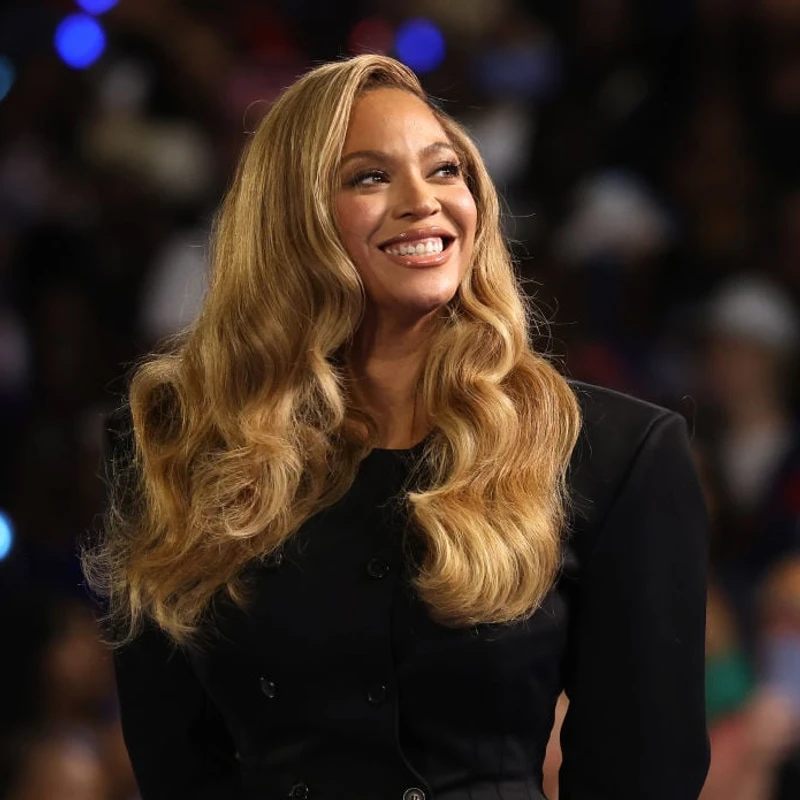
  • Beyoncé’s ‘Cowboy Carter’ Inspires Harvard Policy Course

    Who knew that Beyoncé’s latest musical masterpiece, ‘Cowboy Carter,’ could be a textbook for future policymakers? Well, at Harvard Kennedy School, it is! Professor Ayushi Roy is using the Grammy-winning album to explore a critical question: why do government programs, even those with the best intentions, often fall short in actually helping the people they’re meant to serve?

    From Album Themes to Policy Gaps

    Roy’s course, aptly titled “American Requiem: Beyoncé, Benefits and the Gap Between Promise and Delivery,” dives deep into how programs like Medicaid and SNAP can fail their intended recipients. The inspiration struck Roy after seeing Beyoncé perform live and recognizing the album’s powerful commentary on the erasure of African American people, not just from country music, but from the broader societal narrative and political landscape.

    This unique approach challenges the traditional, data-heavy methods often used in public policy education. Roy argues that while economics and statistics are important, they often miss the nuanced, individual experiences that truly highlight where policies break down during implementation.

    Real-World Application and Practitioner Insights

    The course isn’t just theoretical. Students are tasked with exploring the social safety net’s weak points and have even heard directly from practitioners, like a former California health and human services secretary. They’ve worked on simulations, like one that walks users through the complex challenges families face when trying to reunite with children removed from their care.

    Roy, who has over a decade of government experience, believes that the real challenge isn’t just developing new technology, but preparing practitioners to navigate the complex realities of implementation and political feasibility. It’s about understanding the human element that data alone can’t always capture.

    Bridging the Gap Between Data and Lived Experience

    By using ‘Cowboy Carter’ as a lens, Roy is encouraging students to look beyond aggregated data and connect with the distinct, often overlooked, experiences of the American public. This method aims to foster a deeper understanding of policy impact, moving beyond ‘standard policy’ to create truly ‘good policy’ that addresses real needs.

    What do you think about using music and art to teach public policy? Share your thoughts in the comments below!
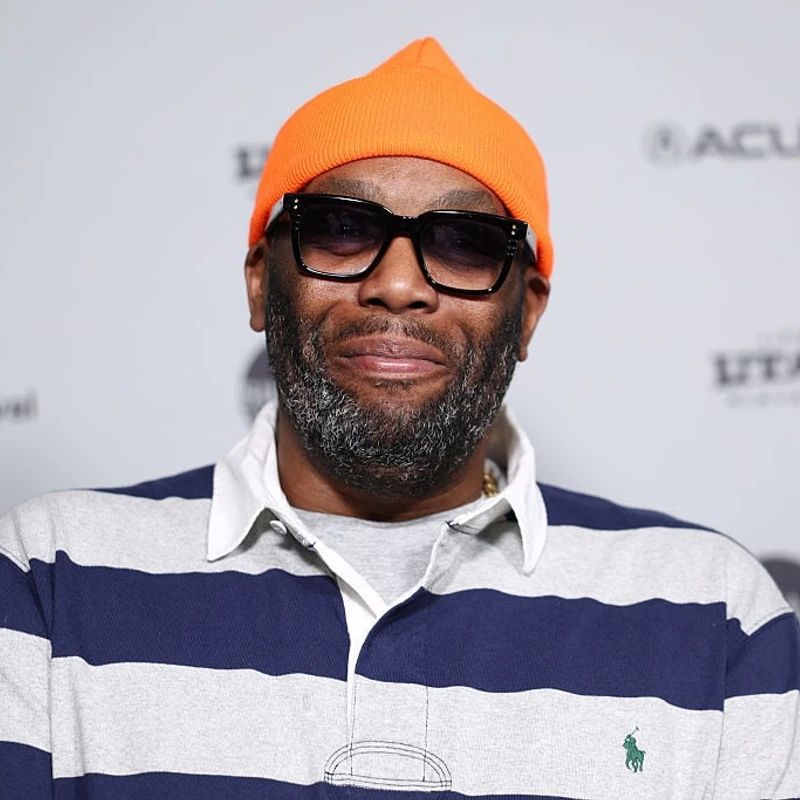
  • Killer Mike’s New Housing Plan for Atlanta

    What if building wealth in your own community was as simple as renting a home? For years, Grammy-winning artist and activist Killer Mike has been a vocal advocate for economic empowerment and closing the wealth gap, especially in his hometown of Atlanta. Now, he’s turning those powerful words into action with an exciting new housing initiative.

    Introducing the ‘Build-to-Ownership’ Program

    Killer Mike, whose real name is Michael Render, has teamed up with Bridge Tower and Blackmon Real Estate to launch a groundbreaking program called Build-to-Ownership (B2O). This initiative is specifically designed to create clearer pathways to homeownership for families in the metro Atlanta area.

    The core idea is simple yet revolutionary: offer residents the chance to lease newly constructed homes with a structured, clear option to purchase them down the line. This isn’t just about getting keys to a house; it’s about building equity and securing long-term financial stability in a market where owning a home can feel like a distant dream.

    Empowering Atlanta Families

    Render himself emphasized the program’s goal: “This initiative is about bringing homeownership within reach for people who crave the stability that ownership offers,” he stated. “This will ultimately create stronger communities. It will also help families build wealth.”

    He further connected the project to a larger mission of community investment and economic access in Atlanta, famously stating, “Wealth is defined by the ability to own land.” Through B2O, he aims to ensure that the very people who contribute to Atlanta’s vibrancy have a tangible stake in its future.

    Strategic Focus and Phased Rollout

    The B2O program plans to kick off in high-growth areas across Greater Atlanta. The focus will be on neighborhoods that offer convenient access to employment centers, public transit, and bustling retail hubs. This strategic approach ensures that new homeowners are well-positioned for success and community integration.

    The rollout is set to occur in phases, with the first acquisition announcements anticipated in the coming months. This measured approach allows for careful planning and execution, ensuring the program’s long-term viability.

    Beyond Music: A Commitment to Community

    This housing initiative is the latest in Killer Mike’s expanding ventures beyond music. The Atlanta native has increasingly dedicated his efforts to financial literacy, cooperative economics, and Black ownership. His past projects have touched on banking, workforce development, and affordable housing, all contributing to his vision of a more equitable Atlanta.

    Atlanta has long been recognized as a hub for Black economic success. However, rising home prices and rapid neighborhood changes have made it challenging for many long-time residents to maintain their roots. The B2O model directly addresses this tension by creating a viable pathway for renters to become stakeholders, rather than being displaced.

    What are your thoughts on Killer Mike’s Build-to-Ownership initiative? How important is rent-to-own for building community wealth? Let us know in the comments!

  • Byron Allen: Keep BuzzFeed & HuffPost Fearless

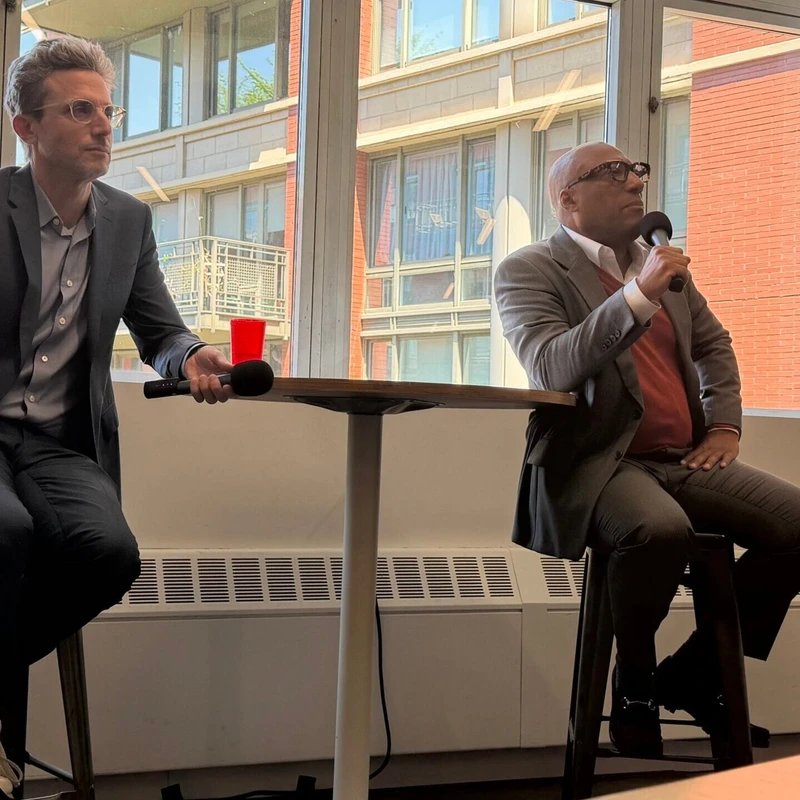
    In the wake of his recent acquisition of BuzzFeed and HuffPost, media mogul Byron Allen has a clear message for the journalists at these outlets: stay fearless and independent. During a visit to their offices on Monday, May 19, Allen emphasized his commitment to preserving the core values of both publications.

    A Vision for Fearless Journalism

    Allen made it clear that he wants the journalists at HuffPost, in particular, to continue being outspoken and dedicated to uncovering the truth. He encouraged them to embrace their authentic voices and report aggressively on issues they deem unjust or harmful. “I want the HuffPost, I want you to be yourself,” Allen stated, as reported by theGrio. “I want you to be loud and proud. Say whatever the hell you want to say. Say it. Say it loud and proud.”

    He urged reporters to be bold in their pursuit of accuracy, adding, “If you see something that’s not right, say it. Say it and just get out there and be real. I want you to be real.”

    The Power of Truth and Black Ownership

    Allen drew a parallel between the pursuit of truth and his own career, sharing a poignant memory of his friendship with Coretta Scott King. “Coretta Scott King was a friend of mine,” he recalled. “And she taught me, she said, ‘Byron, our greatest weapon is the truth. If we bring the truth we will always win.’” This philosophy underscores his belief in the power of honest reporting.

    His acquisition significantly expands Allen Media Group’s portfolio, which already includes numerous television stations, TheGrio, and The Weather Channel. Allen highlighted the importance of Black majority ownership in media, seeing it as a pathway to greater economic inclusion and opportunity for companies like BuzzFeed and HuffPost.

    Maintaining Company Culture

    Despite the change in ownership, Allen assured employees that he has no intention of altering the existing culture at BuzzFeed and HuffPost. “I think the culture will be the same. Here at BuzzFeed and HuffPost, the culture is the culture. I don’t think that changes,” he affirmed. He also believes his past legal efforts to ensure advertising inclusion for Black-owned media could potentially boost revenue for the newly acquired outlets.

    Allen’s commitment is to empower the journalists to do what they do best: report the news with integrity and courage, ensuring that diverse voices and important stories continue to be told.

    What do you think about Byron Allen’s vision for BuzzFeed and HuffPost? Share your thoughts on the future of independent journalism in the comments below!

  • Momnibus Act: Addressing Black Maternal Health Crisis

    The Black maternal health crisis, a stark reality where Black pregnant individuals are about three times more likely to die from childbirth complications, has been a pressing concern for years. In response, Congress introduced the Black Maternal Health Momnibus Act. However, recent reintroductions under the simpler title “Momnibus Act” have raised questions and concerns among advocates about its focus.

    First introduced in March 2020, the original bill comprised nine distinct pieces of legislation aimed at directly addressing the crisis and improving outcomes for all birthing people. Despite its crucial intent, the bill struggled to gain traction, partly due to its introduction at the onset of the COVID-19 pandemic. Over the years, the legislation has evolved, with the word ‘Black’ appearing less frequently in its text.

    Evolving Language, Enduring Goals

    The shift from the “Black Maternal Health Momnibus Act” to simply the “Momnibus Act” might seem alarming at first glance. However, a closer look at the legislative journey reveals a more nuanced strategy. The bill has expanded significantly since its inception, incorporating updated language to be more inclusive and, in some instances, to navigate potential regulatory hurdles.

    In 2023, direct references to ‘Black’ were replaced with broader terms like ‘demographic groups with elevated rates of maternal mortality…’ The word ‘Black’ was retained primarily in references to historically Black colleges and universities (HBCUs) and other minority-serving institutions. This strategic linguistic adjustment aims to ensure the legislation’s effectiveness and reach.

    A Strategic Approach to Policy

    Rep. Lauren Underwood (D-IL), a co-founder of the Black Maternal Health Caucus, explained the rationale behind these changes. “The definitions in the bill are designed to make sure that the money can get to the communities that need it,” she told The 19th. Her spokesperson noted that aligning with the Office of Minority Health’s language was a move to avoid future regulatory obstacles.

    The legislation was reintroduced in March 2026 by Rep. Underwood and Sen. Cory Booker, now encompassing 14 distinct bills and boasting over 200 co-sponsors. This expansion and broad support underscore a continued commitment to addressing the crisis, even as political climates shift.

    Broad Support and Continued Advocacy

    The urgency of the issue is clear, with Rep. Gabe Amo highlighting on Threads, “The United States has the highest pregnancy-related death rate of ANY high-income country, with communities of color at greatest risk. That is unacceptable.”

    Members of the Congressional Black Caucus (CBC) have affirmed their continued backing. Rep. Jasmine Crockett clarified on Threads that the CBC’s priority remains “black folk,” citing their leadership on voting rights, policing reform, and HBCU funding, and confirming the Momnibus Act’s endorsement. Underwood herself has emphasized that the bill addresses “every clinical and nonclinical factor leading to preventable maternal deaths.”

    So far, one component, the Protecting Moms Who Served Act supporting veterans, has been signed into law. With 206 co-sponsors and needing just 218 votes to pass, the push is on to get the remaining bills across the finish line. Lawmakers are urging constituents to contact their representatives and senators to voice their support.

    What are your thoughts on the evolving language of the Momnibus Act? Do you believe it will still effectively address the Black maternal health crisis? Share your perspective in the comments below!

  • Byron Allen’s Bold Move: Asking Jeff Bezos for The Washington Post

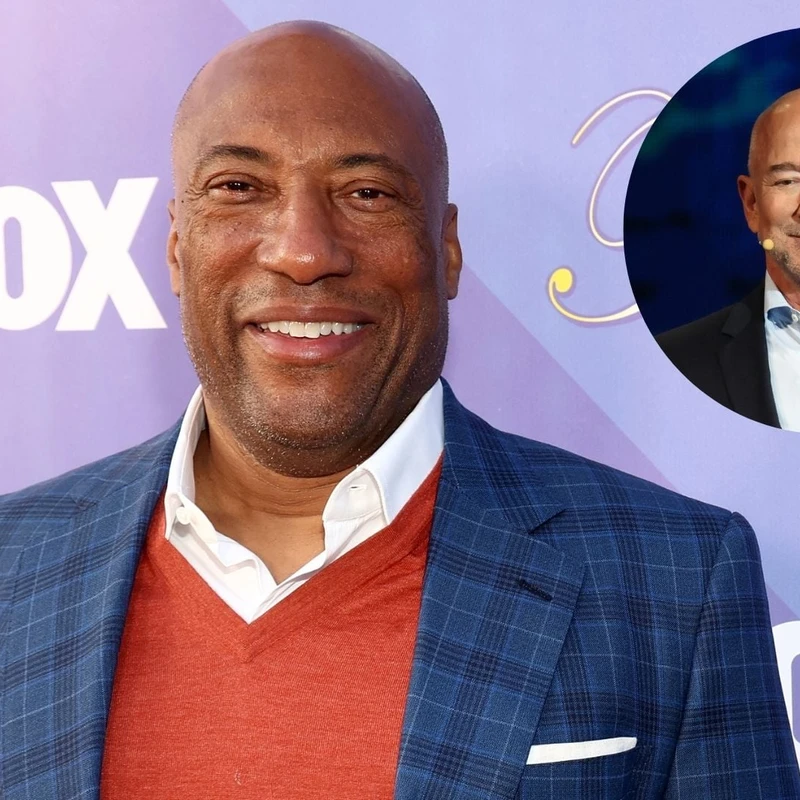
    Imagine this: you’re at a party, you spot one of the wealthiest people on the planet, and you casually ask him if he’d be willing to sell you one of the most influential newspapers in the world. That’s exactly what media titan Byron Allen claims he did when he approached Jeff Bezos about buying The Washington Post!

    This fascinating tidbit came out during a recent address Allen gave to BuzzFeed employees on May 19th. While discussing his expansive vision for his media empire, which now includes BuzzFeed and HuffPost, Allen dropped the bombshell about his direct conversation with the Amazon founder.

    A Bold Proposition to Bezos

    Allen recounted the encounter, stating, “I actually asked Jeff Bezos would you consider selling me the Washington Post.” He explained that the conversation happened organically at a party, leading him to pose the direct question: “Why don’t you sell me the Washington Post?”

    His pitch was particularly pointed, considering Bezos’s other major venture: Blue Origin and his ambitions in space exploration. Allen humorously contrasted his own goals with Bezos’s, suggesting, “You need the government. I’m not trying to go into outer space. I’d like to go buy the Washington Post.”

    Bezos’s Reaction and Allen’s Strategy

    So, what was Bezos’s response to this audacious offer? According to Allen, it wasn’t a flat ‘no.’ “He didn’t say yes. He didn’t say no,” Allen shared. Instead, Bezos offered a more intriguing outcome: he took Allen’s old phone and gave him his contact information, leaving the door open for further discussion.

    While Allen remains keen on acquiring The Washington Post, he also emphasized that he’s not solely focused on this one prize. He believes his newly expanded digital media portfolio, including BuzzFeed and HuffPost, is already a formidable force. “I actually think the HuffPost can beat it,” he stated, showcasing his confidence in his existing assets.

    Allen Media Group’s Growing Influence

    This ambition aligns perfectly with Allen Media Group’s ongoing expansion across various media platforms. Beyond local TV stations and The Weather Channel, the group also owns key digital properties like theGrio and HBCU Go, demonstrating a clear strategy to build a diverse and influential media conglomerate.

    Whether or not Allen eventually acquires The Washington Post, his proactive approach and clear vision for the future of media are certainly making waves. It’s a bold reminder that in the fast-paced world of news and entertainment, audacious goals can lead to incredible opportunities.

    What do you think about Byron Allen’s pursuit of The Washington Post? Share your thoughts in the comments below!
  • AI’s Promise vs. Reality for Black Entrepreneurs

    Artificial intelligence (AI) is rapidly changing the business landscape, offering incredible tools that can boost efficiency and open doors. For many Black entrepreneurs, like wellness business owner Shondale Atkinson in Dayton, Ohio, AI is a game-changer, enabling them to create professional content and manage operations with a lean team. This technology is reshaping what’s possible, especially for those with limited capital.

    The AI Opportunity: A Double-Edged Sword

    The potential for AI to level the playing field is immense. Black entrepreneurs are leveraging these tools to extend their reach, cut costs, and access markets that were previously out of reach. It’s more than just a productivity hack; it’s a fundamental shift in operational capacity. This is the exciting opportunity AI presents.

    However, the real question is whether this opportunity will lead to sustained economic growth. As explored in the policy brief “How State Policymakers and Community Leaders Can Help Close the Federal AI Policy Gap for Black Entrepreneurs,” the systems shaping the AI economy aren’t yet designed to ensure Black entrepreneurs benefit equally. This creates a significant structural gap.

    Structural Barriers Persist Despite AI

    Black-owned businesses are a growing force in the U.S. economy, but many operate as non-employer firms. This limits their ability to scale, hire, and compete in capital-intensive industries. Persistent barriers to capital, unequal access to broadband, and exclusion from crucial growth networks remain significant challenges. AI doesn’t erase these hurdles; in many ways, it magnifies them.

    Effectively using AI requires more than just creativity; it demands access to infrastructure, the freedom to experiment with new tools, and the capital for investment. Entrepreneurs who already have these resources are naturally better positioned to benefit. Those in resource-constrained environments face a much steeper climb, risking a deepening of the racial wealth divide, which could widen by as much as $43 billion annually by 2045 without intervention.

    Policy’s Role in Shaping AI’s Impact

    The distribution of AI’s benefits hinges on policy decisions. Current federal AI strategies often prioritize innovation and national competitiveness, with less emphasis on equity, bias, and structural inequality. This approach risks leaving existing disparities unaddressed, potentially intensifying them within the AI economy.

    The focus on workforce readiness, while important, frames AI primarily as a matter of individual adaptation to job changes. It offers limited guidance for entrepreneurs and small businesses seeking the infrastructure, capital, and networks needed to adopt AI and compete. For Black entrepreneurs, the challenge isn’t just about finding jobs; it’s about building businesses, creating products, and generating wealth.

    A Call for Expansive and Equitable AI Integration

    To truly harness AI’s potential for inclusive growth, a more expansive approach is needed. This involves state and local governments, philanthropic organizations, and private sector actors working together. Key areas for intervention include: investing in practical AI training tailored for small businesses, expanding broadband and digital infrastructure, improving access to capital and market opportunities for underrepresented entrepreneurs, and ensuring Black entrepreneurs have a voice in AI governance.

    These interventions are not just about fairness; they are crucial for building a more competitive and resilient economy where innovation is broadly shared. While AI’s development may be inevitable, the distribution of its benefits is not. Policy, institutional design, and investment patterns will determine whether AI leads to concentrated wealth or widespread prosperity.

    How do you think AI can be better leveraged to support Black entrepreneurs? What policy changes are most crucial? Share your thoughts in the comments below!