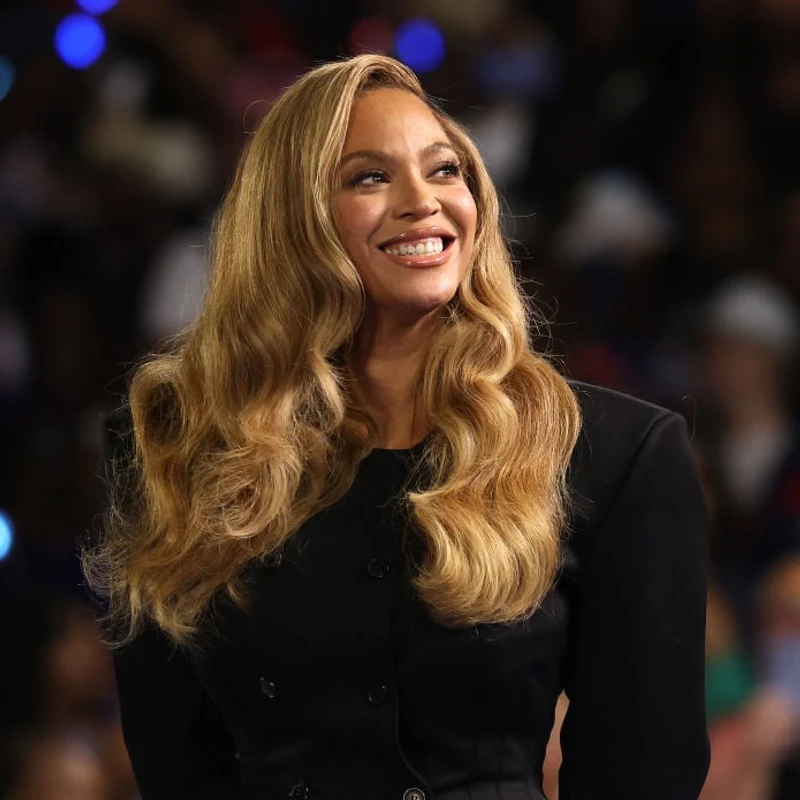
Who knew that Beyoncé’s latest musical masterpiece, ‘Cowboy Carter,’ could be a textbook for future policymakers? Well, at Harvard Kennedy School, it is! Professor Ayushi Roy is using the Grammy-winning album to explore a critical question: why do government programs, even those with the best intentions, often fall short in actually helping the people they’re meant to serve?
From Album Themes to Policy Gaps
Roy’s course, aptly titled “American Requiem: Beyoncé, Benefits and the Gap Between Promise and Delivery,” dives deep into how programs like Medicaid and SNAP can fail their intended recipients. The inspiration struck Roy after seeing Beyoncé perform live and recognizing the album’s powerful commentary on the erasure of African American people, not just from country music, but from the broader societal narrative and political landscape.
This unique approach challenges the traditional, data-heavy methods often used in public policy education. Roy argues that while economics and statistics are important, they often miss the nuanced, individual experiences that truly highlight where policies break down during implementation.
Real-World Application and Practitioner Insights
The course isn’t just theoretical. Students are tasked with exploring the social safety net’s weak points and have even heard directly from practitioners, like a former California health and human services secretary. They’ve worked on simulations, like one that walks users through the complex challenges families face when trying to reunite with children removed from their care.
Roy, who has over a decade of government experience, believes that the real challenge isn’t just developing new technology, but preparing practitioners to navigate the complex realities of implementation and political feasibility. It’s about understanding the human element that data alone can’t always capture.
Bridging the Gap Between Data and Lived Experience
By using ‘Cowboy Carter’ as a lens, Roy is encouraging students to look beyond aggregated data and connect with the distinct, often overlooked, experiences of the American public. This method aims to foster a deeper understanding of policy impact, moving beyond ‘standard policy’ to create truly ‘good policy’ that addresses real needs.
What do you think about using music and art to teach public policy? Share your thoughts in the comments below!
Leave a Reply