Tag: Lifestyle

  • Kenny Lattimore & Judge Faith Jenkins Welcome Baby Boy

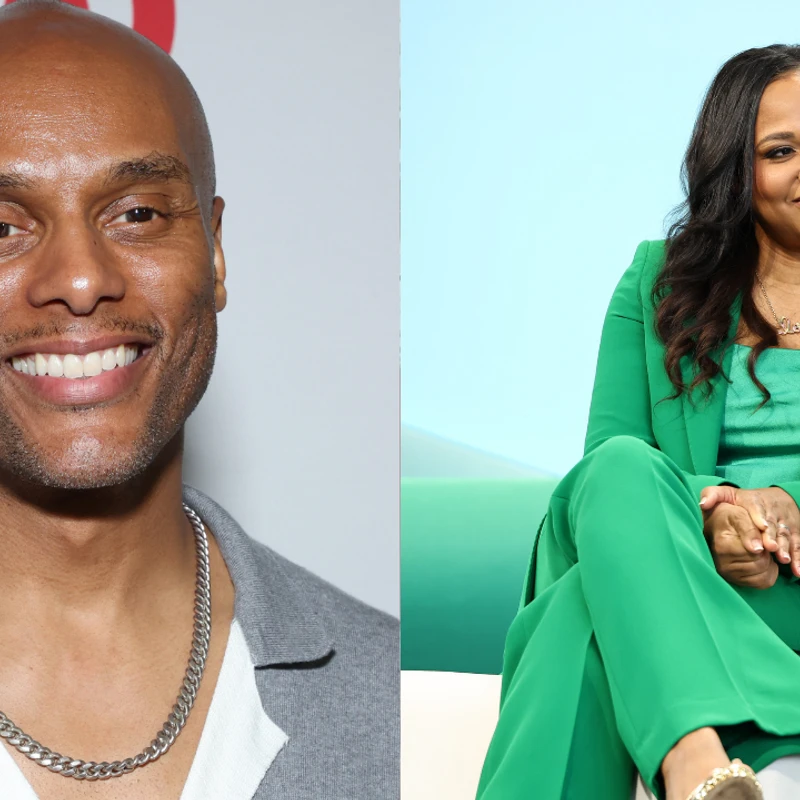
    Huge congratulations are in order for R&B crooner Kenny Lattimore and his wife, Judge Faith Jenkins! The happy couple welcomed their second child, a baby boy named Roman Robert Lattimore, over the Memorial Day Weekend. It sounds like the newest addition is already stealing hearts!

    A Joyful Arrival

    The couple shared the wonderful news via a joint Instagram post, featuring adorable snapshots of Roman’s tiny hand and the proud parents gazing at their newborn. They described their son as “so calm, relaxed, and already has all of us wrapped around his little finger.” Both mom and baby are reportedly doing well, which is always the best news!

    This is the second child for Kenny and Faith, who tied the knot in March 2020. Their daughter, Skylar, is reportedly already enamored with her new baby brother, adding another layer of sweetness to this growing family.

    A Quieter Pregnancy Journey

    Fans might recall that the couple announced Jenkins’ pregnancy on Mother’s Day, sharing that they planned to keep this pregnancy a bit more low-key than their first. Judge Faith Jenkins shared on Instagram that while she doesn’t have many favorite parts of pregnancy outside of the end result, she cherishes Kenny singing to their unborn child.

    She explained, “We’ve quietly cherished this season together, and one of my favorite parts of pregnancy… has always been Kenny singing to the baby.” This intimate approach allowed them to savor these special moments together before welcoming Roman.

    Musical Inspiration for Baby Roman

    The arrival of baby Roman has inspired Kenny Lattimore in more ways than one. He’s been promoting his brand new single, “Over The Rainbow,” and a new children’s album titled “Lullabies For You.” This album is a beautiful reinterpretation of his 1996 hit, “For You.”

    Judge Jenkins revealed that these soothing musical moments with their children were the direct inspiration for the album. “These soothing moments became so special to me that I asked him to create a children’s album inspired by them — filled with music, love, and affirmations from all of us,” she shared, noting that their daughter Skylar even contributed some Spanish phrases.

    Family Details

    • Roman Robert Lattimore is the second child for Kenny Lattimore and Judge Faith Jenkins.
    • He is the third child overall for Kenny Lattimore, who has a 23-year-old son, Kenny Lattimore Jr., with ex-wife Chanté Moore.
    • The couple married in March 2020.

    It’s wonderful to see the Lattimore-Jenkins family growing and thriving. Wishing them all the best as they settle in with their new bundle of joy!

    What do you think of Kenny Lattimore’s new children’s album inspired by his family? Share your thoughts in the comments below!


  • Naomi Osaka Celebrates Black Tennis Players, Defends Community

    Tennis champion Naomi Osaka is making a powerful statement, not just on the court but off it too. Ahead of the French Open, she co-hosted a special dinner celebrating Black tennis players, and she’s standing firm in her decision, emphasizing the importance of community and shared experience in a sport that can often feel isolating.

    A ‘Black Party’ for Fellowship

    Osaka, alongside fellow American player Taylor Townsend, hosted the “Black Party (Roland Garros ‘RG’ Edition)” at SoHo House Paris. The event brought together Black professional tennis players like Coco Gauff, Gaël Monfils, Asia Muhammad, and Chris Eubanks for an evening of connection and celebration.

    Osaka shared moments from the night on Instagram, including a clip of Issa Rae’s famous quote, “I’m rooting for everybody Black.” She explained her motivation, sharing, “Growing up, there weren’t a lot of tennis players I could look up to that looked like me.” She highlighted the unique camaraderie among Black athletes in predominantly white spaces, describing it as a feeling of peace and shared understanding.

    Addressing the Controversy

    The event, intended to foster community, sparked debate online. Some questioned the intentionality of inviting colleagues based on race, while others defended the need for such spaces. Osaka addressed the criticism directly, explaining that her intention was never exclusion but celebration.

    She pointed out that gatherings exclusively for white individuals are common and rarely questioned. “I don’t know how else to tell you this, I literally seen them all the time and never had an issue with it at all,” she stated. Osaka questioned why gatherings of people of color seem to unsettle some, especially in a climate where DEI initiatives are under attack.

    A Stand for Identity and Progress

    Osaka shared a deeply personal reflection, recalling her father’s experiences with discrimination in tennis. “There are multiple things I will apologize for in my life but celebrating being black and appreciating who we are will never be something I would consider saying sorry for,” she declared. She clarified that the event was not about exclusion but about acknowledging progress and celebrating identity.

    The dinner served as a powerful reminder of the importance of creating intentional spaces for connection, especially for those who have historically been underrepresented. It highlighted the unique bonds and shared experiences that athletes of color navigate within elite sports.

    What are your thoughts on Naomi Osaka’s ‘Black Party’ and her defense of community spaces? Share your perspective in the comments below!

  • Patrick Ta & Painted by Esther Drama

    Blush has been a beauty staple for ages, but a recent online debate has turned rosy cheeks into a powerful statement about how the beauty industry treats Black women. The controversy surrounding makeup artist Patrick Ta’s latest product release and its similarities to the signature style of makeup artist Ngozi Esther Edeme, famously known as Painted by Esther, has struck a chord with many, particularly Black women.

    A Signature Style Under Scrutiny

    Painted by Esther has built a strong reputation for her bold, rosy cheek and under-eye looks that flatter a wide range of complexions. Her influence is evident in the surge of vibrant blush trends seen across social media, red carpets, and fashion shows, especially among Black women. The issue arose when Patrick Ta launched new blush products, and social media users quickly noticed the striking resemblance between his technique and Esther’s established style.

    The frustration isn’t about the color of the blush itself, but rather the perception that a brand, led by a Vietnamese American artist, may have capitalized on a technique popularized by a Black woman without giving proper credit. This pattern—where Black women are often the muses but rarely the acknowledged sources of inspiration—is a persistent issue in the beauty world.

    A Pattern of Uncredited Influence

    This isn’t the first time Patrick Ta’s brand has faced criticism related to Black creatives. In 2024, content creator Avonna Sunshine went viral for calling out the brand for allegedly not paying her for a campaign. She questioned how Black creators who heavily support the brand would feel knowing this. Jools Lebron also claimed she wasn’t paid for a campaign with Ta around the same time.

    In response to the current blush controversy, Ta posted a TikTok acknowledging Esther’s talent and influence, stating, “She popularized this look through her work and through Olandria. I also have been doing this blush look since 2021. Not the same as Esther but my own version.” However, this came after Esther herself addressed the situation hesitantly in a TikTok video.

    The Weight of Being a Black Woman in the Industry

    Esther expressed her exhaustion with constantly being spoken for and the fear of being labeled an “angry Black woman” when advocating for herself. She clarified that she never claimed to have started the trend, emphasizing her respect for artists like Kevyn Aucoin and Danessa Myricks. “I am 29 years old. That would be ludicrous to claim ownership of anything. But what you will not belittle is my influence,” she stated powerfully.

    Esther also recounted a peculiar experience with a member of Ta’s team who requested to record her makeup session, which felt “conniving.” She highlighted the difficulty of being a Black woman in the industry, where one often has to “fight twice as hard to get just half of what you deserve.” The core request from Esther, and Black women in the industry at large, is simple: respect and acknowledgment of their influence.

    This situation underscores a broader issue of cultural appropriation and lack of credit within the beauty world. While social media facilitates conversation, the question remains whether these public debates are ultimately helpful or harmful, especially when they center on a Black woman’s experience. Ultimately, acknowledging Painted by Esther’s undeniable influence is a crucial step towards greater equity in the industry.

    What are your thoughts on the Patrick Ta and Painted by Esther situation? How can the beauty industry better credit Black creatives? Share your views in the comments!

  • LL Cool J & Ben Crump Tackle Wealth Gap

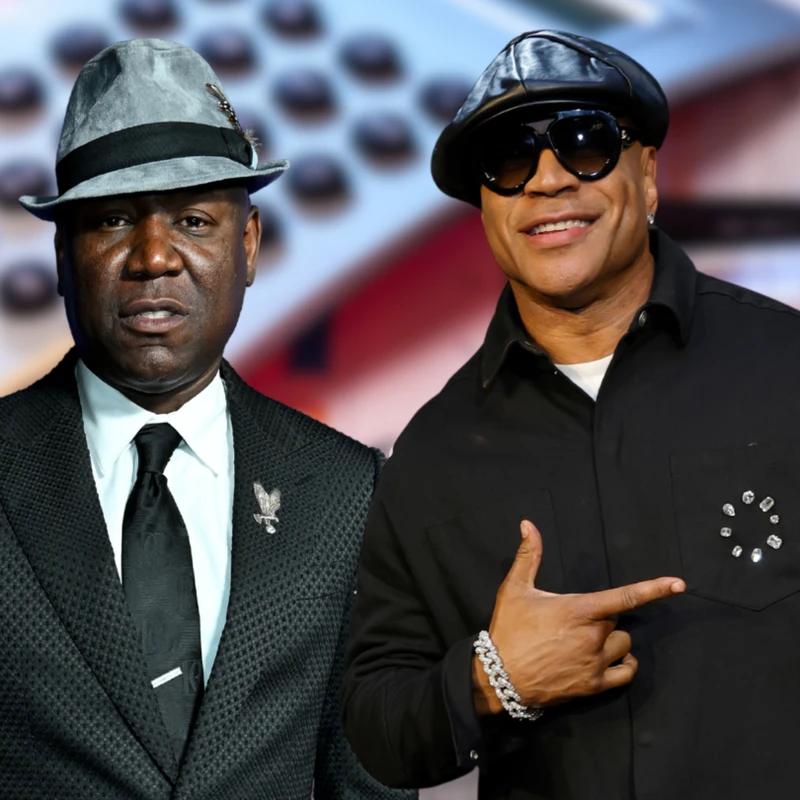
    Two influential figures, one a titan of hip-hop and the other a champion of civil rights, are now uniting to tackle a critical issue: the wealth gap. Rap legend LL Cool J and renowned civil rights attorney Ben Crump have partnered to launch DreamFi, a fintech platform designed to provide essential financial tools to unbanked and underbanked Americans. Their core message? You don’t need to be rich to start building wealth.

    Bridging the Financial Divide

    DreamFi aims to empower everyday individuals, not just the elite. “It is not for the elites, it’s not for those who have all the money in the world. It is for that everyday person with $10, $20, $30, $40, all of that matters,” LL Cool J told TheGrio. This initiative directly addresses the persistent wealth gap that disproportionately affects communities of color, where limited access to traditional banking services leaves millions struggling.

    According to recent FDIC data, millions of U.S. households remain unbanked or underbanked. For many in communities of color, this means relying on check-cashing services that charge exorbitant fees, sometimes up to 25% of their hard-earned money. Crump highlighted this reality, stating, “In most communities of color, we have the unbanked and the underbanked members of our community that are still out there in those check-cashing lines… because they don’t have bank accounts.”

    Lessons from Family and Personal Experience

    Both LL Cool J and Ben Crump draw inspiration from their family histories. LL Cool J recalls his grandfather, a hardworking man who pursued an engineering degree while juggling multiple jobs and fixing his own car. “I learned that dreams don’t have deadlines,” LL shared, reflecting on how his grandparents’ wisdom shaped his mindset. He imagines how different life might have been if they had access to modern financial services.

    Crump echoed these sentiments, thinking about what his mother could have achieved with financial literacy. “God blessed me to be very successful… and what we have to do now is make room for other people at the table,” he stated. LL Cool J also admitted to making financial mistakes early in his career, buying lavish items instead of investing, which makes his partnership with DreamFi feel particularly natural and important.

    DreamFi: Tools for Financial Freedom

    DreamFi aims to bridge the educational gap, as studies show many Americans rarely learn basic financial concepts like budgeting in school. The platform offers a user-friendly app providing a debit card with direct deposit, credit monitoring, life insurance, affordable phone plans, roadside assistance, and crucial financial literacy tools. “You can have your money hit at 12 midnight, where you’re not having to wait in the check-cashing line,” Crump explained.

    LL Cool J uses a swimming analogy to describe the progression DreamFi offers: “First, learn how to swim. One day, you may have the boat… Learn how to swim, then move to the life jacket, then move to the surfboard… there’s a progression that can take place here so that you can get your life together.”

    A New Frontier in the Civil Rights Movement

    For Ben Crump, DreamFi is more than a business; it’s an extension of the civil rights fight. He views economic access to capital and financial freedom as fundamental civil rights. “When you have financial freedom, it helps make all the other freedoms that much more obtainable,” he asserted. In a political climate where legislative solutions seem distant, Crump believes self-sustainability is key.

    Both Crump and LL Cool J measure success not by revenue, but by the tangible impact on people’s lives—affording funerals, securing reliable transportation, and giving children a head start. LL emphasizes the importance of mindset over material wealth: “passing on a mentality” and “passing on financial literacy” to create generational wealth. “Dreams don’t have deadlines. Each one teach one,” LL concluded, embodying the spirit of community empowerment that DreamFi represents.

    What are your thoughts on DreamFi’s mission? How can financial literacy be better promoted in underserved communities? Share your insights in the comments below!

  • Actively Black: Building a Movement, Not Just a Brand

    Imagine launching a brand that becomes a cultural phenomenon, resonating so deeply that the fashion itself almost takes a backseat to the message. That’s the reality for Lanny Smith, founder of Actively Black. The athleisure brand has experienced explosive growth, not just as a clothing line, but as a powerful statement of Black culture and ownership.

    More Than Just Clothes: A Cultural Movement

    Smith recalls the unforgettable moment at New York Fashion Week when icons like Ruby Bridges, the daughters of Martin Luther King Jr. and Malcolm X, and civil rights photographer Cecil Williams walked the runway. The emotional impact of seeing these figures, representing pivotal moments in Black history, far outweighed any discussion of the clothes themselves. “To me, it’s like we accomplished what we set out to accomplish because people had an emotional reaction to the show that had nothing to do with the clothes,” Smith shared.

    This powerful display underscored Smith’s vision: to create a brand that not only represents Black culture but actively fosters Black ownership and reinvests in the community. Having played in the NBA and seen how many brands profited from Black talent and consumers, Smith felt compelled to build something of his own. “Why not build our own? Why not build something that is Black-owned that uplifts and reinvests back into the Black community?” he asked.

    Authenticity in a Performative World

    Launched in 2020 amidst a national reckoning on racial justice, Actively Black emerged as an authentic voice when many other brands’ expressions of support felt performative. Smith observed companies making statements and pledges, but he felt the urgency and the underlying issues were being ignored by those who hadn’t experienced them firsthand for decades.

    “The mentality of ‘we can keep asking them to do the right thing, or we can just build our own thing’ — and then we don’t have to ask ourselves to do what’s right because that’s what this brand is built on, to reinvest and uplift the Black community,” Smith explained. He saw a void for something “truly about us,” beyond just marketing strategies.

    From Athletic Wear to Cultural Archives

    Actively Black has evolved beyond just athletic wear, embracing its role as a cultural and archival brand. Collaborations honoring Black icons like Muhammad Ali and figures from the Civil Rights Movement, alongside collections tied to Black history, demonstrate a commitment to storytelling. Smith intentionally seeks out living legends, like John Carlos, to support them financially through product revenue, ensuring their legacies are honored and sustained.

    The brand’s responsiveness to current cultural moments, from “Love Black Women” collections to “Tenderism” grill aprons, stems from Smith’s deep connection to the culture. “Part of it is that we are the culture,” he stated. “I think there are a lot of brands that try to capitalize off the culture, but they don’t ever have the culture in decision-making positions…” Actively Black’s lean structure allows it to react in real-time, expressing what the community is already feeling and discussing.

    Staying ‘Actively Black’ in Challenging Times

    In a time of political and social frustration, Smith believes staying “actively Black” is about embracing love for one’s culture and recognizing the strength in collective action. While the name initially faced pushback from some within the Black community, the current climate—marked by challenges to voting rights and Black history education—has only galvanized support. “Now that that line has been drawn, and now that it’s so obvious, where you gotta pick a side, I’m actually seeing it galvanize people around actively black more,” Smith observed.

    He sees this generation’s fight as a continuation of historical struggles, emphasizing resilience and the inherent greatness within the Black community. “Our story as a people does not begin with slavery. It doesn’t begin with oppression. We come from greatness,” he asserted.

    I believe that we have to be active in our own liberation. Everything that we have to do on the social justice front, for equality, for all the things our people have been fighting for, that’s not passive. That’s something we have to actively be fighting for every day. — Lanny Smith

    Looking ahead, Actively Black plans to expand globally, with aspirations for a presence in Africa and a vision to become a major international brand. Having outfitted Team Nigeria for the Paris Olympics, Smith is driven by the desire to prove that a Black-owned company can achieve global success and serve as a beacon of inspiration. “I want to prove to ourselves that we can do it,” he said. “Our culture creates so much relevancy and profit for so many of these multibillion-dollar brands, and everybody asks why we don’t have something of our own like that.”

    What does being “actively Black” mean to you? How has Actively Black impacted your perspective on Black ownership and culture? Share your thoughts in the comments below!
  • Ona Judge Mural Honors Escape from Washington

    On the 230th anniversary of her daring escape, the story of Ona Judge Staines is being brought back into the spotlight. Judge, who was enslaved by President George Washington and his wife Martha, risked everything to flee the presidential household in 1796. Her act of defiance is now being permanently honored with a new mural, serving as a powerful reminder of her quest for freedom.

    A Visible and Undeniable Quest for Freedom

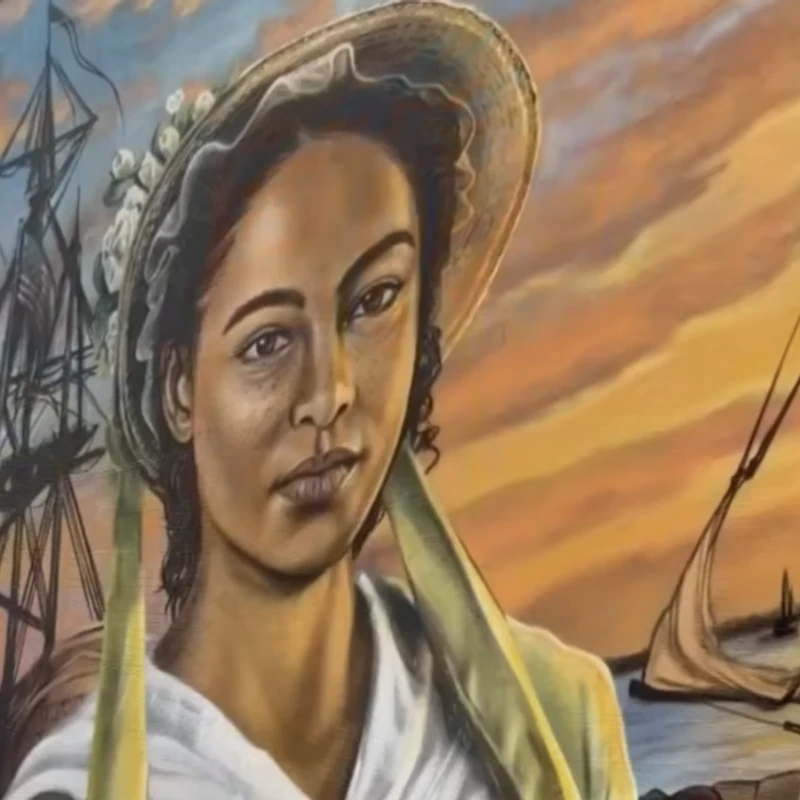
    The Black Heritage Trail of New Hampshire recently unveiled a mural depicting Ona Judge Staines, created by artist Manuel Ramirez. The artwork portrays her as a multiracial Black woman, a lighter-skinned figure with freckles, dressed in a green dress and white apron, standing at the port. This visual representation challenges the sanitized versions of history often presented, especially at a time when discussions about slavery and systemic oppression are being actively challenged in federal institutions.

    The unveiling comes amid efforts by the Trump administration to remove exhibits related to slavery and race from federal sites. Judge’s story, and the broader narrative of enslaved individuals who built America, is being actively preserved and amplified by organizations like the Black Heritage Trail, pushing back against historical erasure.

    Defying Power for Freedom

    Born around 1773, Ona Judge grew up at Mount Vernon before becoming Martha Washington’s personal attendant. Despite occupying a relatively privileged position within the household by the standards of the time, she escaped at just 22 years old while the Washingtons resided in Philadelphia. Historians recount that George Washington was incensed by her escape and made persistent efforts to have her returned, but Judge steadfastly refused.

    She eventually settled in Portsmouth, New Hampshire, married a free Black sailor named John Staines, and raised a family. Before her death in 1848, she recounted her escape to abolitionist newspapers, famously stating, “No, I am free, and have, I trust been made a child of God by the means,” when asked if she regretted leaving the Washingtons.

    No, I am free, and have, I trust been made a child of God by the means. — Ona Judge Staines

    Challenging Narratives, Restoring Truth

    Ona Judge Staines’ life directly challenges the carefully curated narratives often associated with figures like George Washington. Her story underscores the contradictions at the heart of the nation’s founding and the reality of slavery. The recent efforts to immortalize her, including “Ona Judge Day” declared in Philadelphia and the restored panels at the President’s House historic site, are part of a larger movement to ensure that the full, complex truth of American history is told. As one volunteer stated, “You can’t love America without knowing the good, the bad, and the ugly.”

    How do you think America can better remember and teach its complex history? Share your thoughts in the comments below!
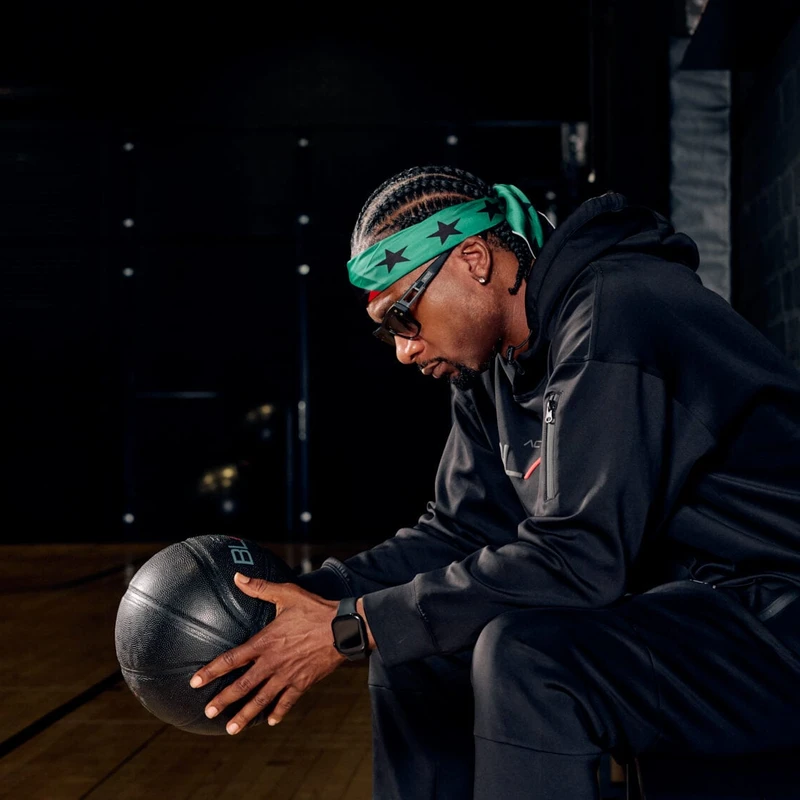
  • Morgan State Nurses Ace NCLEX Amid Shortage

    In a time when the healthcare industry is facing a significant nursing shortage and debates around diversity initiatives are heating up, Morgan State University’s nursing program is celebrating a monumental achievement: a perfect 100% pass rate on the NCLEX-RN licensure examination for its 2025 Bachelor of Science in Nursing graduates. This isn’t just a win for the university; it’s a beacon of Black excellence when the country needs skilled and culturally competent Black nurses more than ever.

    Exceeding Expectations

    The Maryland Board of Nursing’s 2026 fiscal report confirmed that every single Morgan State graduate who took the NCLEX-RN exam this academic year passed on their first attempt. This outstanding result significantly surpasses the state and national average pass rates, which hover around 87% and 86%, respectively. It’s a testament to the hard work and dedication of both the students and the faculty.

    Dr. Maija Anderson, DNP, chair of the Department of Nursing at Morgan, emphasized the significance of this success. “This moment represents both validation and responsibility,” she stated. “Our faculty and students have worked with focus and purpose to reach this level of performance, but we view it as a foundation—not a finish line.”

    Addressing the Critical Nursing Shortage

    This success comes at a crucial time. Projections indicate an 8% decrease in registered nurses by 2026, potentially creating a gap of over 263,000 RNs nationwide. Factors like burnout, an aging workforce, and increased stress are contributing to shortages across the country. The American Association of Colleges of Nursing highlights these challenges, underscoring the urgent need for well-trained nursing professionals.

    The Importance of Diversity in Healthcare

    Beyond the numbers, the need for diversity within the healthcare field is paramount. As communities become more aware of how racial biases can affect medical care, patients are actively seeking providers who understand their cultural backgrounds. Platforms like “Find A Black Doctor” have emerged to help patients mitigate the risk of discrimination.

    Dr. Anderson highlighted Morgan State’s commitment to this: “Our graduates leave Morgan not only with the academic and clinical preparation required for practice, but with a clear understanding of the communities they will serve—bringing cultural awareness and patient-centered perspective to care that reflects the realities of diverse populations.”

    A Counterpoint to Opposition

    While the push for representation faces opposition, with groups like Do No Harm challenging platforms promoting racial concordance, Morgan State’s perfect NCLEX pass rate stands as a powerful counter-argument. This achievement demonstrates that high standards and diversity can, and do, go hand-in-hand.

    Morgan State isn’t just meeting standards; it’s exceeding them. By producing highly skilled, culturally competent Black nurses, the university is making a tangible difference for patients who may have historically faced disparities in care. In a world grappling with both a nursing shortage and persistent racial inequities in healthcare, these graduates are entering the profession exactly when they are needed most.

    What are your thoughts on the importance of diversity in healthcare and Morgan State’s achievement? Share your perspective in the comments below!

  • Black and Missing Foundation Fights Media Bias

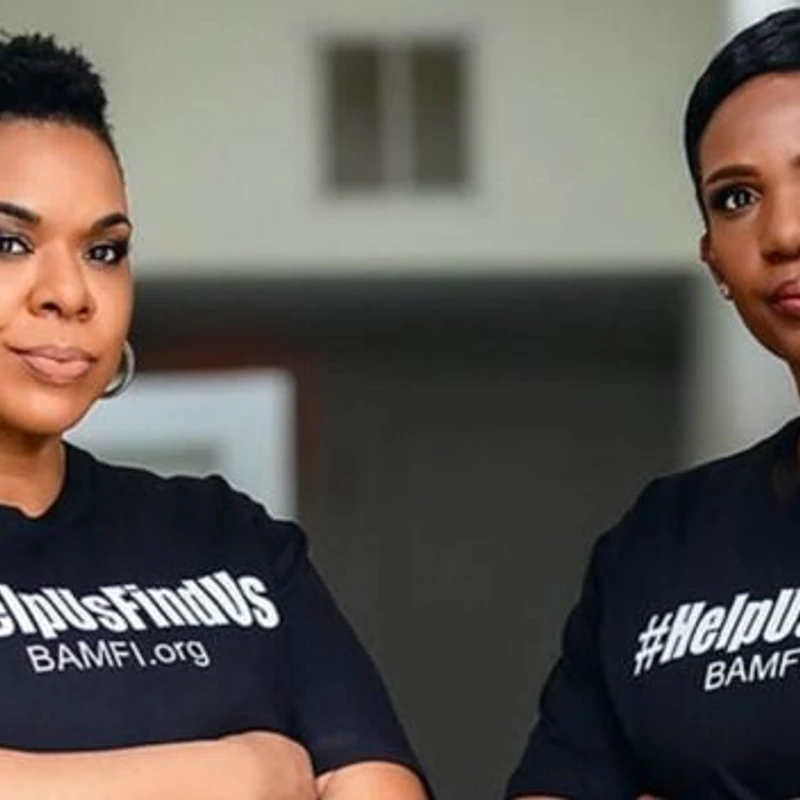
    When a Black person goes missing in the United States, the odds are stacked against them from the start. It’s not just about the chances of being found, but also about whether their story will ever reach the public eye. This stark reality is what drove Natalie Wilson and her sister-in-law, Derrica Wilson, to establish the Black and Missing Foundation (BAMF) in 2008.

    Challenging ‘Missing White Woman Syndrome’

    Natalie Wilson recounted a heartbreaking example: Tamika Houston, a missing Black woman whose case received virtually no media attention, while the disappearance of Natalee Holloway, a white teenager, dominated headlines a year later. Despite Tamika’s aunt reaching out to the same media outlets, she was met with silence. This disparity highlights the phenomenon journalist Gwen Ifill termed ‘missing white woman syndrome’ – the disproportionate media coverage afforded to missing white women compared to missing Black people and other demographics.

    The Wilsons discovered this pattern was far from isolated. People of color constitute 40% of reported missing persons in the U.S., a figure that has increased since BAMF’s founding. The founders, combining Natalie’s media relations expertise with Derrica’s law enforcement background, aim to bridge the gap where media coverage and investigative resources often fall short for these communities.

    Shifting the Narrative and Applying Pressure

    For years, missing Black men were often stereotyped as criminals, and missing Black girls were dismissed as runaways or promiscuous. BAMF is dedicated to changing this narrative, emphasizing that these individuals are sons, daughters, mothers, fathers, and neighbors who are disappearing at an alarming rate. Families often turn to BAMF as a last resort when law enforcement and media outlets fail to provide adequate support.

    Derrica explained how BAMF’s involvement helps motivate law enforcement. “When these families are coming to us and then we’re following up with law enforcement, it actually helps get some fire under them because they know that someone else is looking,” she said. By bringing visibility to cases through media outreach and social media campaigns – their platform is often called the ‘digital milk carton’ – BAMF applies pressure for more resources to be dedicated.

    Building Partnerships and Expanding Reach

    Over nearly 18 years, BAMF has built crucial partnerships with organizations like NBC’s “Dateline,” the National Association of Black Journalists, and various newsrooms. They’ve also influenced best-practice guides for media and law enforcement, addressing the lack of a consistent national approach to missing persons cases. Natalie noted, “We can pick up the phone and call or send a message saying, ‘Hey, I need coverage,’ and they’re there.”

    The foundation’s impact extends into popular culture, with Natalie’s work inspiring NBC’s series “Found” and the HBO docuseries “Black and Missing.” Derrica co-founded BAMFI Enterprises, a production company focused on content about missing persons of color. These projects help increase awareness, leading to more calls for assistance and allowing more people to see themselves reflected in the issue.

    Community Engagement and the Ultimate Goal

    BAMF’s annual “Hope Without Boundaries 5K Run/Walk” is a significant event that brings together community members, advocates, and families to raise awareness and funds. Derrica described the day as “a day of hope,” celebrating families who have found answers or reunification through the foundation’s efforts.

    The organization is expanding its reach with street teams in high-need cities like Chicago, Atlanta, Detroit, and Baltimore. These teams will focus on community education and rapid response. However, the Wilsons’ ultimate goal is for the Black and Missing Foundation to become obsolete. “The ultimate goal down the road is for the Black and Missing Foundation to die a natural death. And that will happen when all cases, regardless of race, gender, and zip code, are treated the same manner by law enforcement and the media,” Derrica stated.

    How can we better support missing persons of color in our communities? Share your thoughts and ideas in the comments below, and remember to share missing person flyers when you see them!

  • New Loan Rules May Block Black Women from Healthcare

    A seemingly quiet change in federal policy, set to take effect on July 1, 2026, could have a profound and detrimental impact on Black women pursuing careers in healthcare and helping professions. The Department of Education has finalized a narrow definition of “professional degree” for federal student loan purposes, significantly altering borrowing limits for graduate students.

    Restricted Loan Access for Key Professions

    This new definition dictates how much federal funding graduate students can access. Fields previously eligible for higher loan limits (up to $50,000 annually and $200,000 total) are now restricted. The finalized list of “professional degrees” includes pharmacy, dentistry, veterinary medicine, law, medicine, and others – but notably excludes nursing, social work, physician assistants, physical therapy, and public health.

    For students in these excluded fields, the annual loan cap drops to $20,500 with a total limit of $100,000. Compounding the issue, the Graduate PLUS loan, which previously helped students cover the full cost of attendance, has been eliminated. This effectively means students in these crucial professions will face significantly lower borrowing caps and fewer options to finance their education.

    Disproportionate Impact on Black Women

    The implications for Black women are particularly concerning. Nursing is approximately 90% female, and social work is about 84% female. Black women are overrepresented in these fields, partly due to historical access when other professions were less inclusive, and because these careers have offered pathways to middle-class stability for working-class Black women.

    The Department of Education’s classification creates a stark divide: fields historically more accessible to Black women are now on the lower loan limit side, while those historically less accessible remain on the higher limit side. This policy, whether intentional or not, raises the cost of entry for professions where Black women are already dominant.

    Consequences for Healthcare and Communities

    The impact extends beyond individual students. Black patients often experience better health outcomes when treated by Black providers. Given the documented disparities in maternal mortality, pain management, and chronic disease care for Black women, a reduction in Black healthcare professionals could worsen these outcomes. Social work, a field crucial for mental health services in underserved communities, is also heavily impacted, potentially limiting access to culturally competent care for Black individuals.

    The Department of Education maintains this is a loan policy classification, not a value judgment on the professions. However, critics argue that the financial distinction itself is a value judgment. Fields like theology and chiropractic are included on the “professional” list, while nursing, which increasingly requires doctoral-level credentials for advanced practice, is excluded, leading to questions about the rule’s internal logic.

    Legal Challenges and What Students Can Do

    Twenty-five states and the District of Columbia have filed a lawsuit challenging the rule, arguing the Department of Education exceeded its authority and that the policy will exacerbate healthcare workforce shortages. As the lawsuit proceeds, students planning to start graduate programs in Fall 2026 or later are advised to consult their financial aid offices immediately to understand how the new caps and loan eliminations will affect them.

    While private loans, scholarships, and employer assistance are alternatives, they may not fully replace the federal loan access that has been curtailed. Advocates are urging Congress to revise the definitions through legislation, emphasizing the need to support the next generation of Black women entering these vital professions.

    What are your thoughts on these new federal loan rules and their potential impact? How can we ensure equitable access to healthcare careers for all? Share your perspectives in the comments below!

  • America’s Surveillance State: We Built It!

    Remember when ‘Big Brother is watching’ was just a chilling phrase from a novel? Well, fast forward to 2026, and that dystopian vision is our reality. The difference? We’re not just being watched; we’ve actively invited the watchers in, paid for their tools, and carried them around in our pockets. Our devices, once symbols of freedom and connection, have become sophisticated data-gathering machines, and the government is now buying that data to track us.

    Your Phone: The Ultimate Tracking Device

    Let’s start with the device you’re probably holding right now. Your smartphone, a thousand-dollar investment, is a powerhouse of surveillance. With GPS, microphones, and cameras constantly active, it knows when you’re walking, driving, or sleeping. Every app, from your weather forecast to that free game your kid downloaded, is likely selling your location, contacts, habits, and even your health data to data brokers.

    These brokers then aggregate this massive trove of personal information and sell it to the highest bidders: advertisers, insurance companies, hedge funds, and, increasingly, federal law enforcement agencies. This bypasses traditional legal protections like the Fourth Amendment, allowing agencies to obtain data they’d normally need a warrant for, without judicial oversight.

    Our Homes: The New Surveillance Network

    It’s not just our phones. Look at your front door. Millions of Ring cameras, owned by Amazon, are essentially distributed surveillance networks. Police departments and federal agencies have tapped into this system, accessing customer footage without permission under the guise of ’emergency exceptions.’ While some partnerships have been walked back due to public outcry, the underlying infrastructure for widespread surveillance remains.

    Think about it: license plate readers on every corner, facial recognition cameras in stores, smart TVs listening in, smartwatches recording your vitals, and even Bluetooth signals pinging devices nearby. There’s virtually no ‘offline’ anymore; it’s all data generation, and someone is buying it.

    Targeting Immigrants and Critics

    The Department of Homeland Security has been building an unprecedented surveillance apparatus, particularly targeting immigrants and those who criticize the agency. Tools like facial recognition, automatic license plate readers, and cell-site simulators are being used for mass deportations, often without warrants. Tragically, this has led to fatal encounters, like the shooting of two citizens during an ICE surge in Minneapolis.

    Worse still, DHS has reportedly issued subpoenas to tech companies to identify online users critical of ICE. These aren’t criminals; they are citizens exercising their free speech. The system is designed to make warrants optional because the data pipeline is already built, largely by us.

    A History of Surveillance on Black America

    For Black Americans, this isn’t new. We’ve historically been the testing ground for surveillance technologies, from COINTELPRO targeting civil rights leaders to the disproportionate use of stop-and-frisk and biased facial recognition leading to wrongful arrests. Predictive policing software has historically funneled more police into Black neighborhoods, creating a feedback loop of arrests.

    The tools now being used on immigrants and critics were tested on Black communities first. The surveillance state didn’t just appear; it evolved, gaining new targets and a louder public profile. The real difference today is the speed and scale, amplified by AI that can process data in real-time.

    What Can We Do?

    While legislative efforts to close these loopholes are underway, they face significant opposition. So, what can you do as an individual? Lock down your phone settings: turn off location services for non-essential apps, disable ad tracking, use a password manager, and opt for end-to-end encrypted messaging like Signal. Consider using a VPN and privacy-focused browsers.

    But individual actions, while important for personal privacy hygiene, aren’t enough to dismantle a $1.4 billion government data-buying program. The fix is structural, legal, and constitutional. It requires holding companies accountable for the data infrastructure they build and ensuring the government follows the rules it was always supposed to. It’s a collective, political, and loud effort.

    Big Brother has always been watching, but now we’ve handed him the keys. What steps are you taking to protect your privacy? Share your thoughts and strategies in the comments!