Tag: Lifestyle

  • Katt Williams’ Unbelievable Life Story Stuns Michelle Obama

    Get ready for a deep dive into the life of Katt Williams! Known for his sharp wit and often controversial takes, Williams recently appeared on Michelle Obama and Craig Robinson’s “IMO Podcast,” and the conversation was anything but ordinary. Instead of his usual comedic chaos, Williams offered an introspective and incredibly open look at the twists and turns that shaped him into the legend he is today.

    A Life of Unbelievable Pivots

    Over nearly two hours, Williams shared stories of survival, parenthood, loss, and the improbable journey that led him to comedy stardom. What made the interview particularly captivating was Obama’s genuine reactions, often expressing astonishment at his tales. She even called him a “layered little dude” as he recounted experiences like living on the streets at 14, sneaking into clubs, and even working as a pimp.

    Williams, born Micah, grew up in a strict Jehovah’s Witness household in Ohio. Denied basic childhood activities like watching TV or hanging out with friends, he found solace and perspective in reading. “I was reading so many books of so many people in so many different circumstances, and it always works out,” he shared. “It always gets better. Life is always worth the next adventure.”

    From Runaway Teen to Hollywood Icon

    One of the most striking revelations was Williams’ experience running away from home at just 13 years old with his Rottweiler. He saved up $1,200 from chores and ended up in Miami, Florida. While he labels it a “terrible decision,” he credits this pivotal moment with teaching him the importance of making choices and ultimately protecting him from Hollywood’s temptations of drugs and excessive partying.

    His life continued to take unexpected turns, including his time in Miami, his stint as a pimp, a two-year stay in Haiti, and eventually adopting 10 children. Through it all, Williams learned invaluable lessons about resilience and navigating life’s complexities.

    The Prince Encounter That Changed Everything

    Beyond books and life experiences, a profound conversation with music icon Prince at just 12 years old significantly altered Williams’ belief system. Meeting Prince through a relative of the singer, Williams was struck by the star’s confidence, success, and clear purpose, despite being shorter than him. “He gave me the confidence… because up until that point in my life, I thought that there were some things I was gonna need to do in order to be good enough, like get taller,” Williams explained.

    So Prince helped me see immediately I didn’t have to get taller. He had just signed his music deal. He had just produced his album by himself. He played twenty-six instruments on it. He did all of the jobs. Yeah. And it had worked. So I knew that I didn’t have to make any changes. I just had to be in the right position and be right myself when it transpires. — Katt Williams

    This encounter with Prince’s brilliance instilled in Williams the belief that he didn’t need to change himself to achieve greatness; he just needed to be ready when opportunities arose. This perspective has clearly guided his remarkable career.

    What part of Katt Williams’ life story resonated most with you? Share your thoughts in the comments below!
  • Odell Beckham Jr. Defends $100M Contract Comments

    It seems like no matter what you say these days, someone’s going to twist it! Odell Beckham Jr. is the latest high-profile earner to face public scrutiny after explaining the complex financial realities behind massive contracts. His recent comments on ‘The Pivot’ podcast, where he detailed why living off a $100 million, five-year deal isn’t as simple as it sounds, have sparked quite a debate.

    The Math Behind the Millions

    Beckham took to X (formerly Twitter) to express his frustration, writing, “Boy u can’t say nothin in this world nowadays… People love to take Shxt completely outta context to rationalize a statement in their own head that makes sense to them… what a world.” His remarks, originally made in an October episode, resurfaced after former NFL player Shannon Sharpe criticized them on his ‘Nightcap’ podcast.

    Sharpe argued, “OBJ, I’m going to be honest with you, bro, if you get $60 million dollars and that can’t last you a lifetime, you’ve got a problem.” He questioned the necessity of multiple houses and cars, and large financial gifts to family members.

    Breaking Down the Expenses

    During his appearance on ‘The Pivot,’ Beckham explained that a $100 million contract is far from a simple windfall. He broke down how taxes, agent fees, security costs, lifestyle expenses, and family obligations significantly reduce the net amount. Essentially, high-earning athletes operate like businesses, with their entire support team taking a share from the same pool of money.

    Beckham elaborated, “You give somebody a five-year, $100 million contract—that’s five years for 60. We’re getting taxed. That’s 12 million a year you have to spend, use, save, invest, flaunt, whatever.” He pointed out that even seemingly modest annual spending, like $4 million a year, amounts to $40 million over five years, leaving only about $8 million per year to manage. He posed the question: “Can you make that last forever?”

    Lifestyle Choices vs. Necessities

    With an estimated net worth of $45 million and over $101 million earned in his 11-year NFL career, Beckham highlighted how quickly expenses like buying cars, supporting family, and purchasing homes can deplete funds. Sharpe, with an estimated net worth of $14 million, countered that many of these expenditures are personal choices rather than essential needs.

    Beckham isn’t the first public figure to discuss the rapid disappearance of wealth amidst fame and its associated expectations. Actress Taraji P. Henson has also spoken about ‘lifestyle creep’ – the escalating costs that accompany success, including significant expenses for safety and staffing, which can be financially draining.

    What are your thoughts on Odell Beckham Jr.’s perspective on athlete finances? Do you think the public understands the financial pressures faced by high-earning athletes? Share your views in the comments below!

  • Regina Hall & Dakota Johnson Award $1M+ in Scholarships

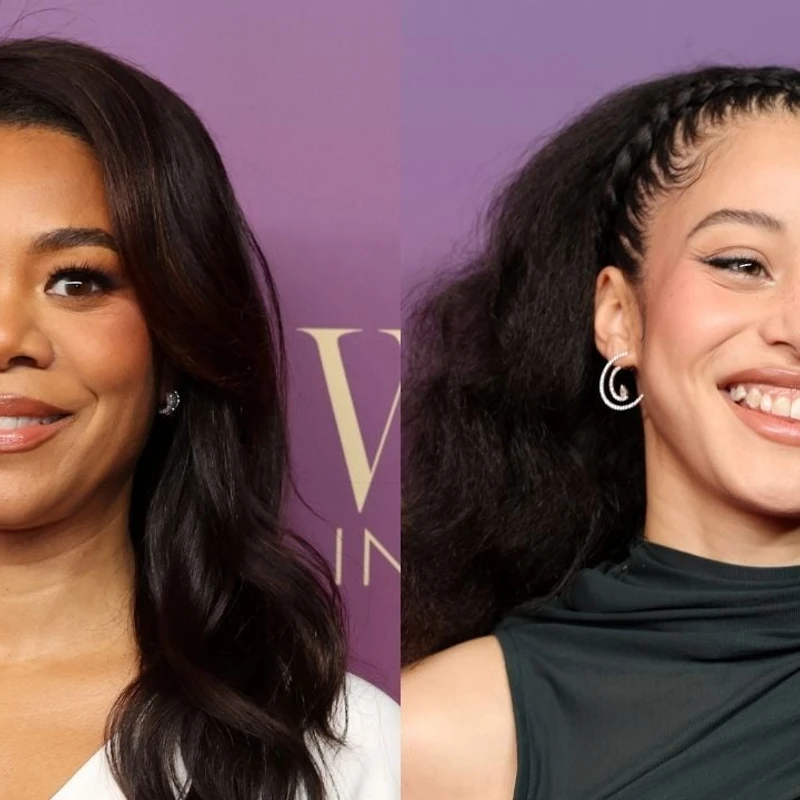
    Talk about a star-studded event with a heart! Actresses Regina Hall and Chase Infiniti, alongside Dakota Johnson, recently made a monumental impact on the lives of Los Angeles high school seniors. They presented over $1 million in scholarships during The Hollywood Reporter’s 2025 Women in Entertainment breakfast gala, setting these students up for incredible futures.

    A Million Reasons to Celebrate

    The gala, held on Wednesday, December 3rd, celebrated women making waves in film, television, and music. But the real stars of the morning were the bright young minds participating in THR’s long-running Women in Entertainment Mentorship Program. The presentation kicked off with a moving video that had the audience captivated.

    Hall, with her signature wit, quipped about wanting to see the video too, before revealing a major contribution: Lifetime is providing every graduating girl from the program with a $10,000 scholarship. This incredible support is crucial for these students’ educational journeys.

    Mentorship and Tech for Success

    The Women in Entertainment Mentorship Program is more than just scholarships; it’s about guidance. It pairs high-achieving young women from underserved Los Angeles high schools with top industry professionals for a year of invaluable one-on-one mentorship. Produced in partnership with Big Brothers Big Sisters of Greater Los Angeles, the program offers long-term support and exposure.

    The generosity didn’t stop at cash grants. Thanks to Dany Garcia and Seven Bucks Productions, every new girl entering the program will receive a brand-new Apple MacBook Air to help with their studies. And for those heading to college next fall, the Wasserman Foundation is ensuring they’re equipped with their own Apple MacBook Airs as well.

    Full-Ride Scholarships Awarded

    The morning culminated with the presentation of three full-ride scholarships. Dakota Johnson awarded the first to Elisa, who will attend Chapman University, funded by The Chuck Lorre Family Foundation. Regina Hall announced the second Chuck Lorre Foundation scholarship, sending Leah to Loyola Marymount University.

    Chase Infiniti closed out the scholarship announcements, presenting the final full-ride scholarship to Luna, also heading to Chapman University. These life-changing opportunities are a testament to the power of collective giving and belief in young talent.

    A Star-Studded Celebration

    The event itself was a gathering of Hollywood’s finest, celebrating THR’s annual Women in Entertainment issue. Hosted by Rachel Sennott, the gala saw notable attendees like Kerry Washington, who presented Jennifer Lopez with the Equity in Entertainment Award, and many other industry leaders. It was a morning filled with inspiration, recognition, and incredible generosity.

    Isn’t it inspiring to see so many influential figures supporting the next generation? What are your thoughts on the importance of mentorship programs for young women? Share your insights in the comments below!

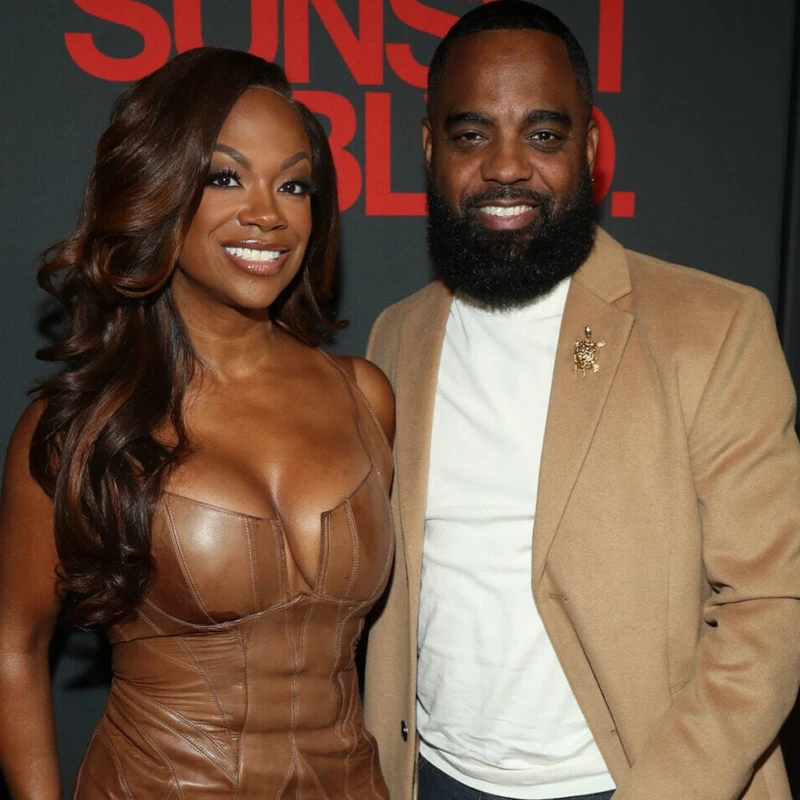
  • Kandi Burruss on Divorce: ‘Check on Your Strong Friend’

    It’s been a tough season for Kandi Burruss. The beloved ‘Real Housewives of Atlanta’ star and multi-talented entrepreneur recently confirmed the end of her 11-year marriage to Todd Tucker, a relationship that fans have followed closely through years of reality TV, music, and business ventures.

    Navigating Divorce and Rumors

    The news of their separation has sent shockwaves through her fanbase, especially as new allegations surface. A source reportedly told People magazine that Kandi was unhappy after discovering Todd had been speaking with other women behind her back, a revelation she was unaware of until recently. This comes just after Kandi confirmed she had filed for divorce.

    Describing the current period as “a difficult and emotional time,” Kandi shared her feelings during an Amazon Live session. She admitted that going through a divorce is far from easy, with emotions swinging from feeling okay to moments of deep sadness. “I’m all over the place,” she confessed, adding, “Sometimes things just don’t work out. It just is what it is.”

    The ‘Strong Friend’ Persona

    After 11 years of marriage, Kandi and Todd share two children, Ace (9) and Blaze (6). While reports suggest they spent Thanksgiving together, Todd has reportedly requested primary custody of their sons and a division of marital assets in response to Kandi’s divorce petition. Neither Kandi nor Todd have publicly addressed these specific claims.

    However, Kandi recently took to Instagram to share a deeply personal and relatable post about how she’s been coping. She posted a video montage with the caption: “This is what I look like when I’m going through something. I show up for my family, I show up for my friends, I show up to handle my business, & I show up with a smile, all while on the inside I’m emotionally broken.”

    She elaborated, explaining that many people in the photos had no idea about her inner turmoil. Kandi identifies herself as the “poster child for the saying, ‘check on your strong friend because you never know what they are going through.’” She noted that she usually prefers to keep such struggles private, but an old song she wrote perfectly captured her current feelings.

    A Message of Resilience

    Kandi’s candid sharing highlights the often-unseen emotional weight carried by those who consistently appear strong and put-together. It’s a powerful reminder that even the most resilient among us can be dealing with significant internal struggles.

    Kandi’s honesty resonates deeply. Have you ever felt like the ‘strong friend’ holding it all together? Share your experiences and thoughts in the comments below!

  • Preventable Child Deaths May Rise in 2025

    This is a tough one, but incredibly important. For the first time in decades, the world might see an increase in the number of children dying before their fifth birthday. A new report paints a stark picture, suggesting that progress made over the last century is at risk of reversing, and the reasons are deeply concerning.

    The Alarming Projections for 2025

    The Gates Foundation’s 2025 Goalkeepers Report reveals a projected rise in child mortality. Experts estimate that around 4.8 million children could die before reaching their 5th birthday in 2025. This marks an increase of approximately 200,000 preventable deaths compared to the previous year. Mark Suzman, CEO of the Gates Foundation, emphasized the tragedy, stating, “It is 100% avoidable. There is no reason why those children should be dying.”

    The report points to a concentration of these increased deaths in several African nations, including the Democratic Republic of Congo, Somalia, and Uganda. Factors like ongoing conflict, displacement, climate-related disease outbreaks, and severely limited access to healthcare are intensifying existing vulnerabilities in these regions.

    Decades of Progress Under Strain

    Globally, child mortality rates have seen dramatic declines since the 1990s, according to the World Health Organization. However, this hard-won progress is now being challenged. Shrinking global health budgets, mounting national debts, and fragile health systems are struggling to keep pace with preventable illnesses.

    Compounding the issue, international aid cuts from major donor countries, including the United States, have weakened vaccination programs and essential health infrastructure worldwide. This has amplified the impact on countries already facing immense challenges.

    The Long-Term Outlook

    The situation could become even more dire if current funding trends continue. The report warns that if these funding cuts persist long-term, as many as 16 million additional children could die by 2045. This is a sobering prospect that demands immediate attention.

    Adding to the concern, the report arrives at a time when changes to domestic childhood immunization policies are being considered in the U.S. Public health experts are worried about the potential resurgence of diseases that were once under control.

    A Roadmap for Prevention

    Despite the grim outlook, the Goalkeepers Report, titled “We Can’t Stop at Almost,” also offers a path forward. It outlines strategies for preventing this devastating backslide, emphasizing that targeted investments in proven interventions, combined with next-generation innovations, can save millions of lives, even within a constrained global budget.

    We could be the generation who had access to the most advanced science and innovation in human history—but couldn’t get the funding together to ensure it saved lives. — Bill Gates, Chair of the Gates Foundation

    Bill Gates, chair of the Gates Foundation, expressed confidence that by making the right priorities and commitments, and investing in high-impact solutions, we can avert a major reversal in child deaths and ensure millions more children survive and thrive by 2045.

    What are your thoughts on the findings of the Goalkeepers Report? What steps do you believe are most crucial to prevent this rise in child deaths? Share your insights in the comments below!

  • Self-Checkout Theft on the Rise: The ‘5-Finger Discount’

    Have you noticed more people seemingly ‘forgetting’ to scan items at self-checkout? You’re not imagining it. A growing trend, sometimes called the ‘5-finger discount,’ sees customers deliberately skipping item scanners. This behavior is driven by a mix of perceived moral justification and a sense of entitlement, leading to significant losses for retailers.

    Retailers introduced self-checkout to cut labor costs, but it seems they’ve inadvertently created a new playground for shoplifters. While some instances might be honest mistakes, a substantial amount of inventory loss is attributed to intentional ‘skip scanning’ – customers simply not scanning all their items as they pass through the kiosk.

    The Psychology Behind Skip Scanning

    Researchers studying consumer behavior point out that for many, stealing from a self-checkout doesn’t carry the same moral weight as shoplifting from a manned register. Why? Because the perceived victim is a large, faceless corporation, not an individual cashier or a small business owner. This phenomenon is sometimes referred to as ‘moral licensing,’ where people psychologically justify their actions.

    Matt Schulz, an analyst at LendingTree, notes that even though people know stealing is wrong and risky, ‘tough times require tough choices.’ Many are clearly willing to take that risk. Furthermore, some customers feel they are performing the work previously done by an employee, believing they are owed some form of compensation for their ‘labor.’

    Retailers Fight Back

    Retailers are acutely aware that the savings from reduced staffing are being wiped out by self-checkout theft. In response, they’re launching a full-scale counter-offensive. This includes significant investments in advanced surveillance technologies like computer vision and AI monitoring systems specifically designed for checkout areas.

    Beyond technology, retailers are also adopting more aggressive prosecution strategies. Instead of just issuing warnings or banning customers, many are now pursuing formal theft charges. Some major chains are even scaling back their self-checkout areas altogether, recognizing the growing problem.

    The Impact on Consumers

    This rise in retail shrinkage ultimately impacts all consumers. Increased losses can lead to higher prices for everyone, as retailers try to recoup their costs. It also means a less convenient shopping experience for those who use self-checkout honestly, as security measures become more stringent.

    The trend highlights a complex interplay between economic pressures, consumer psychology, and corporate responses. As technology advances, the battle against retail theft at self-checkout is likely to become even more sophisticated.

    What are your thoughts on the increase in self-checkout theft? Do you think retailers are doing enough to combat it? Share your opinions in the comments below!

  • UA Suspends DEI Magazines Amid Anti-DEI Crackdown

    Students at the University of Alabama are expressing outrage following the university’s decision to immediately suspend two student-led magazines. The publications, “Nineteen Fifty-Six” and “Alice,” which focused on uplifting the voices and stories of Black and female undergraduates, respectively, were deemed noncompliant with diversity, equity, and inclusion (DEI) guidelines.

    Citing Trump Administration Guidance

    University officials pointed to a memo from Attorney General Pam Bondi, detailing the Trump administration’s stance against what it termed “unlawful proxies for discrimination.” According to university spokesperson Alex House, the decision aligns with their commitment to ensuring all students feel welcome and comply with legal obligations. House stated that the magazines’ focus on specific groups rendered them noncompliant with university funding guidelines from the Office of Student Media, while asserting that students’ First Amendment rights remain intact.

    This move comes amid a broader national trend of universities and corporations dismantling DEI initiatives, particularly following state legislation banning publicly funded DEI programs. The University of Alabama has reportedly been scaling back spaces for marginalized students for the past year.

    Student Reactions and Concerns

    The editors-in-chief of both magazines expressed deep disappointment and surprise. Kendal Wright, editor of “Nineteen Fifty-Six” (named after the year the first Black students enrolled at UA), called the decision “devastating but, regrettably, not surprising” given the current national climate. He emphasized the magazine’s mission to educate students on culturally important issues and foster socially conscious citizens.

    Gabrielle Gunter, editor of “Alice,” found the news “pretty dumbfounding.” She believed their First Amendment right to freedom of press would protect them from anti-DEI rulings. “These were spaces for marginalized students to create work that reflected their lived experiences,” Gunter stated, recalling that the news was delivered by Steven Hood, the University of Alabama’s vice president of student life, who cited Bondi’s memo.

    A Step Backward?

    Tionna Taite, the founder of “Nineteen Fifty-Six,” echoed these sentiments, calling the decision a “regression.” She noted that when she created the magazine in 2020, UA had promised greater diversity, inclusion, and equity. “Five years later, I do not see any progress, and their decision regarding both magazines confirms this,” Taite said, highlighting that these publications served as vital safe spaces for students on campus.

    What are your thoughts on the University of Alabama’s decision to suspend these magazines? Do you believe it infringes on students’ rights or aligns with legal obligations? Share your perspective in the comments below!

  • Quinta Brunson Funds Philly Field Trips

    Quinta Brunson, the brilliant mind behind the hit show “Abbott Elementary,” is channeling her character Janine Teagues’ passion for education into a real-world initiative. She’s launched “The Quinta Brunson Field Trip Fund” in partnership with the School District of Philadelphia, aiming to give thousands of students invaluable learning experiences.

    Breaking Down Barriers to Learning

    This new fund is designed to provide free school trips to Philadelphia’s public school students. Brunson, a proud alumna of the Philadelphia school district herself, understands firsthand the transformative power of field trips. She aims to eliminate the financial hurdles that often prevent students from visiting the city’s museums and landmarks.

    The initiative is set to benefit over 117,000 public school students. Brunson stated, “I’m proud to support Philadelphia students with experiences that remind them their dreams are valid and their futures are bright.” The goal is to make learning both “meaningful and memorable.”

    How the Fund Will Work

    Teachers and administrators within the district will be able to apply for field trip grants through a straightforward application process. An independent panel of educators will then review these applications, with funds being distributed twice a year. This ensures that the resources are allocated effectively to provide these enriching opportunities.

    Kathryn Epps, president and CEO of the Fund for the School District of Philadelphia, expressed her enthusiasm for the partnership. “[Field Trips] opened my world, sparked my creativity, and helped me imagine a future beyond what I saw every day,” Brunson added. “Going somewhere new shows you that the world is bigger and more exciting than you believe, and it can shape what you come to see as achievable.”

    Brunson’s Continued Support for Philly

    This isn’t the first time Brunson has demonstrated her commitment to her hometown. She previously donated $25,000 to the school district’s “Groceries for Good” program to combat student food insecurity. Earlier this year, she was even honored with a key to the city at her former elementary school, the very place that inspired “Abbott Elementary.”

    Tony Watlington, Superintendent of the School District of Philadelphia, highlighted the significance of Brunson’s work. He emphasized how the fund helps eliminate barriers that impact students’ ability to participate in field trips, thereby extending learning beyond the classroom walls. He believes this initiative will contribute to accelerating student achievement.

    Learn more about how you can support The Quinta Brunson Field Trip Fund and help provide these vital experiences for Philadelphia students. Visit [link] to donate!

  • Georgia Law: Brain-Dead Mom Kept Alive for Baby

    Imagine the unimaginable: a mother declared brain-dead, yet kept alive for months, all because of a law. This is the heartbreaking reality faced by April Newkirk, a grandmother whose daughter, Adriana Smith, was at the center of a complex situation involving Georgia’s controversial “heartbeat law.” While Adriana’s life tragically ended, her unborn child, Chance, was delivered, and now his grandmother is sharing her hope for his future.

    A Grandmother’s Hope for Baby Chance

    Five and a half months after a premature baby boy named Chance was delivered via C-section, his grandmother, April Newkirk, is expressing immense gratitude and optimism. Chance, who weighed just under two pounds at birth, has now reached 11 pounds and is showing signs of improvement. His journey, however, has been entirely within the Neonatal Intensive Care Unit (NICU), and he’s preparing for a move to a hospital offering more specialized care.

    Newkirk shared on GoFundMe, “I want everyone to know that I’m very grateful for your prayers and help. Continue to pray because God has the final say so.” This powerful statement reflects her deep faith and the immense challenges her family has faced.

    Understanding Georgia’s Heartbeat Law

    The story of Adriana Smith, a 31-year-old nurse, took a devastating turn in February when she began experiencing severe headaches. These turned out to be blood clots in her brain, leading to her being declared brain-dead. However, due to Georgia’s “heartbeat law,” enacted in 2019, Smith was kept on life support.

    This law mandates that a pregnant person be kept alive until the fetus is viable, with limited exceptions for rape, incest, or immediate danger to the mother’s life. Lawmakers argued that Smith’s situation did not meet these criteria, leading to the difficult decision to perform an emergency C-section on June 13th to deliver Baby Chance. Adriana Smith was subsequently taken off life support days later.

    Navigating Grief and a New Normal

    Since Adriana’s passing, her family has been piecing their lives back together. Newkirk has been updating supporters on Chance’s progress while also helping Adriana’s oldest son, Chase, adjust to a new reality. Chase, who initially thought his mother was simply “sleeping,” is now grappling with the profound loss of his mother.

    My heart is broken. I’m just trying to understand everything that has happened. I feel so very hurt inside. I’m angry and I’m sad. I feel so bad for the kids trying to get things normal for Chase: new school, new home, new everything, and no mom. They were very close. — April Newkirk

    Newkirk shared the emotional toll, noting that Chase is receiving weekly counseling. She also expressed gratitude for the NICU staff, acknowledging their incredible care for baby Chance, who had reached 4 pounds by August. The family is navigating immense grief while simultaneously celebrating small victories in Chance’s health.

    Community Support and Future Hopes

    The outpouring of support for this family has been remarkable. Newkirk’s GoFundMe campaign has raised over half a million dollars, nearing its $600,000 goal. This incredible generosity is a testament to the community’s desire to help Baby Chance and his family through this incredibly difficult time.

    While Chance’s journey is far from over, the progress he’s made and the unwavering support from his grandmother and the community offer a beacon of hope. It’s a powerful reminder of resilience in the face of profound loss and the complexities surrounding reproductive laws.

    What are your thoughts on this deeply moving story and the impact of Georgia’s heartbeat law? Share your perspective in the comments below!

  • Halle Berry Slams Newsom Over Vetoed Menopause Bill

    Halle Berry is making it clear she has no reservations about speaking her mind, especially when it comes to issues affecting women. The actress and advocate recently took aim at California Governor Gavin Newsom, criticizing his decision to veto a crucial menopause bill, and even questioning his potential presidential aspirations.

    A Governor’s Veto, An Advocate’s Outrage

    During an appearance at The New York Times Dealbook Summit, Berry expressed her frustration. “Back in my great state of California, my very own governor, Gavin Newsom, has vetoed our menopause bill, not one, but two years in a row,” she stated, as reported by The Hollywood Reporter. She didn’t stop there, adding a pointed remark about his political future: “But that’s okay, because he’s not going to be governor forever, and the way he has overlooked women, half the population, by devaluing us, he probably should not be our next president either. Just saying.”

    The bill in question is the Menopause Care Equity Act, which Berry passionately supported. However, in October, Governor Newsom opted not to sign it. His office cited concerns that the bill’s broad coverage mandate and prohibition on utilization management were “too far-reaching” and could limit health plans’ ability to ensure appropriate care while controlling costs. Berry, however, described the veto as a “failure of Gov. Newsom’s commitment to women.”

    The Impact of Neglect and Societal Expectations

    Berry, who founded Respin, a digital health platform focused on women’s health issues like menopause, highlighted the real-world consequences of such neglect. “We can and must take practical, achievable steps to close this gap—and policymakers like Gov. Newsom need to step up,” she urged in a Time Magazine column. She emphasized that menopause affects nearly every woman, yet it’s a topic rarely discussed openly.

    She drew a stark contrast, suggesting that if men experienced similar symptoms – like disrupted sleep, cognitive issues, and impacts on sex life – it would be declared a national health crisis. “When women are struggling silently through perimenopause and menopause, trying to hold their families, careers, relationships and communities together, it doesn’t just affect women, it affects every household,” Berry explained, noting that one in six women leave the workforce due to menopausal symptoms, impacting the economy.

    Challenging Midlife Stigma

    Berry also touched upon the societal pressure women face to remain relevant and desirable, particularly as they age. She feels that women in midlife, like herself at 59, are often devalued in Hollywood, the workplace, and society at large. “Our culture thinks that at 59 years old, I am past my prime, and that women my age start to become invisible in Hollywood, in the workplace, on social media,” she said. The pressure to appear younger, she noted, sets an unrealistic standard for women’s worth.

    Ultimately, Berry is calling for a collective effort, urging both women and men, and especially leaders, to become more curious and engaged with topics like menopause. She believes this fight is not just for women but requires the support and understanding of everyone to create meaningful change.

    What are your thoughts on Halle Berry’s powerful message and her criticism of Governor Newsom? Do you agree that menopause is a health crisis that needs more attention? Share your views in the comments below!