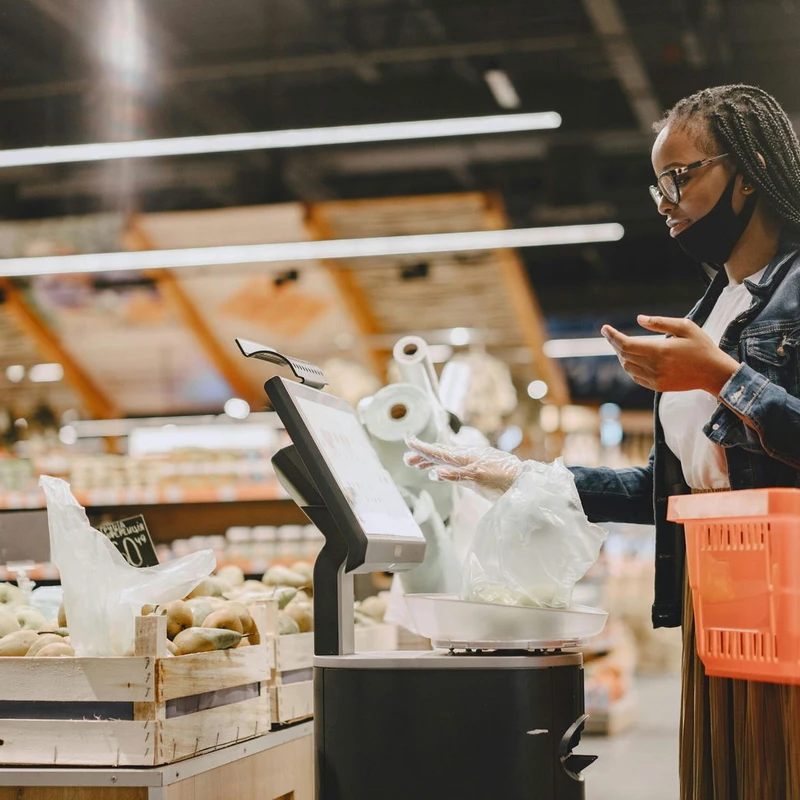
Have you noticed more people seemingly ‘forgetting’ to scan items at self-checkout? You’re not imagining it. A growing trend, sometimes called the ‘5-finger discount,’ sees customers deliberately skipping item scanners. This behavior is driven by a mix of perceived moral justification and a sense of entitlement, leading to significant losses for retailers.
Retailers introduced self-checkout to cut labor costs, but it seems they’ve inadvertently created a new playground for shoplifters. While some instances might be honest mistakes, a substantial amount of inventory loss is attributed to intentional ‘skip scanning’ – customers simply not scanning all their items as they pass through the kiosk.
The Psychology Behind Skip Scanning
Researchers studying consumer behavior point out that for many, stealing from a self-checkout doesn’t carry the same moral weight as shoplifting from a manned register. Why? Because the perceived victim is a large, faceless corporation, not an individual cashier or a small business owner. This phenomenon is sometimes referred to as ‘moral licensing,’ where people psychologically justify their actions.
Matt Schulz, an analyst at LendingTree, notes that even though people know stealing is wrong and risky, ‘tough times require tough choices.’ Many are clearly willing to take that risk. Furthermore, some customers feel they are performing the work previously done by an employee, believing they are owed some form of compensation for their ‘labor.’
Retailers Fight Back
Retailers are acutely aware that the savings from reduced staffing are being wiped out by self-checkout theft. In response, they’re launching a full-scale counter-offensive. This includes significant investments in advanced surveillance technologies like computer vision and AI monitoring systems specifically designed for checkout areas.
Beyond technology, retailers are also adopting more aggressive prosecution strategies. Instead of just issuing warnings or banning customers, many are now pursuing formal theft charges. Some major chains are even scaling back their self-checkout areas altogether, recognizing the growing problem.
The Impact on Consumers
This rise in retail shrinkage ultimately impacts all consumers. Increased losses can lead to higher prices for everyone, as retailers try to recoup their costs. It also means a less convenient shopping experience for those who use self-checkout honestly, as security measures become more stringent.
The trend highlights a complex interplay between economic pressures, consumer psychology, and corporate responses. As technology advances, the battle against retail theft at self-checkout is likely to become even more sophisticated.
What are your thoughts on the increase in self-checkout theft? Do you think retailers are doing enough to combat it? Share your opinions in the comments below!
Leave a Reply