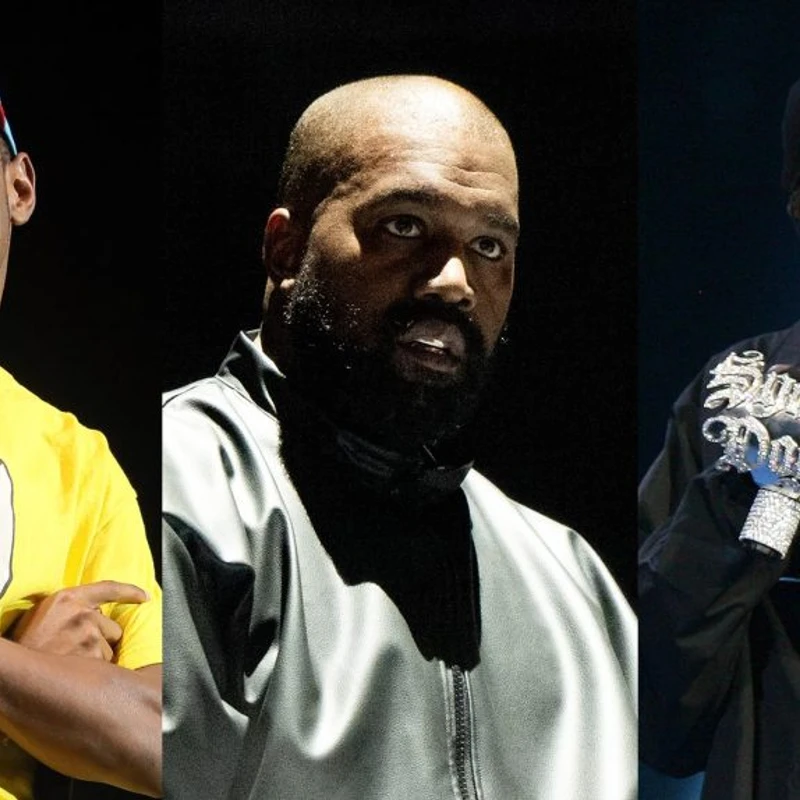
Fans hoping to see Ye (formerly Kanye West) perform at this year’s Wireless Festival were met with disappointment when the event was canceled. The reason? Ye was denied entry into the United Kingdom by the Home Office, who deemed his presence “not conducive to the public good.” This decision highlights a recurring issue for artists, particularly in hip-hop, who have faced bans or entry denials into the U.K. for various reasons, ranging from criminal records to controversial lyrics and public misconduct.
Ye’s UK Entry Denied
The cancellation of the Wireless Festival came after sponsors like Pepsi and Diageo withdrew their support due to Ye’s past antisemitic remarks. Despite issuing apologies and aiming to mend relationships with the Jewish community, the U.K. government’s decision reflects a zero-tolerance policy for rhetoric deemed harmful. Ye’s situation underscores that even artists with significant public apologies and attempts at reconciliation can still face consequences.
A History of Banned Artists
Ye is far from the first artist to be barred from entering the U.K. Over the years, several prominent figures in music have encountered similar restrictions:
- **Snoop Dogg:** Was denied entry in 2006 and 2007, reportedly due to an incident at Heathrow Airport. The ban was eventually lifted in 2008.
- **Busta Rhymes:** Initially denied entry in 2008 due to “unresolved convictions” in the U.S., he was later released and allowed to perform.
- **Chris Brown:** Prohibited from entering the U.K. in 2010 following his 2009 assault conviction. He remained blocked for over a decade until re-entering the country in 2021.
- **Lil Wayne:** Blocked from entering the U.K. in 2011 due to past criminal convictions, including weapon possession. He faced similar issues in 2022 when attempting to return for a festival.
- **Tyler, the Creator:** Banned in 2015 for “behaviors unacceptable in the U.K.” related to his early, vulgar lyrics. The ban was lifted in 2019.
- **Tekashi 6ix9ine:** Forced to cancel shows in 2018 due to an “issue with immigration” and being blocked by border patrol.
- **Benny the Butcher:** Claimed denial of entry in 2022 due to his criminal record and “old FBI reports.”
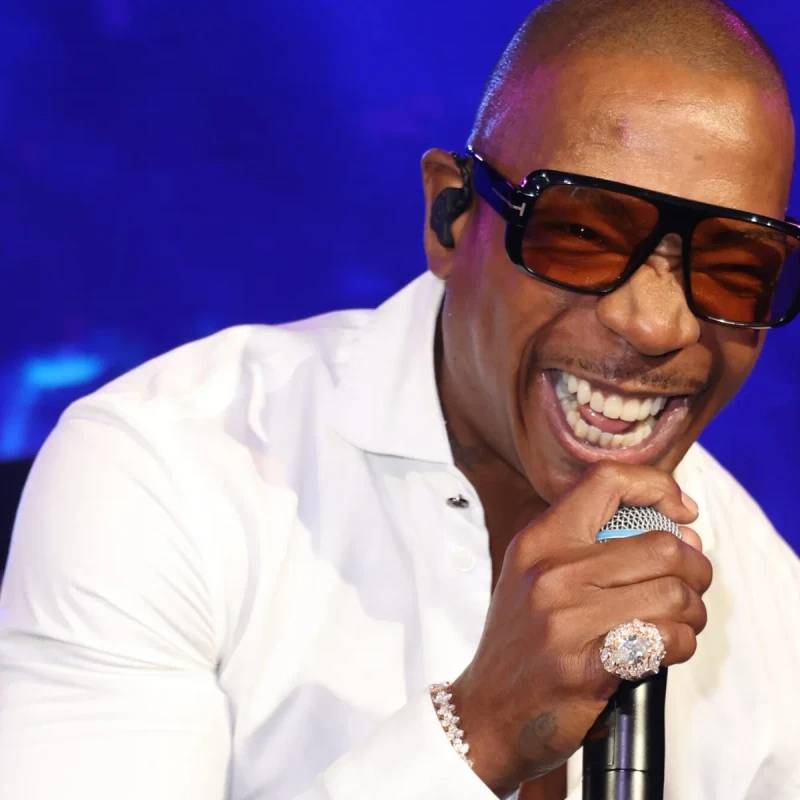
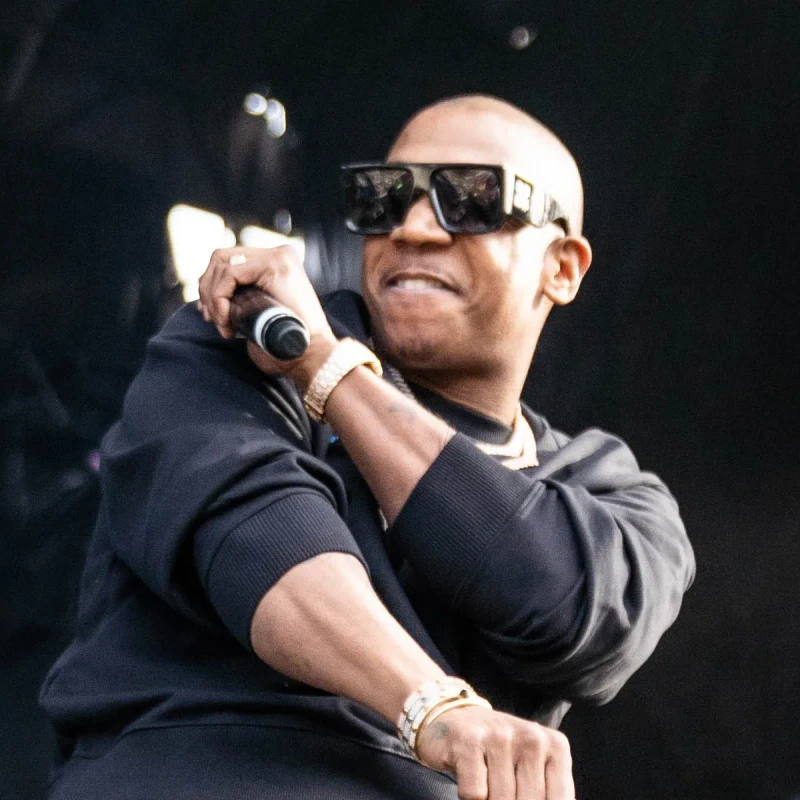
- **Ja Rule:** Expressed frustration in February 2024 after being denied entry days before scheduled performances, citing past convictions despite assurances from promoters.
Reasons for Denial
The reasons for denial vary, but common themes include criminal convictions, arrests, and behavior deemed detrimental to public order or good. In Ye’s case, the Home Office specifically cited his harmful rhetoric as the reason for denial. For others, like Snoop Dogg and Lil Wayne, past legal troubles were the primary obstacle. Tyler, the Creator’s ban stemmed from his controversial lyrical content in earlier works.
These instances highlight the U.K.’s stringent immigration policies regarding individuals with problematic pasts or those whose actions are deemed a risk to public welfare. While some bans are temporary and eventually lifted, others can have long-lasting impacts on an artist’s ability to tour and connect with international fan bases.
Which of these artists’ UK entry bans surprised you the most? Let us know your thoughts in the comments below!