Tag: Iran

  • Trump’s Iran War: Impact on Black Americans

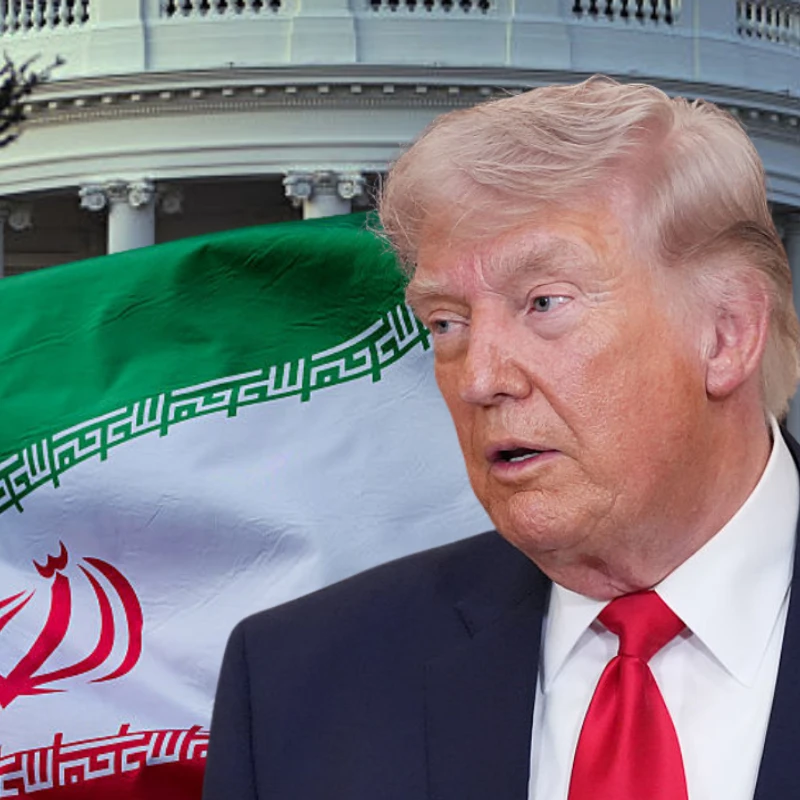
    President Donald Trump announced on Friday, May 29, 2026, that he was nearing a ‘final determination’ to end the United States’ war in Iran. However, national security and foreign policy experts are expressing skepticism about the feasibility of his ambitious goals, suggesting the reality is far more complex than publicly presented.

    This ongoing conflict is not only a significant drain on U.S. resources, costing at least $2 billion daily, but it’s also severely impacting the American economy. We’re seeing soaring gas prices averaging over $4.30 per gallon, continued inflation, and rising mortgage rates. These economic strains are affecting various industries, including farming, and are hitting Black Americans particularly hard.

    Disproportionate Impact on Black Communities

    Black households are already contending with generational disparities in wages and wealth. The current economic climate, exacerbated by Trump’s war, his tariffs on global imports, and cuts to essential federal programs like food and healthcare assistance, is intensifying these challenges. Experts warn that if the war isn’t resolved, underserved communities, which form the majority of the U.S., will continue to suffer immensely.

    Democratic strategist Ameshia Cross highlighted the disconnect between the administration’s rhetoric and the reality on the ground. ‘He continually [says] that affordability is a hoax, that this crisis is not a crisis, even though communities, specifically the Black community, are calling it out,’ Cross stated. Furthermore, she noted that following the Supreme Court’s decision on the Voting Rights Act, Black Americans are witnessing potential dilution of their votes through redistricting, diminishing their political power.

    Obstacles to Peace

    Achieving a peace deal requires intricate negotiations between the U.S. and Iran. Decades of complex hostility, broken agreements, and critical issues like Iran’s nuclear program, control over natural resources, and the strategic Strait of Hormuz (through which 20% of the world’s oil flows) stand as significant hurdles.

    Trump has publicly demanded that Iran forgo nuclear weapons, immediately open the Strait of Hormuz to all shipping without tolls, and dismantle its enriched nuclear material. However, experts like Asha Castleberry-Hernandez, a former Department of Defense appointee, believe Trump has limited international support for his approach, unlike former President Obama’s 2015 nuclear deal (JCPOA).

    Comparing Approaches: Trump vs. Obama

    Trump has frequently criticized Obama’s JCPOA as a ‘disaster.’ The Obama deal placed restrictions on Iran’s nuclear enrichment and established oversight, with sanctions as a consequence. In contrast, Trump aims for a complete cessation of nuclear weapons development. However, former intelligence analyst Victor LaGroon points out that nuclear capability can serve as leverage for a nation, providing a deterrent against invasion and a stronger voice in international affairs.

    Castleberry-Hernandez noted that while Pakistan offers some support, it’s insufficient for brokering a deal alone, thus delaying progress. LaGroon argued that Obama’s deal was more effective because it maintained U.S. influence and allowed for diplomatic engagement, which he believes is preferable to war.

    Ameshia Cross suggests Trump is attempting to craft a deal superior to Obama’s, which he dismantled in 2017. However, she points out that Iran made concessions under the Obama administration and, having gained momentum in the current conflict, is unlikely to relinquish everything now. Despite Trump’s claims of military success, Iran maintains control over the Strait of Hormuz, generating revenue through tolls.

    If Trump’s deal allows Iran to retain control of the Strait, experts like Castleberry-Hernandez believe it would be a less favorable outcome than Obama’s agreement, potentially embarrassing for Trump. Cross concludes that the U.S. currently lacks leverage, and despite Trump’s projections, the war’s end date remains uncertain.

    LaGroon predicts that any immediate deal struck by Trump will likely be superficial and unsustainable, given the history of failed agreements with Iran. He criticizes the administration’s lack of strategic diplomacy, stating Trump’s dictatorial approach won’t succeed. Regarding the economic impact, LaGroon warns that even if the war ends soon, gas prices won’t immediately decrease, and he believes Trump’s priorities lie with the war effort over American economic well-being, potentially harming Republicans in the upcoming election.

    What are your thoughts on the economic impact of the Iran war and President Trump’s approach to ending it? Share your views in the comments below!
  • Gas Prices Hit 4-Year High Amid Iran Talks Stalemate

    Heads up, drivers! Those trips to the gas station are getting pricier. US gasoline prices have just hit a four-year peak, and the ripple effect is being felt across the nation. This surge is directly linked to renewed tensions and stalled diplomatic talks involving Iran, impacting oil prices and raising concerns about fuel costs.

    The Numbers Don’t Lie: A Four-Year High

    According to AAA, the national average for a gallon of regular gas climbed to a staggering $4.18 on April 28, 2026. This is the highest we’ve seen since April 2022, a period many will remember due to the disruption caused by the Russian invasion of Ukraine. The latest jump saw a 1.6% increase in just one day – the sharpest percentage rise in over a month!

    What’s driving this significant increase? Analysts are pointing squarely at ongoing geopolitical uncertainty, especially the deadlock in negotiations between the United States and Iran. This diplomatic stalemate is sending shockwaves through the oil markets.

    Iran, Oil, and the Strait of Hormuz

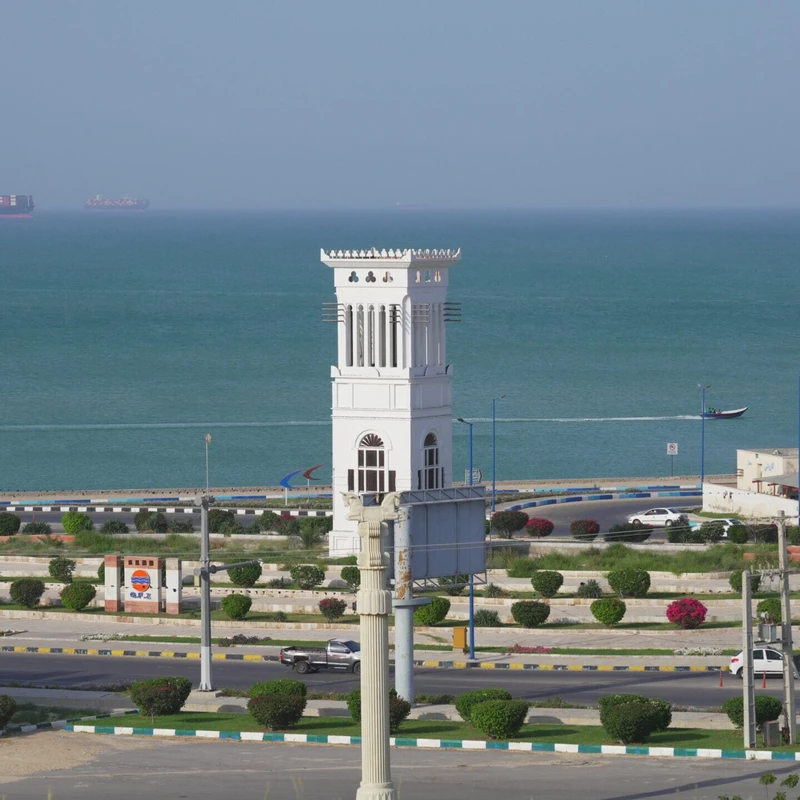
    The price of Brent crude, the global benchmark for oil, has seen a notable rise, climbing in six of the last seven trading sessions. It’s now more than 40% higher than before recent U.S.-Israeli military actions targeting Iran earlier this year. A major point of contention remains the Strait of Hormuz, a vital artery for global oil transportation.

    Efforts to ensure the Strait remains fully open to tanker traffic have stalled. Given that any disruption in this crucial corridor can rapidly affect fuel prices worldwide, including right here in the U.S., the situation is being watched very closely.

    Market Stability Amidst Rising Costs

    Interestingly, despite the surge in energy costs, U.S. stock markets have shown resilience, hovering near record highs. Strong corporate earnings have provided a buffer against these concerns. However, investors are keeping a keen eye on upcoming financial reports, especially from major tech companies, as spending on artificial intelligence continues to climb.

    What’s Next for Gas Prices?

    Energy analysts are cautioning that gasoline prices might stay elevated if diplomatic efforts don’t gain traction or if supply disruptions intensify. While current prices haven’t reached all-time historic highs, this upward trend signals growing pressure on global energy markets.

    For everyday consumers, this means higher costs for commuting and transportation. It also contributes to broader inflationary pressures, as fuel prices often influence the cost of nearly everything else we buy.

    How are these rising gas prices impacting your budget? Share your thoughts and experiences in the comments below!

  • Trump Orders Hormuz Blockade, Threatens Iran

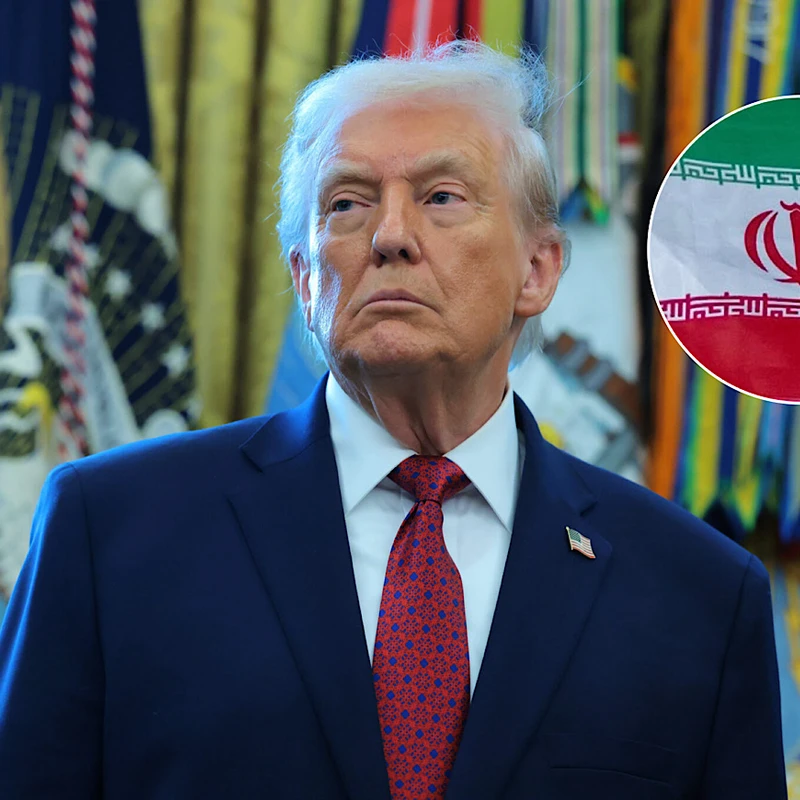
    Tensions have escalated dramatically as President Donald Trump announced a U.S. naval blockade on the Strait of Hormuz. This move comes after a marathon 21-hour negotiation session aimed at reaching a peace deal with Iran failed to yield an agreement, particularly on the critical issue of nuclear ambitions.

    Failed Peace Talks and a Stern Ultimatum

    Vice President JD Vance led the high-stakes talks in Islamabad, Pakistan, alongside Pakistani officials and Iranian representatives. Despite reaching agreements on most points, the core issue of Iran’s nuclear program remained a sticking point, leading to the breakdown of negotiations on April 11, 2026.

    Following the failed talks, President Trump took to Truth Social to declare the United States Navy would immediately begin blockading all ships attempting to enter or leave the Strait of Hormuz. He accused Iran of engaging in ‘world extortion’ by claiming unknown mines in the waterway, stating that no nation paying an ‘illegal toll’ would have safe passage.

    Threats of Military Action and ‘World Extortion’

    Trump’s statements were stark, threatening to ‘Take out Iran in one day’ if necessary. He also instructed the Navy to interdict vessels in international waters that have paid tolls to Iran and to begin destroying mines allegedly laid by Iran. The President emphasized that Iran knows how to end the situation, referencing their depleted military capabilities due to their nuclear ambitions.

    In a second post, Trump reiterated Iran’s failure to uphold its promise to open the Strait of Hormuz, causing global anxiety. He questioned the claim of mines, especially after Iran’s naval assets were reportedly destroyed, but acknowledged the fear this creates for ship owners. The President also highlighted the ‘great dishonor and permanent harm’ to Iran’s reputation.

    Key Figures and International Involvement

    The President mentioned being fully debriefed by Vice President JD Vance, Special Envoy Steve Witkoff, and Jared Kushner. He also acknowledged the ‘extraordinary men’ Field Marshal Asim Munir and Prime Minister Shehbaz Sharif of Pakistan for their role in facilitating the talks. Trump noted that while many points were agreed upon, they were overshadowed by Iran’s unwillingness to abandon its nuclear ambitions.

    He specifically named Iran’s representatives, Mohammad-Bagher Ghalibaf, Abbas Araghchi, and Ali Bagheri, noting their unyielding stance on the nuclear issue. Trump concluded with a firm declaration: ‘IRAN WILL NEVER HAVE A NUCLEAR WEAPON!’

    What are your thoughts on President Trump’s actions and threats towards Iran? Share your views in the comments below!
  • US and Iran Talks Stall: JD Vance Reports No Deal

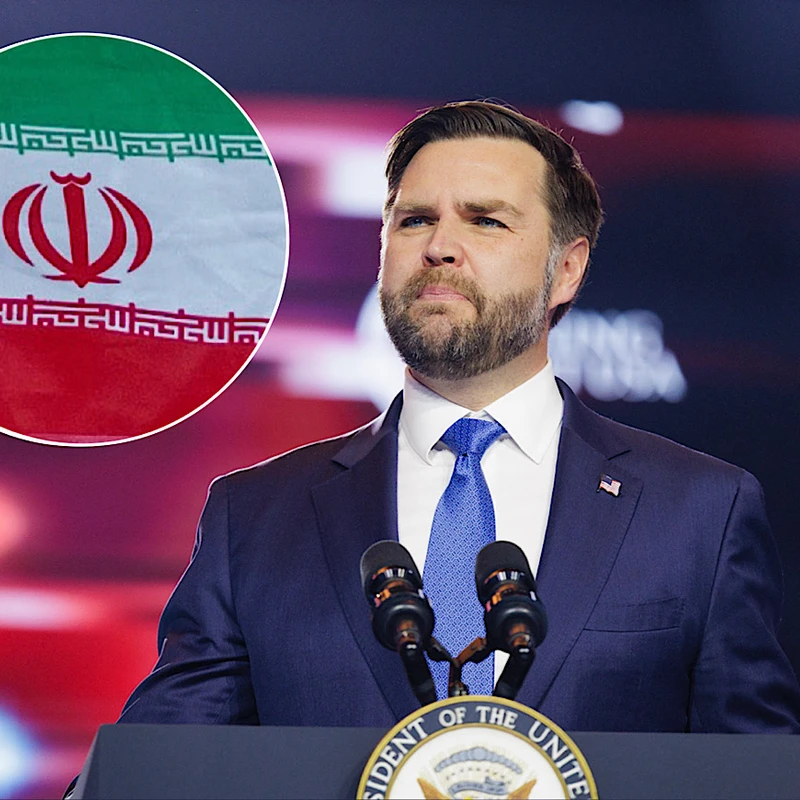
    Well, it seems the path to peace between the United States and Iran just hit a major roadblock. Vice President JD Vance announced that after a marathon 21-hour negotiation session in Pakistan, no agreement was reached. This news comes after a period of intense diplomatic activity and a temporary ceasefire.

    A Ceasefire and High Hopes

    Just days prior, on April 7th, former President Donald Trump’s administration had brokered a ceasefire with Iran. The key condition for this pause in hostilities was Iran’s agreement to reopen the vital Strait of Hormuz, a critical global shipping route. Trump announced this on Truth Social, framing it as a step towards long-term peace in the Middle East.

    Trump’s statement detailed a 10-point proposal from Iran that was seen as a workable basis for negotiation. Many points of contention had reportedly been agreed upon, with a two-week window set aside to finalize a definitive agreement. This created a sense of optimism that a significant diplomatic breakthrough was imminent.

    The Islamabad Talks

    The recent trilateral meeting in Islamabad, Pakistan, saw a senior U.S. delegation, including Vice President Vance, U.S. Special Envoy Steve Witkoff, and Jared Kushner, engaging directly with Iranian officials. Among the Iranian representatives were Foreign Minister Abbas Araghchi and Speaker of Parliament Mohammad Bagher Ghalibaf.

    These talks were crucial for solidifying the ceasefire and addressing the core issues that have long strained relations between the two nations, particularly Iran’s nuclear program and regional security. The Pakistani officials were praised for their role as hosts and facilitators in bridging the gap.

    Vance’s somber update

    Despite the extensive discussions, Vice President Vance delivered the disappointing news: no agreement was reached. He emphasized that this outcome is more detrimental to Iran than to the United States, stating that the U.S. had clearly communicated its non-negotiable ‘red lines’.

    A central concern for the U.S. remains Iran’s commitment to not developing nuclear weapons, both in the short and long term. Vance indicated that this fundamental commitment has not yet been demonstrated by Iran. The U.S. delegation left Pakistan with a final, best offer, awaiting Iran’s decision.

    We have been at it for 21 hours and we’ve had a number of substantive discussions with the Iranians. That’s the good news. The bad news is that we have not reached an agreement. And I think that’s bad news for Iran, much more than that, it’s bad news for the United States of America. — Vice President JD Vance

    The failure to reach a deal means the situation remains tense, and the U.S. is prepared to revert to its previous stance if Iran does not accept the proposed terms. The world will be watching closely to see if diplomacy can find a way forward.

    What do you think about the stalled peace talks between the US and Iran? Share your thoughts in the comments below!

  • Democrats Demand Trump’s Removal Despite Iran Ceasefire

    Even after President Donald Trump agreed to a two-week ceasefire with Iran, following a stark threat that “a whole civilization will die,” Democrats are not backing down. The controversial statement sent shockwaves through Capitol Hill and across the internet, prompting a strong reaction from lawmakers who believe Trump is unfit for office.

    Calls for Impeachment and 25th Amendment

    Mere hours after the threat was issued on April 7, a significant number of House Democrats began calling for Trump’s impeachment or removal from office via the 25th Amendment. More than 85 House Democrats have publicly urged for these actions, including prominent figures like Rep. Alexandria Ocasio-Cortez (D-NY) and former House Speaker Nancy Pelosi (D-CA).

    Rep. Jasmine Crockett (D-TX) took a firm stance, sending a letter to Vice President JD Vance and the Cabinet urging them to remove Trump. She expressed her strong disapproval on X (formerly Twitter), writing, “We are watching a dangerous and unfit President drag this country toward catastrophe—and Republicans refuse to act. Invoke the 25th Amendment. Do your f*ck*ng job.”

    Impeachment Articles and Republican Silence

    Democrats like Rep. Yassamin Ansari of Arizona are also targeting Defense Secretary Pete Hegseth, planning to file articles of impeachment against him due to his alleged role in the situation. In contrast to the Democrats’ unified outcry, the Republican Party has remained largely quiet, with only a few members voicing concerns.

    Rep. Nathaniel Moran (R-TX) was among the few Republicans to express unease, stating, “I do not support the destruction of a ‘whole civilization.’ That is not who we are, and it is not consistent with the principles that have long guided America.” He emphasized the need for the U.S. to defend its national security interests but cautioned against such extreme rhetoric.

    Reactions Beyond Elected Officials

    The shockwaves from Trump’s threats extended beyond elected officials, even reaching some former MAGA loyalists. Rep. Kevin Kiley of California, who switched his party affiliation to independent, urged the president to de-escalate, stating, “The United States does not destroy civilizations. Nor do we threaten to do so as some sort of negotiating tactic.”

    Right-wing pundit Candace Owens also condemned the president’s statements, calling for the 25th Amendment to be invoked. “He is a genocidal lunatic. Our Congress and military need to intervene. We are beyond madness,” she wrote on X. Meanwhile, key Republican leaders like House Speaker Mike Johnson and Senate Majority Leader John Thune have remained notably silent on the matter.

    What are your thoughts on the calls for Trump’s removal? Do you believe the 25th Amendment should be invoked? Share your perspective in the comments below!

  • Trump’s Iran Ceasefire: Critics Call it ‘Dangerous Warmonger’

    President Donald Trump announced a temporary two-week ceasefire with Iran, halting his threat to bomb the nation’s civilian infrastructure. This move came just before a deadline he set for Iran to reopen the Strait of Hormuz, a critical oil passageway. While the pause in potential military action was welcomed by some for the sake of civilian lives, critics are calling the deal insufficient and labeling the president a ‘dangerous warmonger.’

    The Deal: What’s on the Table?

    The agreement involves a two-week suspension of U.S. bombing and attacks on Iran. In return, Iran is expected to reopen the Strait of Hormuz, which has been blocked for weeks, causing a surge in U.S. gas and energy prices. This blockade has created a political challenge for Trump, especially with midterm elections looming. The president also agreed to negotiate a 10-point proposal put forth by Iran.

    Critics Question the Ceasefire’s Impact

    Despite the temporary halt in hostilities, many are not convinced this ceasefire will lead to lasting peace. Victor LaGroon, a former U.S. Army intelligence analyst and national security expert, expressed concern over the unclear details of Iran’s 10-point plan and what the U.S. has truly gained. He fears the conflict could continue to drain billions of dollars and potentially cost American lives.

    Cam White from the Party for Socialism and Liberation (PSL) criticized the administration’s lack of transparency, stating that the public wasn’t adequately prepared for the conflict. “Trump didn’t even feel it was necessary to explain to the public why he was initiating this conflict,” White told theGrio. He added that the U.S. initiated the war, not Iran, and that the conflict serves Trump’s perceived global ambitions.

    Protesters Demand More Than a Pause

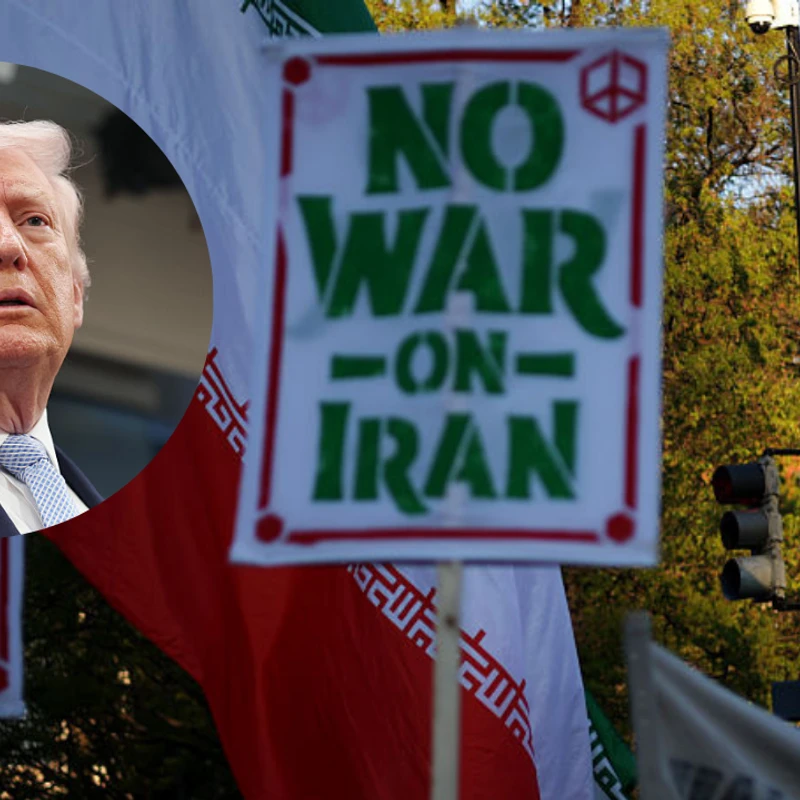
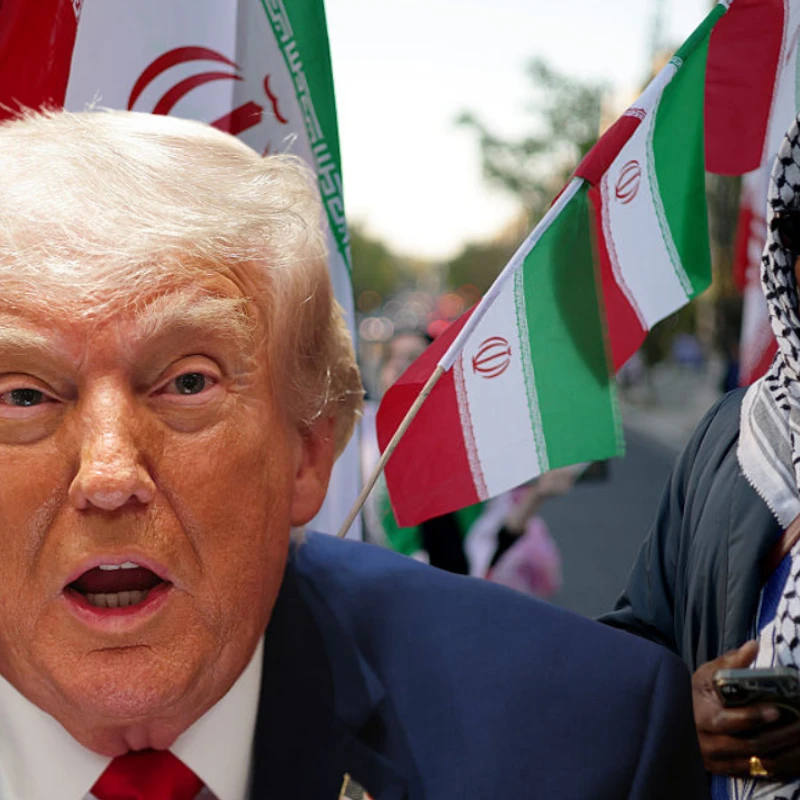
    Hundreds of anti-Trump protesters gathered outside the White House, holding signs with messages like “Hands Off Iran,” “No Wars of Choice,” and “25th Amendment Now.” They condemned Trump’s initial threat to bomb civilian infrastructure and expressed outrage over the war, which they argue was unnecessary and initiated without clear goals or public consensus.

    Zaid Khatib of the Palestinian Youth Movement viewed the ceasefire as a sign of “U.S. imperialist failure” and a testament to the Iranian people’s resilience. He emphasized that Trump is merely a figurehead for a larger system of U.S. foreign policy that has been in conflict with Iran for decades.

    Congressional Calls for Action

    The situation has prompted significant backlash, with over 70 Democrats reportedly calling for Trump’s removal from office via the 25th Amendment and urging a War Powers vote in Congress to curb the president’s unilateral military actions. U.S. Rep. Alexandria Ocasio-Cortez stated on X that the ceasefire “changes nothing,” citing the president’s threats and the war’s initiation without Congressional authorization as constitutional violations. U.S. Rep. Maxwell Frost echoed these sentiments, calling Trump a “dangerous warmonger” who pushed the U.S. into an illegal war and threatened war crimes.

    I fear this war will continue to cost us billions of dollars and possibly American lives. — Victor LaGroon, former U.S. Army intelligence analyst

    While the temporary ceasefire offers a brief respite, the underlying criticisms highlight deep-seated concerns about the administration’s foreign policy, transparency, and the justification for military engagement in the Middle East. The debate continues over whether this is a step towards peace or merely a pause in a conflict driven by questionable motives.

    What are your thoughts on President Trump’s temporary ceasefire with Iran? Do you believe it’s a step towards peace or a dangerous tactic? Share your views in the comments below!
  • NAACP Calls for Trump’s Removal Via 25th Amendment

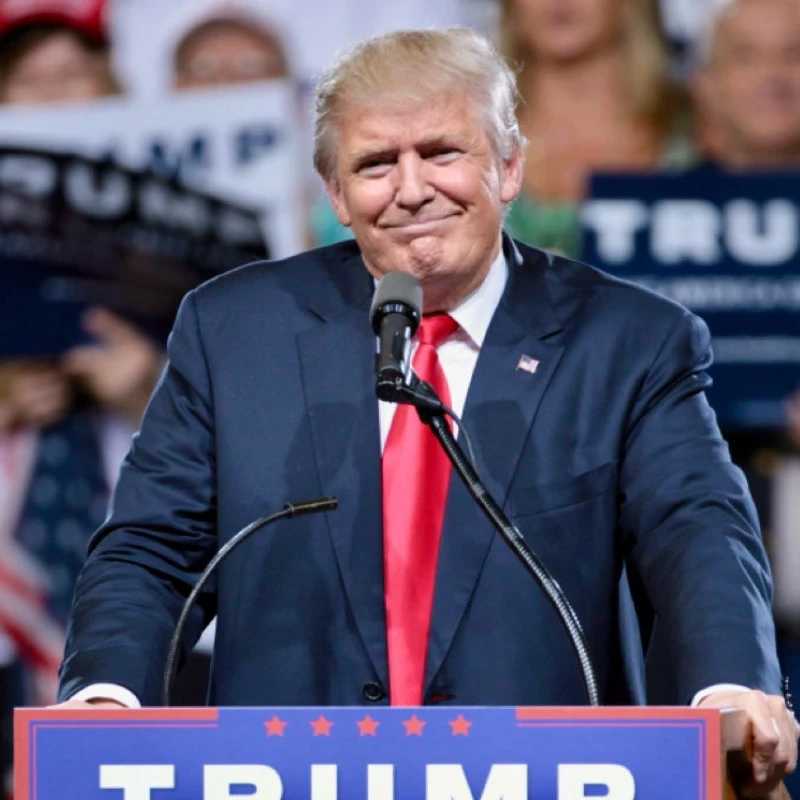
    In a historic move, the NAACP, the nation’s oldest civil rights organization, has officially called for the invocation of the 25th Amendment to remove President Donald Trump from office. This marks the first time in its 1909 founding that the organization has demanded such action against a sitting U.S. president.

    Concerns Over Health and Behavior

    The NAACP cited Trump’s “deteriorating health and increasingly delusional behavior” as the basis for their urgent plea. In a statement, the organization declared that the “rhetoric and actions emanating from the highest office in the land have reached a level of instability that poses a direct threat to the well-being of millions of Americans and the integrity of our armed forces.”

    This call follows a series of escalating events, including Trump’s recent threats to bomb civilian infrastructure in Iran if the Strait of Hormuz was not reopened. The blockade of this critical waterway has already impacted U.S. gas and energy prices, turning the foreign policy challenge into a significant political issue for the President.

    National Security and Democratic Integrity at Stake

    Derrick Johnson, the national president and CEO of the NAACP, didn’t mince words, describing Trump, 79, as “unfit, unwell, and unhinged.” Johnson stated, “The rhetoric and behavior we are witnessing from Trump isn’t just alarming, it’s dangerous. When the person entrusted with the highest office in the land demonstrates a disregard for truth, stability, and the well-being of the American people, it’s a threat to the entire nation and the world.”

    The NAACP emphasized that Trump’s erratic statements and actions raise “grave concerns about his ability to fulfill the duties of his office,” framing it not just as a political disagreement but as a matter of national security, global stability, and the fundamental integrity of American democracy. They believe Trump must be removed immediately.

    The 25th Amendment Explained

    The 25th Amendment, ratified in 1967, provides a framework for presidential succession and disability. It allows for the Vice President and a majority of the Cabinet to declare a president unable to discharge their duties, leading to the Vice President assuming presidential powers as acting president. While it has been used temporarily for medical procedures, its use for removal based on incapacity is unprecedented.

    Currently, it seems unlikely that Vice President JD Vance and the Trump Cabinet, who have shown strong loyalty, would initiate such a process. However, the NAACP’s call adds significant weight to the ongoing debate about presidential fitness and the checks and balances within the U.S. government. The organization also urged Congress to act swiftly, joining calls for a War Powers Resolution vote to end Trump’s military operations in Iran.

    What are your thoughts on the NAACP’s call for invoking the 25th Amendment? Do you believe it’s a necessary step? Share your opinions in the comments below!

  • Trump’s Grim Warning to Iran: ‘Civilization Will Die’

    In a chilling message posted on Truth Social, President Donald Trump issued a dire warning to Iran, stating that “a whole civilization will die tonight.” This grim declaration came just hours before a self-imposed deadline for Iran to open the Strait of Hormuz, a critical global oil shipping route.

    A Threat of ‘Complete and Total Regime Change’

    Trump’s statement preceded an 8 p.m. ET deadline he set for Iran, which has been blocking oil ships passing through the Strait, contributing to rising gas prices globally. The President expressed a desire to avoid such a catastrophic outcome but acknowledged its likelihood. He also referenced “Complete and Total Regime Change,” suggesting a hope for new leadership in Iran that is “smarter, and less radicalized.”

    He continued, “We will find out tonight, one of the most important moments in the long and complex history of the World. 47 years of extortion, corruption, and death, will finally end. God Bless the Great People of Iran!” This rhetoric comes amid a month-long conflict that has faced political and economic headwinds domestically and remains unpopular with many Americans.

    International Condemnation and War Crime Concerns

    The threat to annihilate an entire civilization, including innocent civilians and children, has drawn sharp criticism from political leaders and international bodies. This follows Trump’s previous vow to bomb power plants and bridges if Iran did not cease its blockade. Members of Congress, particularly Democrats, and global leaders have condemned the threat to strike civilian infrastructure, deeming it a potential war crime.

    This is an extremely sick person. Each Republican who refuses to join us in voting against this wanton war of choice owns every consequence of whatever the hell this is. — Senator Chuck Schumer

    Senator Chuck Schumer of New York, the U.S. Senate Minority Leader, called the situation “extremely sick.” The United Nations has also voiced serious concerns. A spokesperson for UN Secretary-General Antonio Guterres stated the organization was “alarmed” by Trump’s social media rhetoric.

    UN spokesperson Stéphane Dujarric reiterated the Secretary-General’s stance on international law, urging all parties to adhere to their obligations. He specifically recalled that “civilian infrastructure, including energy infrastructure, may not be attacked.” Dujarric emphasized that even if civilian infrastructure were considered a military objective, international humanitarian law prohibits attacks that could cause excessive civilian harm, calling for a peaceful settlement of disputes.

    Conflicting Justifications for Military Action

    The Trump administration has reportedly struggled to clearly articulate the “imminent threat” that necessitated military intervention in Iran. Conflicting reasons have been provided by the President and his officials for deploying troops to the Middle East. The Iranians claim the joint military strikes, launched by Trump and Israeli Prime Minister Benjamin Netanyahu, were in response to Iran posing an imminent security threat.

    What are your thoughts on President Trump’s rhetoric towards Iran and the potential consequences? Share your views in the comments below.

  • Trump Claims God Backs Iran War, Threatens ‘Demolition’

    In a striking turn of events, President Donald Trump has asserted that divine approval backs the United States’ military actions in Iran. This declaration comes as he intensifies his rhetoric, threatening the complete ‘demolition’ of the country if demands regarding the Strait of Hormuz are not met. The situation is escalating, with significant implications for regional stability and global economies.

    Escalating Tensions Over the Strait of Hormuz

    The core of the current crisis revolves around Iran’s blockade of the Strait of Hormuz, a vital shipping route. This blockade is significantly impacting oil prices both domestically and internationally. President Trump has issued a firm deadline, stating that Iran must open the strait by Tuesday at 8 p.m. ET.

    Failure to comply, Trump warned, would result in severe consequences. He described potential actions as leaving Iran with ‘no bridges, they are going to have no power plants,’ and reducing the nation to the ‘stone ages.’ This aggressive stance follows a blunt social media post where Trump urged Iran to ‘Open the f–king strait, you crazy bastards, or you’ll be living in hell.’

    Concerns Over Civilian Infrastructure and War Crimes

    Asha Castleberry-Hernandez, a U.S. Army veteran and founder of the Diversity in National Security Network, views Trump’s threats as a ‘pressure point’ to force Iran’s compliance. However, she also raised serious concerns about the potential ‘legal ramifications’ of targeting civilian infrastructure like bridges and power plants. Such actions could be considered war crimes under international law.

    Targeting these essential services could have catastrophic effects, leading to widespread instability in Iran. Castleberry-Hernandez warned that attacking infrastructure would directly impact civilians’ basic needs and could provoke retaliatory strikes from the Iranian Revolutionary Guard against similar U.S. critical infrastructure.

    Divine Approval and Economic Repercussions

    When questioned about whether he believed God would approve of the U.S. war in Iran, President Trump responded affirmatively. He stated, ‘I do,’ adding that ‘God doesn’t like what’s happening.’ He also expressed that he doesn’t ‘enjoy’ the conflict, despite his aggressive posture.

    I mean complete demolition. — President Donald Trump

    The ongoing conflict and the threat of further escalation carry significant economic weight. A prolonged war could lead to higher prices and supply chain disruptions reaching American shores. Reports suggest that a six-month conflict could plunge the global economy into recession, impacting everything from oil availability to the production of semiconductors and the fertilizer supply for American farmers.

    A Heavy Price for Americans

    Black farmers, already facing financial hardships, could be disproportionately affected by these economic pressures. John Boyd, president of the National Black Farmers Association, attributed some of the current economic challenges to the President’s policies, including tariffs and the ongoing war. As the situation unfolds, the potential for widespread economic pain for Americans remains a significant concern.

    What are your thoughts on President Trump’s statements regarding the war in Iran and the potential consequences? Share your views in the comments below.

  • Trump’s Threat to Iran Sparks 25th Amendment Calls

    President Donald Trump’s Easter Day message has ignited a firestorm of controversy, with his expletive-laden threat to attack Iran’s civilian infrastructure drawing alarm from lawmakers and international experts. The remarks, posted on his social media platform Truth Social, have prompted serious discussions and calls for invoking the 25th Amendment to remove him from office.

    A Threat Violating International Law

    In his post, Trump vowed that ‘Tuesday will be Power Plant Day, and Bridge Day, all wrapped up in one, in Iran.’ He issued an ultimatum, demanding Iran ‘Open the F—kin’ Strait, you crazy bastards, or you’ll be living in Hell – JUST WATCH! Praise be to Allah.’ Experts warn that threatening to attack civilian infrastructure constitutes war crimes and violates international law.

    This aggressive stance comes despite recent White House claims of ongoing ceasefire talks with Iran and Trump’s own primetime speech last week suggesting the U.S.-Israeli war in Iran would soon end. The arbitrary deadline of Tuesday at 8 p.m. ET to open the Strait of Hormuz, a critical waterway for global oil and gas, has further escalated tensions, contributing to skyrocketing gas prices worldwide.

    Calls for Invoking the 25th Amendment

    The president’s rhetoric has drawn sharp condemnation from lawmakers. Senator Chris Murphy of Connecticut, a member of the U.S. Senate Foreign Relations Committee, expressed grave concern, stating on X, ‘If I were in Trump’s Cabinet, I would spend Easter calling constitutional lawyers about the 25th Amendment. This is completely, utterly unhinged.’

    Rep. Melanie Stansbury of New Mexico echoed these sentiments, urging action: ‘The emperor has no clothes. Time for the #25thAmendment. Congress and the Cabinet must act.’ California Governor Gavin Newsom’s office also weighed in, with a statement suggesting the president had ‘FINALLY LOST IT’ and that many are calling for the 25th Amendment.

    Understanding the 25th Amendment

    The 25th Amendment to the U.S. Constitution, ratified in 1967, provides a mechanism for removing a president from office if they are deemed unable to discharge their duties. This requires a written declaration from the Vice President and a majority of the Cabinet informing Congress. Upon such a declaration, the Vice President immediately assumes the powers and duties of the acting president. While it has been invoked temporarily for medical procedures, it has never been used to remove a president from office.

    The public’s perception of Trump’s fitness for office is reflected in prediction markets, where trading volume has increased on the likelihood of Cabinet-level action regarding the president’s unfitness. Even Iran has joined the chorus, with its embassy trolling the U.S. president on X and suggesting he consider Section 4 of the 25th Amendment.

    • President Trump issued an expletive-laden threat to attack Iran’s civilian infrastructure.
    • The threat violates international law and constitutes war crimes, according to experts.
    • Lawmakers, including Senator Chris Murphy and Rep. Melanie Stansbury, are calling for the 25th Amendment to be invoked.
    • The 25th Amendment allows for the removal of a president unable to discharge their duties.
    • The controversy follows recent ceasefire talks and Trump’s claims of ending the war.
    • Iran has also criticized Trump’s remarks and suggested invoking the 25th Amendment.

    Organizations like the Council on American-Islamic Relations (CAIR) have slammed Trump’s ‘deranged mocking of Islam’ and his threats, calling them ‘reckless, dangerous, and indicative of a mindset that shows indifference to human life.’ CAIR urged Congress to act decisively to reassert its authority over matters of war and peace.

    What are your thoughts on President Trump’s threats towards Iran? Do you believe the 25th Amendment should be considered? Share your perspective in the comments below.